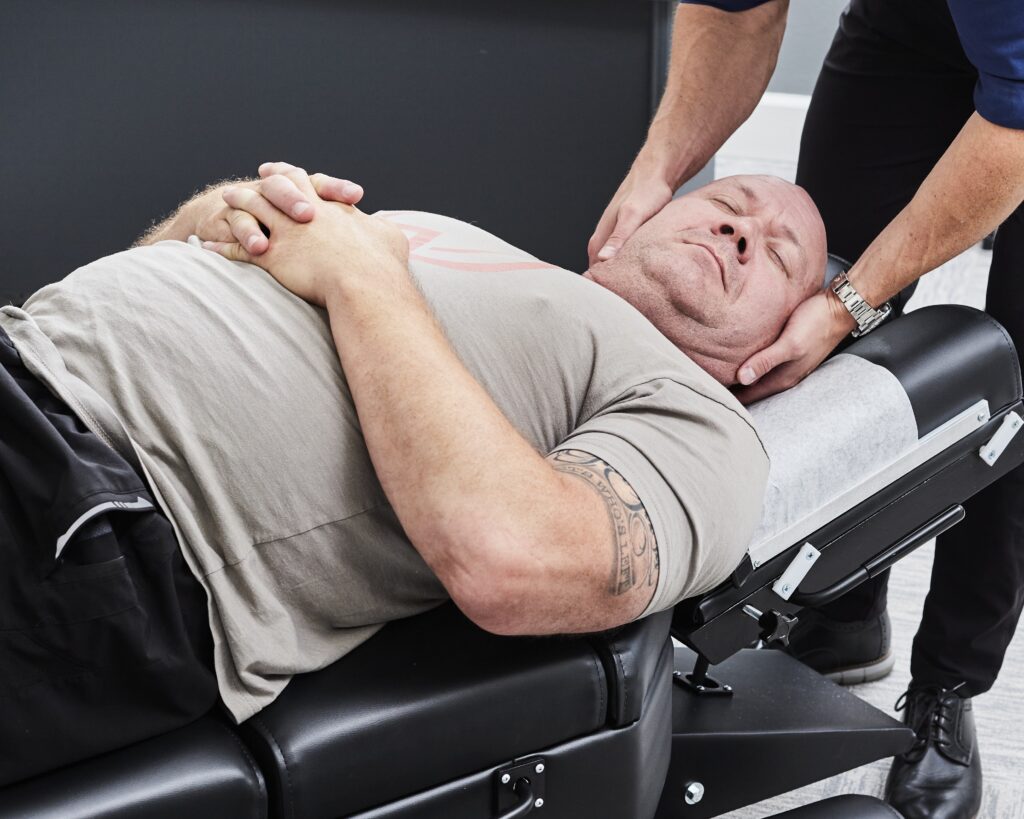
If you're struggling with back pain, understanding how expert care can help is crucial. You might not realize that various healthcare professionals are equipped to address your specific needs, from physicians to physical therapists. Each plays an important role in developing a thorough treatment plan tailored just for you. But before you rush to any conclusions, it's important to explore the nuances of each option and how they can greatly impact your recovery journey. The path to relief might be more intricate than you think, and uncovering these details could make all the difference.
Understanding Back Pain Causes
Understanding the causes of back pain can feel overwhelming, but breaking it down into manageable parts makes it easier. First, consider your lifestyle. Sedentary habits, like sitting for long hours, can weaken your back muscles and lead to pain. On the other hand, overexertion during physical activities, such as heavy lifting or high-impact sports, can strain your back and cause discomfort.
Next, think about your posture. Poor posture, whether you're slouched at a desk or standing improperly, puts undue pressure on your spine and surrounding muscles. Maintaining good posture can greatly reduce the risk of back pain.
Also, check your sleeping habits. A mattress that's too soft or too firm may not support your spine correctly, leading to pain upon waking.
In addition to these factors, age plays a role. As you get older, your spine undergoes changes, such as disc degeneration or arthritis, which can contribute to back pain. If you've had previous injuries or medical conditions, they can also affect your back's health.
Lastly, emotional stress can manifest as physical pain. High-stress levels can lead to muscle tension, particularly in the back. Recognizing these stressors and finding ways to manage them can help alleviate discomfort.
When to Seek Expert Care
Knowing when to seek expert care for back pain is essential for effective treatment and recovery. It's easy to brush off discomfort as a normal part of life, but ignoring persistent pain can lead to more serious issues down the road. If you're experiencing any of the following symptoms, it's time to consult a professional.
- Chronic Pain: If your back pain lasts longer than a few weeks, it's a sign that something more serious could be happening. Don't let it linger; seek help so you can get back to your daily activities without constant discomfort.
- Radiating Pain or Numbness: If you feel pain that radiates down your legs or into your arms, or if you experience numbness and tingling, it could indicate nerve involvement. This isn't something you should ignore, as it may worsen without treatment.
- Loss of Function: If you find it hard to perform everyday tasks—like bending, lifting, or even standing—it's a signal that you shouldn't wait any longer. Losing your ability to move freely can greatly impact your quality of life.
Recognizing these warning signs can empower you to take action. Seeking expert care not only helps relieve your pain but also addresses the underlying issues, paving the way for a healthier, pain-free future.
Don't hesitate; your back deserves the best care possible.
Types of Healthcare Professionals
When dealing with back pain, you have several healthcare professionals at your disposal to help you find relief. Each type of expert brings a unique approach to diagnosing and treating your condition. Understanding who can assist you is essential.
First, consider visiting a primary care physician. They can evaluate your back pain, recommend initial treatments, and refer you to specialists if necessary.
If your pain persists, a chiropractor might be your next stop. Chiropractors specialize in spinal adjustments and manipulations to help alleviate pain and improve mobility.
Physical therapists are also invaluable in your recovery journey. They create personalized exercise programs to strengthen your back, enhance flexibility, and prevent future injuries.
By guiding you through specific movements, they help you regain function and reduce discomfort.
In some cases, you might benefit from seeing a pain management specialist. These professionals focus on chronic pain conditions and can offer various non-surgical options to manage your discomfort effectively.
If your back pain stems from a specific injury or condition, consulting an orthopedic surgeon could be necessary. They specialize in the musculoskeletal system and can provide insights into potential surgical interventions if conservative treatments fail.
Lastly, don't overlook the role of massage therapists. They can offer relief through targeted massage techniques that help reduce muscle tension and improve circulation.
Treatment Options for Relief
When you're dealing with back pain, exploring treatment options can make a big difference.
Physical therapy techniques can help strengthen your back, while medication and injections might provide quick relief.
Let's look at how these approaches can work for you.
Physical Therapy Techniques
Physical therapy techniques play an essential role in alleviating back pain and restoring mobility. By working with a skilled physical therapist, you can initiate a tailored journey towards recovery.
These professionals use a variety of approaches to address your specific needs and improve your overall well-being.
Here are three effective physical therapy techniques you might encounter:
- Manual Therapy: This hands-on approach helps to manipulate and mobilize soft tissues and joints, relieving tension and increasing flexibility. You'll likely feel immediate relief and improved movement after a session.
- Exercise Therapy: Customized exercises focus on strengthening your core and back muscles. These exercises not only alleviate pain but also prevent future injuries, empowering you to stay active and engaged in your daily life.
- Posture Training: Your therapist will guide you in correcting your posture, promoting spinal alignment, and reducing strain on your back. Improved posture can lead to lasting relief and a renewed sense of confidence.
Incorporating these techniques into your routine can greatly enhance your recovery process, helping you regain control over your life and enjoy activities you love.
Medication and Injections
Back pain can be a persistent nuisance, but medication and injections offer effective treatment options for relief.
Over-the-counter pain relievers, like ibuprofen or acetaminophen, can help reduce inflammation and ease discomfort. If these aren't enough, your doctor may prescribe stronger medications, such as muscle relaxants or opioids, but these should only be used for short periods due to potential side effects.
In addition to oral medications, injections can provide targeted relief. Corticosteroid injections deliver powerful anti-inflammatory medication directly into the affected area, which can greatly reduce pain and swelling.
Another option is an epidural steroid injection, which targets nerve roots in the spine.
For chronic pain, nerve block injections can disrupt pain signals from specific nerves, offering longer-lasting relief.
It's important to discuss these options with your healthcare provider, as they can help determine which treatments are best suited for your specific condition.
Importance of Physical Therapy
Physical therapy plays an essential role in managing back pain effectively.
With tailored treatment plans designed just for you, it helps address your specific needs and goals.
Plus, it can lead to long-term pain management, allowing you to regain your quality of life.
Benefits of Physical Therapy
A vital component of managing back pain often lies in the benefits of physical therapy. This approach can help you regain strength, flexibility, and mobility, allowing you to return to the activities you love without discomfort.
Here are three key benefits you can experience through physical therapy:
- Pain Relief: Physical therapy techniques, such as manual therapy and specific exercises, can greatly reduce pain. You'll learn how to manage discomfort and improve your daily function.
- Improved Mobility: Through tailored exercises, you'll work on increasing your range of motion. This means you won't have to avoid simple tasks like bending down to tie your shoes or picking up your child.
- Prevention of Future Injuries: A physical therapist teaches you proper body mechanics and posture, helping you avoid repetitive strain on your back. You'll build a stronger foundation, reducing the chances of future pain.
Engaging in physical therapy isn't just about healing—it's about empowering yourself. You'll gain valuable tools and knowledge to take control of your health and improve your overall quality of life.
Tailored Treatment Plans
Creating a tailored treatment plan is essential for effectively managing your back pain. Every individual experiences pain differently, so a one-size-fits-all approach often misses the mark. By working closely with a physical therapist, you can identify the specific causes of your discomfort and develop targeted strategies to address them.
Your tailored plan might include a combination of exercises designed to strengthen your core, improve flexibility, and enhance posture. These exercises not only help alleviate pain but also prevent future issues. Your therapist will also educate you on proper body mechanics, ensuring you move in ways that protect your back during daily activities.
In addition to physical exercises, your plan may involve modalities like heat therapy, ultrasound, or electrical stimulation to reduce inflammation and promote healing.
Regular reassessments will allow your therapist to adjust your treatment as needed, ensuring you're always on the right track.
Long-Term Pain Management
Managing back pain over the long term often hinges on the guidance of a skilled physical therapist. They can help you develop a personalized approach to pain management that focuses on rehabilitation and strengthening your back.
By working with a therapist, you'll learn how to prevent future injuries, easing your worries about recurring pain.
Here are three key benefits of physical therapy for long-term pain management:
- Empowerment: You'll gain the knowledge and tools to manage your own pain. Understanding your body and its mechanics can be incredibly liberating.
- Improved Functionality: A physical therapist will tailor exercises to enhance your strength and flexibility, allowing you to return to activities you love without fear of pain.
- Emotional Support: Chronic pain can be isolating. Your therapist can provide encouragement and empathy, helping you feel less alone in your journey.
Investing in physical therapy means investing in yourself. With the right guidance, you can reclaim your life from back pain, fostering both physical and emotional well-being.
Don't underestimate the power of expert care in achieving long-term relief.
At-Home Care Strategies
Finding relief from back pain at home can be both effective and empowering. You can incorporate several strategies into your daily routine to alleviate discomfort and promote healing.
Start by evaluating your posture. Maintaining a neutral spine while sitting, standing, or lifting can considerably reduce strain on your back.
Next, consider incorporating gentle stretching and strengthening exercises into your day. Activities like yoga and Pilates can improve flexibility and core strength, which are essential for supporting your back. Aim for short sessions, focusing on movements that feel good and don't exacerbate your pain.
Heat and cold therapy can also be beneficial. Apply a cold pack for the first 48 hours after experiencing pain to reduce inflammation. After that, switch to heat therapy, like a warm compress or heating pad, to relax tight muscles.
Don't underestimate the power of rest. While it's important to stay active, give your body time to recover when needed. You might find a comfortable mattress and supportive pillows can make a considerable difference in your sleep quality and overall back health.
Lastly, stay hydrated and maintain a balanced diet. Proper nutrition can aid your body's recovery process.
If you find that your symptoms persist or worsen, don't hesitate to consult a healthcare professional for further guidance. Remember, you have the tools to manage your back pain effectively at home!
Preventing Future Back Pain
Preventing future back pain starts with understanding the importance of body mechanics in your daily activities. You mightn't realize it, but every time you bend, lift, or sit, you're putting stress on your spine.
By adopting better habits and being more mindful of how you move, you can greatly reduce your risk of injury. Here are three essential strategies to keep in mind:
- Lift with your legs, not your back: When you're picking up heavy objects, bend at your knees and keep the load close to your body. This way, your legs do the work instead of straining your back.
- Maintain a strong core: A strong core supports your spine and helps distribute weight more evenly. Incorporate exercises like planks and bridges into your routine to build strength in your abdominal muscles.
- Practice good posture: Whether you're sitting at a desk or standing in line, maintaining proper posture is key. Keep your shoulders back, and your spine aligned.
If you sit for long periods, take breaks to stretch and adjust your position.
Developing a Personalized Plan
Creating a personalized plan for relieving back pain involves evaluating your unique lifestyle and needs. Start by identifying the specific areas of your back that hurt and the activities that aggravate your pain. Keep a pain diary for a week, noting when you experience discomfort and what you were doing at the time. This information will be invaluable when you consult with a healthcare professional.
Next, consider your daily habits. Are you sitting for long periods, or do you lift heavy objects regularly? Acknowledging these factors can help you and your provider tailor a plan that addresses your situation.
Incorporating exercises that strengthen your core and improve flexibility is often beneficial. You might want to consult a physical therapist who can guide you in creating a safe workout routine.
Don't forget about your sleep position and mattress. Poor sleep can contribute to back pain, so make sure your sleeping environment supports your spine. If necessary, invest in a quality mattress that provides adequate support.
Finally, consider integrating stress management techniques into your plan. Stress can exacerbate pain, so practices like mindfulness, yoga, or meditation can be effective.
Regular follow-ups with your healthcare provider will allow you to adjust your plan as needed based on your progress. By actively engaging in your treatment strategy, you'll increase your chances of finding relief and improving your overall quality of life.
Conclusion
To sum up, relieving back pain requires a proactive approach with expert care tailored to your needs. By understanding the causes and knowing when to seek help, you can tap into the expertise of various healthcare professionals. Embrace treatment options like physical therapy and at-home strategies to enhance your recovery. Remember, taking steps to prevent future issues is just as important. With a personalized plan, you can regain control of your back health and improve your overall quality of life.