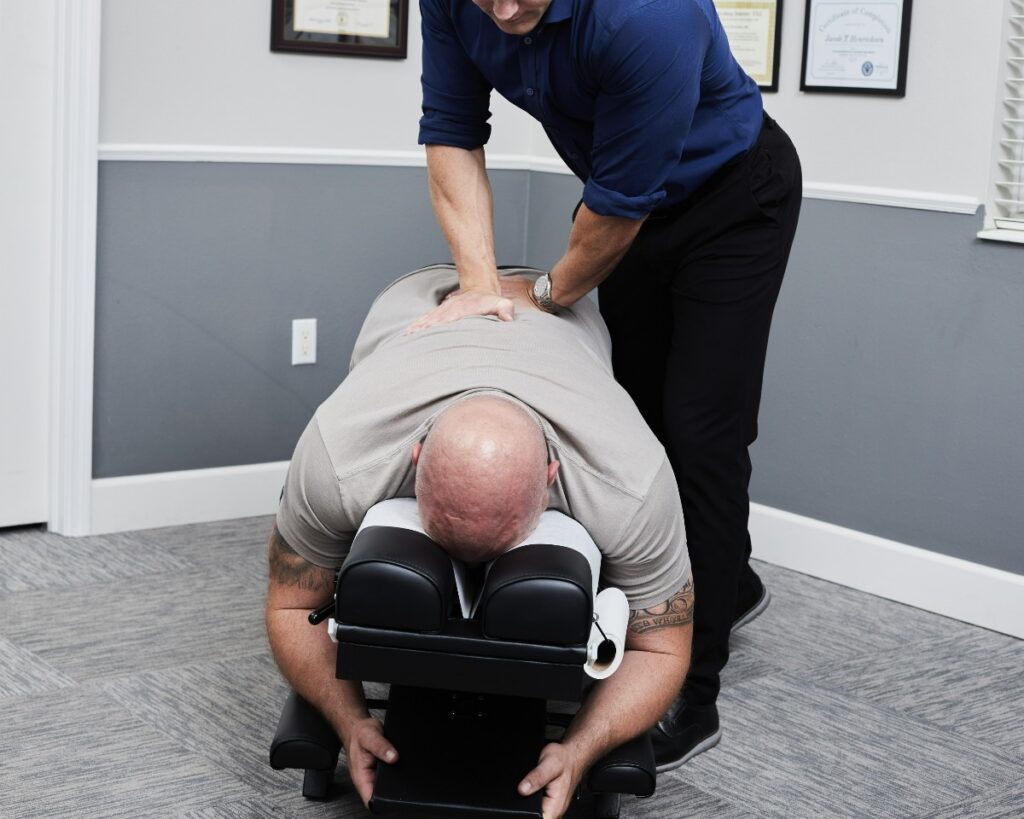

Managing chronic pain goes beyond simply addressing flare-ups; it's about taking an active role in your health through preventive care. As a chiropractor, I want to help you understand how you can positively influence your pain management by recognizing the signals your body sends and engaging in proactive strategies. Regular visits to a chiropractor, in conjunction with lifestyle changes, can create a foundation for a more comfortable and fulfilling life.
So, what specific steps can you take to ensure that you're not just coping with pain but also working towards preventing it from occurring in the first place?
Incorporating chiropractic adjustments into your routine can help align your spine, improve mobility, and reduce tension, which are all crucial in managing chronic pain. Additionally, we can discuss exercises and stretches that strengthen your body and enhance your overall well-being. By addressing the underlying causes of your pain and not just the symptoms, you can take significant strides toward a pain-free life. Let's work together to develop a personalized plan that empowers you to take charge of your health!
Understanding Chronic Pain
Chronic pain is a multifaceted issue that affects countless individuals, often hindering their daily activities and emotional health. As a chiropractor, I want to help you understand this condition better, so you don't feel like you're fighting an unseen adversary alone.
Unlike acute pain, which serves as a warning for injury or illness, chronic pain can persist for months or even years, making it crucial to approach it differently. Many people experience chronic pain due to underlying conditions such as arthritis, fibromyalgia, or nerve damage.
It can present itself in various forms—sharp, dull, throbbing, or even burning sensations. By identifying the type of pain you're experiencing, we can have more productive conversations about your care and tailor a management plan that suits your specific needs.
It's important to recognize that chronic pain isn't solely a physical issue; it can also take a toll on your mental and emotional well-being. Feelings of anxiety, depression, or frustration are common in those living with chronic pain.
You may find yourself withdrawing from social interactions or feeling overwhelmed, which can, unfortunately, intensify your pain experience. Managing chronic pain often requires a holistic approach.
As your chiropractor, I encourage you to educate yourself about your condition and stay updated on various treatment options, including chiropractic adjustments, which can help relieve pain by improving spinal alignment and function.
Additionally, developing coping strategies is vital for navigating your day-to-day life. Remember, you aren't alone on this journey. Many resources and support networks exist to assist you in managing your pain and enhancing your quality of life.
Together, we can explore natural healing methods and find ways to improve your overall well-being.
The Importance of Preventive Care
As a local chiropractor, I want to emphasize how important a proactive approach to your health can be, especially when it comes to pain management. Preventive care in chiropractic isn't just about addressing symptoms; it's about stopping them from developing into more significant issues. By scheduling regular chiropractic check-ups and screenings, we can identify potential problems in your musculoskeletal system before they escalate into chronic pain conditions. Early detection is key; it allows us to manage or even alleviate pain before it becomes a persistent issue.
Communication is vital in our partnership. I encourage you to discuss any discomfort or concerns openly during our sessions. This dialogue allows me to offer personalized strategies and treatments tailored specifically to your needs. By actively engaging in this conversation, we can create preventive measures together, ensuring that we aren't simply reacting to pain but proactively working to prevent it.
Understanding your body and recognizing the signs that something may be off is also part of effective preventive care. Being in tune with both your physical and emotional well-being enables you to seek help promptly, preventing minor issues from evolving into chronic pain. Additionally, I'll support you in adopting healthy habits that will play a crucial role in your overall pain management strategy.
Integrating preventive care into your routine means prioritizing your health and setting yourself up for long-term wellness. By focusing on prevention, we can help reduce the frequency and severity of pain episodes, making your daily life more manageable.
Ultimately, embracing chiropractic preventive care leads to a better quality of life, allowing you to participate in the activities you love without the constant burden of pain. Let's work together to ensure you feel your best!
Lifestyle Modifications for Pain Management
As a local chiropractor, I want to share how making certain lifestyle changes can significantly enhance your ability to manage chronic pain.
By prioritizing healthy diet choices and incorporating a consistent exercise routine into your daily life, you can alleviate discomfort and boost your overall health.
These modifications not only support your body's natural healing processes but also empower you to take an active role in your pain management journey.
Let's delve into how these strategies can benefit you and improve your quality of life.
Healthy Diet Choices
As a local chiropractor, I want to emphasize the significant role that diet plays in your overall health and well-being, especially when it comes to managing pain. The foods you choose to eat can influence inflammation, energy levels, and even your mood, all of which can impact your pain experience.
By incorporating more anti-inflammatory foods into your diet, you may find relief from discomfort and improve your quality of life.
Here are some healthy dietary choices to consider:
- Fruits and Vegetables: Aim to fill your plate with a colorful variety. Berries, leafy greens, and cruciferous vegetables such as broccoli are particularly effective at fighting inflammation and providing essential nutrients.
- Healthy Fats: Incorporate sources of omega-3 fatty acids, like fatty fish, walnuts, and flaxseeds, into your meals. These healthy fats can help reduce inflammation in the body, which is crucial for pain management.
- Whole Grains: Choose whole grains such as brown rice and quinoa over refined grains. Whole grains provide more nutrients and fiber, which are important for overall health and can support your body's healing processes.
Don't forget the importance of staying hydrated! Proper hydration is essential as it supports your body's functions and can help alleviate some discomfort.
Be mindful of how different foods affect your pain levels, and remember that a balanced diet isn't just about making the right choices; it's also about tuning into your body and adjusting your diet based on what you learn.
Your dietary choices have the power to assist you in your journey toward pain management and improved health.
Regular Exercise Routine
As a local chiropractor, I want to emphasize the significant role a regular exercise routine can play in managing pain and enhancing your overall well-being in conjunction with the natural healing approaches we offer. Engaging in physical activity isn't just about fitness; it's a powerful tool that can help alleviate pain by releasing endorphins, improving flexibility, and strengthening muscles, which ultimately reduces pressure on your joints.
It's essential to choose exercises that align with your individual abilities and comfort levels. I recommend starting with low-impact activities like walking, swimming, or cycling. These types of exercises are gentle on the body while still delivering considerable benefits. Aiming for at least 150 minutes of moderate aerobic activity each week is a great goal. You can break this down into shorter, manageable sessions that fit seamlessly into your daily routine.
Strength training is another critical component of a balanced exercise program. Incorporating resistance exercises two to three times a week can help build muscle, which supports your joints and may lead to reduced pain over time. If you're unsure where to start, I encourage you to consult with a physical therapist or a fitness professional who can provide personalized guidance tailored to your needs.
Always listen to your body and be ready to adjust your routine as necessary. Consistency is vital for success, so aim to set realistic goals and celebrate your achievements along the way.
Regular Medical Check-Ups
Regular chiropractic check-ups are essential for effectively managing chronic pain and ensuring your natural healing process stays on track. These routine visits allow me, as your chiropractor, to monitor your condition, adjust your treatment plan, and discuss any new symptoms you might be experiencing.
Regular check-ups help identify potential complications early, making it easier for you to maintain your quality of life.
During our appointments, it's important to communicate openly about your pain levels, any changes in your daily activities, and how well the current chiropractic adjustments are working for you.
Here are a few key reasons why you shouldn't skip these visits:
- Holistic Treatment Adjustments: I can modify your chiropractic adjustments or suggest complementary therapies based on your pain levels and lifestyle changes, ensuring you receive the best possible care tailored to your needs.
- Tracking Progress: Regular evaluations help us track your progress and determine if your treatment plan needs to be adjusted to better support your journey towards pain relief.
- Preventive Health: Early detection of any new health issues can significantly enhance your overall well-being and prevent additional complications that could worsen your chronic pain.
Don't underestimate the benefits of these appointments. By prioritizing regular chiropractic check-ups, you take an active role in your pain management journey.
Holistic Therapies and Practices
As you embark on your journey to manage chronic pain, I want to introduce you to the benefits of chiropractic care and other holistic therapies that can significantly enhance your treatment plan.
Chiropractic care focuses on the whole person, addressing not only the physical aspects of pain but also the emotional and mental well-being that often accompanies it. These natural healing approaches can work in tandem with traditional medical treatments to improve your overall health.
One of the core practices in chiropractic care is spinal manipulation, which can relieve pain by improving spinal alignment and function. This technique can help alleviate pressure on nerves, reduce inflammation, and enhance mobility, providing many patients with substantial relief from chronic pain.
In addition to chiropractic adjustments, I encourage you to explore the practice of yoga. This gentle form of exercise integrates stretching and mindfulness, promoting flexibility, strength, and relaxation. Regular yoga practice can help ease discomfort and reduce stress, both of which are crucial in managing chronic pain.
Meditation is another powerful tool that can complement your pain management strategy. By focusing your mind and engaging in deep breathing exercises, you can create a sense of calm that mitigates the perception of pain. Even dedicating just a few minutes a day to this practice can yield positive results.
Massage therapy is also an excellent addition to your pain relief regimen. It can help alleviate muscle tension, improve circulation, and foster a deeper connection with your body, all of which contribute to relaxation and pain reduction.
Lastly, consider the benefits of aromatherapy. Essential oils, such as lavender and eucalyptus, can enhance your environment and may help in lowering pain levels through their calming properties.
Integrating these holistic therapies alongside chiropractic care can empower you to manage chronic pain more effectively and improve your overall well-being.
If you have any questions or would like to discuss these options further, feel free to reach out during your next visit!
Nutrition's Role in Pain Control
As a chiropractor, I want to emphasize the significant role nutrition plays in managing chronic pain. Many patients are surprised to learn that what they eat can directly impact their body's response to discomfort. By adopting a balanced diet, you can help reduce inflammation, which is often a major contributor to pain.
Here are some key dietary elements to consider incorporating into your meals to support your healing journey:
- Anti-inflammatory foods: Foods such as salmon, walnuts, and flaxseeds are rich in omega-3 fatty acids and can help lower inflammation in your body. Including these in your diet may alleviate some of your pain.
- Fruits and vegetables: These foods are packed with antioxidants and essential vitamins that strengthen your immune system and combat oxidative stress. Aim to eat a colorful variety of fruits and vegetables, like berries, leafy greens, and cruciferous options (such as broccoli and cauliflower), to maximize their benefits.
- Whole grains: Choose whole grains like brown rice and quinoa instead of processed grains. Whole grains offer vital nutrients and fiber, which can help stabilize blood sugar levels and prevent those energy crashes that can exacerbate discomfort.
It's also important to limit your intake of processed foods, sugars, and unhealthy fats, as these can trigger inflammation and worsen pain symptoms.
Don't forget about hydration; drinking plenty of water is crucial for maintaining optimal bodily functions and supporting your recovery.
Keep in mind that everyone's body is unique, so it's essential to pay attention to how specific foods affect your pain levels. By making mindful dietary choices, you can take proactive steps toward managing your chronic pain and supporting your overall health naturally.
If you have any questions or need personalized advice, feel free to reach out during your next visit!
Building a Support System
As a local chiropractor, I want to emphasize the importance of building a support system to effectively manage chronic pain.
It's crucial to identify key individuals in your life who can provide both emotional and practical assistance, such as family members, friends, or support groups. These people can play a significant role in your healing journey.
Once you've identified your support network, it's important to establish clear channels of communication.
Share your needs and experiences openly with them, so they can better understand how to support you. Whether it's helping you with daily activities or just being there to listen, having a strong support system can enhance your overall well-being and complement the chiropractic care you receive.
Identifying Key Support Individuals
Building a strong support system is vital for effectively managing chronic pain, and as a chiropractor, I want to emphasize the importance of surrounding yourself with the right individuals who can aid in your healing journey. You're not in this alone—having supportive people around you can profoundly impact your recovery.
Start by identifying key individuals in your life who truly understand what you're going through and can offer both emotional and practical support:
- Family members: They often have the deepest understanding of your struggles and can provide the love, encouragement, and motivation necessary to help you stay on track with your treatment.
- Friends: Seek out those who are empathetic and willing to listen. Friends who can join you in activities that promote relaxation and joy are invaluable, as they can help lift your spirits and distract you from pain.
- Healthcare professionals: It's crucial to have a team that includes compassionate healthcare providers. A chiropractor, for example, can work with you to address your pain from a holistic perspective, helping you to understand the root causes and guiding you through natural healing methods.
Once you've recognized these key individuals, think about how they can support you in your daily life. Whether it's having someone to talk to during challenging moments, a companion for your chiropractic appointments, or a friend to share your experiences with, these connections can significantly reduce feelings of isolation and pain.
Remember, your support system isn't solely about managing pain; it's also about improving your overall quality of life. I encourage you to reach out, nurture these relationships, and let them assist you on your path to better health through chiropractic care and natural healing practices.
Together, we can work towards a more pain-free and fulfilling life.
Establishing Communication Channels
Effective communication is essential for building a robust support system, especially when managing chronic pain. As your local chiropractor, I encourage you to establish clear channels of communication with your support network, which may include family, friends, and healthcare providers.
Start by openly expressing your feelings and experiences related to your pain. It's important for those around you to understand how your discomfort impacts your daily life and the specific types of support you require.
Leverage technology to enhance your communication efforts—consider using group chats or scheduling regular video calls to keep your support system informed about your condition and any evolving needs.
If you're ever feeling too overwhelmed to articulate your pain, don't hesitate to ask for help in conveying your feelings.
Active listening is equally important. I recommend encouraging your supporters to share their thoughts and feelings as well. This mutual exchange fosters understanding and empathy, which can be incredibly healing.
It's also vital to set clear boundaries regarding what you can and can't handle, enabling deeper and more meaningful interactions with those who care about you.
As your chiropractor, I'm here to help guide you through your healing journey, and effective communication is a key component in maximizing the benefits of chiropractic care and natural healing.
Conclusion
As your local chiropractor, I want to emphasize the importance of preventive care in managing chronic pain. Taking a proactive approach through regular check-ups allows us to identify potential issues early on and customize your treatment plan for optimal results. One of the keys to improving your well-being lies in making lifestyle changes—this includes maintaining a balanced diet and engaging in consistent exercise, both of which can significantly alleviate pain.
In addition to chiropractic adjustments, I encourage exploring holistic therapies that complement your care. Practices like acupuncture, massage, and mindfulness can enhance your healing journey. Building a supportive network of friends, family, and healthcare professionals is also crucial as it provides encouragement and motivation.
Remember, by taking charge of your health now, you can pave the way for a more comfortable and pain-free future. Let's work together to create a personalized plan that suits your needs and helps you thrive!