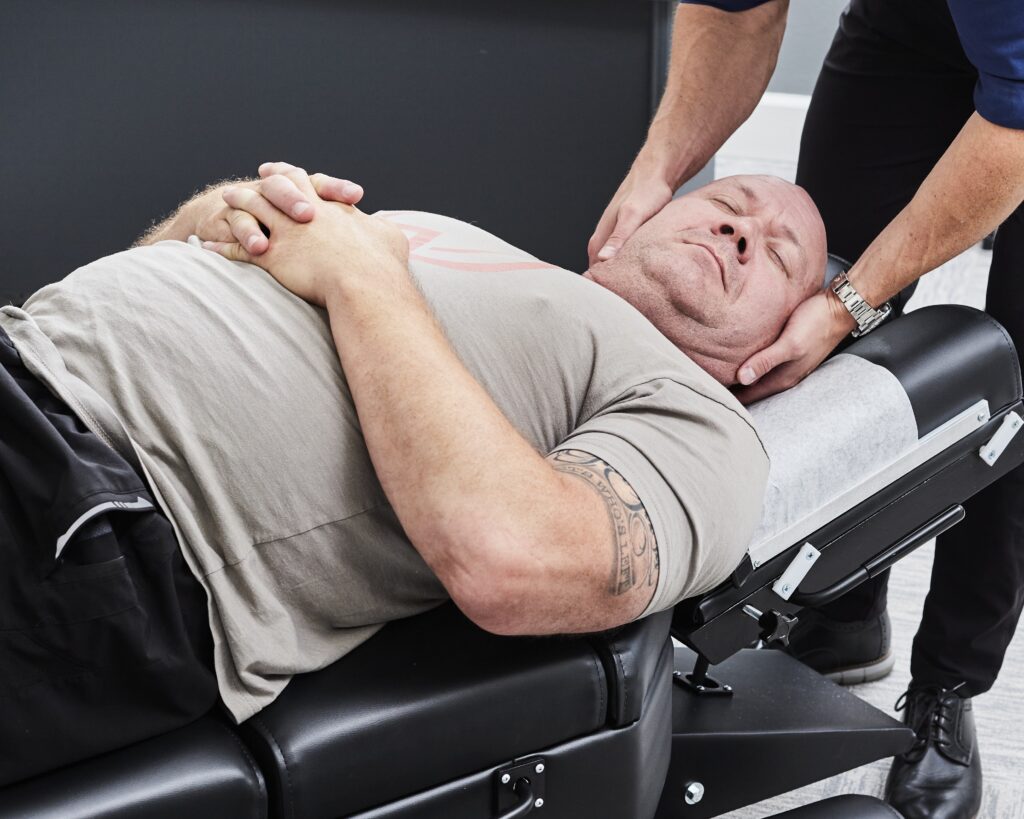
If you’re dealing with migraines, it’s important to recognize how much your neck health affects your overall well-being. Many people don’t realize that poor posture and neck tension can significantly contribute to headache symptoms. Fortunately, by making simple adjustments in your daily life and incorporating specific exercises, you can potentially reduce the frequency and severity of your migraines.
As a chiropractor, I want to emphasize the vital connection between neck care and migraines. By focusing on your spine and neck alignment, you can promote better health and find relief from those painful headaches. Here are some practical strategies you can implement to support your neck health and potentially alleviate migraines:
- Maintain Good Posture: Pay attention to how you sit and stand. Keeping your head aligned over your shoulders can help reduce strain on your neck. Use ergonomic furniture if you work at a desk, and take regular breaks to stretch.
- Practice Neck Exercises: Gentle neck stretches can help relieve tension. Try slowly tilting your head from side to side and forward and backward. Yoga and other forms of gentle stretching can also benefit your neck and overall posture.
- Stay Hydrated: Dehydration can trigger headaches, so make sure you’re drinking plenty of water throughout the day.
- Manage Stress: Stress can lead to muscle tension in your neck. Consider relaxation techniques such as deep breathing, meditation, or gentle yoga to help manage stress levels.
- Regular Chiropractic Care: Visiting a chiropractor regularly can help ensure that your spine is properly aligned, which can relieve tension in your neck and help reduce the occurrence of migraines. Chiropractic adjustments can improve your overall spinal health and promote natural healing.
- Sleep Position: Be mindful of how you sleep. Use a supportive pillow that keeps your neck aligned with your spine. Avoid sleeping on your stomach, as this can twist your neck.
Understanding the importance of neck care is crucial in managing migraines. By incorporating these tips into your daily routine and considering chiropractic care as a proactive approach, you can take significant steps toward achieving optimal health and alleviating migraine symptoms. Remember, your well-being is worth the effort!
Key Takeaways
- To alleviate migraine symptoms, it’s essential to maintain good neck posture. Avoid slouching and craning your neck, as these habits can create unnecessary strain and exacerbate headaches.
- Regular neck exercises, like gentle tilts and chin tucks, can be incredibly beneficial. These simple movements help strengthen your neck muscles and improve flexibility, which can reduce tension and discomfort.
- Setting up your workspace ergonomically is crucial for promoting proper neck alignment. Ensure your computer screen is at eye level and your chair supports your back. This way, you minimize strain on your neck and surrounding muscles.
- Stress can play a significant role in headaches, so it’s important to incorporate stress management techniques into your daily routine. Practices like deep breathing and progressive muscle relaxation can help release tension in your neck and shoulders, providing relief.
- As a chiropractor, I often recommend personalized care plans that focus on enhancing neck alignment. By visiting a chiropractor, you can receive tailored treatment that addresses your specific needs, helping to reduce migraine frequency linked to neck tension. Embracing chiropractic care is a natural way to pursue optimal health and wellness, allowing your body to heal itself.
Understanding the Connection Between Neck Care and Migraines
When you think about how neck care influences migraines, it’s important to understand that tension and misalignment in the neck can often lead to headache symptoms. Your neck plays a crucial role in supporting your head and houses vital nerves and blood vessels that are essential for brain function.
When you have tight muscles or misalignment, these structures can be affected, which may result in more frequent or intense headaches. Chiropractic care is an excellent way to address these issues. By focusing on proper alignment and relieving tension in the neck, chiropractors can help alleviate headache symptoms.
Regular chiropractic adjustments can improve blood flow and reduce muscle stiffness, which may significantly decrease the occurrence of migraines. In addition to chiropractic care, you can take proactive steps to care for your neck at home. Simple practices like gentle neck stretches and maintaining good posture throughout your day can make a big difference.
Be mindful of your workspace—adjusting your chair and computer screen to promote good ergonomics can help prevent strain on your neck. Prioritizing neck care through chiropractic adjustments and these simple self-care tips can create a healthier environment for your brain.
This not only helps reduce migraine triggers but also enhances your overall well-being. Remember, chiropractic care is a powerful tool for managing migraine symptoms naturally and effectively.
Identifying Poor Neck Posture
It’s crucial to identify the signs of poor neck posture, as they can significantly impact your overall well-being. Many of us develop habits like slouching or craning our necks forward, especially when using our phones. These behaviors can lead to increased tension and headaches, which is why it’s important to address them for relief.
As a chiropractor, I want to emphasize that correcting your neck posture isn’t just about comfort—it’s about achieving optimal health. Poor posture can stress your spine and nervous system, which can contribute to pain and discomfort. By prioritizing good posture, you can help alleviate these issues naturally.
Here are some simple tips to improve your neck posture:
- Set Up Your Space: Ensure your computer screen is at eye level to avoid leaning forward. This helps keep your neck aligned properly.
- Take Breaks: If you find yourself on your phone or computer for extended periods, take regular breaks to stretch and move around. This helps relieve tension that can build up in your neck.
- Strengthen Your Muscles: Incorporate exercises that strengthen your neck and upper back muscles, which can help support proper posture.
- Be Mindful: Pay attention to your posture throughout the day. Try to keep your shoulders back and your head aligned over your spine.
Remember, chiropractic care can be a powerful ally in your journey towards better posture and overall health. Regular adjustments can help realign your spine, reduce tension, and promote natural healing.
If you’re struggling with neck pain or headaches, consider scheduling a visit. Together, we can work towards achieving your wellness goals and enhancing your quality of life.
Signs of Poor Posture
Identifying poor neck posture is crucial for managing migraines, as it can significantly contribute to discomfort and tension. As a chiropractor, I want to help you recognize some common signs that may indicate poor neck posture.
First, check if your head is positioned forward, meaning your ears aren’t aligned with your shoulders. This forward head position can strain your neck muscles and lead to pain. Additionally, if your shoulders appear rounded or elevated, this may signal tightness in the muscles, which can also result in discomfort.
Pay attention to how you use your phone or computer. If you find yourself craning your neck down or forward, you could be putting unnecessary strain on your muscles. You may notice stiffness when turning your head or even a feeling of heaviness in your neck. If you experience frequent headaches or discomfort after sitting for long periods, poor posture is likely playing a role.
To help alleviate these issues, I recommend practicing good posture habits throughout your day. Make sure to keep your computer screen at eye level and take regular breaks to stretch your neck and shoulders.
Simple exercises, like gently tilting your head side to side or rolling your shoulders, can also help relieve tension.
By correcting these habits and maintaining proper posture, you can reduce the frequency and intensity of migraines. Chiropractic care is a natural and effective way to support your journey toward optimal health and wellness.
If you’re looking for personalized guidance, don’t hesitate to reach out for a consultation. Together, we can work towards a healthier, pain-free life!
Common Neck Position Mistakes
Many people unknowingly adopt poor neck positions that can lead to discomfort and exacerbate migraines. As a chiropractor, I see this frequently in my practice, and I want to share some insights that can help improve your neck health.
One common mistake is hunching over your phone or computer. This position causes your neck to bend forward, leading to what we call forward head posture. It can strain the muscles and ligaments in your neck, resulting in pain and tension. To combat this, try to keep your screen at eye level to encourage a more neutral neck position.
Another issue is inadequate neck support during sleep. If your pillow is too high or too flat, it can misalign your spine and cause discomfort. Look for a pillow that supports the natural curve of your neck. A cervical pillow might be a great option to consider, as it can help maintain proper alignment overnight.
You might also find yourself craning your neck to see better while driving or watching TV. This unnecessary stress can lead to chronic neck pain. Instead, adjust your seat or the position of the screen to keep your head in a more aligned position.
Being aware of these habits is the first step to correcting them. I encourage you to keep an eye on your neck position throughout the day. Simple adjustments can lead to significant improvements in your comfort and overall well-being.
If you’re experiencing persistent neck pain or discomfort, I highly recommend considering chiropractic care. A chiropractor can provide personalized assessments and effective treatments to help restore your neck’s natural alignment, reduce tension, and promote overall wellness.
Impact on Headaches
Poor neck posture can do more than just cause discomfort; it can be a significant factor in triggering headaches. When we slouch or allow our heads to tilt forward, we place unnecessary strain on our neck and upper back. This tension is often the root cause of tension headaches. As your local chiropractor, I want to emphasize the importance of identifying and correcting these postural issues to help alleviate your headaches naturally.
Here’s a quick overview of how poor posture affects headaches and some tips for improvement:
| Poor Posture | Impact on Headaches | Tips to Improve Posture |
|---|---|---|
| Forward Head | Increases neck strain, leading to tension headaches | Keep your head aligned over your shoulders; use a supportive pillow while sleeping. |
| Slouching | Compresses nerves, causing pain radiating to the head | Sit up straight with your back supported; consider using ergonomic furniture. |
| Tensed Shoulders | Restricts blood flow, intensifying headache pain | Practice relaxation techniques; stretch your shoulders regularly throughout the day. |
| Looking Down | Strains neck muscles, increasing headache frequency | Hold your devices at eye level; take breaks to look up and stretch your neck. |
Chiropractic care is an excellent way to address these postural issues and reduce headache occurrences. By focusing on spinal alignment, we can help relieve tension, improve blood flow, and promote overall wellness. Remember, making small changes in your daily habits can lead to significant improvements in your health and well-being. If you are experiencing headaches related to poor posture, consider scheduling a consultation to discuss how chiropractic care can help you achieve optimal health naturally.
Stretching Exercises for Neck Relief
Just a few simple stretching exercises can significantly relieve neck tension and help alleviate migraine symptoms. As a chiropractor, I often emphasize the importance of maintaining spinal health for overall wellness. Incorporating these gentle stretches into your daily routine can’t only ease discomfort but also enhance your flexibility and support your spine’s natural alignment.
Start with a gentle neck tilt. While sitting or standing, slowly tilt your head to one side, bringing your ear toward your shoulder. Hold this position for 15-30 seconds, feeling the stretch along the side of your neck, then switch sides. This simple movement can help release tight muscles and improve range of motion.
Next, try neck rotations. Move your head in a slow, circular motion, gently rolling it from shoulder to shoulder. Repeat this 5-10 times in each direction. This exercise can help increase blood flow to the area and reduce stiffness, which is particularly beneficial if you spend long hours at a desk.
You can also perform a chin tuck. Sit up straight and gently tuck your chin toward your chest, holding for a few seconds before releasing. This stretch helps strengthen the muscles that support your neck and spine, promoting better posture and reducing the risk of future tension.
Finally, include shoulder shrugs in your routine. Raise your shoulders toward your ears, hold for a moment, and then let them drop. Repeat this 10 times. This exercise not only relaxes the shoulders but also encourages proper alignment of the upper spine.
By incorporating these stretches into your daily routine, you can ease tension, improve flexibility, and support your overall spinal health.
Strengthening Exercises for Neck Support
Strengthening your neck is vital for alleviating migraine triggers and enhancing overall stability. At our chiropractic clinic, we believe that a strong neck can lead to better spinal alignment and improved health. By incorporating effective resistance exercises and proper stretching techniques into your routine, you can significantly boost your neck’s support system and overall wellness.
Here are some recommended exercises that can make a difference in your neck health:
- Neck Tilts: Gently tilt your head to one side, bringing your ear towards your shoulder. Hold for 15-30 seconds, then switch sides. This helps stretch and strengthen the muscles on the sides of your neck.
- Chin Tucks: Sit or stand up straight and gently tuck your chin in towards your neck. Hold for a few seconds and repeat this several times. This exercise helps improve posture and strengthens the neck muscles.
- Shoulder Shrugs: Raise your shoulders up towards your ears, hold for a moment, and then relax them back down. This can relieve tension in the neck and shoulder area.
- Resistance Band Exercises: Using a resistance band, you can perform gentle pulling exercises to strengthen your neck. Attach the band to a stable object, hold it with both hands, and gently pull your head back against the resistance.
In addition to these exercises, it’s essential to maintain good posture throughout the day, especially if you work at a desk. Ensure your computer screen is at eye level and take regular breaks to stretch and move around.
Remember, chiropractic care is an excellent option for neck health. Regular visits to a chiropractor can help realign your spine, alleviate pain, and improve your overall well-being.
Our goal is to support your journey to optimal health through natural healing methods, helping you live a pain-free, healthier life. If you have any questions or need personalized guidance, don’t hesitate to reach out to our office!
Importance of Neck Strength
The Importance of Neck Strength for Overall Health and Wellness
As a chiropractor, I often see patients overlook the significance of neck strength in maintaining their overall health and well-being. A strong neck is vital for stabilizing your head, reducing muscle tension, and improving posture, all of which can significantly help alleviate migraines. By focusing on strengthening your neck, you can reduce the frequency and intensity of migraine episodes while also enhancing your daily life.
Incorporating neck-strengthening exercises into your routine is essential. Here’s a simple table illustrating the benefits of neck strength:
| Benefit | Impact on Migraines | Overall Health |
|---|---|---|
| Improved posture | Reduces strain on the neck | Enhances spinal health |
| Increased stability | Less tension in muscles | Supports daily activities |
| Enhanced flexibility | Better blood flow | Reduces injury risk |
Tips for Strengthening Your Neck:
- Gentle Stretches: Start with simple neck stretches. Tilt your head side to side, forward and backward, to improve flexibility and reduce tension.
- Strengthening Exercises: Incorporate exercises like neck tilts and isometric holds. Gently push your forehead against your hands or the wall to engage your neck muscles without straining them.
- Posture Awareness: Be mindful of your posture, especially when sitting for long periods. Keep your head aligned over your spine to prevent unnecessary strain on your neck.
- Use Supportive Pillows: Invest in supportive pillows while sleeping to maintain proper neck alignment throughout the night.
- Chiropractic Care: Regular chiropractic adjustments can help maintain a healthy spine and improve neck strength, contributing to better overall health and fewer headaches.
Effective Stretching Techniques
Building neck strength is essential for maintaining a healthy spine and overall well-being, and incorporating effective stretching techniques can greatly support your neck health.
As a chiropractor, I recommend starting with gentle neck tilts. Simply drop your ear toward your shoulder and hold for 15 seconds on each side. This stretch helps to release tension in the muscles along your neck.
Next, try chin tucks. Pull your chin toward your chest and hold for five seconds. This exercise is particularly helpful in counteracting forward head posture, which is common in our daily lives.
Don’t overlook the importance of shoulder rolls. Lift your shoulders toward your ears, then roll them back and down. Repeat this for 10 repetitions. This simple movement can help relieve tightness in the shoulders and promote better posture.
Lastly, the doorway stretch is a fantastic way to open up your chest and stretch the front of your neck. Place your arms on either side of a doorframe and lean forward gently. This can enhance flexibility and alleviate tension in the neck and upper back.
Incorporating these stretches into your routine can make a significant difference in your neck care.
Remember, chiropractic care is a natural and effective way to achieve optimal health, and these stretches complement the adjustments and therapies you receive in my office.
Prioritizing your neck health is a step towards a healthier, pain-free life!
Recommended Resistance Exercises
Incorporating resistance exercises into your routine is a fantastic way to enhance neck support and alleviate migraine symptoms naturally. Strengthening the muscles that stabilize your neck not only improves posture but also complements the benefits of chiropractic care. As your local chiropractor, I encourage you to start with simple movements and gradually increase resistance as you become stronger.
Here are some recommended exercises that you can easily do at home:
| Exercise | Reps/Duration |
|---|---|
| Neck Flexion | 10-15 reps |
| Neck Extension | 10-15 reps |
| Lateral Neck Flexion | 10-15 reps each side |
| Shoulder Shrugs | 10-15 reps |
| Isometric Neck Press | 10-15 seconds each direction |
Aim to incorporate these exercises into your routine three times a week for optimal results. It’s crucial to listen to your body—if something feels uncomfortable, don’t hesitate to adjust the movement or reduce the intensity.
In addition to these exercises, remember to maintain good posture throughout your day, whether sitting or standing. Regular chiropractic adjustments can also help keep your spine aligned, which enhances the effectiveness of these exercises. Always consult with your chiropractor for personalized advice tailored to your specific needs.
The Importance of Ergonomics in Daily Activities
The Importance of Ergonomics in Daily Activities: A Chiropractic Perspective
As a chiropractor, I understand how poor ergonomics can lead to neck strain and make migraines worse. It’s crucial to pay attention to how you go about your daily activities. By optimizing your workspace and habits, you can significantly reduce discomfort and improve your overall health.
Here are three key areas to focus on:
- Desk Setup: Positioning is everything! Ensure your monitor is at eye level to prevent straining your neck. Your chair should support your lower back, allowing for a comfortable and aligned posture. Keep your feet flat on the ground and your elbows bent at about a 90-degree angle. This setup promotes spinal health and reduces tension.
- Posture: Good posture is vital for your spine’s well-being. Sit up straight with your back aligned and shoulders relaxed. Avoid slouching or leaning forward, as this can lead to neck strain. Practicing proper posture not only helps prevent discomfort but also supports your overall spinal health.
- Movement Breaks: Your body needs movement! Take regular breaks to stretch and change positions. Standing up and walking around every hour can help relieve tension and keep your spine healthy. Simple stretches can also help reset your posture and reduce muscle tightness.
Incorporating these ergonomic practices into your daily routine can help prevent neck strain and decrease the frequency and severity of migraines.
Prioritizing your physical comfort is essential for achieving optimal health. Remember, chiropractic care is an excellent choice for pain relief and natural wellness. By focusing on your spine and overall health, you can enhance your quality of life and feel your best every day.
Stress Management Techniques for Neck Tension
When stress builds up, it often shows itself as tension in your neck, which can lead to discomfort and even severe headaches. As a chiropractor, I want to share some effective, natural methods to help relieve this tension and promote overall wellness without the need for medications or invasive procedures.
First, let’s focus on deep breathing exercises. Taking just a few minutes each day to practice deep breathing can make a significant difference. Inhale deeply through your nose, hold for a moment, and then exhale slowly through your mouth. This simple practice helps relax your neck muscles and calms your mind, making it easier to manage stress.
Another technique to consider is progressive muscle relaxation. This involves tensing and then relaxing different muscle groups in your body, particularly around your neck and shoulders. By consciously relaxing these areas, you can effectively release built-up tension and improve your comfort.
Regular physical activity is also essential for stress management. Activities such as walking or yoga not only keep your body fit but also help reduce overall stress levels. Additionally, don’t forget the power of gentle neck stretches throughout the day. Simple stretches can help alleviate tension and promote better spinal health.
Lastly, I encourage you to explore mindfulness or meditation. Spending a few minutes each day focusing on your body and emotions can help you let go of stress and improve your mental clarity.
By incorporating these natural techniques into your daily routine, you can effectively manage neck tension and enhance your overall wellness.
And remember, regular chiropractic care can also play a vital role in maintaining optimal spinal health and relieving pain, helping you achieve a healthier, more balanced life.
When to Seek Professional Help for Neck Issues
Knowing when to seek professional help for neck issues is essential for maintaining your overall health and preventing future complications. If you’re dealing with ongoing pain or discomfort that doesn’t improve with simple home care methods, it’s a good idea to consult a chiropractor.
Here are some signs that you should seek chiropractic care:
- Numbness or tingling in your arms or hands
- Severe pain that restricts your ability to move your neck
- Headaches that become more intense with neck tension
Don’t ignore these signals; they could lead to more significant concerns if left unaddressed. A chiropractor can perform a thorough assessment to identify the root cause of your discomfort and develop a personalized treatment plan focused on natural healing.
This may include spinal adjustments, therapeutic exercises, and lifestyle advice to help you manage your neck pain effectively.
Remember, early intervention is key to achieving better outcomes. By addressing neck issues sooner rather than later, you can enhance your overall wellness and prevent future problems.
Taking action now not only helps you manage pain but can also lead to an improvement in your quality of life. So, if you’re experiencing any of these symptoms, don’t hesitate to reach out to your local chiropractor. Together, you can work towards optimal health and a pain-free life!
Conclusion
By prioritizing neck care through chiropractic practices, you can significantly reduce the frequency and intensity of migraines. As a chiropractor, I emphasize the importance of maintaining proper posture and the benefits of incorporating stretching and strengthening exercises into your routine. Simple changes, such as adjusting your workstation to be more ergonomic, can make a big difference in how your neck feels and how often you experience headaches.
Additionally, practicing stress management techniques, such as deep breathing exercises or mindfulness, can help alleviate tension that contributes to neck pain and migraines. Remember, a healthy spine is crucial for overall wellness, and chiropractic care is an excellent way to ensure your neck and spine are functioning optimally.
If you find that neck pain or migraines persist despite these efforts, seeking chiropractic care can provide you with personalized treatment options that focus on natural healing methods. Taking these proactive steps not only promotes better neck health but can also lead you to a more comfortable, headache-free life. Embrace chiropractic care as a pathway to achieving your optimal health and wellness!