
You've probably experienced that nagging lower back pain that seems to linger no matter what you do. It's frustrating, and the journey to relief can feel overwhelming. But what if you could find a holistic approach that not only alleviates the pain but also transforms your mindset? As you explore the various treatments and practices that helped me regain my mobility and confidence, you might uncover the key to your own healing process. The story doesn't end with relief; it opens up a new chapter of resilience and discovery.
Understanding Lower Back Pain
Lower back pain affects nearly 80% of people at some point in their lives, making it a common yet often misunderstood issue. You might think of it as simply a discomfort that comes and goes, but understanding its root causes can empower you to manage it effectively.
Lower back pain can stem from various sources, including muscle strain, herniated discs, or even arthritis. Recognizing the difference between acute and chronic pain is crucial in addressing the issue properly.
Acute pain usually lasts a few days to a few weeks and often results from specific activities like lifting heavy objects or sudden awkward movements. On the other hand, chronic pain persists for more than three months and can greatly impact your daily life. Identifying the nature of your pain can guide your treatment options.
You'll also want to reflect on your lifestyle. Poor posture, lack of exercise, and obesity can contribute to lower back pain, creating a cycle that's hard to break.
It's important to adopt a proactive approach, focusing on strengthening your core muscles and maintaining flexibility. Additionally, recognizing factors such as stress and anxiety can help you understand how they may exacerbate your discomfort.
My Initial Struggles
After grasping the complexities of lower back pain, you may find yourself reflecting on your own experiences.
You've probably felt the frustration of waking up and realizing that a simple twist or bend sends sharp pains coursing through your body. You might remember days when just sitting at your desk felt like an insurmountable challenge, as you constantly shifted in search of comfort that never came.
As you navigate through daily tasks, you might've realized that your pain isn't just physical; it's emotional too. Social events become intimidating, as you dread the thought of standing or sitting for prolonged periods. You may have hesitated to join friends for outdoor activities, fearing the repercussions of overexertion.
Each time you decline an invitation, you feel a mix of sadness and isolation, as if your pain has put a barrier between you and the life you used to enjoy.
You've likely tried various remedies, from over-the-counter painkillers to heat packs, yet found only temporary relief. The cycle of hope and disappointment can be exhausting, leaving you questioning if you'll ever escape this pain.
As the days turn into weeks, you might realize that the struggle isn't just about managing pain; it's about reclaiming your life. You want to be active, engaged, and free of limitations. It's a journey that requires patience and resilience, and it's just the beginning of discovering what lies ahead.
Discovering Effective Treatments
Finding effective treatments for lower back pain can feel like a challenging task, but you're not alone in this journey. Many people share your struggle, and there are several approaches you can explore to find relief.
Start by evaluating over-the-counter pain relievers like ibuprofen or acetaminophen. These can help reduce inflammation and alleviate discomfort, allowing you to engage in daily activities more easily.
Next, consider incorporating heat and cold therapy into your routine. Applying a heating pad or warm compress can promote blood flow and relax tight muscles, while ice packs can help numb pain and reduce swelling. Experiment with both methods to see which works best for you.
Don't overlook the impact of lifestyle changes. Maintaining a healthy weight can greatly ease the burden on your lower back. Regular exercise, focusing on low-impact options like swimming or walking, can strengthen your core and improve flexibility, which is essential for back health.
Additionally, explore alternative treatments like acupuncture or chiropractic care. Many individuals report positive results from these therapies, which can address pain by targeting specific muscle groups or realigning the spine.
Finally, mindfulness practices, such as yoga or meditation, can help manage pain by reducing stress and enhancing your overall well-being.
As you navigate through these options, keep a journal to track what works and what doesn't. Remember, finding the right combination of treatments may take time, but with persistence, you'll be on the path to relief.
The Role of Physical Therapy
Physical therapy plays an essential role in your recovery from lower back pain.
You'll explore various techniques tailored to your needs and track your personal progress along the way.
Understanding these benefits can empower you to take charge of your healing journey.
Benefits of Physical Therapy
When it comes to managing lower back pain, physical therapy offers a proactive approach that can lead to significant improvements in your quality of life. Instead of relying solely on medication, physical therapy empowers you to take control of your healing journey. You'll work closely with a trained professional who can tailor a program specifically for your needs.
One of the major benefits of physical therapy is its focus on strengthening the muscles that support your spine. As you build strength, you'll not only alleviate pain but also reduce the risk of future injuries.
Additionally, physical therapists teach you proper body mechanics, helping you improve your posture and movement patterns in daily activities.
Another advantage is the emphasis on customized exercises. These exercises can enhance flexibility and range of motion, making it easier for you to engage in activities you love.
Plus, the one-on-one attention you receive offers a supportive environment where you can express concerns and track progress.
Ultimately, physical therapy equips you with the tools and knowledge to manage your lower back pain effectively, leading to greater independence and a more active lifestyle. Embracing this approach can truly transform your recovery experience.
Types of Techniques
After exploring the benefits of physical therapy, it's important to understand the various techniques that can be employed to alleviate lower back pain.
You'll find that physical therapists often use a combination of manual therapy, exercises, and modalities tailored to your specific needs.
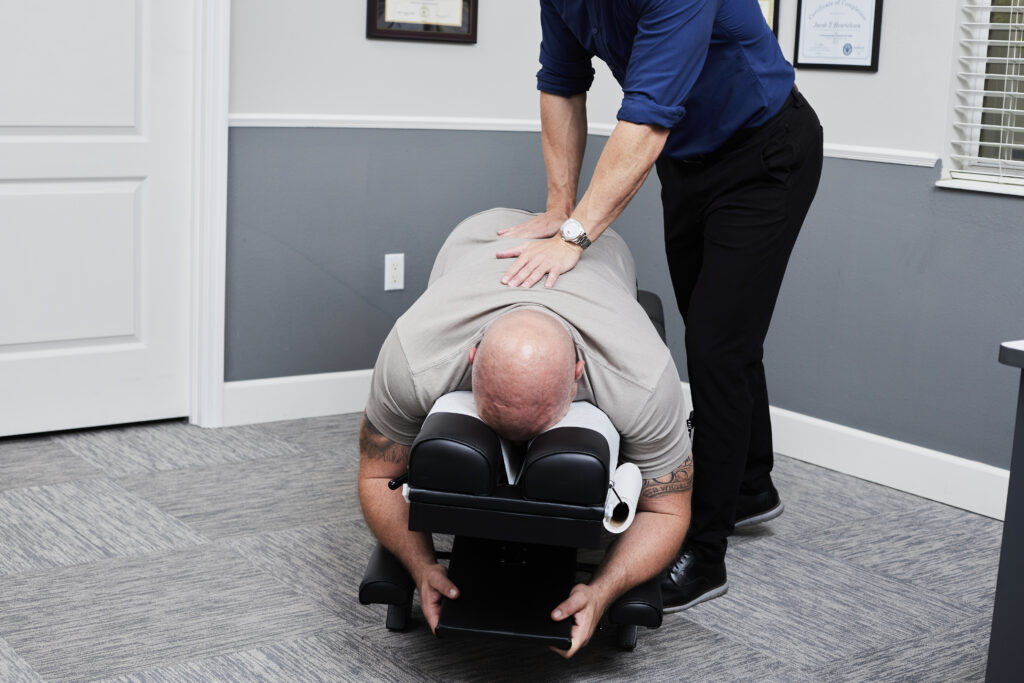
One common technique is manual therapy, which involves hands-on manipulation of your spine and surrounding muscles. This can help improve mobility, reduce pain, and enhance circulation.
You'll also likely engage in therapeutic exercises designed to strengthen the core, improve flexibility, and promote better posture. These exercises are vital for preventing future pain.
Another technique is the use of modalities such as heat, cold, or electrical stimulation. Heat can relax tense muscles, while cold therapy can reduce inflammation.
Electrical stimulation may provide pain relief and promote muscle activation.
Your therapist might also introduce you to stretching techniques and posture training to improve your overall body mechanics.
Each of these techniques serves a specific purpose, and together, they create a thorough approach to managing your lower back pain.
Personal Progress Tracking
Tracking your progress during physical therapy is essential for achieving lasting relief from lower back pain. By monitoring your journey, you not only stay motivated but also gain insights into what works for you. Each session offers a fresh opportunity to assess your improvements and address any concerns.
Consider these key benefits of tracking your progress:
- Increased Accountability: You're more likely to stick to your regimen when you see how far you've come.
- Better Communication: Documenting your progress helps your therapist tailor your treatment plan effectively.
- Boosted Confidence: Witnessing your gradual improvements reinforces your belief that healing is possible.
- Identifying Patterns: You can pinpoint what exercises alleviate pain and which ones may require adjustments.
Incorporating Exercise Into Recovery
Incorporating exercise into your recovery is essential for healing lower back pain.
You'll want to focus on beneficial exercises, maintain consistency, and always listen to your body as you progress.
Types of Beneficial Exercises
In your journey to recover from lower back pain, engaging in specific exercises can make a significant difference. Incorporating the right movements helps strengthen your back, improve flexibility, and promote healing.
Here are some beneficial exercises you should consider:
- Gentle stretches: These help lengthen tight muscles and relieve tension, making you feel more comfortable.
- Core strengthening: Working on your core stabilizes your spine and reduces strain on your back, empowering you to move with confidence.
- Low-impact aerobic activities: Activities like walking or swimming boost circulation and enhance overall fitness while being easy on your back.
- Physical therapy exercises: A physical therapist can tailor a routine specific to your needs, ensuring you're doing the right movements safely.
Importance of Consistency
Sticking to a regular exercise routine is essential for your recovery from lower back pain. Consistency helps strengthen your muscles, improve flexibility, and enhance overall stability. When you commit to a schedule, you're not just working toward relief; you're also preventing future issues. It's easy to get discouraged, especially on tough days, but maintaining a routine can make all the difference.
Start with simple exercises that target your core and back muscles. Aim for short sessions several times a week, gradually increasing intensity as you feel more comfortable. Set realistic goals and track your progress, which can motivate you to keep going. Remember, even small improvements are steps toward recovery.
Incorporating exercise into your daily life doesn't have to feel overwhelming. You might find ways to integrate movement throughout your day, whether that's taking the stairs or stretching during breaks.
The key is to find what works for you and stick with it. This consistency not only helps alleviate pain but also fosters a positive mindset. By committing to your exercise routine, you're investing in your long-term health and well-being, making each step a part of your healing journey.
Listening to Your Body
Listening to your body is essential when incorporating exercise into your recovery from lower back pain. You need to tune in to what your body's telling you. Ignoring warning signs can lead to setbacks and increased discomfort. Start slow, and don't push yourself beyond your limits.
As you begin your journey, consider these important reminders:
- Pain isn't weakness: It's your body's way of signaling that something needs attention.
- Rest is part of progress: Sometimes, stepping back is the best way to move forward.
- Celebrate small victories: Every step you take toward recovery counts, no matter how small.
- Trust your instincts: If something doesn't feel right, don't ignore it—seek guidance.
Incorporating gentle stretches or low-impact exercises can help strengthen your back without overwhelming it. Activities like walking, swimming, or yoga can be beneficial.
Always prioritize your comfort and adjust as needed. Remember, recovery isn't a race; it's a personal journey. By listening to your body, you'll not only enhance your recovery but also build a stronger, healthier foundation for your future.
Exploring Alternative Therapies
When it comes to managing lower back pain, many people are turning to alternative therapies for relief. You might find options like acupuncture, chiropractic care, and massage therapy effective in easing discomfort. Each therapy has its unique approach, and exploring these can help you discover what works best for your body.
Acupuncture, for example, involves inserting thin needles into specific points on your body. This ancient practice aims to balance energy flow and alleviate pain. Many people report significant improvements in their lower back pain after a few sessions. It's worth considering if you're open to trying something new.
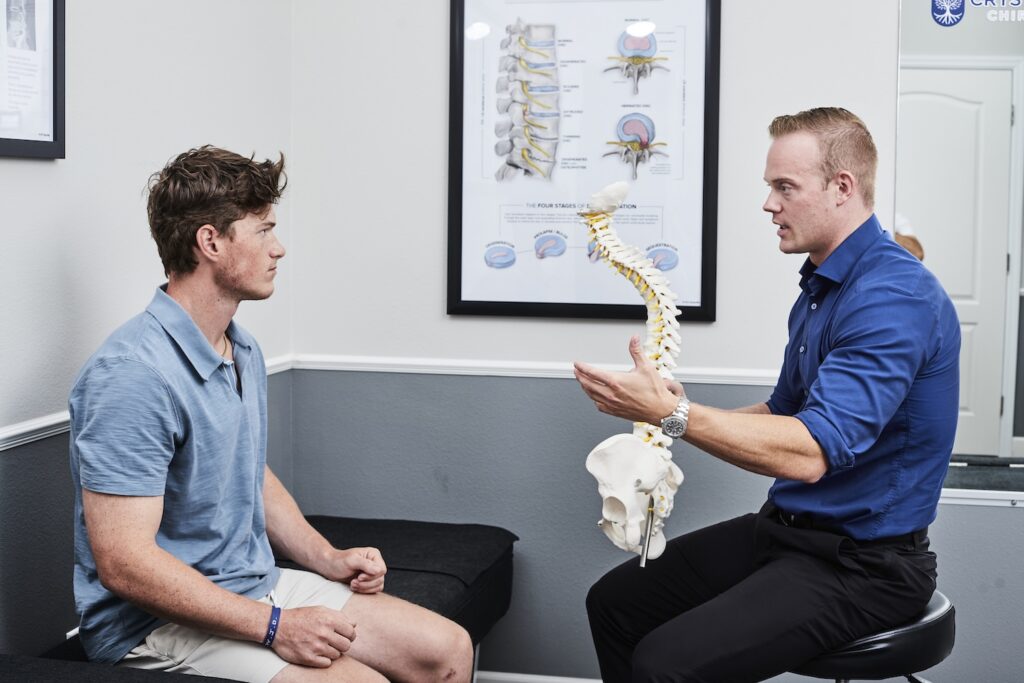
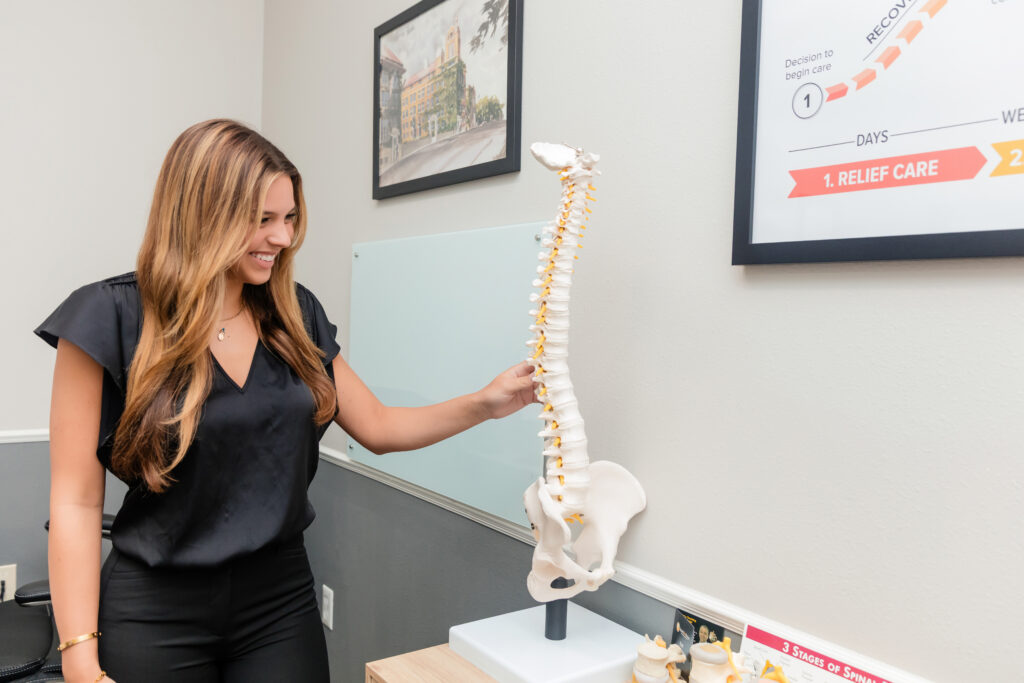
Chiropractic care focuses on spinal manipulation to improve alignment and function. Visiting a chiropractor can help reduce pain and enhance mobility. They'll assess your spine and create a tailored treatment plan, which may include exercises and lifestyle recommendations. If you prefer hands-on techniques, this could be a suitable option.
Massage therapy is another excellent choice. It promotes relaxation and increases blood circulation, which can aid in healing. Whether you opt for deep tissue, Swedish, or sports massage, the right therapist can work on the tense muscles surrounding your spine, providing immediate relief.
As you explore these alternative therapies, keep an open mind and listen to your body. It may take some trial and error to find the right fit for you, but the journey towards relief can be worthwhile.
Don't hesitate to consult healthcare professionals to guide you in making informed decisions.
Mindset and Mental Health
Many people underestimate the impact of mindset and mental health on managing lower back pain. Your mental state can greatly influence how you perceive and cope with discomfort. When you're feeling anxious or depressed, pain can intensify, making it harder to engage in daily activities.
It's essential to recognize that your thoughts can either hinder or help your healing journey.
Here are some emotional triggers to reflect on:
- Fear of Movement: Worrying about exacerbating your pain can lead to inactivity, which may worsen your condition.
- Negative Self-Talk: Constantly telling yourself you'll never heal can create a self-fulfilling prophecy.
- Isolation: Feeling alone in your pain can amplify feelings of despair and hopelessness.
- Resilience: Embracing a positive mindset can empower you to take control of your healing journey.
Cultivating a healthier mindset involves focusing on self-compassion and patience. Instead of viewing your pain as a limitation, try to see it as a challenge to overcome.
Mindfulness practices, such as meditation and deep breathing, can help you stay present and reduce anxiety. Engage in positive affirmations that remind you of your strength and resilience.
Surround yourself with supportive people who uplift you rather than dwelling on negativity.
Maintaining Long-Term Relief
A positive mindset can set the stage for maintaining long-term relief from lower back pain. You've already made significant progress, and it's important to build on that foundation. Regularly practicing mindfulness and gratitude can keep your spirits high, which in turn can help you manage any recurring discomfort more effectively.
Incorporating daily movement is essential. Aim for low-impact exercises like walking, swimming, or yoga. These activities not only strengthen your back but also improve flexibility. Create a consistent routine that fits into your lifestyle, making it easier to stick with.
Don't forget to listen to your body; if something doesn't feel right, adjust your approach accordingly.
Ergonomics play a critical role in your everyday life. Whether you're working at a desk or lifting heavy objects, being mindful of your posture can prevent unnecessary strain on your back. Invest in supportive furniture and learn proper lifting techniques to protect your spine.
Nutrition can't be overlooked, either. A balanced diet rich in anti-inflammatory foods can help reduce pain and promote healing. Stay hydrated and consider supplements if needed after consulting with a healthcare professional.
Lastly, don't hesitate to seek support. Whether it's a physical therapist, chiropractor, or a support group, connecting with others can provide valuable insights and encouragement.
Conclusion
In your journey to healing lower back pain, you've discovered the power of a holistic approach. By combining physical therapy, gentle exercises, and mindfulness, you can regain strength and mobility. Remember, it's not just about physical recovery; nurturing your mental health plays an essential role, too. Keep embracing positive affirmations and support from loved ones. As you maintain your commitment to these practices, you'll enjoy lasting relief and a better quality of life. Stay resilient!