When you're dealing with a sports injury, finding the right path to recovery can feel overwhelming. You might wonder about the most effective treatments or if your rehabilitation plan truly addresses your unique needs. Early intervention is essential, but understanding the role of tailored care is equally important. By exploring innovative therapies and holistic approaches, you can enhance your recovery process considerably. So, what are the key strategies that can help you bounce back stronger and more resilient?
Understanding Common Sports Injuries
Recognizing common sports injuries is essential for any athlete looking to stay in the game. Whether you're a weekend warrior or a seasoned pro, knowing the most frequent injuries can help you identify issues early.
Strains and sprains are among the most prevalent, often resulting from overexertion or improper techniques. A muscle strain occurs when fibers stretch too far, while a sprain affects ligaments, which support your joints.
Another common injury is tendonitis, where tendons become inflamed due to repetitive stress. This often happens in sports that require repetitive motions, like running or swimming. If you notice pain and swelling in areas around your joints, you might be dealing with tendonitis.
Fractures, though less common, are serious injuries that can sideline you for an extended period. They usually result from falls or direct impacts. If you experience severe pain, swelling, or an inability to use the injured area, it's vital to seek help immediately.
Lastly, don't overlook the risk of concussions, especially in contact sports. Symptoms like headaches, dizziness, or confusion can indicate a concussion, which requires immediate attention.
Staying informed about these injuries can help you recognize symptoms and take appropriate action. By understanding the risks, you'll improve your chances of a quicker recovery and get back to doing what you love.
Importance of Early Intervention
Prompt attention to injuries can make all the difference in your recovery and overall performance. When you sustain an injury, you might be tempted to push through the pain or wait it out, thinking it'll resolve on its own. However, delaying treatment can lead to complications that extend your downtime and hinder your ability to return to your sport at full strength.
Early intervention helps you address the root cause of your injury rather than just the symptoms. By seeking care right away, you reduce the risk of worsening the condition. For instance, a small strain can develop into a more severe tear if left untreated, leading to a longer recovery period. By acting quickly, you can often opt for less invasive treatments, which can be more effective in the long run.
Moreover, addressing injuries early can also help maintain your overall fitness levels. A quick diagnosis and treatment plan allows you to engage in alternative training methods that keep you active while your injury heals. This not only helps maintain your strength but also keeps your mental game sharp.
Lastly, early intervention fosters a better understanding of your body. You'll learn to recognize early signs of injury and understand how to respond appropriately, which can enhance your overall athletic longevity.
Ultimately, prioritizing prompt care guarantees you're not sidelined longer than necessary and can continue enjoying the sport you love. Don't underestimate the importance of acting fast—it's vital for your recovery and performance.
Role of Physical Therapy
Physical therapy plays an essential role in your recovery journey after a sports injury. It's not just about healing; it's about regaining strength, flexibility, and mobility. When you engage in physical therapy, you're taking proactive steps to guarantee a successful return to your favorite sport.
Here are three key benefits of physical therapy that you should know:
- Personalized Treatment Plans: Your therapist will assess your specific injury and develop a tailored plan that fits your needs. This individualized approach helps target the right areas for recovery and makes your rehabilitation process more effective.
- Pain Management: Physical therapists utilize various techniques, including manual therapy, modalities like heat or ice, and exercises to alleviate pain. This focus on pain management not only enhances your comfort but also encourages you to engage in rehabilitation exercises sooner.
- Prevention of Future Injuries: A fundamental aspect of physical therapy is education. Your therapist will teach you about body mechanics and proper techniques to avoid re-injury. Understanding how to protect your body can considerably reduce the risk of future problems.
Incorporating physical therapy into your recovery plan can greatly influence your healing process.
Innovative Treatment Options
Exploring innovative treatment options can greatly enhance your recovery from sports injuries. When traditional methods fall short, you might find yourself looking for alternatives that speed up healing and improve your performance. One promising approach is regenerative medicine, which includes techniques like platelet-rich plasma (PRP) therapy. This method uses your own blood components to promote healing in damaged tissues, effectively reducing downtime.
Another exciting option is the use of cryotherapy. By exposing your body to extremely cold temperatures, you can reduce inflammation and pain, allowing for a quicker return to activity. It's a favorite among athletes who often deal with muscle soreness and fatigue after intense training sessions.
You might also want to explore dry needling, which targets trigger points within muscles to alleviate pain and improve mobility. This technique can be particularly effective for overuse injuries common in sports. Similarly, electrical stimulation therapies can enhance muscle recovery by promoting blood flow and reducing muscle spasms.
Additionally, virtual reality (VR) technology is making waves in rehabilitation. VR can simulate various athletic scenarios, helping you regain confidence and improve coordination without the risk of re-injury.
Finally, wearable technology can track your progress and provide real-time feedback, allowing you to adjust your training regimen based on your body's needs. By exploring these innovative options, you can take charge of your recovery and get back to doing what you love sooner.
Rehabilitation Techniques Explained
After considering innovative treatment options, understanding effective rehabilitation techniques is key to maximizing your recovery from sports injuries.
These techniques can help restore strength, flexibility, and functionality, allowing you to return to your sport as quickly and safely as possible. Here are three essential rehabilitation techniques you should know:
1. Therapeutic Exercises: Engaging in targeted exercises under professional guidance is imperative. These exercises help rebuild strength and endurance in the injured area while promoting overall physical fitness.
A physical therapist can design a personalized program that gradually increases in intensity as you progress.
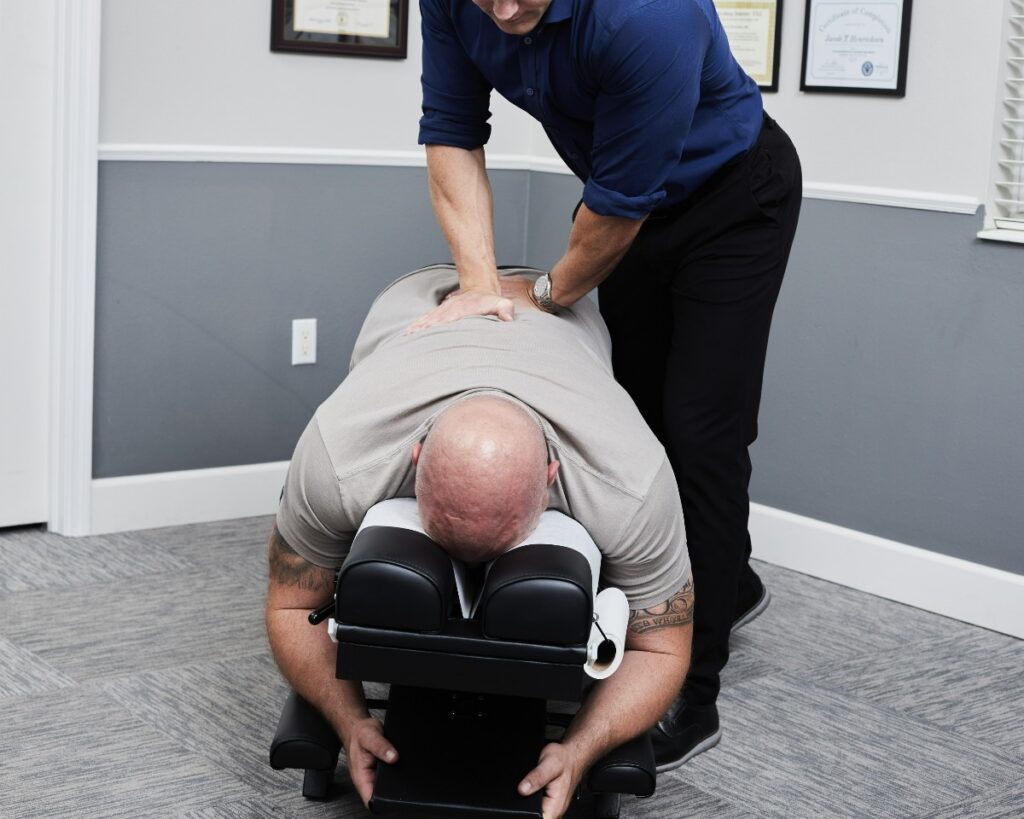
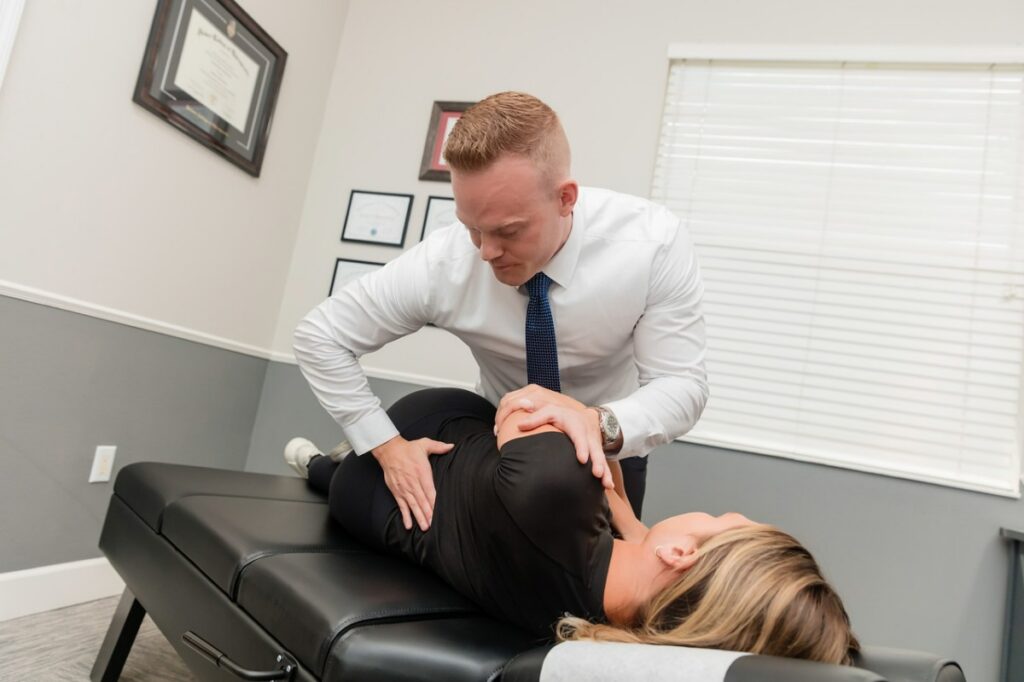
2. Manual Therapy: This hands-on approach involves techniques like massage and joint mobilization, which can alleviate pain and improve range of motion.
A skilled therapist will manipulate soft tissues and joints to enhance circulation and reduce stiffness, helping you feel more comfortable during your recovery.
3. Modalities: Utilizing modalities such as heat, cold, ultrasound, or electrical stimulation can support your rehabilitation process.
These methods can reduce swelling, relieve pain, and promote healing. Your therapist will determine which modalities are best suited for your specific injury.
Incorporating these rehabilitation techniques into your recovery plan won't only address your current injury but also lay the groundwork for long-term athletic performance.
Preventative Care Strategies
To keep injuries at bay, you need to prioritize preventative care strategies.
Incorporating effective warm-up routines, embracing cross-training, and using the right equipment can make all the difference in your performance and safety.
Let's explore how each of these elements plays an essential role in your athletic journey.
Warm-Up Routines Importance
A proper warm-up routine is essential for athletes at all levels, as it prepares your body for the physical demands of sports. Skipping this vital step can lead to injuries and decreased performance.
By taking the time to warm up, you enhance your flexibility, increase blood flow to your muscles, and mentally prepare for competition.
Here are three key components of an effective warm-up routine:
- Dynamic Stretching: Incorporate movements that mimic the activity you're about to perform. This could include leg swings, arm circles, and torso twists to increase your range of motion.
- Gradual Increase in Intensity: Start with low-intensity activities, like jogging or brisk walking, and progressively increase the intensity. This helps your heart rate rise and readies your body for more strenuous efforts.
- Sport-Specific Drills: Engage in drills that are specific to your sport. Whether it's dribbling for basketball or passing for soccer, these activities help reinforce muscle memory and focus your mind.
Cross-Training Benefits
Incorporating cross-training into your routine can greatly enhance your athletic performance while reducing the risk of injury. By engaging in different activities, you'll strengthen various muscle groups, improving your overall fitness and resilience. For instance, if you're a runner, adding swimming or cycling can provide a low-impact way to boost your endurance without putting excessive strain on your joints.
Cross-training also helps prevent overuse injuries. When you focus solely on one sport, certain muscles and joints may become fatigued or stressed, leading to potential injuries. By mixing in different workouts, you allow those overworked areas to recover while still maintaining your fitness level.
Additionally, cross-training can keep your workouts fresh and engaging. This variety not only helps you avoid burnout but also keeps your motivation high. You're more likely to stick with your training program if you enjoy what you're doing.
Lastly, it builds your athletic skills. Engaging in diverse activities enhances your coordination, balance, and agility, making you a more well-rounded athlete.
Proper Equipment Usage
Using the right equipment is just as important as varying your workouts. Proper gear not only enhances your performance but also helps prevent injuries.
Whether you're running, cycling, or playing a team sport, ensuring your equipment fits well and suits your activity is essential. Here are three key points to take into account for proper equipment usage:
- Fit Matters: Always choose equipment that fits your body. Ill-fitting shoes or gear can lead to discomfort and increased risk of injury. Make sure to try on items before purchasing.
- Regular Maintenance: Check your gear regularly for wear and tear. For instance, inspect your bike tires, running shoes, or protective equipment like pads and helmets. Replace anything that's damaged or worn out.
- Educate Yourself: Understand how to use your equipment properly. Whether it's adjusting your bike seat or lacing your shoes correctly, knowing how to use your gear can greatly reduce the risk of injury.
Nutrition for Recovery
Nutrition plays an essential role in your recovery after a sports injury. The right nutrients can support healing, reduce inflammation, and help you regain strength.
First, focus on protein. It's critical for repairing damaged tissues and muscles. Incorporate lean meats, fish, dairy, legumes, and nuts into your meals. Aim for a good source of protein with every meal and snack.
Next, don't overlook the importance of carbohydrates. They're your body's primary energy source, especially when you're recovering and may not be as active. Whole grains, fruits, and vegetables provide not just energy but also essential vitamins and minerals that aid recovery.
Healthy fats also play an important role. Incorporate sources like avocados, olive oil, and fatty fish, which contain omega-3 fatty acids known for their anti-inflammatory properties. Reducing inflammation can speed up your recovery process.
Hydration is equally significant. Staying adequately hydrated helps maintain cellular function and supports overall recovery. Aim to drink plenty of water throughout the day, and consider electrolyte-rich beverages if you're sweating more than usual.
Lastly, don't forget about micronutrients. Vitamins C and D, along with zinc, can boost your immune system and promote healing. Include a variety of colorful fruits and vegetables in your diet to guarantee you're getting a range of these essential nutrients.
Mental Health Considerations
Injuries can take a heavy emotional toll on you, affecting not just your physical health but your mental well-being as well.
It's essential to recognize these feelings and develop effective coping strategies to navigate this challenging time.
Emotional Impact of Injury
Experiencing a sports injury can greatly impact your emotional well-being, often leading to feelings of anxiety, depression, and isolation.
You might find yourself struggling to cope with the sudden change in your routine and identity as an athlete. It's vital to recognize how these feelings can emerge and affect various aspects of your life.
Here are three common emotional responses you may encounter:
- Anxiety: The uncertainty about your recovery timeline can create stress, making you worry about missed opportunities or the risk of re-injury.
- Depression: Losing the ability to participate in a sport you love can lead to feelings of sadness or hopelessness, making it hard to find motivation in daily activities.
- Isolation: Injuries can distance you from teammates and friends, leading to feelings of loneliness as you miss out on social interactions and team dynamics.
Acknowledging these emotional impacts is important.
By understanding what you're experiencing, you can better address your feelings and seek support.
Coping Strategies for Athletes
Coping with the emotional toll of a sports injury is crucial for your recovery and overall mental health. You might feel frustration, sadness, or even anger as you navigate this challenging time. It's important to acknowledge these feelings rather than suppress them. Talk to teammates, coaches, or a mental health professional who understands the athlete's perspective. Sharing your struggles can lighten the emotional burden.
Establishing a routine can also help restore a sense of normalcy. Focus on aspects of your training that aren't affected by the injury, like strength training or flexibility exercises. This keeps you engaged and motivated. Additionally, set small, achievable goals to maintain a sense of accomplishment.
Mindfulness practices, such as meditation or deep breathing exercises, can reduce anxiety and improve your mental resilience. Visualizing your recovery and future successes can also be a powerful tool; it keeps your spirits high and reinforces your determination.
Finally, don't hesitate to lean on your support system. Friends, family, and fellow athletes can provide encouragement and understanding, reminding you that you're not alone in this journey. Embracing these coping strategies can make a significant difference in your mental well-being and recovery.
When to Seek Professional Help
Knowing when to seek professional help can make a significant difference in your recovery from a sports injury. While it's tempting to push through the pain or rely on home remedies, some situations require expert evaluation and treatment.
Understanding the signs can prevent further damage and expedite your healing process.
Here are three key indicators that it's time to consult a professional:
1. Persistent Pain: If you experience ongoing pain that doesn't improve with rest or over-the-counter medication, it's essential to seek help.
Pain that intensifies with activity or doesn't subside can indicate a more severe injury.
2. Swelling and Bruising: Noticeable swelling or bruising around the injured area may signal a serious issue.
If the swelling doesn't go down within a few days or if it worsens, a professional evaluation is necessary to rule out fractures or ligament damage.
3. Reduced Mobility: If you find it difficult to move the injured body part or if you can't bear weight on it, don't hesitate to reach out for professional assistance.
A healthcare provider can assess the extent of your injury and recommend an appropriate treatment plan.
Success Stories and Testimonials
Many athletes find inspiration in success stories and testimonials from those who've overcome sports injuries. These narratives often highlight the resilience, determination, and effective treatment strategies that can lead you back to the game. Hearing how others have triumphed over similar challenges can ignite hope when you're faced with your own injury.
Take Sarah, for example, a competitive runner who faced a severe ankle sprain. Initially, she felt defeated, but after seeking professional advice and following a tailored rehabilitation program, she gradually regained her strength.
Sarah's journey back to running not only inspired her but also encouraged many in her community to prioritize their recovery.
Then there's Marcus, a basketball player who suffered a torn ACL. His story emphasizes the importance of patience and commitment to rehabilitation.
By diligently following his physical therapist's guidance, Marcus not only returned to the court but also improved his game. His friends often share how they were motivated by his progress, realizing that recovery is a journey worth taking.
These success stories remind you that setbacks can turn into comebacks. They reinforce the idea that with the right support, dedication, and a solid recovery plan, you can overcome your injury.
Conclusion
Injuries don't have to sideline you for long. By understanding your injury, seeking early intervention, and engaging in tailored physical therapy, you can pave the way to a strong recovery. Embrace innovative treatments and prioritize your mental health for a holistic approach. Remember, the journey to recovery is just as important as the destination, and with the right support, you'll be back in action, stronger and more resilient than ever. Don't hesitate to reach out for help when you need it!