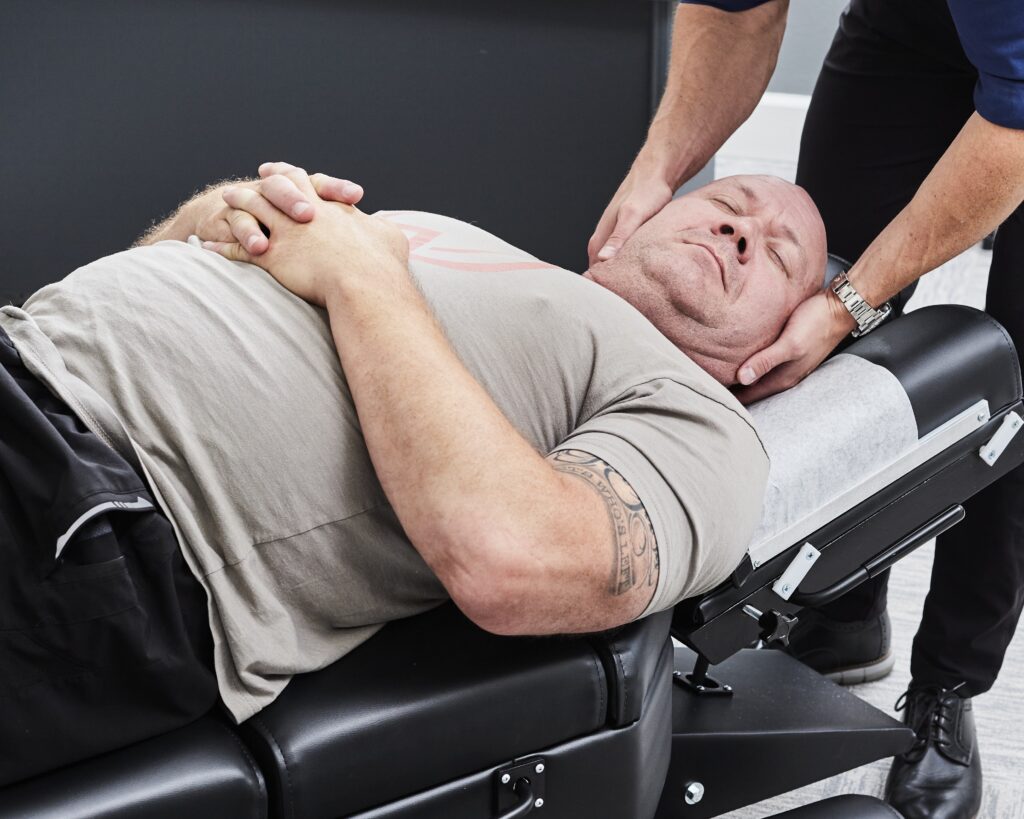
As a local chiropractor, I want to shed light on a common issue that many of you may experience—back pain. This discomfort can significantly interfere with your daily activities, but the good news is that there are proactive measures you can take to alleviate and prevent it. By incorporating essential exercises into your routine, you can actively support your back health.
Focusing on core strengthening, flexibility routines, and maintaining proper posture are crucial elements in this journey. If you’re wondering which specific exercises can have the most positive impact on your back, I’m here to guide you. Together, we can explore effective strategies that will help keep your back strong and pain-free, enhancing your overall well-being through natural healing. Let’s take these steps toward a healthier, more comfortable life!
Understanding the Importance of Back Health
As a local chiropractor, I want to emphasize just how crucial back health is for your overall well-being. Many people often overlook their spine, but it truly serves as the foundation of your body. Your spine not only supports your structure but also enables you to move with ease, making it vital for your daily activities.
When back health is neglected, it can lead to discomfort, stiffness, and limited mobility. It’s essential to understand that ensuring a healthy back goes beyond simply avoiding pain—it’s a key aspect of your overall wellness.
Strong back muscles are fundamental to maintaining proper posture, which helps to alleviate unnecessary strain on your spine. This becomes increasingly important if you find yourself sitting or standing for extended periods.
A healthy back also plays a significant role in improving your balance, reducing the risk of falls and injuries. Moreover, when you focus on maintaining your back health, you’ll likely notice enhancements in your athletic performance and an increase in your overall energy levels.
In chiropractic care, we prioritize natural healing methods that can strengthen your back and promote optimal health. By understanding the importance of your spine and taking proactive steps to care for it, you can enjoy a more active, pain-free life.
Stretching Exercises for Flexibility
As a local chiropractor, I want to emphasize the importance of flexibility and its role in preventing back pain. Incorporating stretching exercises into your daily routine can significantly enhance your spinal health.
One effective stretch to start with is the cat-cow stretch, which helps to improve flexibility in your spine. To perform this stretch, get on all fours and begin by arching your back upwards like a cat, then gently drop your belly while lifting your head. Hold each position for a few seconds to really feel the stretch.
Another great stretch is the standing hamstring stretch. Stand tall, and as you bend at your hips, reach down towards your toes while keeping your knees slightly bent. This stretch is particularly beneficial as it helps release tension in the lower back.
Don’t overlook the seated forward bend either. Sit with your legs extended in front of you, then reach forward to grab your feet or shins. This will help lengthen your spine and improve overall flexibility.
Lastly, I recommend including the child’s pose in your routine. To do this, kneel down and sit back on your heels, then stretch your arms forward on the ground. This pose not only relaxes your back but also promotes a sense of calm.
As you engage in these stretches, remember to breathe deeply. This practice not only enhances relaxation but also significantly contributes to your flexibility and overall back health.
Embracing these natural methods can be a great way to support your body and maintain a pain-free lifestyle.
Strengthening the Core Muscles
As a local chiropractor, I want to emphasize the importance of strengthening your core muscles in addition to maintaining flexibility for optimal spinal health.
A robust core is vital for stabilizing your spine, improving your posture, and enhancing your balance, all of which can significantly reduce your risk of injury and back pain.
To help you effectively strengthen your core, I recommend incorporating the following exercises into your routine:
- Planks: Begin by holding a plank position for 20-30 seconds. As your strength improves, gradually increase the duration. This exercise helps to engage multiple muscle groups, providing excellent support for your spine.
- Bird-Dogs: Start on all fours and extend one arm while stretching the opposite leg out behind you. Hold this position briefly before switching sides. This exercise not only enhances your core stability but also improves your overall coordination.
- Russian Twists: Sit on the floor with your knees bent and lean back slightly. Twist your torso side to side, either holding a weight or keeping your hands together. This movement specifically targets your oblique muscles, contributing to a stronger core.
Incorporating these exercises into your daily routine can create a strong foundation for your spine and help prevent discomfort in the future.
Proper Posture Techniques
As a local chiropractor, I want to emphasize the importance of maintaining proper posture for your overall spinal health and to help prevent back pain. Many of you may not be familiar with how simple adjustments to your posture can make a significant difference in how you feel on a daily basis.
When you’re sitting, standing, or moving, remember to keep your shoulders back and ensure that your head stays aligned with your spine. It’s crucial that your ears are positioned directly over your shoulders and that your hips are aligned with your knees, whether you’re at your desk or out for a walk.
If you find yourself sitting for extended periods, it’s vital to choose a chair that provides adequate support for your lower back. Be sure to keep your feet flat on the ground and maintain your knees at a right angle.
When lifting objects, always bend from your knees rather than your waist, and hold the item close to your body to minimize strain on your back.
I encourage you to regularly check in with your posture, especially during long activities. A small adjustment can have a profound impact on your comfort and well-being.
Low-Impact Aerobic Exercises
As a local chiropractor, I want to share the benefits of low-impact aerobic exercises for your overall health, particularly for strengthening your back while reducing strain.
Incorporating activities like walking, swimming, or cycling into your routine can significantly enhance your well-being. These exercises not only promote cardiovascular fitness but also support spinal health, which is crucial for maintaining proper alignment and reducing discomfort.
To experience the greatest benefits, I encourage you to establish a consistent exercise routine that aligns with your lifestyle.
Together, we can work towards a healthier, pain-free future!
Benefits of Aerobic Exercise
As a local chiropractor, I want to emphasize the importance of incorporating aerobic exercises into your routine for overall health, especially for those of you who may not be familiar with chiropractic care or natural healing methods.
Aerobic activities can be a gentle yet effective way to enhance your well-being while being easy on your joints.
- Improved cardiovascular health: Engaging in aerobic exercises can significantly enhance your blood circulation and strengthen your heart. This not only helps deliver essential oxygen and nutrients to your muscles but also promotes overall health, which is crucial for maintaining spinal alignment and reducing discomfort.
- Weight management: Regular participation in aerobic activities is an effective strategy for burning calories, which can help you achieve or maintain a healthy weight. This is particularly important as excess weight can place additional strain on your back, leading to discomfort and misalignments that I often see in my practice.
- Increased flexibility and endurance: Low-impact aerobic exercises can greatly improve your flexibility and stamina. This is key to making daily movements easier and less taxing on your body, reducing the risk of injury and supporting a healthy spine.
I encourage you to embrace low-impact aerobic exercises as part of your wellness routine.
Not only will you enjoy these benefits, but you’ll also be taking proactive steps to protect your back from pain and enhance your overall health.
Recommended Low-Impact Activities
As your local chiropractor, I want to emphasize the importance of incorporating low-impact activities into your daily routine. These activities can play a crucial role in improving your overall health and preventing back pain. Simple exercises such as walking, swimming, and cycling are excellent options. They’re gentle on your joints while still providing the aerobic benefits that are vital for your body’s health.
I also encourage you to explore yoga or Pilates. These practices not only enhance your flexibility but also strengthen your core, which is essential for maintaining proper back support.
Water aerobics is another fantastic choice; the buoyancy of water helps alleviate strain on your spine, making it a safe and effective way to stay active.
Even dancing can be a delightful way to keep moving without the harsh impacts associated with high-intensity workouts. By choosing these low-impact exercises, you’re not just protecting your back; you’re also enhancing your overall fitness and well-being.
Frequency and Duration Guidelines
As a local chiropractor, I want to share some important insights on how to prevent back pain and enhance your overall health through a consistent routine of low-impact exercises. Incorporating these activities into your weekly routine can significantly support your back health and overall well-being.
- Frequency: I recommend engaging in at least 150 minutes of moderate aerobic activity each week. This can be broken down into manageable sessions of 30 minutes, spread over five days. Consistency is key to reaping the benefits.
- Duration: Each exercise session should ideally last between 30 to 60 minutes. This duration allows your body the time it needs to adapt and strengthen gradually, which is crucial for maintaining a healthy spine.
- Intensity: Focus on keeping the intensity low to moderate. Activities such as walking, swimming, or cycling are excellent choices. These exercises help elevate your heart rate without putting excessive strain on your back, promoting a sustainable approach to fitness.
Remember, investing time in these activities not only aids in preventing back pain but also contributes to your overall health.
Embracing a holistic approach to wellness can enhance your quality of life. If you have any questions or need guidance on starting an exercise routine, feel free to reach out!
Yoga Poses for Back Pain Relief
As a local chiropractor, I want to share some insights on how yoga can be a transformative tool for those experiencing back pain. Many of my patients are often surprised to learn that specific yoga poses can effectively stretch and strengthen the back, while also enhancing overall flexibility.
In this discussion, I’ll highlight some key poses, explain their benefits, and offer tips to help you safely incorporate them into your routine for optimal relief and healing. Embracing these practices can complement chiropractic care and promote a holistic approach to your well-being.
Key Poses Overview
As a local chiropractor, I understand that many of you may experience back pain at some point in your lives.
It’s important to know that incorporating specific yoga poses into your routine can significantly alleviate discomfort and promote healing. These poses aren’t only beneficial for strengthening your back but also for enhancing flexibility.
Here are three essential poses I encourage you to try:
- Child’s Pose: This gentle stretch is excellent for releasing tension in your back and hips. It encourages relaxation and helps to soothe discomfort.
- Cat-Cow Stretch: This dynamic movement is fantastic for warming up the spine. It improves mobility and alleviates stiffness, making it an ideal addition to your daily routine.
- Downward-Facing Dog: This full-body stretch not only strengthens your back and hamstrings but also lengthens your spine. It promotes overall body awareness and helps in maintaining good posture.
By integrating these key yoga poses into your lifestyle, you can support your body’s natural healing process and enhance your overall well-being.
Benefits of Stretching
As a local Chiropractor, I want to share with you the incredible benefits of incorporating stretching through yoga poses into your daily routine, especially for those dealing with back pain.
These stretches can enhance your flexibility, allowing your muscles and joints to move more freely. This increased range of motion is essential in alleviating tension and discomfort in your back.
Moreover, practicing yoga helps improve your posture, which is crucial in preventing future pain. As you engage in these poses, you’ll also focus on mindful breathing, which can significantly reduce stress and promote relaxation—two factors that contribute to back tension.
Regular stretching strengthens the muscles that support your spine, leading to better stability and less strain on your back.
By embracing these practices, you can build a more resilient back, enabling you to enjoy your daily activities without discomfort.
Tips for Practice
Incorporating a few essential yoga poses into your daily routine can greatly aid in alleviating back pain. As a chiropractor, I often recommend these poses to my patients to enhance flexibility, strengthen core muscles, and promote relaxation naturally.
Here are some key poses to get you started on your journey to better back health:
- Cat-Cow Stretch: This dynamic movement helps to warm up your spine and release tension, making it an excellent choice for those experiencing discomfort.
- Child’s Pose: A gentle stretch that not only relaxes the back but also encourages deep, calming breaths, helping to reduce stress levels.
- Downward-Facing Dog: This pose is fantastic for elongating the spine while simultaneously strengthening the back muscles, providing support for your overall posture.
I recommend holding each pose for at least 30 seconds while focusing on your breath.
Consistency is crucial; dedicating time each day to practice these poses can lead to lasting relief and improved spinal health.
Resistance Training for a Stronger Back
As a local chiropractor, I want to emphasize the importance of resistance training in building a stronger back and preventing pain. Engaging in exercises that specifically target your back muscles is crucial for not only enhancing strength but also improving your posture and stability.
I recommend starting with bodyweight exercises such as planks and bridges, which activate your core and lower back. As you become more comfortable, you can introduce resistance using dumbbells or resistance bands.
Exercises like bent-over rows and deadlifts are particularly effective for building strength in both your upper and lower back. To reap the benefits, aim for two to three training sessions each week, ensuring you focus on different muscle groups each time.
Remember to always warm up before starting to reduce the risk of injury. It’s vital to pay close attention to your form. Using improper technique can lead to strain, which is something we want to avoid.
Gradually increasing the weight as your strength improves can help challenge your muscles while maintaining safety. Consistency in your training routine is essential—this won’t only support your daily activities but also significantly reduce the chances of discomfort or injury in the long run.
Techniques for Safe Lifting
As a local Chiropractor, I often emphasize the importance of building a strong back through resistance training to ensure safe lifting practices. When you lift heavy objects, using the right techniques is crucial to prevent injury and maintain spinal health.
Here are some essential strategies I recommend for my patients:
- Bend at Your Hips and Knees: Rather than bending at your waist, focus on squatting down by bending your hips and knees. This not only keeps your back straight but also significantly reduces the strain on your spine.
- Keep the Load Close: It’s vital to hold the object as close to your body as possible. This practice helps you maintain your balance and minimizes the stress placed on your back, promoting better posture and alignment.
- Engage Your Core: Before you lift, tighten your abdominal muscles. This action provides additional support to your spine, helping to protect it from injury during the lifting process.
By incorporating these techniques into your everyday lifting habits, you can enhance your overall spinal health and prevent potential injuries.
Daily Habits to Support Back Health
As a local chiropractor, I want to emphasize how your daily habits significantly influence your back health. It’s essential to be aware of your posture throughout the day. Whether you’re seated at a desk or waiting in line, maintaining proper spinal alignment and keeping your shoulders back can make a world of difference.
Taking regular breaks to stretch and move is equally important. Prolonged sitting can lead to muscle tightness and discomfort, so set reminders to get up and move around. Incorporating core-strengthening exercises into your routine is crucial as well; a strong core provides vital support for your back.
When you walk, choose supportive shoes that cushion your feet and encourage proper alignment. Your sleep environment matters too; ensure that your mattress and pillows offer the right kind of support for a good night’s rest.
Don’t forget about hydration! Drinking plenty of water helps keep your spinal discs healthy and functioning optimally.
Lastly, be mindful of repetitive motions and always listen to your body—if something doesn’t feel right, it’s okay to take a step back.
Implementing these small changes into your daily routine can lead to significant improvements in your back health over time. As a chiropractor, I’m here to support you on your journey to natural healing and overall wellness.
When to Seek Professional Help
As a local chiropractor, I understand that many people may not be familiar with the benefits of chiropractic care and natural healing.
Even if you’re maintaining good daily habits, there may come a time when back pain persists or intensifies. Ignoring these warning signs can lead to more significant issues in the future.
Here are some important indicators that it’s time to consult a healthcare provider, such as a chiropractor:
- Persistent pain: If your back pain lingers for more than a few days or keeps recurring, it’s crucial to have it assessed. Chiropractic care can help identify the root cause and provide effective treatment.
- Radiating discomfort: If you experience pain that travels down your legs or arms, or if you notice numbness, this could suggest a more serious condition that may benefit from chiropractic interventions.
- Loss of function: Struggling to perform daily tasks or experiencing weakness in your limbs are significant signs that shouldn’t be ignored. Seeking chiropractic care can help restore your function and improve your overall quality of life.
Don’t wait until the pain becomes overwhelming. Taking proactive steps by consulting a chiropractor sooner rather than later can help prevent further complications and get you back on track with your daily activities.
Conclusion
As a local chiropractor, I want to share with you some essential exercises and habits that can greatly improve your back health. It’s important to focus on flexibility, core strength, and maintaining proper posture. These elements not only help prevent discomfort but also enhance your overall well-being.
Incorporating low-impact exercises into your daily routine is key to staying active. Additionally, practicing safe lifting techniques can protect your back from unnecessary strain. If you ever experience persistent pain, I encourage you not to hesitate in reaching out for professional help. Remember, prioritizing your back health today will lay the groundwork for a more comfortable tomorrow. Embracing chiropractic care and natural healing can empower you to take charge of your health and well-being.