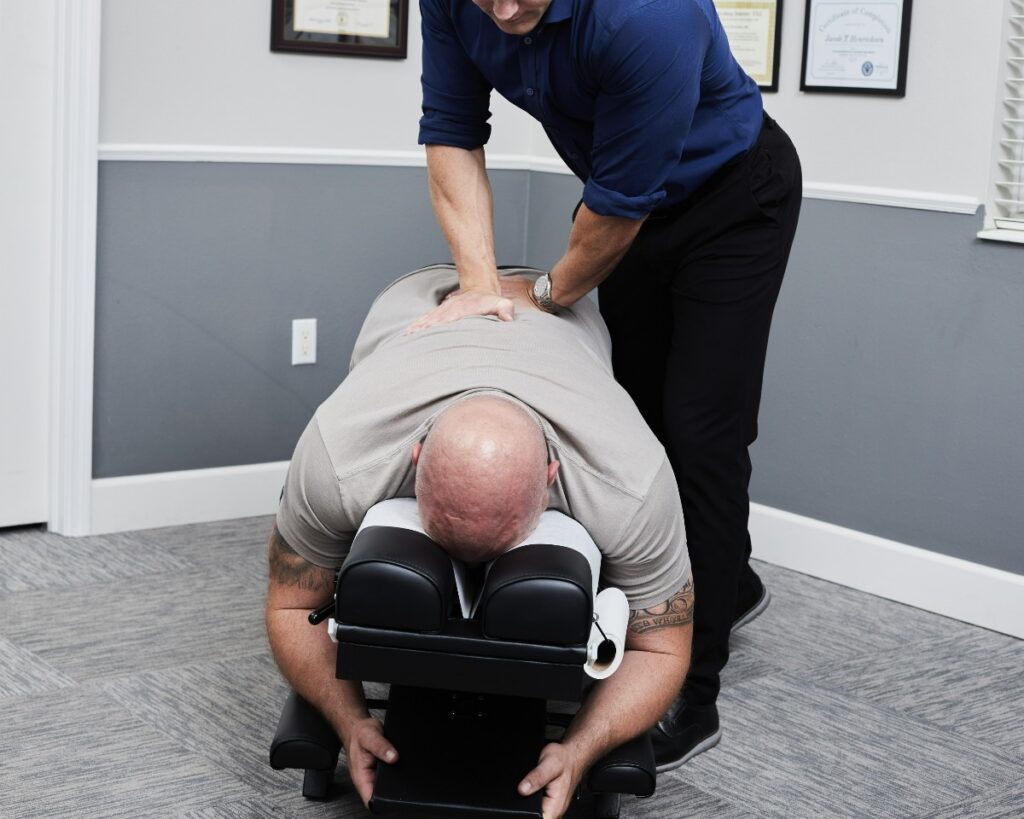
As a local chiropractor, I want to share with you how significantly your posture affects your overall health and productivity, especially in the workplace. Many people may not realize that by addressing common posture issues, you can alleviate discomfort and boost your energy levels throughout the day. Simple adjustments to your workspace can lead to remarkable improvements in how you feel and perform at work.
Transforming your work environment into one that promotes your well-being is more attainable than you might think. By exploring effective posture correction techniques, you can unlock a healthier, more engaged version of yourself. At our clinic, we focus on educating patients about the importance of posture and how it relates to natural healing. Together, we can work on strategies that support your health and enhance your daily life at work.
Understanding Posture and Health
As a chiropractor, I want to emphasize that good posture is about more than just aesthetics; it plays a crucial role in your overall health. When you adopt proper sitting or standing positions, your body aligns in a way that minimizes strain on your muscles and joints. This alignment can lead to benefits such as improved breathing, enhanced digestion, and better circulation. You mightn't be aware, but the way you carry yourself can significantly influence your energy levels throughout the day.
Consider how you feel when you slouch. Your shoulders may round forward, and your back may curve unnaturally, which can leave you feeling fatigued and sluggish. Conversely, maintaining good posture sets the stage for strength and stability. This allows your muscles to function more efficiently, leading to less fatigue and discomfort.
Beyond physical benefits, good posture can also boost your confidence. Standing tall and sitting upright not only makes you feel more self-assured, but it also projects an image of confidence to those around you. This positive perception can enhance your communication skills and improve your relationships, particularly in the workplace.
From a chiropractic standpoint, maintaining good posture is vital in preventing chronic pain and injuries, especially for those who spend long hours at a desk. By being conscious of your body position, you can avoid issues such as muscle tension and headaches.
I encourage you to incorporate regular breaks to stretch and correct your posture throughout the day; these small adjustments can make a significant impact on how you feel physically and mentally.
Common Posture Problems
As a local chiropractor, I want to bring awareness to common posture problems like slouching, hunching, and forward head posture. You mightn't realize it, but these issues can significantly impact your overall health.
Many of these problems arise from poor desk ergonomics, which not only cause discomfort but can also lead to long-term complications if left unaddressed.
It's essential to understand how these posture pitfalls affect your well-being. Poor posture can strain your muscles and joints, leading to pain and reduced mobility.
By making simple adjustments to your workspace and being mindful of your posture, you can improve your health and quality of life.
I encourage you to explore the benefits of chiropractic care and natural healing, which can help restore balance to your body and alleviate the negative effects of poor posture.
Together, we can work towards a healthier, more aligned you!
Slouching and Hunching
As a local chiropractor, I often see the effects of slouching and hunching in my patients, especially in today's fast-paced work environments.
These common posture problems can lead to discomfort and long-term health issues if left unaddressed. When you sit or stand with poor posture, your body struggles to maintain balance, resulting in unnecessary strain on your muscles and joints.
Over time, this can lead to pain and even chronic conditions that affect your quality of life.
To help you combat slouching and hunching, I'd like to share some important tips that can assist you in maintaining better posture throughout your day:
- Adjust your workstation: It's essential to ensure that your chair, desk, and computer screen are set up to promote a neutral spine. Proper ergonomics can make a significant difference in how your body feels during and after work.
- Take breaks: I recommend getting up, stretching, and moving around every hour. This helps relieve tension and gives your body a chance to reset its posture, which can prevent discomfort from building up over time.
- Strengthen your core: Incorporating exercises that target your abdominal and back muscles can provide essential support for your spine. A strong core is key to maintaining proper posture and reducing the risk of pain.
By being mindful of your posture and incorporating these strategies into your daily routine, you can improve your overall well-being and reduce the risk of future health issues.
If you have any questions or need personalized advice, feel free to reach out for a consultation. Your body will thank you!
Forward Head Posture
As a chiropractor, I often see patients who are struggling with forward head posture, a condition that frequently arises from spending extended periods hunched over screens. This posture can create significant discomfort and lead to a variety of health issues.
When your head juts forward, it disrupts the natural alignment of your spine, which can place additional strain on your neck and shoulders. This misalignment often results in pain, tension, and even headaches.
Many people with forward head posture report feeling fatigued more quickly or having trouble focusing—these are typical indicators that your posture may be contributing to your discomfort. If left unaddressed, this condition can lead to more serious problems, including chronic neck pain, limited mobility, and even nerve compression.
It's essential to identify and correct forward head posture before it escalates into more serious health concerns. One of the first steps is to regularly check your posture while you work. Aim to keep your head aligned over your spine, with your ears positioned directly above your shoulders.
Incorporating specific stretches and strengthening exercises for your neck and upper back can also be incredibly beneficial.
In addition to these exercises, consider making simple adjustments to your workspace. For instance, elevating your computer screen to eye level can help maintain proper alignment, and taking frequent breaks to move around can alleviate some of the strain.
Desk Ergonomics Issues
As a local chiropractor, I want to emphasize how crucial desk ergonomics is for your overall health and well-being, especially if you spend long hours working at a desk.
Many individuals may not realize that an improperly set up workspace can lead to significant discomfort and posture issues, which can ultimately affect your spine and overall health.
Here are some common problems to be aware of:
- Chair Height: It's essential that your chair is adjusted to the right height. If it's too high, your feet may dangle, causing strain on your legs. Conversely, if it's too low, you might press too hard against the floor, which can lead to discomfort in your lower back. A well-supported chair helps maintain the natural curve of your spine.
- Monitor Position: Your computer screen should be positioned at eye level. When a monitor is too low or too high, you may find yourself leaning forward or cranking your neck in uncomfortable ways. This misalignment can contribute to neck and back pain over time.
- Keyboard and Mouse Placement: The placement of your keyboard and mouse is also vital. If they're too far away or positioned too high, your arms may have to stretch awkwardly, leading to strain in your shoulders and wrists. Ensuring these tools are at the right height and distance helps promote a more natural posture.
By being mindful of these ergonomic factors, you can help prevent discomfort and support your body's natural alignment.
If you ever experience pain or strain, don't hesitate to reach out for a consultation. Together, we can work on strategies for better posture and overall health.
Benefits of Good Posture
As a local chiropractor, I want to emphasize that good posture isn't just about presenting yourself confidently; it plays a crucial role in your overall health and productivity. When you maintain proper alignment while sitting or standing, your body functions more efficiently. This alignment helps to alleviate unnecessary strain on your muscles and ligaments, significantly reducing the risk of discomfort and chronic pain. By prioritizing good posture, you can minimize those nagging headaches and backaches that often arise from slouching or poor alignment.
One of the lesser-known benefits of good posture is its positive effect on your breathing. Sitting up straight allows your lungs to expand fully, which enhances your oxygen intake. This boost in oxygen can lead to increased energy levels, helping you stay alert and focused throughout your day. As a result, you may find that your concentration improves, leading to greater productivity in your daily tasks.
Good posture is also essential for optimal digestion. A straight spine allows your abdominal organs to function without compression, which can facilitate better digestion. This means you can experience fewer digestive discomforts, allowing you to feel more at ease and focused while working.
Moreover, standing tall with good posture can uplift your mood and enhance your self-esteem. This simple act sends powerful signals to your brain, reinforcing feelings of confidence and control. Adopting this positive mindset can make it easier to face challenges in your work environment.
Incorporating good posture into your daily life is a fundamental aspect of natural healing that I encourage all my patients to embrace. By taking care of your posture, you're taking a significant step towards improving your overall well-being.
Posture Correction Techniques
As a local chiropractor, I want to share how you can improve your posture at work and promote overall wellness through natural techniques.
One of the first steps is to create an ergonomic office environment that naturally supports your body's alignment. This means adjusting your chair, desk, and computer setup to reduce strain.
In addition to your workspace, incorporating stretching and strengthening exercises into your daily routine can significantly enhance your posture.
These exercises help to balance muscle tension and improve flexibility, which are vital for maintaining a healthy spine.
Let's take a closer look at these effective techniques that can't only enhance your posture but also contribute to your overall health and well-being in the workplace.
Ergonomic Office Setup
As a local chiropractor, I want to emphasize how crucial an ergonomic office setup is for your posture and overall comfort while you work. Proper alignment and support can significantly reduce strain on your body and promote natural healing.
Let's look at some simple adjustments you can make to create a workspace that encourages healthy alignment.
First, it's essential to ensure your chair offers adequate lumbar support. This means your lower back should be well-supported to maintain its natural curve. When seated, your feet should rest flat on the floor or on a footrest, with your knees positioned at or slightly below hip level. This alignment helps prevent discomfort and supports your spine.
Next, let's talk about your desk and monitor height. Your monitor should be positioned at eye level, roughly an arm's length away. This helps prevent neck strain, which is something I often see in patients with desk jobs. Additionally, keep your keyboard and mouse close enough that your elbows remain at a 90-degree angle while typing, minimizing tension in your shoulders and arms.
Here are a few key elements I encourage you to evaluate for your ergonomic office setup:
- Chair: Opt for an adjustable chair that includes lumbar support to cater to your specific needs.
- Desk Height: Make sure your desk is at a height that allows for comfortable arm positioning, reducing strain on your back and neck.
- Monitor Position: Position the top edge of your monitor at eye level to help prevent any neck discomfort.
By taking these steps, you can create a workspace that not only supports your body but also contributes to your overall well-being.
If you have further questions about how your workspace may be affecting your health, feel free to reach out for a consultation. Your health is our priority!
Stretching and Strengthening Exercises
As a local chiropractor, I want to share the importance of incorporating stretching and strengthening exercises into your daily routine to enhance your posture and overall well-being. Many patients come to me with issues related to poor posture, and often, simple adjustments in your daily activities can make a significant difference.
Start with basic stretches such as neck rolls and shoulder shrugs. These exercises can help relieve tension in your muscles and improve your flexibility. You can easily perform them at your desk, which makes it convenient to integrate them into your workday.
Strengthening your core is essential for maintaining proper posture and spinal health. Consider incorporating exercises like planks and bridges into your daily routine. These target your abdominal and lower back muscles, providing the support your spine needs. Just a few minutes dedicated to these exercises each day can build strength without taking too much time from your other responsibilities.
Don't overlook the importance of stretching your hips and legs as well! Simple exercises like lunges or seated forward bends can help alleviate tightness caused by prolonged sitting. These movements not only improve flexibility but also promote better blood circulation, which is vital for your overall health.
Remember, consistency is key. I encourage you to set reminders to take breaks and engage in these exercises throughout your day. Over time, you'll likely notice improvements in your posture and a reduction in discomfort.
Creating a Supportive Workspace
Creating a supportive workspace is essential for your daily comfort and productivity, and as a chiropractor, I want to emphasize the importance of proper ergonomics in your environment. A well-designed workspace can significantly contribute to your overall wellness and help prevent musculoskeletal issues.
First and foremost, it's crucial to ensure that your desk and chair are at the appropriate height. When you sit down to work, your elbows should form a 90-degree angle while typing, and your feet should rest flat on the floor or on a footrest. This alignment helps minimize strain on your back and neck, reducing the risk of discomfort or injury.
Next, let's talk about screen placement. Your monitor should be positioned at eye level and approximately an arm's length away. This positioning helps you avoid craning your neck or straining your eyes, both of which can lead to tension and pain over time.
Additionally, I highly recommend investing in ergonomic equipment. Look for chairs that provide support for your lower back and keyboards designed to reduce wrist strain—these tools can make a significant difference in your comfort level.
Here are a few more tips to enhance your workspace for better health:
- Choose an adjustable chair: A chair that aligns with your spine can alleviate discomfort and support good posture.
- Incorporate standing options: Consider using a sit-stand desk. Alternating between sitting and standing encourages movement and can help prevent the negative effects of prolonged sitting.
- Add personal touches: Including plants or personal items in your workspace can create a more inviting atmosphere, which can positively impact your mood and overall well-being.
Encouraging Employee Engagement
Creating a culture of engagement and wellness is essential, not just in the workplace but also in our personal health journeys. As a chiropractor, I believe that encouraging patients to take an active role in their health can significantly enhance their overall well-being and productivity in daily life. When you engage in your health, you're more likely to feel valued and invested in your body's wellness.
One effective way to foster this engagement is through open communication about your health concerns and goals. Regular check-ins during your chiropractic sessions provide an opportunity for you to voice your opinions and ask questions, making you feel heard and understood in your healing process.
I also encourage participating in wellness-focused activities. Consider attending workshops on posture correction, ergonomics, or stress management. These sessions not only educate you on maintaining a healthy body but also create a sense of community as you learn alongside others who share similar health goals. When you feel connected to a supportive network, you're more likely to stay motivated in your health journey.
Recognizing and celebrating your progress—big or small—can also boost your morale. A simple acknowledgment of your commitment to self-care can inspire you and others to strive for their best health. I often recommend setting personal wellness challenges that promote friendly competition, which can make the journey to better health more enjoyable.
Lastly, I encourage you to be involved in your health decisions. When you have a say in your treatment plan and care strategies, it empowers you and increases your commitment to your wellness.
Conclusion
As a local chiropractor, I want to emphasize the importance of posture correction for your overall health and well-being. By making simple adjustments to your posture, you can significantly enhance your comfort, health, and productivity in daily activities. Regular posture checks and mindful adjustments can alleviate discomfort and increase your energy levels, making it easier to engage with your work and personal life.
Creating a supportive environment that encourages good posture is crucial. Incorporating stretching exercises into your routine can not only promote better posture but also foster a sense of community among coworkers. When you take the time to invest in your physical well-being, you're not just improving your own health; you're contributing to a positive atmosphere where everyone can thrive.
I encourage you to embrace these changes and consider how chiropractic care can help you maintain proper posture and overall wellness. Together, we can work towards transforming your health and enhancing your quality of life.