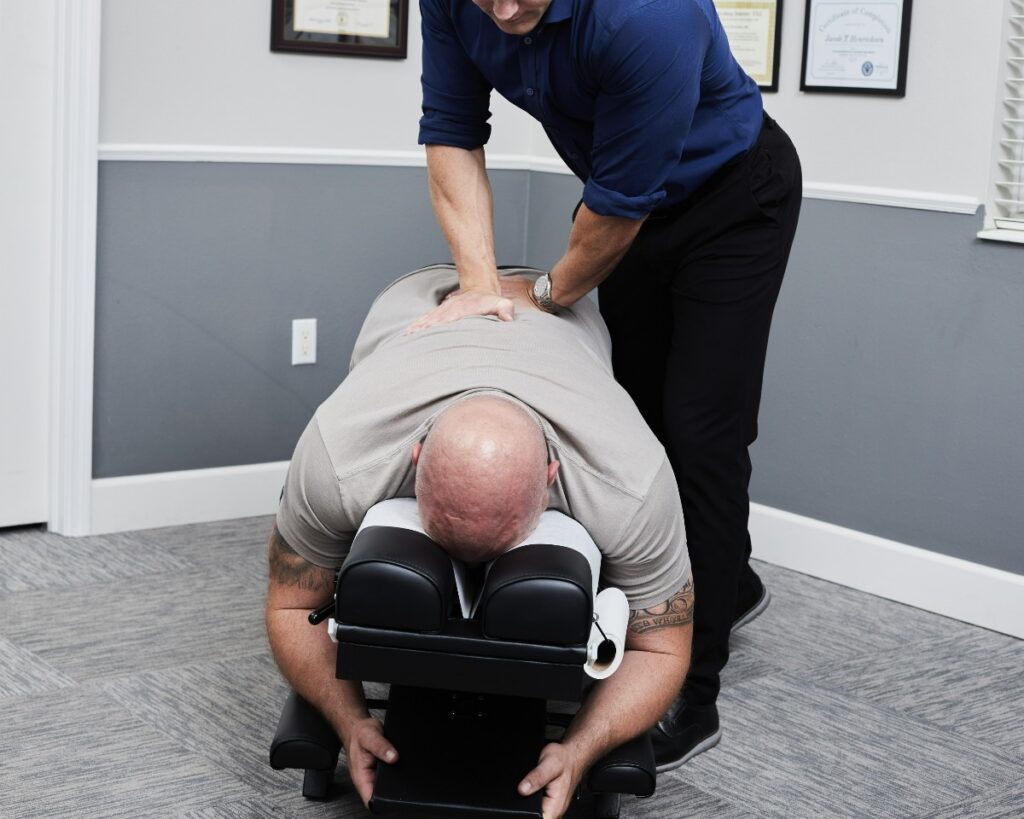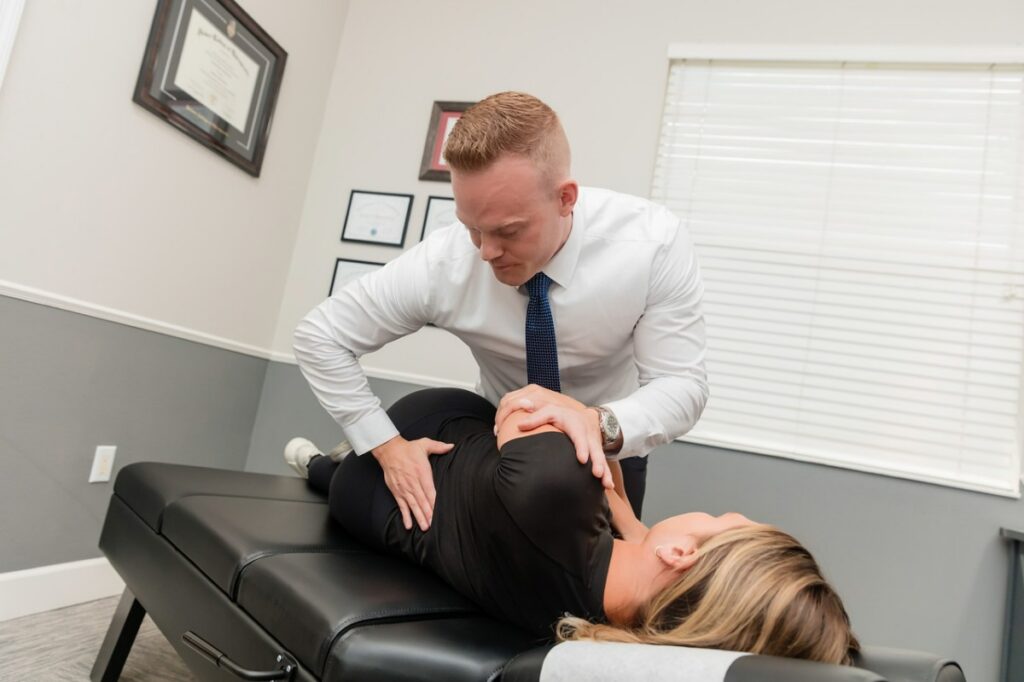

As a local chiropractor, I want to share some insights on how you can enhance your flexibility through simple techniques that are vital for your overall health. Many of my patients are surprised to learn that improving flexibility can be achieved quite easily. By incorporating dynamic stretching before your workouts, you can warm up your muscles and prepare them for movement, while static stretching afterward helps to cool down and lengthen those muscles, significantly improving your mobility and reducing the risk of injury.
Additionally, practices such as yoga and foam rolling can greatly benefit your flexibility journey. Yoga promotes not only physical flexibility but also mental relaxation, while foam rolling helps release muscle tension and improve circulation. Establishing a consistent routine with these techniques is crucial for achieving lasting results.
So, what specific methods can you adopt to transform your flexibility? Let's delve into some effective techniques that can truly make a difference in your flexibility and overall well-being. Remember, as you embark on this journey, I'm here to support you with guidance tailored to your individual needs.
Understanding Flexibility
Flexibility isn't just about being able to perform impressive stretches; it's a crucial aspect of your overall health and wellness. As a chiropractor, I often explain to my patients that flexibility is fundamentally about the range of motion of your muscles and joints. This adaptability influences many aspects of your daily life, whether it's reaching for items on a high shelf or bending down to tie your shoes.
It's important to understand that there are two primary types of flexibility: static and dynamic. Static flexibility is your ability to hold a stretch without movement, like reaching down to touch your toes. Dynamic flexibility, however, involves actively moving parts of your body through their full range of motion—think of leg swings or arm circles. Both forms of flexibility are vital for various activities and can significantly enhance your performance in sports, exercise, and even everyday tasks.
Several factors can impact your flexibility, including your age, genetics, and level of physical activity. As we age, our muscles and tendons can lose some of their elasticity, leading to stiffness and limited mobility. This is why incorporating flexibility training into your routine is so important.
A sedentary lifestyle can also contribute to tightness in your muscles, but regular stretching and mobility exercises can help alleviate this issue.
As your chiropractor, I encourage you to prioritize flexibility as part of your wellness journey. Understanding its importance won't only help you appreciate your body's capabilities but also motivate you to adopt techniques that enhance your flexibility, ultimately contributing to improved health and well-being.
Benefits of Improved Flexibility
As a local chiropractor, I want to share with you the significant benefits of improving your flexibility.
Enhancing your flexibility can greatly expand your range of motion, making those daily activities—like bending down to tie your shoes or reaching for items on a shelf—much easier and more comfortable.
Additionally, a flexible body is less susceptible to injuries, whether you're engaging in a workout or participating in recreational sports.
By embracing these advantages, you can pave the way for a healthier, more active lifestyle.
Enhanced Range of Motion
As a local chiropractor dedicated to your health and well-being, I want to share the importance of enhancing your flexibility and how it can significantly improve your range of motion. This enhancement can truly change the way you engage in daily activities, making them not only more enjoyable but also more efficient.
Here are some key benefits of having an improved range of motion:
- Enhanced Performance: Whether you're a dedicated athlete or someone who enjoys staying active, achieving better flexibility can lead to improved performance in all your physical pursuits. It allows your body to move more freely, which is essential for optimal results.
- Simplified Movement: Everyday tasks like bending down to pick something up, reaching for an item on a high shelf, or squatting to tie your shoes become much easier and more fluid. This means you'll navigate through your day with greater ease and less discomfort.
- Improved Posture: When your flexibility is enhanced, maintaining proper alignment becomes simpler. This can significantly reduce strain on your muscles and joints, helping you achieve a more balanced and stable posture. Good posture is vital for overall health and can prevent various musculoskeletal issues.
- Increased Efficiency: With a greater range of motion, your body can perform movements more efficiently. This not only helps conserve energy but also reduces fatigue during your physical activities, allowing you to enjoy them longer without feeling worn out.
By focusing on enhancing your flexibility, you're taking a proactive step towards a healthier lifestyle.
As your chiropractor, I'm here to guide you in achieving a greater range of motion through natural healing methods and tailored care. Let's work together to unlock your body's full potential!
Reduced Risk of Injury
As a local chiropractor, I often emphasize the importance of flexibility in maintaining your overall health and well-being. Enhancing your flexibility not only expands your range of motion but also significantly reduces your risk of injury.
When your muscles and joints are flexible, they're better equipped to handle the stresses associated with physical activity. This means you're less prone to strains, sprains, and other injuries during workouts or even everyday tasks.
Incorporating flexibility training into your routine can promote better alignment and balance in your body, which is crucial for proper function. Improved flexibility enables your muscles to operate more efficiently, minimizing the chances of overexertion and fatigue.
As you engage in stretching and strengthening exercises, you create a protective barrier against injuries that often arise from sudden movements or intense physical efforts.
Furthermore, maintaining good flexibility can enhance your recovery time. When your body is flexible, it can bounce back more quickly after strenuous activities, allowing you to return to your normal routine sooner.
You may also notice an improvement in your overall performance, which can serve as added motivation to stay active and committed to your health journey.
As a chiropractor, I encourage you to prioritize flexibility training as an essential component of your wellness plan.
Dynamic Stretching Techniques
As a local chiropractor, I often emphasize the importance of proper warm-up techniques to my patients, especially those who may not be familiar with chiropractic care and the benefits of natural healing.
One effective method I recommend is dynamic stretching. This approach not only prepares your muscles and joints for physical activity but also helps improve overall flexibility and range of motion.
Here's how you can incorporate dynamic stretches into your warm-up routine:
- Leg Swings: Find a wall or sturdy surface for support. Swing one leg forward and backward in a controlled manner. This movement effectively targets your hip flexors and hamstrings, promoting better mobility and reducing the risk of injury.
- Arm Circles: Extend your arms straight out to the sides and begin making small circles. Gradually increase the size of the circles. This exercise warms up your shoulders and upper body, enhancing flexibility and preparing you for activities that involve upper body movement.
- Walking Lunges: Step forward into a lunge while keeping your front knee aligned over your ankle. Alternate legs as you continue to walk forward. This dynamic stretch engages your lower body and helps increase flexibility in your hips and thighs, which is essential for many physical activities.
- High Knees: While jogging in place, lift your knees towards your chest. This not only warms up your legs but also activates your core and elevates your heart rate, ensuring your body is ready for action.
Incorporating these dynamic stretches into your warm-up routine can significantly enhance your physical performance and overall well-being. Aim for 30 seconds to a minute on each stretch, and always focus on controlled movements and proper form.
Static Stretching Methods
As your local chiropractor, I want to emphasize the importance of incorporating static stretching methods into your wellness routine, especially after you've engaged in dynamic stretching.
These techniques not only enhance your flexibility but play a crucial role in muscle recovery and relaxation, which are essential components of overall health.
Let's explore some effective static stretching techniques that you can easily integrate into your daily habits to support your body's natural healing process.
Benefits of Static Stretching
As a local chiropractor dedicated to your health and well-being, I want to take a moment to highlight the significant benefits of static stretching. Incorporating static stretches into your daily routine can greatly enhance your flexibility and overall physical performance, and I encourage you to consider these advantages:
- Increased Flexibility: By regularly engaging in static stretching, you effectively lengthen your muscles. This not only boosts your flexibility but also expands your range of motion, which is crucial for maintaining a healthy body.
- Improved Posture: Stretching plays a vital role in alleviating muscle tension. This relief promotes better spinal alignment and reduces the chances of developing poor posture habits, which can lead to discomfort and pain over time.
- Reduced Muscle Soreness: If you've ever experienced soreness after a workout, you'll be pleased to know that static stretching can help. By incorporating these stretches post-exercise, you can decrease muscle soreness, facilitating a quicker and more efficient recovery process.
- Enhanced Athletic Performance: Greater flexibility and reduced muscle tension can lead to noticeable improvements in your athletic performance. With these benefits, you'll find your movements become more fluid and efficient, allowing you to engage in physical activities more effectively.
Integrating static stretching into your routine isn't just about feeling good; it's an essential component of a proactive approach to your physical health.
Whether you engage in sports or simply want to enhance your daily activities, these benefits can significantly contribute to a more enjoyable and active lifestyle.
I encourage you to make static stretching a regular part of your regimen, and I'm here to support you in your journey towards better health and performance.
Effective Stretching Techniques
As a local chiropractor dedicated to your wellness, I want to share some valuable insights on enhancing your flexibility through effective stretching techniques. Flexibility is crucial not just for athletic performance but also for overall health and injury prevention.
One of the most effective methods for improving flexibility is static stretching, which involves holding a stretch for an extended period—typically between 15 to 60 seconds. This allows your muscles to lengthen and relax, promoting better mobility.
Before you begin stretching, it's important to warm up gently to increase blood flow to your muscles. Focus on key muscle groups such as the hamstrings, quadriceps, and shoulders. For instance, to stretch your hamstrings, you can sit on the floor with one leg extended and the other bent. Reach toward your toes, and you should feel a comfortable stretch in the back of your leg.
Remember to hold this position while breathing deeply, allowing your body to relax into the stretch. To maintain balance and prevent muscle imbalances, be sure to stretch both sides of your body. It's essential to listen to your body; you should never stretch to the point of pain. Instead, aim for a gentle, comfortable stretch.
You may also consider incorporating advanced techniques like PNF (Proprioceptive Neuromuscular Facilitation), which involves contracting the muscle before stretching it further. This technique can significantly enhance your range of motion.
Consistency is vital for achieving the best results. I recommend making stretching a regular part of your routine, aiming for at least three times a week.
Incorporating Yoga Practices
As a local Chiropractor, I want to share how incorporating yoga practices into your daily routine can significantly enhance your flexibility and overall well-being. Many people think yoga is simply about stretching, but it's actually a holistic practice that promotes a connection between your body and mind, fostering greater mobility and balance.
By integrating just a few simple yoga poses into your day, you'll likely experience noticeable improvements in your flexibility and overall health.
Here are four essential yoga practices that I recommend for my patients:
- Downward Dog: This foundational pose is excellent for stretching your hamstrings, calves, and spine. It aids in improving body alignment and strengthens your arms and legs, which supports the alignment of your spine—a key focus in chiropractic care.
- Butterfly Pose: When you sit with your feet together and knees apart, you open your hips and increase flexibility in your groin area. This pose not only enhances physical flexibility but also promotes relaxation, which can significantly reduce stress—a common contributor to musculoskeletal issues.
- Cat-Cow Stretch: This dynamic movement involves alternating between arching and rounding your back, which can greatly increase flexibility in your spine. It's an excellent way to warm up your back before engaging in deeper stretches, making it a perfect addition to your wellness routine.
- Seated Forward Bend: This pose effectively stretches your hamstrings and lower back. It encourages deep, mindful breathing, which can help release tension in your body and enhance overall flexibility, supporting the benefits of chiropractic adjustments.
By incorporating these yoga practices into your life, you're not just improving flexibility; you're also fostering a deeper connection between your body and mind, which is crucial for holistic healing.
Foam Rolling for Relief
As a local chiropractor, I often emphasize the importance of recovery techniques like foam rolling for muscle relief and overall wellness. After your workouts or even after spending long hours at your desk, foam rolling can significantly enhance your recovery process. This straightforward method helps to release tension in your muscles and fascia, which can lead to improved flexibility and a reduction in soreness.
When you roll over tight areas, you stimulate blood flow to those regions, promoting healing and helping to prevent injuries.
To get started with foam rolling, it's crucial to select a roller that matches your comfort level. If you're new to this practice, I recommend beginning with a softer foam roller to ease into it.
Start with your calves: sit on the floor, position the roller beneath your legs, and gently roll back and forth. You should experience a mild pressure on your muscles. If you encounter a particularly tight spot, pause and apply additional pressure by shifting your weight onto that area.
Next, transition to your thighs and glutes. For your quadriceps, lie face down with the roller under your thighs. Use your arms to navigate your body forward and backward, ensuring you cover the entire muscle.
Don't overlook your glutes; sit on the roller and lean slightly to one side, rolling over the muscle until you locate any knots.
I recommend spending about 1-2 minutes on each muscle group, and remember to breathe deeply throughout the process.
Foam rolling serves not just as a means to relieve soreness but as a proactive approach to maintaining flexibility and mobility. By incorporating foam rolling into your routine, you'll likely feel more agile and prepared for your daily activities.
Embracing these natural healing techniques can complement your chiropractic care and support your overall health.
Daily Routine Adjustments
As a local chiropractor, I often emphasize the importance of regularly adjusting your daily routine to enhance your flexibility and overall well-being. Many people may not realize how small changes can significantly impact how your body feels and performs.
Here are some effective adjustments you can implement right away to support your health:
- Incorporate Stretch Breaks: I encourage my patients to set a timer to remind them to take short breaks every hour. Use these moments to stretch your arms, legs, and back. These quick pauses can prevent stiffness and improve your range of motion, which is crucial for maintaining spinal health.
- Vary Your Workspace: For those who sit for long periods, try alternating between sitting and standing. Utilizing a standing desk or a high table can encourage better posture and engage your muscles differently throughout the day. This shift not only supports your spine but also enhances your overall energy levels.
- Change Your Commuting Style: If possible, consider switching up how you get to work or school. Walking or biking can improve blood circulation and help maintain joint flexibility, while also reducing your stress levels. It's a great way to incorporate movement into your day, which is vital for your musculoskeletal health.
- Schedule Active Social Time: Instead of meeting friends for coffee, why not suggest an active outing like hiking or a group exercise class? This way, you're not just enjoying quality time with friends, but also promoting your physical health and well-being.
These adjustments don't have to feel overwhelming. By gradually incorporating these changes into your routine, you'll likely notice improvements in your flexibility and overall physical health.
Remember, it's about finding what works best for you and committing to it. Start today, and witness how these simple shifts can lead to a more flexible and healthier lifestyle!
If you have any questions or need personalized advice, don't hesitate to reach out during your next visit.
Tips for Consistency
As a local chiropractor, I want to emphasize the importance of maintaining a consistent flexibility routine for long-term health benefits. Establishing a regular stretching practice can greatly enhance your overall well-being, and I encourage you to integrate it into your daily life seamlessly.
Choose specific times that work best for you—whether it's in the morning to start your day, during lunch breaks for a quick refresh, or after work to unwind. Treat these sessions as essential appointments for your health that you wouldn't want to miss.
To make your routine enjoyable and engaging, consider incorporating a variety of stretches and activities such as yoga or Pilates. This variety not only keeps things interesting but also motivates you to stay committed to your practice.
Setting short-term, realistic goals can also be beneficial. Celebrate your progress, whether it's being able to touch your toes or holding a stretch longer than before. These small victories can be incredibly motivating and reinforce your dedication to your flexibility journey.
Accountability is another vital factor in maintaining consistency. I recommend finding a workout buddy or joining a class where you can share your goals and progress with others. When someone else is counting on you, it becomes much easier to stick to your routine.
Additionally, consider keeping a journal to document your progress. Tracking your journey not only solidifies your commitment but also allows you to reflect on how far you've come.
Lastly, always listen to your body. If you experience pain or discomfort during your stretches, it's essential to adjust your routine to avoid injury. Remember, being consistent doesn't mean pushing through pain; it means being dedicated to your health and well-being.
Conclusion
As a local chiropractor, I want to share some simple techniques that can significantly enhance your flexibility and overall mobility. It's important to incorporate both dynamic stretches before your workouts and static stretches afterward for the best results. Additionally, practices like yoga and foam rolling can be incredibly beneficial in relieving tension and promoting a healthier range of motion.
Consistency is key in this journey, so I encourage you to set aside time each day to incorporate these techniques into your routine. With dedication, you will begin to notice improvements in your flexibility, which can make your workouts not only more effective but also more enjoyable.
By embracing these natural healing methods, you will be supporting your body's innate ability to move better and feel better. Start today, and experience the positive changes for yourself!