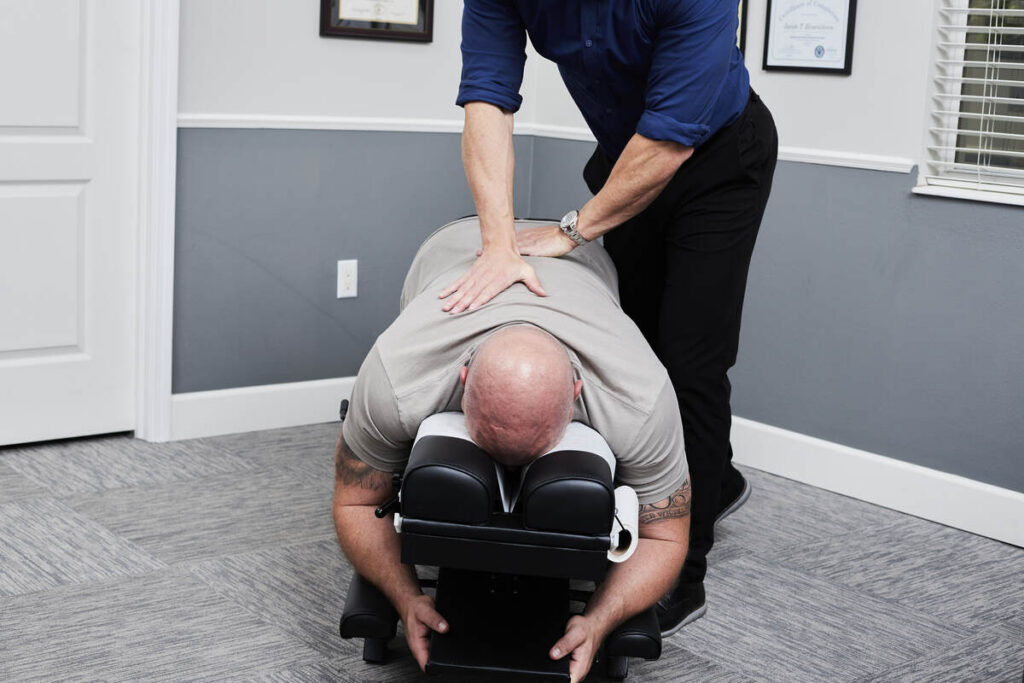
If you're experiencing back pain, I want you to know that simple adjustments can truly transform your daily comfort. As a chiropractor, I emphasize the importance of spinal alignment and how it influences your overall health. By making proactive changes, you can find relief not just in the short term but also enjoy long-lasting benefits that enhance your quality of life.
You might be wondering what specific changes to consider. Let's explore various strategies together that can lead to surprising solutions you may not have considered before. Through consistent chiropractic adjustments, we can help restore balance to your spine, alleviate discomfort, and improve your overall well-being. Your journey to a pain-free life starts with understanding how these adjustments can make a difference.
Understanding Back Pain Causes
As a local chiropractor, I want to help you understand the various causes of back pain so you can take proactive steps toward relief and healing. Back pain can arise from multiple sources, and recognizing these can greatly influence how you manage your discomfort.
One of the most common culprits is muscle strain, which often occurs when lifting heavy objects, making sudden movements, or overexerting yourself during physical activities. If you've pushed your body too hard, your muscles may tighten up in response, leading to pain and discomfort.
Another key factor contributing to back pain is poor ergonomics. Many of us spend long hours sitting at desks or hunching over our phones, which can adversely affect your body's alignment. This misalignment can lead to persistent discomfort, affecting your overall well-being.
Injuries, such as sprains or fractures, are also significant sources of back pain. If you've had a fall or been involved in an accident, it's essential to pay attention to any lingering pain, as it could signal a more serious underlying issue.
Additionally, chronic conditions like herniated discs or arthritis can cause ongoing pain, and I encourage you to consult a healthcare professional if you suspect these might be affecting you.
Lastly, lifestyle factors play a crucial role in back pain. Being overweight can place additional strain on your back, while a lack of exercise can weaken your muscles, making it harder for them to support your spine.
As a chiropractor, I believe that by understanding these causes, you can take informed steps toward natural relief and prevention. Together, we can work on strategies to improve your posture, strengthen your muscles, and ultimately enhance your quality of life.
Importance of Posture
As your local chiropractor, I want to emphasize just how crucial good posture is in preventing and alleviating back pain. When you maintain proper alignment, you significantly reduce the strain on your spine and muscles, which can lead to fewer aches and discomfort.
Unfortunately, many people unknowingly fall into common posture mistakes that can actually worsen their pain. That's why it's so important to recognize these habits and make the necessary corrections.
By adopting a proper posture, you not only support your spinal health but also enhance your overall well-being. Many of my patients have found that simple adjustments in their daily habits can lead to remarkable improvements in their comfort and quality of life.
Benefits of Good Posture
As a local chiropractor, I want to emphasize the crucial role that posture plays in your overall health and well-being. Many people may not realize how significantly their posture can affect their daily lives, but maintaining good posture is essential for both physical comfort and improved quality of life.
Let me share some of the key benefits of adopting good posture that I often discuss with my patients:
- Reduced Pain: When your body is properly aligned, it minimizes strain on your muscles and joints. This can lead to a significant reduction in discomfort, particularly in common trouble areas like the back and neck. Proper posture can help mitigate chronic pain issues that many people face.
- Increased Energy: Good posture isn't just about looking good; it also allows your body to function more efficiently. When your spine is in alignment, your body requires less energy to maintain its position, which can help you feel more energized throughout the day.
- Improved Confidence: Standing tall and maintaining good posture can have a profound impact on your self-image. It sends a strong message to yourself and those around you, boosting your self-esteem and making you appear more confident and approachable.
- Enhanced Focus: Proper alignment promotes better blood flow and oxygen delivery throughout your body, which can enhance your concentration and mental clarity. This is especially important in our fast-paced world, where staying focused is key to productivity.
By understanding the importance of good posture, you can take proactive steps towards improving your health and well-being.
As your chiropractor, I'm here to guide you through natural healing practices that can help you achieve and maintain proper alignment for a healthier life.
Common Posture Mistakes
As a chiropractor, I often see patients who are unaware of the common posture mistakes that can lead to discomfort and long-term health issues. Many individuals tend to slouch while sitting at their desks, lean forward excessively while typing, or hunch over their phones. These habits not only place strain on your spine but also on the surrounding muscles, which can lead to pain over time.
Another posture-related issue I frequently encounter is crossing legs while sitting. This seemingly casual position can create imbalances in your hips and lower back, resulting in discomfort.
It's also essential to pay attention to your feet; standing with your weight shifted to one leg can cause misalignment and strain throughout your body.
Even during everyday activities like walking, poor posture can still make an appearance. For instance, walking with your head down or shoulders hunched can negatively affect your balance and increase tension in your neck and shoulders.
To address these common mistakes, I urge you to make a conscious effort to maintain an upright posture throughout your daily routines. Keep your shoulders back and relaxed, align your head with your spine, and distribute your weight evenly when standing.
Implementing these simple adjustments can significantly enhance how you feel on a daily basis. By becoming more aware of these posture pitfalls, you can take proactive steps towards improving your posture and reducing back pain, leading to a healthier, more comfortable lifestyle.
If you have any questions or need guidance on proper posture techniques, feel free to reach out during your visits!
Ergonomic Workspace Setup
As a local Chiropractor, I want to emphasize the importance of setting up your workspace in an ergonomic manner, as it can significantly alleviate back pain and improve your overall well-being.
One of the first steps is to adjust your chair height so that your feet rest flat on the floor. This simple adjustment promotes proper posture and reduces strain on your spine.
Additionally, it's crucial to position your monitor at eye level. When your screen is too high or too low, it can lead to unnecessary tension in your neck and back, which can exacerbate discomfort.
By creating a workspace that supports your body's natural alignment, you not only enhance your productivity but also contribute to long-term health.
Chair Height Adjustment
As a chiropractor, I often emphasize the importance of an ergonomic workspace to help alleviate back pain and promote overall well-being. One crucial aspect of this is adjusting your chair height correctly. Proper chair height can significantly improve your posture and reduce strain on your body. Here are some fundamental guidelines to follow:
- Feet Flat on the Floor: It's vital that your feet rest flat on the ground. This position not only supports proper blood circulation but also minimizes pressure on your lower back, which is essential for maintaining spinal health.
- Knees at Hip Level: Aim to position your knees at or slightly below hip level. This alignment is important because it encourages a natural pelvic tilt, helping to prevent slumping and reducing the risk of discomfort.
- Back Support: Ensure that your chair provides adequate support for your lower back. Sitting at the right height allows you to lean back fully, which is crucial for maintaining a healthy posture and reducing strain on your spine.
- Elbows at Right Angles: While typing or working, your elbows should create a 90-degree angle with your arms relaxed. This positioning isn't only comfortable but also helps alleviate shoulder tension, contributing to a more enjoyable work experience.
By taking the time to adjust your chair height correctly, you can create a more supportive environment for your body, ultimately leading to better health and comfort.
Monitor Positioning Tips
As a local chiropractor, I want to emphasize the importance of proper monitor positioning in creating an ergonomic workspace, which is crucial for your overall spinal health and can significantly help prevent back and neck pain.
To begin, ensure your monitor is placed about an arm's length away from your eyes. This distance is key in reducing strain on your neck and eyes, promoting a more comfortable viewing experience.
Next, it's vital to check that the top of your screen is at or slightly below eye level. When your monitor is positioned this way, it encourages you to maintain a neutral neck posture, which helps prevent the common tendency to lean forward—something I often see in patients experiencing discomfort.
When adjusting the angle of your monitor, tilt it slightly backward, ideally between 10 to 20 degrees. This small adjustment can minimize glare and make viewing much easier, ultimately reducing eye strain.
If you're using multiple monitors, position them at the same height and distance to maintain a consistent line of sight. This practice avoids awkward neck movements that can lead to discomfort and misalignment over time.
Lastly, pay attention to your lighting. Position your monitor to steer clear of reflections from windows and overhead lights, as these can contribute to eye strain.
Implementing these simple yet effective tips can help create an ergonomic workspace that enhances your comfort and supports your natural healing process. By prioritizing your workspace ergonomics, you can alleviate back and neck pain, allowing you to work more effectively and efficiently.
Stretching and Flexibility Exercises
As a local chiropractor, I want to share the importance of incorporating stretching and flexibility exercises into your daily routine to help alleviate back pain and enhance your overall mobility. Many of my patients have found that prioritizing these movements can lead to significant improvements in how their bodies feel and function.
Regular stretching plays a crucial role in relieving tension, increasing blood flow, and promoting relaxation, all of which are essential for effective back pain relief.
Here are four key benefits of stretching and flexibility exercises that I often discuss with my patients:
- Reduced Muscle Tension: Stretching is a powerful tool for releasing tight muscles, which can be a major contributor to discomfort. By engaging in stretching exercises, you create space within your body, making it easier to move and reducing the likelihood of pain.
- Improved Posture: Flexibility exercises can greatly enhance your posture, which helps to alleviate strain on your back. Maintaining good posture keeps your spine aligned, significantly lowering the risk of injury and discomfort.
- Enhanced Range of Motion: Regularly engaging in stretching activities increases your flexibility, allowing for smoother movements in your everyday life and reducing stiffness. This can make daily tasks much easier and more enjoyable.
- Mental Relief: Stretching isn't just a physical exercise; it also serves as a form of relaxation for your mind. It can help calm stress, which is often a contributing factor to pain, providing both physical and emotional benefits.
If you're new to chiropractic care or natural healing, I encourage you to start with simple stretches like the cat-cow, child's pose, or hamstring stretches.
Aim for at least 10 minutes of stretching each day, and you're likely to notice improvements not only in your back pain but in your overall well-being.
Strengthening Core Muscles
As a local chiropractor, I want to emphasize the importance of strengthening your core muscles for maintaining a healthy back and preventing pain. Your core isn't just about your abdominal muscles; it encompasses the muscles in your back, hips, and pelvis as well. When these muscles are strong, they provide essential stability and support to your spine, significantly reducing the risk of injuries and discomfort.
To effectively strengthen your core, I recommend incorporating exercises like planks, bridges, and bird dogs into your routine. Planks are a fantastic exercise that engages multiple muscle groups, promoting endurance and stability. I suggest starting with holding a plank position for 30 seconds and gradually increasing the duration as your strength improves.
Bridges are another excellent exercise that targets your glutes and lower back, both of which are crucial for a robust core. Begin with 10 repetitions and feel free to increase the number as you grow more comfortable with the movement.
Bird dogs are particularly beneficial as they enhance coordination while actively engaging your abdominal muscles. Start on your hands and knees, then extend one arm and the opposite leg simultaneously. Hold this position for a few seconds before switching sides. This exercise not only strengthens your core but also helps improve your balance.
In addition to these exercises, I also encourage you to consider incorporating activities such as yoga or Pilates into your weekly routine. These practices focus on core strength and flexibility, which can further alleviate back pain.
It's essential to listen to your body and progress at your own pace. By consistently working on your core strength, you're not just alleviating current discomfort; you're also laying the groundwork for a healthier, pain-free back in the future.
Mindfulness and Stress Reduction
As a local chiropractor, I often see patients who struggle with back pain, even when they've a strong core. A key factor that can contribute to persistent discomfort is stress and tension. When we experience stress, it can physically manifest in our bodies, leading to tight muscles and discomfort in the back.
That's why it's crucial to incorporate mindfulness and stress reduction techniques into your daily routine. By focusing on the present moment, you can alleviate some of that tension and help your body relax, ultimately supporting your chiropractic care.
Here are four effective strategies that I recommend to help you practice mindfulness and reduce stress:
- Deep Breathing Exercises: I encourage my patients to take a few minutes each day to concentrate on their breathing. Inhale deeply through your nose, hold for a moment, and then exhale slowly through your mouth. This simple yet powerful practice can help calm your mind and reduce muscle tension, providing relief for your back.
- Meditation: Setting aside time for meditation can be incredibly beneficial. Even just five to ten minutes can help clear your mind and promote relaxation. Find a quiet space, close your eyes, and focus on a calming image or mantra. This practice can enhance your overall well-being and support your healing journey.
- Yoga: Incorporating yoga into your routine not only aids in improving flexibility but also fosters mindfulness. The combination of breath control and movement can help release built-up tension in your back, complementing the adjustments I provide in my practice.
- Gratitude Journaling: I recommend taking a moment each day to write down three things you're grateful for. This practice can shift your focus from stressors to the positive aspects of your life, promoting a healthier mindset that can significantly impact your physical health.
By implementing these techniques, you can create a ripple effect that not only improves your back pain but also enhances your overall quality of life.
Proper Lifting Techniques
As a local chiropractor dedicated to your well-being, I want to emphasize the importance of using proper lifting techniques to avoid back pain and injuries. Many people are unaware that incorrect lifting can lead to significant discomfort and long-term issues. It's essential to protect your back every time you lift something heavy, and I'm here to guide you on how to do it safely.
First, make sure to position yourself close to the object you intend to lift. This simple step minimizes strain and helps you maintain control. Always bend at your hips and knees while keeping your back straight. This technique allows your powerful leg muscles to do the heavy lifting, rather than putting undue stress on your back.
Before attempting to lift, take a moment to assess the weight and size of the item. If it seems too heavy or awkward, please don't hesitate to ask for assistance or consider using tools like a dolly or lifting straps.
When you're ready to lift, grip the object firmly and keep your arms close to your body to enhance your balance. As you lift, remember to engage your core muscles. This is crucial for stabilizing your spine and reducing the risk of injury. Lift with your legs, standing up straight, and avoid twisting your body. If you need to turn while lifting, pivot your feet rather than twisting your back.
Once you've successfully lifted the object, keep it close to your body as you move. This practice helps maintain your center of gravity and alleviates strain on your back.
When it's time to set the object down, remember to reverse the lifting technique: bend at your knees and hips while keeping your back straight.
Choosing the Right Mattress
As a local chiropractor, I want to emphasize the importance of your mattress in maintaining optimal back health. Many people overlook how a good mattress can support your spine, relieve pressure points, and contribute to a restorative sleep experience. If you find yourself waking up with back pain, it might be time to reassess your mattress choice.
Here are some essential tips to help you select the right mattress:
- Firmness Level: Everyone has unique preferences when it comes to mattress firmness. A mattress that's overly soft may fail to provide adequate support for your spine, while one that's too firm can lead to uncomfortable pressure points. Aim for a mattress that strikes a balance, supporting the natural curve of your spine.
- Material Matters: The type of material your mattress is made from plays a significant role in your comfort. Memory foam conforms to your body shape, providing personalized support, while latex offers a responsive and buoyant feel. Innerspring mattresses deliver a more traditional sleeping experience. I encourage you to test different materials to determine which one feels best for your body.
- Sleep Position: Your preferred sleeping position can influence the type of mattress that will best support you. Side sleepers often benefit from a softer mattress that cushions the hips and shoulders, while back and stomach sleepers typically require firmer options to maintain proper spinal alignment.
- Trial Period: When selecting a mattress, look for options that come with a trial period. This allows you to test the mattress in your own home for an extended period. Take your time—give your body a few nights to adjust and see how it responds.
Choosing the right mattress is a crucial step toward alleviating back pain and enhancing your overall quality of sleep. Prioritize your comfort and support, and remember, a good mattress can significantly impact your health and well-being.
If you have further questions or need personalized advice, feel free to reach out during your next visit!
Consistent Physical Activity
As your local chiropractor, I want to emphasize the importance of consistent physical activity for maintaining a healthy back and overall wellness. Staying active isn't just about losing weight or building muscle; it plays a crucial role in strengthening the muscles that support your spine, improving flexibility, and enhancing your posture. These elements can significantly lower your risk of experiencing back pain and injuries.
You don't need to commit to daily gym sessions or run marathons to enjoy these benefits. Simple, everyday activities such as walking, swimming, or cycling can lead to substantial improvements. I recommend aiming for at least 150 minutes of moderate aerobic activity each week.
Additionally, incorporating strength training exercises twice a week is vital, particularly those that focus on your core, back, and legs. This creates a solid foundation for your spine, helping to prevent discomfort and promote better alignment.
Don't overlook the importance of stretching in your routine. Stretching keeps your muscles flexible and can help prevent the stiffness that often leads to back pain. You might consider adding yoga or Pilates to your weekly schedule; both practices emphasize core strength and proper alignment, which can relieve tension in your back.
It's also essential to listen to your body. If you experience pain during any movement, don't hesitate to modify your approach or take a break.
And remember, before embarking on any new exercise program—especially if you have a history of back issues—it's always a good idea to consult with a healthcare professional. As your chiropractor, I'm here to guide you on your journey to better back health and overall well-being.
Conclusion
As your local chiropractor, I want to share how incorporating chiropractic adjustments into your routine can significantly alleviate back pain and improve your overall well-being. Many people are unaware that misalignments in the spine can lead to discomfort and limited mobility. By addressing these issues through gentle adjustments, we can enhance your spinal health and help you experience reduced pain and increased flexibility.
In addition to chiropractic care, I encourage you to pay attention to your posture, set up ergonomic workspaces, and engage in core strengthening exercises. These practices complement the adjustments and are vital components of an effective pain management strategy.
Remember, staying active and being mindful of your body's needs can make a world of difference. By prioritizing your spinal health today, you can pave the way for a more comfortable and pain-free tomorrow. If you have any questions or would like to learn more about how chiropractic care can benefit you, feel free to reach out!