When you experience sports-related pain, it's essential to understand the various treatment options available to you. Over-the-counter medications like NSAIDs can provide immediate relief, but they're just one part of a broader strategy. Incorporating physical therapy and alternative approaches might enhance your recovery and prevent future issues. You might wonder which methods work best for your specific situation, or if there's a combination that could optimize your healing process. Exploring these treatments could lead you to effective solutions you hadn't considered before.
Understanding Sports-Related Pain
Sports-related pain is a common issue that many athletes face, whether you're a weekend warrior or a seasoned professional. Understanding the nature of this pain is essential for managing it effectively.
Generally, sports-related pain can be categorized into acute and chronic types. Acute pain often results from a specific injury, like a sprain or strain, and comes on suddenly. You might feel this sharp, intense pain immediately during an activity, signaling that something's wrong.
On the other hand, chronic pain develops gradually over time, often due to repetitive stress or overuse. This type of pain can linger, making it challenging to pinpoint its exact source. You may notice it flaring up after certain activities, or it might be a constant dull ache that just won't go away.
In addition to understanding the types of pain, it's important to recognize common areas where athletes experience discomfort. Joints, muscles, and tendons are frequent culprits. Your knees, shoulders, and lower back are particularly vulnerable to injury, especially during high-impact sports or activities that require a lot of twisting and turning.
Finally, don't underestimate the role of proper technique and conditioning in preventing sports-related pain. The way you move during your sport greatly affects your body's overall health. By paying attention to your form and ensuring you're adequately warmed up and stretched, you can reduce the likelihood of injuries and pain, allowing you to enjoy your sport to the fullest.
Traditional Pain Relief Methods
When you're dealing with sports-related pain, traditional pain relief methods can offer quick relief.
Over-the-counter medications and physical therapy techniques are two popular options that can help you get back on your feet.
Let's explore how these methods work and their effectiveness in managing pain.
Over-the-Counter Medications
Finding relief from pain after an intense workout or competition can often lead you to over-the-counter medications that effectively tackle inflammation and discomfort.
These medications are easily accessible and can provide quick relief for various sports-related ailments. When considering your options, it's crucial to choose the right type based on your symptoms and personal health needs.
Here are some common over-the-counter medications you might find helpful:
- Ibuprofen: A nonsteroidal anti-inflammatory drug (NSAID) that reduces pain and inflammation.
- Acetaminophen: Effective for pain relief, though it doesn't address inflammation.
- Naproxen: Another NSAID that provides longer-lasting pain relief than ibuprofen.
- Topical analgesics: Creams or gels that can be applied directly to the skin for localized pain relief.
- Aspirin: An older NSAID option that can help with pain and inflammation but may not be suitable for everyone.
Always follow the recommended dosages and consult with a healthcare provider if you're unsure which medication is best for you.
Physical Therapy Techniques
Physical therapy techniques offer effective traditional methods for relieving pain associated with sports injuries. By engaging with a physical therapist, you can explore various approaches tailored to your specific needs.
One common method is manual therapy, which involves hands-on techniques to manipulate muscles and joints, promoting healing and improving mobility.
You might also benefit from therapeutic exercises designed to strengthen muscles, enhance flexibility, and restore function. These exercises help prevent future injuries while addressing current pain.
Another valuable technique is the use of modalities like heat, ice, ultrasound, or electrical stimulation, which can reduce inflammation and alleviate discomfort.
Your therapist may also incorporate taping methods to provide support and stability during your recovery, allowing you to return to sports activities safely.
Education is a vital aspect of physical therapy; your therapist will guide you on proper body mechanics and techniques to avoid re-injury.
Incorporating these physical therapy techniques not only aids in immediate pain relief but also fosters long-term recovery and performance improvement.
Ice and Heat Therapy
Ice and heat therapy are two of the most effective methods for managing sports-related pain. These techniques can help reduce inflammation, alleviate soreness, and speed up the recovery process. Understanding when and how to use them is essential for ideal results.
When you experience acute injuries, like sprains or strains, ice therapy is your go-to solution. Applying ice helps constrict blood vessels, minimizing swelling and numbing pain. You should aim to ice the affected area for 15-20 minutes every hour, especially in the first 48 hours after the injury.
On the other hand, heat therapy is beneficial for chronic pain or muscle stiffness. It increases blood flow, promoting relaxation and flexibility. You can apply heat using a warm towel, heating pad, or hot water bottle for 15-20 minutes, but avoid using it on swollen areas.
To maximize your results, keep these tips in mind:
- Use a barrier: Always wrap ice or heat sources in a cloth to prevent skin damage.
- Assess your body: Pay attention to how your body responds; if pain persists, reevaluate your approach.
- Alternate methods: Sometimes alternating between ice and heat can provide the best relief.
- Consistency matters: Regular application can enhance recovery and pain management.
- Stay hydrated: Proper hydration supports your body's healing processes.
Physical Rehabilitation Techniques
When you're recovering from a sports injury, physical rehabilitation techniques can make a significant difference.
Manual therapy techniques and tailored exercise rehabilitation programs help restore mobility and strength.
Let's explore how these methods can aid in your recovery journey.
Manual Therapy Techniques
Manual therapy techniques are essential tools in sports-related pain relief and rehabilitation. These hands-on approaches target soft tissues, joints, and muscles, helping you recover faster and regain function.
By incorporating manual therapy into your treatment plan, you can alleviate pain, enhance mobility, and promote healing.
Here are some effective manual therapy techniques you might consider:
- Massage Therapy: Relieves muscle tension and improves circulation.
- Joint Mobilization: Increases range of motion and reduces stiffness.
- Myofascial Release: Targets fascia to release tightness and improve flexibility.
- Trigger Point Therapy: Focuses on specific painful areas to relieve tension and pain.
- Cupping Therapy: Creates suction to enhance blood flow and promote healing.
These techniques not only address immediate pain but also lay the groundwork for long-term recovery.
When used alongside other rehabilitation methods, manual therapy can be a game-changer in your journey back to peak performance.
Exercise Rehabilitation Programs
Exercise rehabilitation programs play a vital role in your recovery from sports-related injuries. These programs are designed to restore strength, flexibility, and function to your injured areas, enabling you to return to your sport safely and effectively.
When you engage in a structured exercise rehabilitation program, you'll likely start with gentle stretching and strengthening exercises. These movements help improve your range of motion and build the necessary muscle support around your injury.
As you progress, your therapist may introduce more dynamic exercises that mimic the movements you perform in your sport.
It's important to stay consistent with your rehabilitation exercises. Committing to a routine not only speeds up your recovery but also helps prevent future injuries.
Listening to your body is equally important; if you experience pain during any exercise, it's critical to communicate with your therapist.
Incorporating balance and coordination drills into your regimen can further enhance your overall athletic performance.
Ultimately, exercise rehabilitation programs empower you to take control of your recovery, ensuring you regain strength and confidence as you return to the field, court, or track.
Medication Options
Exploring medication options for sports-related pain relief can help you regain your performance and comfort. When dealing with pain, it's crucial to evaluate various medications that can alleviate discomfort while allowing you to continue your athletic pursuits.
Here are some common medication options you might find effective:
- Nonsteroidal anti-inflammatory drugs (NSAIDs): These include ibuprofen and naproxen, which can reduce inflammation and relieve pain.
- Acetaminophen: Often used for mild to moderate pain relief without the anti-inflammatory properties of NSAIDs.
- Topical analgesics: Creams or gels applied directly to the skin can provide localized pain relief.
- Corticosteroids: These are powerful anti-inflammatories that can be prescribed for more severe pain but should be used cautiously due to potential side effects.
- Muscle relaxants: If muscle spasms contribute to your pain, these can help alleviate discomfort and improve mobility.
Before starting any medication, it's wise to consult with a healthcare professional to determine the best option for your specific situation. They can guide you on appropriate dosages, potential side effects, and interactions with other medications.
Alternative Therapies
While medications can provide significant relief for sports-related pain, alternative therapies offer additional approaches that may enhance your recovery. These therapies often focus on holistic healing, emphasizing the connection between body, mind, and spirit.
You might find that incorporating them into your routine can lead to improved outcomes and a more thorough approach to pain management.
One popular alternative therapy is acupuncture. This ancient practice involves inserting thin needles into specific points on your body to relieve pain and promote healing. Many athletes report reduced pain levels and improved mobility after a few sessions.
Another effective option is massage therapy. Regular massages can help alleviate muscle tension, improve circulation, and accelerate recovery. Whether you prefer deep tissue, sports massage, or relaxation techniques, each can provide significant relief tailored to your needs.
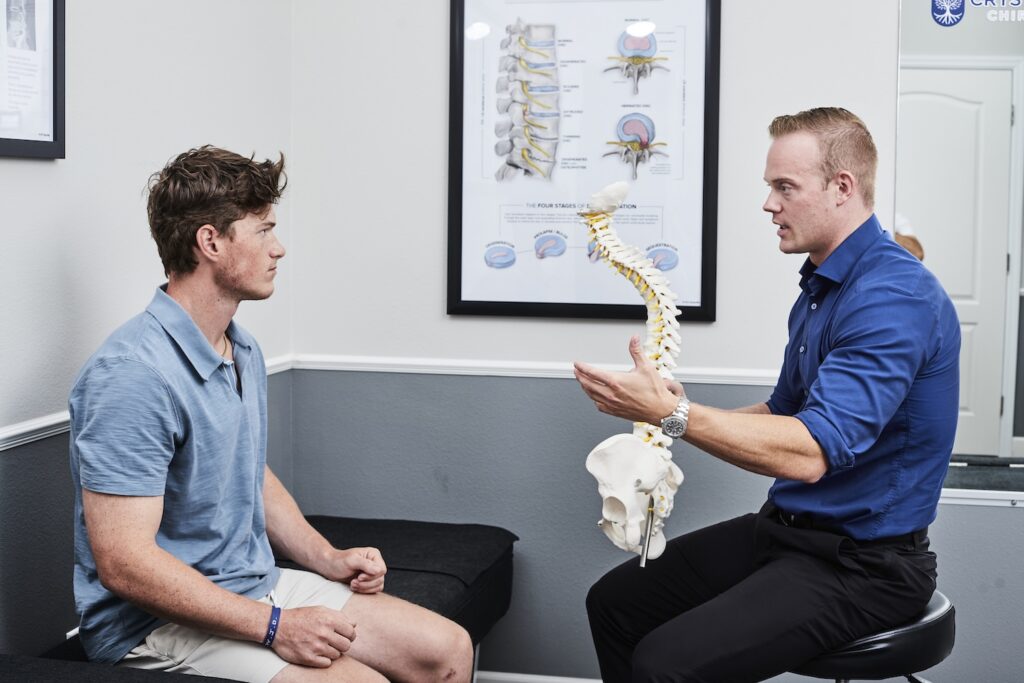
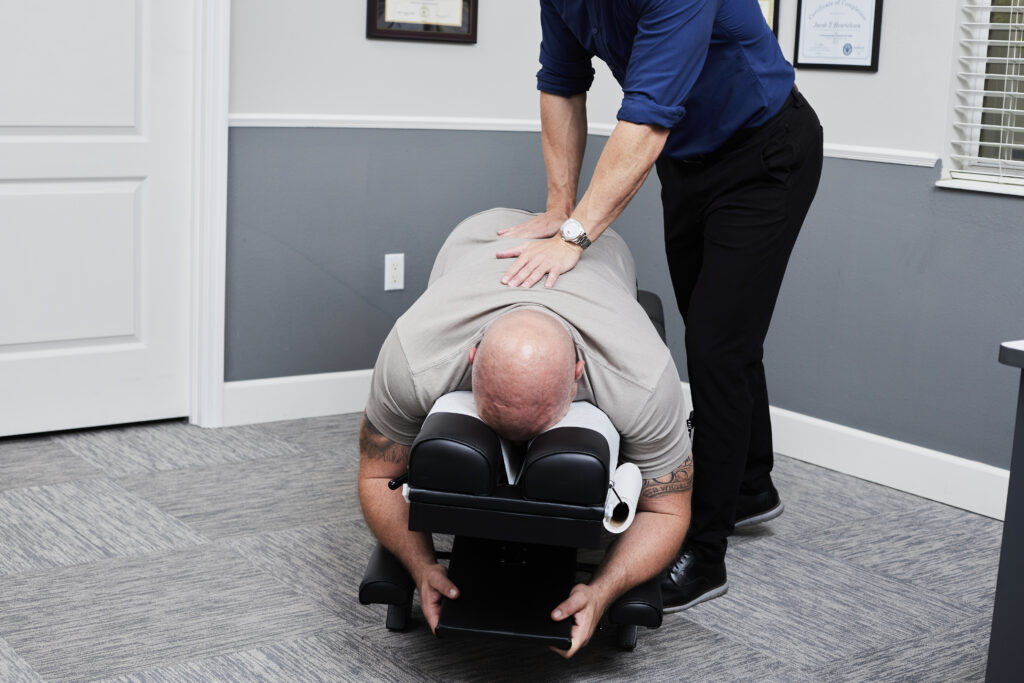
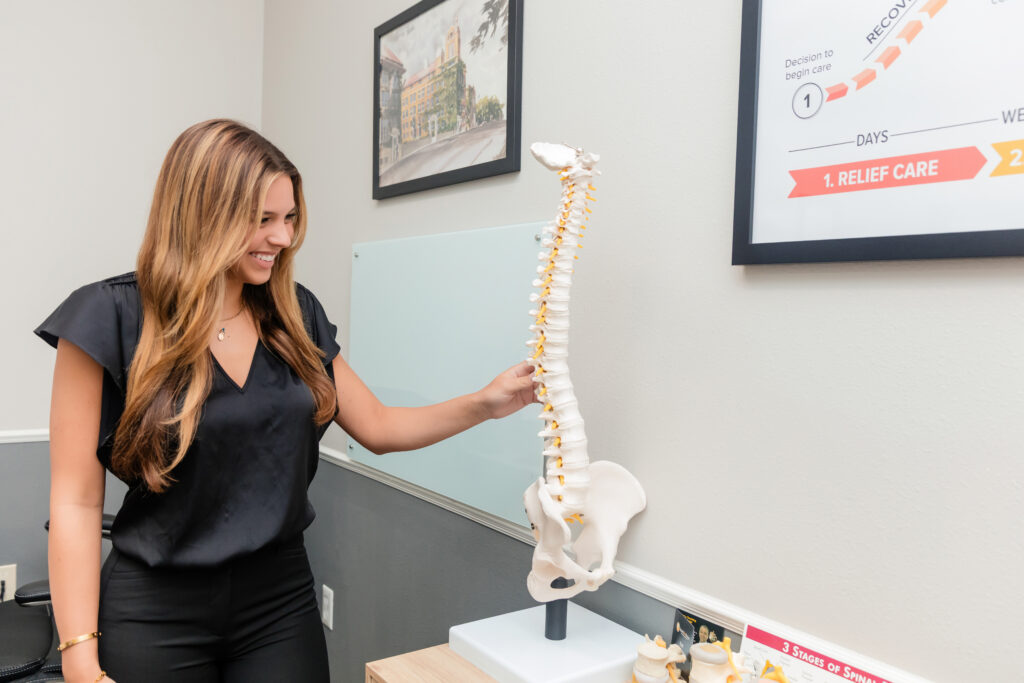
Chiropractic care is also worth considering. Chiropractors use spinal manipulation and other techniques to restore proper alignment and function, which can alleviate pain and enhance your athletic performance.
Additionally, practices like yoga and tai chi can improve flexibility, strength, and mental focus, making them excellent complementary therapies. They help you develop body awareness, which can reduce the risk of future injuries.
Lastly, essential oils and herbal remedies can support your recovery through their anti-inflammatory and analgesic properties.
Just remember to consult a healthcare professional before trying new treatments. By exploring these alternative therapies, you may find the relief and recovery you've been seeking.
Preventative Measures and Tips
Taking proactive steps can greatly reduce the risk of sports-related injuries and pain. By incorporating a few preventative measures into your routine, you can enhance your performance and protect your body. Here are some essential tips to keep in mind:
- Warm Up Properly: Always start your workout with a proper warm-up to increase blood flow to your muscles and prepare your body for physical activity.
- Listen to Your Body: If you feel pain or discomfort, don't push through it. Give yourself time to recover and address the issue before resuming your routine.
- Stay Hydrated: Dehydration can lead to muscle cramps and fatigue. Drink plenty of water before, during, and after your activities.
- Use Proper Equipment: Invest in the right gear for your sport, including supportive footwear and protective equipment. This can greatly decrease your risk of injury.
- Cross-Train: Incorporate different types of exercises into your routine. This not only builds overall strength but also helps prevent overuse injuries by varying the stress on your body.
Conclusion
To sum up, managing sports-related pain effectively requires a well-rounded approach. By combining traditional methods like medications with physical therapy and alternative therapies, you can find relief and improve your recovery. Don't forget to incorporate ice and heat therapy to ease discomfort and promote healing. Remember, taking preventative measures can help you stay active and reduce the risk of future injuries. Stay proactive in your pain management, and you'll be back in the game in no time!