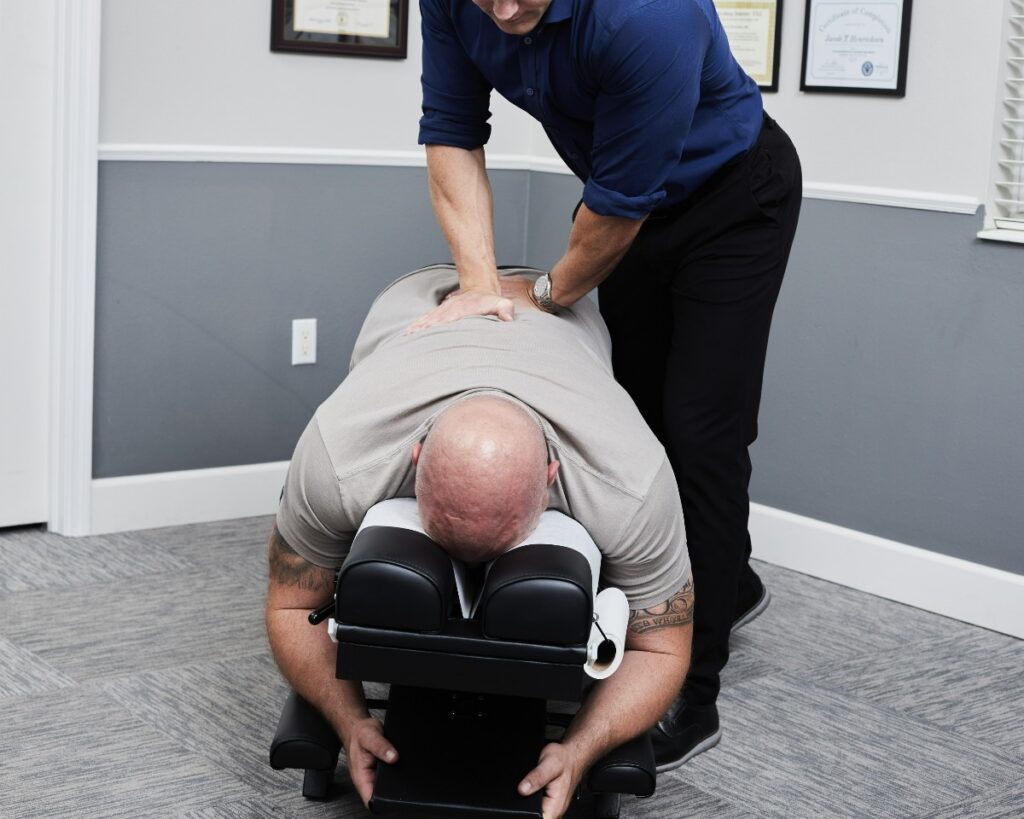

As your local chiropractor, I want to emphasize how closely linked your daily habits are to your neurological health. Many people don't realize that simple lifestyle changes can have a profound impact on brain function and resilience. By incorporating a balanced diet rich in nutrients, engaging in regular physical activity, and challenging your mind with new tasks, you can significantly enhance your cognitive abilities.
Additionally, I can't stress enough the importance of mindfulness practices and quality sleep. These elements are crucial in reducing stress and aiding recovery, which is vital for maintaining neurological health. So, what specific strategies can you implement to foster lasting improvements in your cognitive well-being? By exploring these holistic techniques, you may find transformative changes in your overall health and wellness. Let's work together to optimize your neurological function and overall vitality!
Importance of Neurological Health
As a local chiropractor, I want to emphasize the vital role that neurological health plays in your overall well-being. Your brain is the command center for your entire body, influencing everything from basic movements like walking and talking to more intricate processes such as problem-solving and managing emotions.
When your neurological health is compromised, it can significantly impact your daily activities and diminish your quality of life. It's essential to maintain good neurological health to support cognitive function. A healthy brain enhances your ability to learn, remember, and adapt to new circumstances.
Furthermore, it's crucial for mental well-being; a properly functioning brain fosters emotional stability and resilience against stress. Conversely, poor neurological health can result in cognitive decline, mood disorders, and even conditions like Alzheimer's or Parkinson's disease.
Additionally, your nervous system is key to your body's overall functioning. It serves as a communication highway between your brain and the rest of your body, influencing everything from your immune system to your digestive health.
Issues with your neurological health can present as chronic pain, fatigue, or other systemic problems, which can prevent you from fully enjoying life.
At our chiropractic practice, we focus on natural healing methods that support your neurological health and overall wellness. By addressing spinal alignment and promoting proper nervous system function, we can help you achieve a healthier, more vibrant life.
Your journey to optimal health starts with understanding and prioritizing your neurological well-being.
Nutritional Enhancements
As your local chiropractor, I want to emphasize the importance of nutrition in supporting your neurological health. Many people may not realize how significantly their diet can influence brain function, cognitive abilities, and memory. By incorporating a variety of nutrient-dense foods into your meals, you can ensure that your brain receives the essential vitamins and minerals it needs to thrive.
One key component to focus on is omega-3 fatty acids, which are abundant in fatty fish like salmon and sardines. These healthy fats are crucial for maintaining the structure and function of your brain. Additionally, it's vital to fill your plate with plenty of fruits and vegetables. Berries, leafy greens, and cruciferous vegetables are particularly rich in antioxidants, which help combat oxidative stress and inflammation that can negatively impact your neurons.
Don't overlook the value of whole grains like oats and brown rice. These complex carbohydrates provide a steady supply of glucose, which is your brain's primary energy source. Nuts and seeds, especially walnuts and flaxseeds, are also fantastic additions to your diet as they're packed with nutrients that support brain health.
Staying hydrated is another important factor in maintaining cognitive function. Dehydration can lead to cognitive decline, so it's essential to drink enough water throughout the day.
I also recommend limiting your intake of processed foods, added sugars, and unhealthy fats, as these can adversely affect your mental clarity and focus.
Lastly, you might consider adopting a balanced diet like the Mediterranean diet, which prioritizes whole foods, healthy fats, and plant-based ingredients. By making these nutritional enhancements, you'll not only support your overall health but also lay a solid foundation for better neurological health and improved cognitive function.
Physical Activity and Brain Health
As a local chiropractor, I want to emphasize the incredible benefits that regular physical activity has on both your brain health and overall cognitive function. Engaging in consistent exercise isn't just about keeping your body in shape; it's also about enhancing the performance of your brain. When you move your body, you increase blood flow to the brain, which brings vital oxygen and nutrients necessary for optimal brain function. This improved circulation can lead to better memory, sharper attention, and enhanced cognitive abilities.
You may not realize it, but physical activity stimulates the release of important neurotransmitters like dopamine and serotonin. These chemicals are crucial for regulating your mood and mental health. So, when you're exercising, you're not just strengthening your muscles; you're also giving your brain a beneficial workout. This can significantly help you manage stress and alleviate feelings of anxiety or depression.
Moreover, regular physical activity encourages the creation of new brain cells, a process known as neurogenesis, particularly in the hippocampus. This region of the brain is essential for learning and memory. Incorporating activities such as walking, jogging, swimming, or even dancing into your routine can stimulate this growth and enhance your brain's plasticity, making it more flexible and capable of adapting to new experiences or challenges.
You don't need to become a fitness enthusiast to enjoy these advantages. Even moderate exercise, like a brisk walk for 30 minutes a few times a week, can greatly boost your brain health.
Mental Exercises for Cognitive Function
As a chiropractor dedicated to promoting holistic health, I want to emphasize that maintaining brain health is just as important as taking care of your physical body. While many of us associate wellness with physical activity, mental exercises are equally crucial for enhancing cognitive function and memory. By regularly challenging your mind, you can improve your thinking skills and maintain mental agility, which complements your overall well-being.
I recommend starting with simple brain puzzles, such as crosswords or Sudoku. These engaging activities stimulate critical thinking and problem-solving, keeping your mind active. Try dedicating a few minutes each day to solve one of these puzzles. Over time, you may notice improvements in your concentration and your ability to think quickly.
Another beneficial mental exercise is learning a new language or a musical instrument. Both pursuits engage your memory, coordination, and creativity, encouraging your brain to adapt and develop. Remember, you don't need to achieve fluency or mastery right away. Even short, regular practice sessions can lead to impressive cognitive advancements.
Reading, especially more challenging material, can also significantly enhance your cognitive function. It encourages you to analyze, synthesize, and connect various concepts. Engaging in discussions about what you've read can deepen your understanding and improve information retention.
Additionally, consider incorporating memory games or specialized apps designed for brain training into your daily routine. These tools can enhance your working memory and processing speed, which are vital for overall cognitive health.
Mindfulness and Stress Reduction
As a local chiropractor, I want to share how practicing mindfulness can be an invaluable tool for reducing stress and enhancing your overall mental well-being. By focusing on the present moment, you can train your mind to release worries about the past or future, which often contribute to physical and emotional stress.
Mindfulness also encourages you to acknowledge your thoughts and feelings without judgment, allowing for a clearer understanding of what may be causing tension in your body.
To integrate mindfulness into your daily routine, I recommend starting with simple breathing exercises, which can complement your chiropractic care. Find a quiet space, sit comfortably, and take deep, intentional breaths. As you inhale and exhale, focus on the sensation of your breath flowing in and out of your body.
If your thoughts drift, gently guide your attention back to your breath. Even dedicating just a few minutes each day to this practice can create a significant impact on your stress levels and overall health.
You can also practice mindfulness during your everyday activities. Whether you're enjoying a meal, taking a walk, or even washing dishes, immerse yourself fully in the experience. Pay attention to the textures, aromas, and sounds around you.
This approach can ground you in the present moment, helping to alleviate stress that may manifest as tension in your muscles or spine.
Additionally, I suggest trying body scanning as another effective technique. Lie down comfortably and mentally scan your body from head to toe, paying attention to any areas of tension. As you identify these spots, consciously relax them, allowing yourself to release built-up stress.
This practice can work harmoniously with your chiropractic adjustments, promoting a deeper sense of relaxation and well-being.
Incorporating mindfulness into your life can enhance the benefits of chiropractic care, supporting your journey toward a healthier, more balanced you.
Sleep and Neurological Recovery
As a local chiropractor, I want to emphasize how crucial quality sleep is for your neurological recovery.
Sleep plays a key role in allowing your brain to repair and regenerate effectively. If you're facing challenges with sleep disorders, it's important to recognize that this can significantly affect your cognitive function and overall well-being.
Understanding the connection between sleep and brain health is vital for enhancing your recovery process.
By addressing any underlying issues through natural healing practices, including chiropractic care, we can help optimize your sleep quality and, in turn, support your brain's health and recovery.
Let's work together to improve your sleep and, consequently, your overall health!
Importance of Quality Sleep
As a local chiropractor dedicated to your overall wellness, I want to emphasize the vital role that quality sleep plays in neurological recovery. Many people may not realize just how crucial sleep is for your brain health. When you prioritize good sleep, your brain has the opportunity to recharge, repair itself, and strengthen those important neural connections. This process is essential for memory consolidation and cognitive function, which means you can retain information better and learn more effectively.
During deep sleep, your brain works diligently to clear out toxins that accumulate throughout the day. This detoxification is incredibly important because a buildup of these toxins can hinder brain function and may even contribute to neurological disorders.
Moreover, quality sleep encourages the release of growth hormones, which are essential for healing and regenerating brain cells.
I encourage you to consider the impact of a consistent sleep schedule on your overall health. Strive for 7 to 9 hours of restful sleep each night, and try to go to bed and wake up at the same time every day. Establishing a calming bedtime routine can significantly enhance your sleep quality by preparing both your mind and body for rest.
In summary, prioritizing quality sleep isn't just about feeling rested; it's a fundamental aspect of maintaining and improving your neurological health. By making sleep a priority, you're investing in your brain's ability to thrive.
Let's work together to ensure that your overall wellness, including your sleep health, is at its best!
Sleep Disorders and Impact
As a local chiropractor, I want to shed light on how crucial sleep is for your neurological recovery and overall well-being. Many people underestimate the impact that sleep disorders can have on not just your rest but on your brain health as well.
When you struggle to achieve quality sleep, it inhibits your brain's ability to repair and regenerate, which is vital for your cognitive functions and memory retention. Conditions like insomnia, sleep apnea, and restless leg syndrome can make it even more challenging for you to focus and absorb new information.
These sleep disorders often lead to chronic fatigue, leaving daily tasks feeling daunting. You might also experience heightened stress and anxiety, which can further complicate your recovery journey.
As a chiropractor, I believe that addressing sleep issues can significantly enhance your neurological health. I encourage you to establish a consistent sleep schedule, create a calming bedtime routine, and ensure your sleeping environment is set up for optimal rest.
It's also beneficial to limit caffeine and screen time before bed to improve your sleep quality. If you're still finding it difficult to get a good night's rest, I recommend discussing your sleep patterns with a healthcare professional.
They can offer personalized strategies or treatments to help restore your sleep quality. Remember, prioritizing sleep isn't just about feeling rested; it's essential for your brain's recovery and long-term health.
Conclusion
As your local chiropractor, I want to emphasize the importance of improving your neurological health for a vibrant and fulfilling life. By adopting a balanced diet, staying physically active, and engaging in activities that challenge your mind, you can lay the groundwork for a healthier nervous system.
It's crucial to recognize the role of mindfulness and quality sleep in your overall wellness—they are key components for recovery and reducing stress. Incorporating these practices into your daily routine can lead to enhanced cognitive function, greater emotional stability, and increased resilience.
Remember, prioritizing your brain health is not just about managing symptoms; it's about fostering long-term wellness. By embracing natural healing methods and chiropractic care, you can support your neurological health and enjoy the benefits for years to come. Let's work together to create a healthier future for your mind and body!