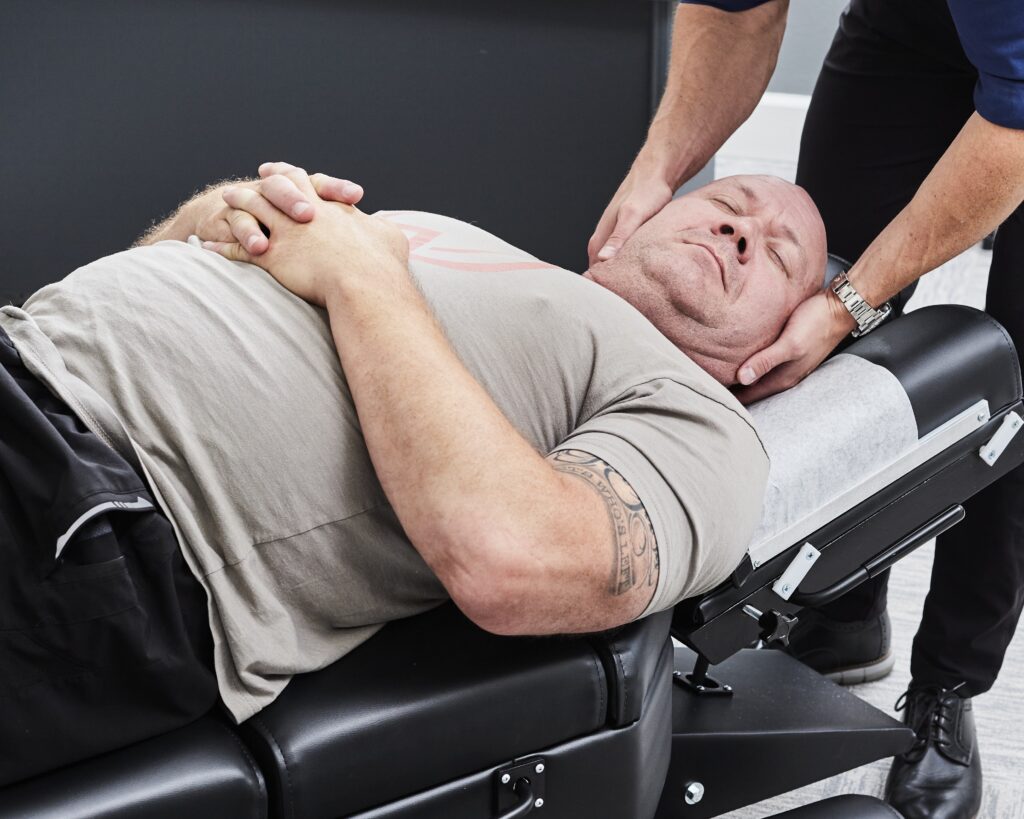

When it comes to managing pain, chiropractic care offers a variety of effective techniques designed specifically for your individual needs. One of the cornerstones of our practice is spinal adjustments, which realign your spine to promote better function and relieve discomfort. Alongside this, we utilize soft tissue therapies that help ease muscle tension, which can be a significant contributor to pain.
Additionally, exercise rehabilitation is another vital component of our approach. By incorporating tailored exercise programs, we can enhance your overall well-being, helping to strengthen muscles and improve mobility. This holistic approach not only addresses current pain but also works to prevent future issues.
But what other strategies do we employ to ensure lasting relief and foster improved health? It’s essential to know that chiropractic care is not just about immediate pain relief; it’s about promoting natural healing and healthier living. We emphasize the importance of good posture, proper ergonomics, and regular physical activity as foundational elements of wellness.
Here are some general tips to keep in mind:
- Maintain good posture, especially while sitting or using electronic devices.
- Stay active with regular, low-impact exercises like walking or swimming.
- Incorporate stretching into your daily routine to enhance flexibility and reduce tension.
- Stay hydrated and eat a balanced diet to support your body’s healing processes.
By focusing on these strategies, chiropractic care positions itself as the best choice for achieving optimal health and natural wellness. Together, we can work towards a pain-free life, allowing you to enjoy the activities you love without limitations. If you’re looking for a comprehensive approach to wellness, chiropractic care is here to help you every step of the way.
Key Takeaways
Chiropractic care offers a natural approach to pain management that can help you achieve optimal health without the need for surgeries or medications. Here are some effective techniques we use to enhance your wellness and relieve discomfort:
- Spinal Adjustments: By realigning the spine, we relieve pressure on nerves, which can lead to improved function and comfort throughout your body. Regular adjustments can make a significant difference in how you feel day-to-day.
- Soft Tissue Therapies: Techniques like myofascial release and trigger point therapy target areas of muscle tension, helping to increase your mobility and reduce pain. These therapies not only ease discomfort but also promote relaxation and well-being.
- Personalized Exercise Rehabilitation: We create customized exercise programs designed to strengthen your muscles and improve flexibility. This proactive approach supports long-term pain relief and helps you stay active and healthy.
- Nutritional Counseling: Eating the right foods can significantly impact your healing process. We focus on guiding you toward anti-inflammatory foods and proper hydration to support your body’s natural ability to heal and reduce pain.
- Lifestyle Practices: Simple changes to your daily routine can make a big difference. Maintaining good posture, making ergonomic adjustments at work, and being mindful of how you move can help maintain your spinal health and prevent future discomfort.
Incorporating these techniques into your life can lead to lasting pain relief and a healthier, more active lifestyle. Remember, chiropractic care is all about supporting your body’s natural ability to heal and thrive. If you have any questions or would like to learn more about how chiropractic care can benefit you, don’t hesitate to reach out!
Spinal Adjustments and Manipulations
When you experience pain, consider spinal adjustments and manipulations as a natural and effective way to find relief. These techniques focus on realigning your spine, which helps restore proper function and reduces discomfort.
As your local chiropractor, I use gentle yet precise movements to target misalignments, alleviating pressure on nerves and enhancing your overall mobility.
During an adjustment, you might feel a sudden release or pop, which is completely normal. Many people feel immediate relief after their sessions. By incorporating regular adjustments into your routine, you can maintain your spinal health and help prevent future pain episodes.
Spinal manipulations also promote better blood flow, which can aid in healing the affected areas of your body. Each session will be tailored to your specific needs, ensuring you receive personalized care that best fits you.
By choosing chiropractic care, you’re actively participating in managing your pain and enhancing your quality of life.
To maximize the benefits of spinal adjustments, consistency is key. Make it a point to attend your sessions regularly and follow any home care tips I provide.
Simple practices like maintaining good posture, staying active, and stretching can also greatly support your spinal health. Remember, taking care of your spine is a vital step toward achieving optimal health and wellness.
Embrace this natural approach to healing and enjoy the journey to a healthier you!
Soft Tissue Therapies
When it comes to managing pain, chiropractic care is your best ally, especially when combined with soft tissue therapies. Techniques such as myofascial release, trigger point therapy, and targeted stretching can complement chiropractic adjustments to relieve tension, enhance mobility, and promote overall wellness.
These methods focus on the soft tissues of the body—muscles, tendons, and fascia—helping to alleviate discomfort that may be caused by muscle tension or imbalances. By addressing these issues, you not only feel better but can also experience improved spinal alignment, which is crucial for maintaining overall health.
Here are a few tips to consider for optimal well-being:
- Stay Active: Engage in light exercises or stretches daily. This keeps your muscles flexible and supports your spine’s health.
- Listen to Your Body: Pay attention to areas of tension or discomfort. If you notice any persistent pain, it’s important to reach out to your chiropractor for an evaluation.
- Practice Good Posture: Whether sitting at a desk or standing, maintaining proper posture can significantly reduce strain on your spine and soft tissues.
- Hydrate: Drinking plenty of water aids in keeping your muscles hydrated and functioning well.
- Incorporate Soft Tissue Techniques: Consider adding gentle self-massage or foam rolling to your routine to help release tight areas.
Chiropractic care, coupled with soft tissue therapies, offers a natural and effective path to pain relief and enhanced well-being. You don’t have to rely on medications or invasive procedures. Instead, focus on nurturing your body through chiropractic adjustments and soft tissue techniques for a healthier, more vibrant life.
Myofascial Release Techniques
Myofascial release techniques are a valuable tool within chiropractic care, aimed at relieving tension in the fascia—the connective tissue that surrounds our muscles. By applying gentle and sustained pressure to specific areas, we can help ease tightness and restore your body’s normal function. As this tension releases, many patients notice increased blood flow and improved flexibility, which can lead to a significant reduction in pain.
These techniques are especially helpful for tackling chronic pain, headaches, and sports injuries. During your sessions, I may use my hands or specialized tools to effectively target tight fascia, promoting relaxation and healing in your body.
One of the most important aspects of myofascial release is communication. It’s essential for you to share your feelings throughout the process—let me know what feels good or if you’re experiencing any discomfort. This open dialogue ensures that you receive the most effective and personalized care possible.
As you explore myofascial release, here are a few general tips to support your journey to wellness:
- Stay Hydrated: Drinking plenty of water can help keep your fascia hydrated and more pliable.
- Gentle Stretching: Incorporate light stretching into your daily routine to maintain flexibility and ease tension.
- Mindfulness Practices: Engage in practices such as deep breathing or meditation to help reduce stress, which can contribute to muscle tightness.
Trigger Point Therapy
After delving into myofascial release techniques, it’s vital to highlight another powerful approach in chiropractic care: trigger point therapy. This effective technique zeroes in on those pesky tight knots in your muscles, known as trigger points. By applying targeted pressure to these areas, I can help alleviate pain and tension, allowing you to feel more comfortable and relaxed.
While you might experience some discomfort during the process, rest assured that it’s usually brief and can lead to substantial relief. Trigger point therapy not only enhances blood flow but also reduces muscle tightness and improves your overall mobility. It’s particularly helpful for common issues like tension headaches, neck pain, and lower back discomfort.
To maximize the benefits of trigger point therapy and support your health journey, consider these tips:
- Stay hydrated: Drinking plenty of water can help flush out toxins and keep your muscles functioning properly.
- Incorporate gentle stretching into your routine: This can help maintain flexibility and prevent the formation of new trigger points.
- Practice good posture: Being mindful of your posture can alleviate unnecessary strain on your muscles.
Regular sessions of trigger point therapy can play a key role in your overall wellness and pain management strategy. By choosing chiropractic care, you’re taking a proactive step toward regaining movement and comfort in your daily life, all through natural healing.
Stretching and Mobilization
Stretching and mobilization techniques are vital tools in the realm of chiropractic care, significantly contributing to your recovery and overall well-being. These techniques are designed to improve flexibility, reduce muscle tension, and enhance joint mobility. By incorporating stretching into your routine, you can effectively lengthen tight muscles, alleviating pain and expanding your range of motion.
Mobilization, on the other hand, involves gentle movements that help restore joint function and ease stiffness, allowing you to move more freely. As your chiropractor, I’ll customize these techniques to suit your individual needs, ensuring you achieve the best possible results.
To maximize the benefits of stretching and mobilization, consider these simple tips:
- Consistency is Key: Make stretching and mobilization a regular part of your daily routine. Even just a few minutes each day can lead to significant improvements over time.
- Listen to Your Body: Pay attention to how your body feels during these exercises. If something doesn’t feel right, stop and consult with me for guidance.
- Warm Up First: Before stretching or mobilizing, engage in light activity to warm up your muscles. This can include a short walk or gentle movements to prepare your body.
- Focus on Breathing: Incorporate deep breathing while you stretch. This can help relax your muscles and enhance the effectiveness of the techniques.
- Stay Hydrated: Drinking water supports muscle function and recovery, making your stretching and mobilization efforts more effective.
By embracing these practices, you can pave the way for a healthier, more active lifestyle. Regular stretching and mobilization not only help manage pain but also make daily activities easier and more enjoyable.
Experience the transformative impact of chiropractic care on your wellness journey and discover how these techniques can lead to a more vibrant, pain-free life.
Exercise Rehabilitation
When it comes to managing pain, incorporating exercise rehabilitation into your chiropractic care can make a remarkable difference. This holistic approach not only helps strengthen your muscles but also improves flexibility and enhances your overall mobility. By following a personalized exercise program designed by your chiropractor, you’re not just tackling the symptoms of pain; you’re actively addressing the root causes.
Here’s a simple overview of some effective exercises commonly used in rehabilitation:
| Exercise | Purpose | Frequency |
|---|---|---|
| Stretching | Increases flexibility and range of motion | Daily |
| Strength Training | Builds muscle support to protect your spine | 2-3 times a week |
| Aerobic Exercise | Boosts cardiovascular health and stamina | 3-5 times a week |
| Core Stabilization | Enhances balance and stability, essential for spinal health | 2-3 times a week |
Incorporating these exercises into your daily routine can lead to a more effective recovery and long-lasting pain relief. Remember, your chiropractor is here to guide you in creating a personalized plan that fits your specific needs, ensuring you achieve the best results.
Here are a few general tips to keep in mind as you embark on your exercise rehabilitation journey:
- Listen to Your Body: It’s important to pay attention to how your body feels during and after exercises. If something doesn’t feel right, consult your chiropractor.
- Stay Consistent: Regular practice of your exercise routine is key to seeing improvements. Aim to make it a part of your daily life.
- Focus on Form: Proper technique is crucial in preventing injuries and maximizing the benefits of each exercise. Don’t hesitate to ask your chiropractor for guidance.
- Hydrate and Nourish: Drinking plenty of water and maintaining a balanced diet supports your overall health and aids in recovery.
- Celebrate Small Wins: Every step you take towards improved health is a victory! Acknowledge your progress, no matter how small.
Electrical Stimulation
In addition to exercise rehabilitation, electrical stimulation is an effective tool in pain management within chiropractic care. This method utilizes gentle electrical currents to stimulate your nerves and muscles, promoting healing and alleviating discomfort. When you experience this treatment, you may feel a pleasant tingling sensation that helps reduce pain and enhances your mobility.
Chiropractors frequently employ electrical stimulation for a variety of conditions, such as back pain, neck pain, and muscle spasms. It’s particularly beneficial for those dealing with chronic pain, as it can disrupt the pain signals that reach your brain, offering you quick relief.
During your chiropractic sessions, you may receive electrical stimulation, which complements other treatments like manual adjustments and exercise. This integrative approach not only addresses your pain but also supports your overall recovery, helping you regain a better quality of life.
Here are some tips to enhance your healing journey:
- Stay Active: Regular movement is essential for your overall health. Incorporate gentle stretching or walking into your daily routine.
- Hydrate: Drinking plenty of water helps keep your muscles and joints lubricated, aiding in recovery.
- Listen to Your Body: Pay attention to how your body responds after treatments. Share any feedback with your chiropractor to tailor your care plan effectively.
- Practice Good Posture: Maintaining proper posture can alleviate strain on your spine and reduce discomfort.
Nutritional Counseling
Nutritional counseling is an important part of your journey towards pain relief and overall wellness. By focusing on dietary choices that support healing and incorporating natural supplements, you can boost your body’s ability to recover. As a chiropractor, I believe that proper nutrition works hand in hand with chiropractic care to help you achieve optimal health.
Let’s take a closer look at how nutrition can enhance your recovery and overall well-being:
- Choose Anti-Inflammatory Foods: Incorporate plenty of fruits and vegetables, especially those high in antioxidants like berries, leafy greens, and bell peppers. These foods can help reduce inflammation, which is often a source of pain.
- Stay Hydrated: Drinking enough water is crucial for maintaining healthy spinal discs and joints. Aim for at least eight glasses a day to keep your body well-hydrated.
- Healthy Fats: Include sources of omega-3 fatty acids, such as fish, walnuts, and flaxseeds. These fats can help reduce inflammation and promote joint health.
- Mindful Eating: Pay attention to how different foods make you feel. Keeping a food diary can help you identify which foods may trigger pain or discomfort.
- Supplements: While a balanced diet is key, certain supplements like turmeric or glucosamine may provide additional support for pain relief. Always consult with a healthcare professional before starting any new supplements.
- Chiropractic Care: Remember, chiropractic adjustments can improve your spinal alignment and reduce nerve interference, which can enhance your body’s ability to heal. When combined with a nutritious diet, you’re setting yourself up for success on your wellness journey.
By incorporating these nutritional tips and continuing with your chiropractic care, you’re taking important steps towards a healthier, pain-free life.
Dietary Recommendations for Healing
To promote healing and enhance pain management, it’s essential to understand how your diet can support your recovery journey. The food choices you make can significantly influence inflammation levels and your overall health. Here are some dietary recommendations to consider, especially when combined with chiropractic care for optimal wellness:
- Emphasize whole foods: Aim to fill your plate with an array of colorful fruits, vibrant vegetables, lean proteins, and whole grains. These nutrient-dense foods not only nourish your body but also provide the essential building blocks needed for healing. Think of them as fuel for your recovery!
- Stay hydrated: Water is your best friend! Make sure to drink plenty of water throughout the day to keep your body hydrated. Proper hydration is crucial for maintaining healthy joints and helps in flushing out toxins. This simple habit can make a big difference in how you feel.
- Limit processed foods: Try to cut back on sugary snacks, fast foods, and trans fats. These types of foods can increase inflammation in the body and may slow down your recovery. Instead, opt for natural, unprocessed options that support your health.
Combining these dietary tips with regular chiropractic care can lead to powerful results in pain relief and overall wellness.
Chiropractic adjustments help align your spine and improve your body’s function, which can enhance the benefits of a healthy diet.
Supplements for Pain Relief
As a local chiropractor, I want to share how incorporating the right supplements into your wellness routine can enhance your pain relief journey. While chiropractic care is my primary focus for achieving optimal health, certain supplements can complement your treatment and help you feel better.
Omega-3 fatty acids, commonly found in fish oil, are known for their ability to reduce inflammation. This can be particularly helpful for those experiencing pain related to conditions like arthritis. Another powerful supplement is turmeric, which contains curcumin—an ingredient celebrated for its anti-inflammatory effects. Adding these to your diet might support your overall wellness.
If you’re looking to improve joint health and mobility, consider glucosamine and chondroitin. These can be beneficial for people suffering from joint issues and can work alongside regular chiropractic adjustments to enhance your quality of life.
Don’t overlook magnesium either! This essential mineral plays a vital role in muscle function and can help relieve cramps and tension. It’s an excellent addition to your wellness toolkit.
Furthermore, vitamin D is crucial for bone health and can positively influence how you perceive pain.
Remember, it’s always a good idea to talk with me or your healthcare provider before starting any new supplements. We can help ensure that they align with your specific health needs and chiropractic care plan.
Incorporating these supplements into your routine, along with regular chiropractic adjustments, can significantly boost your pain management strategy. Embrace a holistic approach to your health, and take small steps daily towards a pain-free life!
Lifestyle and Ergonomic Advice
As a local chiropractor, I want to emphasize that while treatments like chiropractic adjustments are crucial for pain relief and overall health, the foundation of effective pain management lies in embracing healthier lifestyle habits and ergonomic practices.
By making small yet impactful changes in your daily routine, you can significantly reduce discomfort and enhance your well-being naturally.
Here are some helpful tips to consider:
- Maintain good posture: Whether you’re sitting at your desk or standing, it’s essential to keep your spine aligned and your shoulders back. This simple adjustment can prevent strain and promote spinal health.
- Take regular breaks: If you find yourself working at a desk for long periods, make it a point to stand up, stretch, and walk around every hour. This practice helps to keep your body relaxed and prevents tension from building up.
- Invest in ergonomic furniture: Choosing an ergonomic chair and desk setup can provide the support your body needs while you work. This reduces unnecessary stress on your spine and promotes a healthier workspace.
Remember, chiropractic care is an excellent choice for achieving optimal health and wellness.
By incorporating these lifestyle changes along with regular chiropractic adjustments, you can experience lasting relief and enjoy a more vibrant life.
Your journey to better health starts with small, manageable steps!
Patient Education and Self-Management Strategies
Taking charge of your health and understanding your body can make a world of difference in your journey toward pain relief and wellness. As your chiropractor, I’m here to support you, but empowering yourself with knowledge is a vital step in managing your pain naturally. Here are some practical strategies to consider:
| Strategy | Description |
|---|---|
| Stay Informed | Educate yourself about your condition and the benefits of chiropractic care. Knowledge is power, and understanding your options can lead to better outcomes. |
| Set Realistic Goals | Create small, achievable goals to measure your progress. This can help you stay motivated and focused on your recovery. |
| Practice Self-Care | Make time for regular movement, balanced nutrition, and relaxation techniques like mindfulness. These practices support your overall well-being and enhance the effectiveness of your chiropractic treatment. |
Maintaining open communication with me about your concerns and experiences is key to tailoring your plan. Never hesitate to ask questions or seek clarification about your treatment—your active participation is crucial for achieving long-lasting relief. By embracing this collaborative approach, you not only deepen your understanding of your body but also boost your chances of a healthier, pain-free life. Remember, chiropractic care is your pathway to natural wellness, and together, we can work toward optimal health!
Conclusion
Incorporating effective chiropractic techniques into your pain management routine can significantly enhance your overall health and well-being. Partnering with a chiropractor means you’ll experience the benefits of spinal adjustments, which can realign your spine and improve your body’s function. We also utilize soft tissue therapies to relieve muscle tension and enhance mobility, as well as personalized exercise plans designed specifically for your needs.
Don’t overlook the crucial role that nutrition and lifestyle changes play in your recovery journey. Simple adjustments such as incorporating more whole foods into your diet, staying hydrated, and engaging in regular physical activity can make a world of difference. Remember, your body is a complex system, and when one area is off, it can affect everything else.
With the right strategies and support from your chiropractor, you can take control of your pain and significantly improve your quality of life. Chiropractic care not only addresses pain at its source but also promotes natural healing and overall wellness. Start your path to relief today, and experience the benefits of a healthier, more aligned body!