
Chronic back pain can be a persistent barrier to your daily activities, but you don't have to rely solely on medication. You might find that effective non-invasive solutions, like physical therapy or chiropractic care, can greatly improve your quality of life. Exploring techniques such as acupuncture and mindfulness could also provide relief without invasive procedures. As you consider these options, it is crucial to understand how each approach contributes to a holistic strategy for managing your pain. So, what other lifestyle adjustments could complement these treatments and enhance your overall well-being?
Understanding Chronic Back Pain
Chronic back pain affects millions of people, often disrupting daily life and leading to frustration. It's important to understand what chronic back pain is and how it can impact your well-being.
Unlike acute back pain, which might result from a specific injury and typically resolves within a few weeks, chronic back pain lasts for three months or longer. You might experience it as a persistent ache, sharp pain, or stiffness that can make even simple tasks feel overwhelming.
The causes of chronic back pain are varied and can include conditions like arthritis, herniated discs, or spinal stenosis. Sometimes, the pain may have no identifiable source, which can be particularly challenging.
Stress and poor posture can also contribute, exacerbating your discomfort. Think about your daily habits—do you sit for long periods without proper support? Are you lifting heavy objects incorrectly? These factors can play a significant role in the pain you experience.
Recognizing the symptoms is the first step toward addressing them. You might notice that certain activities trigger your pain or that it worsens after long periods of inactivity. Understanding these patterns can help you take proactive measures.
While chronic back pain can feel isolating, you're not alone in this struggle. Seeking information and support can empower you to take control of your situation. By understanding the nature of your pain, you can begin to explore effective strategies to manage it.
Benefits of Physical Therapy
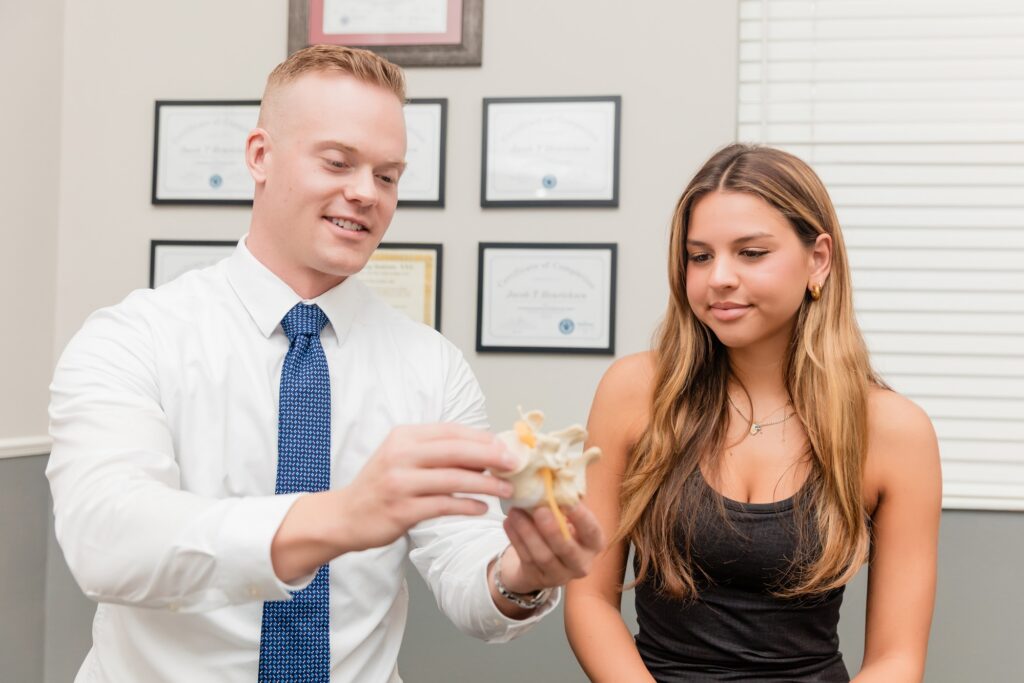
Finding effective ways to manage chronic back pain can feel overwhelming, but physical therapy offers a promising solution. When you engage in physical therapy, you're not just treating the symptoms; you're addressing the underlying issues causing your pain. A trained physical therapist will assess your condition, design a personalized exercise program, and guide you through movements that improve your strength and flexibility.
One significant benefit of physical therapy is its ability to enhance your mobility. You might find that certain movements are challenging or painful, but through targeted exercises, you'll gradually increase your range of motion. It's empowering to see your body become more capable over time.
Additionally, physical therapy can help reduce pain without the need for medication. By focusing on strengthening the muscles that support your spine and improving your posture, you'll likely experience less discomfort in daily activities. This holistic approach not only alleviates pain but also promotes overall wellness.
Another advantage is education. Your therapist will teach you about proper body mechanics and ergonomics, which can prevent future injuries. Being informed about how to move correctly can make a significant difference in your long-term health.
Lastly, physical therapy fosters a sense of accountability. Regular sessions encourage you to stay committed to your recovery goals. You'll feel supported on your journey, making it easier to stick with the program.
Role of Chiropractic Care
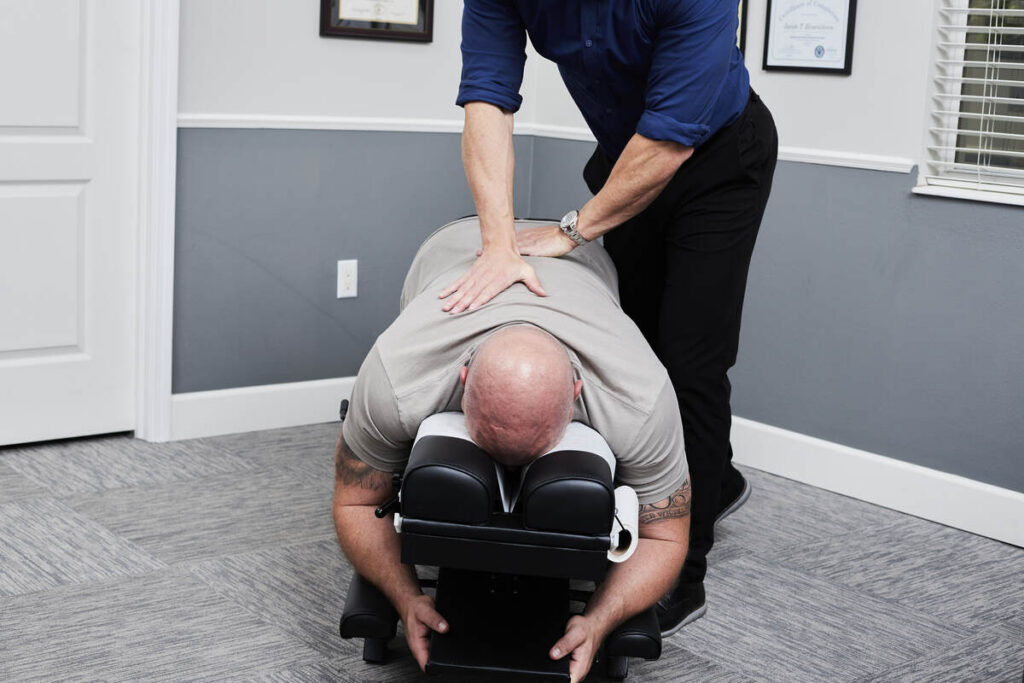
Chiropractic care plays an essential role in managing back pain by focusing on spinal alignment and overall musculoskeletal health. When you visit a chiropractor, they assess your spine's condition, identifying misalignments that might contribute to your discomfort. By adjusting these misalignments, they help restore proper function and mobility, which can lead to significant relief from pain.
One of the key benefits of chiropractic care is its emphasis on drug-free pain management. Instead of relying on medication, which can have side effects or lead to dependency, chiropractic adjustments target the root cause of your pain. You'll often find that regular visits not only alleviate current issues but also prevent future problems from arising.
Chiropractors may also recommend lifestyle changes, such as exercise routines and ergonomic adjustments, to support your recovery. They understand that effective treatment goes beyond the office, and they'll empower you with strategies to maintain your spinal health at home. By incorporating these practices into your daily life, you can enhance the effectiveness of your chiropractic sessions.
Moreover, many patients notice improved overall well-being after starting chiropractic care. With better spinal alignment, you might experience increased energy, improved sleep quality, and enhanced physical performance.
It's a holistic approach that addresses not just back pain, but also promotes your overall health. So, if you're struggling with chronic back pain, considering chiropractic care could be a pivotal step in reclaiming your quality of life.
Acupuncture for Pain Relief
Acupuncture can be an effective way to alleviate your chronic back pain by targeting specific points in your body.
Understanding its mechanism of action, recommended treatment frequency, and potential safety concerns can help you make an informed decision.
Let's explore how this ancient practice may offer you the relief you're looking for.
Mechanism of Action
Many people wonder how acupuncture can effectively relieve chronic back pain. The mechanism behind this ancient practice involves several key processes that interact with your body's own healing capabilities.
When you receive acupuncture, fine needles are inserted at specific points along your body's meridians. This stimulates the nervous system, triggering the release of endorphins and other neurotransmitters, which can reduce pain perception.
Additionally, acupuncture enhances blood flow to the affected areas, promoting healing and reducing inflammation. This improved circulation helps deliver essential nutrients and oxygen, supporting tissue repair.
The practice also encourages a balance in your body's energy flow, often referred to as "Qi." By restoring this balance, acupuncture can alleviate tension and stress that contribute to chronic pain.
Moreover, research suggests that acupuncture may alter the way your brain processes pain signals. This adjustment can lead to a decrease in pain sensations, making chronic discomfort more manageable.
Overall, acupuncture offers a holistic approach to pain relief, addressing not just the symptoms but also the underlying causes of chronic back pain.
Whether you're new to acupuncture or have tried it before, understanding its mechanism can enhance your experience and expectations.
Treatment Frequency Recommendations
Understanding how acupuncture works lays the groundwork for determining how often you should receive treatment for chronic back pain. Typically, practitioners recommend starting with one to two sessions per week for the first several weeks. This frequency allows your body to respond more effectively to the treatment, enhancing pain relief and promoting healing.
As you begin to notice improvements in your symptoms, your acupuncturist may suggest tapering down to once every two weeks or even once a month. The key is to listen to your body and adjust your visits based on how you're feeling. Some people find significant relief after a few sessions, while others may require ongoing treatment to maintain their progress.
It's also important to take into account your lifestyle, stress levels, and any underlying health conditions, as these factors can influence how often you should seek acupuncture.
Regular communication with your acupuncturist will help tailor a treatment plan that suits your specific needs and goals. Ultimately, finding the right frequency is a personal journey, and your commitment to the process will play a significant role in achieving long-lasting relief from chronic back pain.
Safety and Side Effects
When considering acupuncture for chronic back pain relief, it's essential to be aware of its safety and potential side effects. Acupuncture is generally regarded as safe when performed by a trained professional using sterile needles.
However, you should be mindful of a few possible side effects. Commonly reported reactions include minor bleeding or bruising at the needle sites, temporary soreness, or fatigue following treatment. These effects typically resolve quickly and aren't cause for concern.
In rare cases, more serious complications can occur, such as infections or punctured organs if needles are improperly inserted. To minimize risks, verify that your acupuncturist is licensed and follows proper hygiene practices.
If you have specific health conditions like bleeding disorders or are pregnant, discuss these with your acupuncturist beforehand. They can tailor the treatment to suit your needs while keeping safety in mind.
Mindfulness and Meditation Techniques
When you're dealing with chronic back pain, mindfulness and meditation can be powerful tools.
Breathing exercises help you manage pain by reducing stress and promoting relaxation, while guided visualization practices can transport your mind away from discomfort.
Breathing Exercises Benefits
Breathing exercises, often a cornerstone of mindfulness and meditation practices, offer significant benefits for managing chronic back pain. By focusing on your breath, you can cultivate relaxation and reduce tension in your body, which is essential for alleviating pain.
When you practice deep, controlled breathing, it helps stimulate the parasympathetic nervous system, promoting a state of calm that can directly impact your pain perception.
Incorporating breathing exercises into your daily routine can enhance your awareness of bodily sensations. This mindfulness allows you to identify areas of tension in your back, enabling you to address them more effectively.
Regular practice can also improve your posture, as being more conscious of your breath encourages you to lengthen your spine and align your body correctly.
Additionally, breathing exercises can serve as a powerful distraction from pain. When you concentrate on your breath, you redirect your focus away from discomfort, providing a mental break that can help reduce stress and anxiety associated with chronic pain.
Ultimately, these techniques empower you to take control of your pain management, fostering a sense of agency and well-being in your daily life.
Guided Visualization Practices
Guided visualization practices complement breathing exercises by offering a structured way to harness the power of your imagination for pain management. By focusing your mind, you can create vivid mental images that promote relaxation and reduce discomfort in your back. You might picture a serene landscape or visualize warmth flowing through your body, easing tension in your muscles.
To get started, find a quiet space where you won't be disturbed. Close your eyes and take a few deep breaths, allowing your body to relax. Next, guide yourself through a visualization, imagining a safe, calming place where you feel at ease.
As you immerse yourself in this mental imagery, pay attention to how your body responds. Notice any shifts in your pain levels as you engage with the visualization.
You can enhance the effectiveness of this practice by incorporating soothing sounds or gentle music. Regularly practicing guided visualization can empower you to manage your chronic back pain more effectively, fostering a sense of control and well-being.
With time, you'll likely find this technique becomes a valuable tool in your pain management toolkit.
Importance of Exercise and Stretching
How can exercise and stretching transform your experience with chronic back pain? Engaging in regular physical activity and dedicated stretching can greatly alleviate your discomfort and improve your overall quality of life.
When you exercise, you strengthen the muscles that support your spine, which can lead to better posture and reduced strain on your back. Activities like walking, swimming, or cycling can enhance your endurance and flexibility, making daily tasks easier and less painful.
Incorporating stretching into your routine is equally essential. It helps to increase your flexibility, reduce muscle tension, and improve blood circulation to your back. Simple stretches, such as the cat-cow stretch or child's pose, can relieve tightness and enhance mobility.
You'll notice that these simple movements can make a remarkable difference in your pain levels over time.
Moreover, exercise releases endorphins, your body's natural painkillers, which can elevate your mood and help you cope with chronic pain. It's important to find activities that you enjoy, as you're more likely to stay consistent.
Even low-impact exercises, like yoga or pilates, can be effective in promoting strength and flexibility without putting undue stress on your back.
Before starting any new exercise program, consider consulting with a healthcare professional to confirm it's safe and suitable for your specific condition.
Ergonomic Adjustments for Daily Life
Making ergonomic adjustments in your daily life can greatly enhance the benefits of exercise and stretching for managing chronic back pain. You mightn't realize how simple changes can make a significant difference in your comfort and mobility.
Here are three key adjustments to take into account:
- Optimize Your Workspace: Verify your desk, chair, and computer setup promote good posture. Your chair should support your lower back, and your feet should rest flat on the ground. Adjust your computer screen so it's at eye level, preventing neck strain.
- Mind Your Movements: Be conscious of how you lift and carry items. Use your legs rather than your back to lift heavy objects, keeping them close to your body. When moving items, pivot your feet instead of twisting your torso, reducing the strain on your spine.
- Choose Supportive Seating: Whether you're at home, work, or in your car, opt for chairs that provide good lumbar support. If your current seating isn't ideal, think about using cushions or ergonomic chairs designed to support your back's natural curve.
Nutrition and Hydration Impact
Many people overlook the vital role nutrition and hydration play in managing chronic back pain. What you eat and drink can greatly affect your body's healing processes and inflammation levels. A diet rich in anti-inflammatory foods can help alleviate pain. Incorporate plenty of fruits, vegetables, whole grains, and lean proteins into your meals. Foods high in omega-3 fatty acids, like salmon and walnuts, are especially beneficial for reducing inflammation.
On the other hand, processed foods, sugary snacks, and excessive salt can exacerbate inflammation and contribute to weight gain, placing additional stress on your back. You might want to limit these items in your diet to help manage your pain more effectively.
Hydration is equally essential. Your spinal discs require adequate moisture to maintain their structure and function. When you're dehydrated, these discs can lose their cushioning ability, potentially leading to pain. Aim to drink plenty of water throughout the day. If you find plain water unappealing, consider infusing it with fruits or herbs for flavor.
Balancing your diet with proper hydration can also improve your overall energy levels, helping you stay active. Regular movement is key to managing back pain, and feeling energized can make it easier for you to engage in physical activity.
Alternative Therapies and Holistic Approaches
Exploring alternative therapies and holistic approaches can uncover effective ways to manage chronic back pain without relying solely on medications. Incorporating these methods into your routine can provide relief, enhance overall well-being, and empower you to take charge of your health.
Here are three popular options you might consider:
- Acupuncture: This ancient practice involves inserting thin needles into specific points on your body. It's believed to stimulate the release of endorphins, which can help alleviate pain and promote relaxation.
- Chiropractic Adjustments: Visiting a chiropractor can help realign your spine and improve your body's function. Regular adjustments may relieve pressure on nerves and reduce pain, allowing you to move with greater ease.
- Yoga and Mindfulness: Practicing yoga can improve flexibility, strengthen muscles, and enhance posture, all of which are vital for back pain management. Additionally, mindfulness techniques may help you cope with pain by reducing stress and promoting relaxation.
Conclusion
To summarize, managing chronic back pain doesn't have to mean relying on medication. By exploring effective non-invasive solutions like physical therapy, chiropractic care, and acupuncture, you can enhance your mobility and overall well-being. Incorporating mindfulness, regular exercise, and ergonomic adjustments into your daily routine can make a significant difference. Remember, a holistic approach that includes proper nutrition and alternative therapies can empower you to take control of your pain and improve your quality of life.