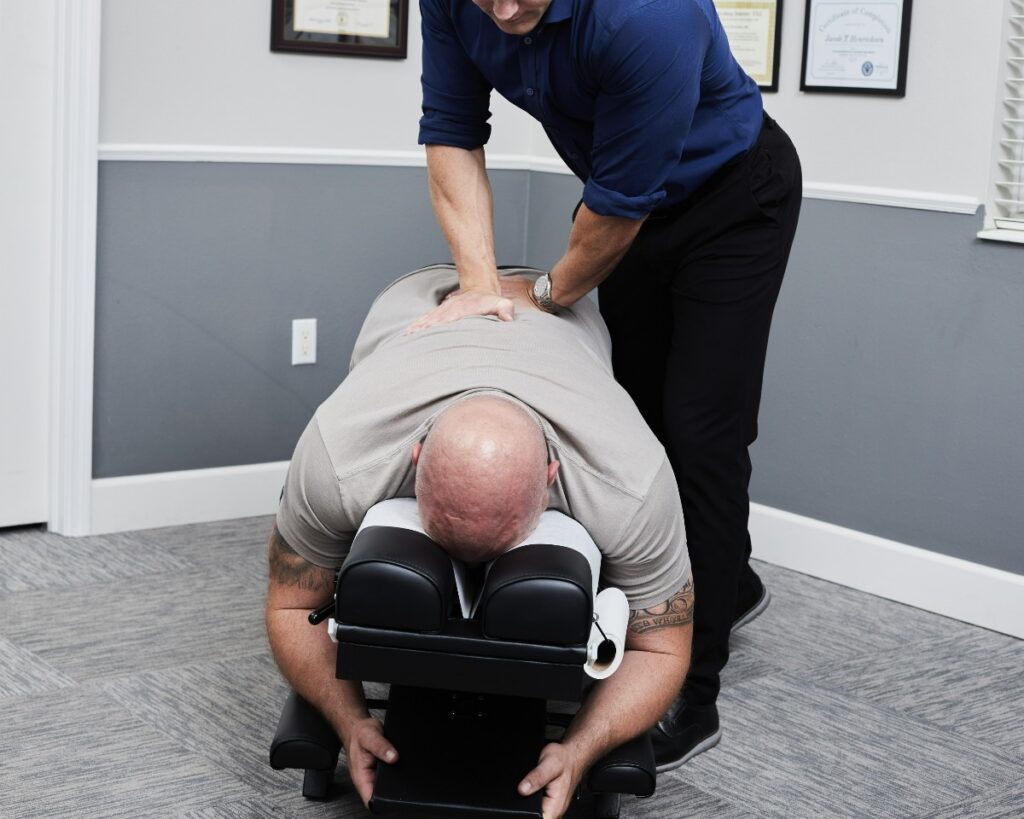

As a local chiropractor, I understand that many of you have experienced the burdens of stress at some point in your lives. It can often feel overwhelming, but I want to share with you some effective natural strategies for managing stress that can be easily integrated into your daily routine. Techniques such as mindfulness practices and spending time in nature not only promote relaxation but also support your overall well-being.
In my practice, I often recommend methods like deep breathing exercises, herbal remedies, and thoughtful dietary adjustments. These techniques can be tailored to fit your individual needs, helping you create a personalized toolkit for stress management. But there's more to these strategies than just surface-level benefits. By delving deeper into how they work, you may discover profound ways to transform your experience with stress and enhance your body's natural healing abilities.
Incorporating chiropractic care into this mix can further amplify the benefits. By addressing spinal alignment and promoting proper nerve function, we can help reduce physical tension in your body, which often contributes to stress. Together, we can explore a holistic approach to managing stress that works for you.
Mindfulness and Meditation
How often do you take a moment to check in with your body and mind? In today's fast-paced world, it's easy to let tension build up without even realizing it. Just like chiropractic care can help alleviate physical discomfort, incorporating mindfulness and meditation into your routine can foster mental clarity and a sense of calm amidst the chaos.
Mindfulness is about being present in the moment without judgment. You can start by simply observing your breath. Find a comfortable position, close your eyes, and focus on each inhale and exhale. Tune into how your body feels, the sensations around you, and the thoughts that come to mind. Rather than pushing those thoughts away, acknowledge them and allow them to pass.
This practice enhances your awareness of both your physical and mental state, which is essential for managing stress effectively.
Meditation builds on this practice. You might consider using a guided meditation app or video to support your efforts. Even dedicating just five to ten minutes a day can yield significant benefits.
As you meditate, you'll foster a deeper connection with your inner self, which can complement the physical adjustments I provide in chiropractic care. Together, these practices can help reduce anxiety, enhance your emotional resilience, and promote overall well-being.
Physical Exercise
As a local chiropractor, I want to emphasize the importance of regular physical exercise as a natural and effective way to manage stress and enhance your overall well-being. When you engage in physical activity, your body releases endorphins, commonly known as "feel-good" hormones. These natural chemicals play a crucial role in alleviating feelings of anxiety and depression, making exercise a vital component of your health routine.
You don't need to spend hours at the gym to experience these benefits. Even a brisk walk around your neighborhood or a quick 15-minute workout can significantly improve your mood and reduce stress levels. I encourage you to explore activities that you genuinely enjoy—whether it's dancing, cycling, swimming, or practicing yoga. The key is to elevate your heart rate and keep your body in motion.
Incorporating regular exercise into your daily routine can also lead to better sleep quality. Improved sleep means you'll wake up feeling more refreshed and ready to face daily challenges, which can help in reducing overall stress. Additionally, setting achievable fitness goals can boost your sense of accomplishment, further enhancing your mood and motivation.
I recommend treating your workouts like any other important appointment in your life. Consistency is key; aim for at least 150 minutes of moderate exercise each week. To stay motivated, consider joining a group or finding a workout buddy who can hold you accountable and make exercising more enjoyable.
As you embark on this journey towards better health, remember that chiropractic care can complement your exercise routine. It can help ensure that your body is functioning optimally, allowing you to fully enjoy the benefits of physical activity.
Together, we can work towards a healthier, more balanced lifestyle.
Breathing Techniques
As a local chiropractor, I want to share with you some valuable breathing techniques that can significantly aid in managing stress and promoting relaxation, both of which are essential for your overall wellness.
When you take a moment to concentrate on your breath, you effectively divert your focus from daily stressors, fostering a calming response in both your body and mind.
One powerful technique I recommend is diaphragmatic breathing. To practice this, find a comfortable seated position. Place one hand on your chest and the other on your abdomen. As you inhale deeply through your nose, allow your abdomen to rise while keeping your chest relatively still.
Then, exhale slowly through your mouth, noticing how your abdomen falls. Repeat this process for several minutes, and you may find a wonderful reduction in tension throughout your body.
Another effective approach is the 4-7-8 method. This technique involves inhaling through your nose for a count of four, holding your breath for seven counts, and then exhaling through your mouth for eight counts.
This rhythmic breathing pattern not only helps to calm your nervous system but also empowers you to gain better control over your thoughts and emotions.
Lastly, I encourage you to try the box breathing technique. Inhale through your nose for a count of four, hold your breath for another four counts, exhale through your mouth for four counts, and hold once more for four counts.
This method can be especially beneficial during moments when you feel overwhelmed or anxious.
Herbal Remedies
As a chiropractor, I often emphasize the importance of a holistic approach to health and well-being, which includes managing stress naturally. Herbal remedies can play a significant role in this process, as many herbs possess calming properties that can help you unwind and restore balance in your life.
One of the most well-known herbs for relaxation is chamomile. Drinking chamomile tea can be a soothing way to prepare for sleep, making it easier for you to drift off into a restful night. Incorporating this into your evening routine may improve your overall well-being.
Another herb that I've found to be beneficial is lavender. Its calming aroma can be utilized in several ways—either through a diffuser or applied topically as oil. Research indicates that inhaling lavender can significantly lower anxiety levels, which may enhance your overall relaxation.
If you're looking for something more traditional, valerian root is a fantastic option. Often regarded as a natural sedative, it can promote relaxation and improve sleep quality, which is essential for your body's recovery and overall health.
Passionflower is gaining popularity for its ability to relieve stress and anxiety. You can enjoy it in tea or capsule form, and many of my patients find it helpful in alleviating symptoms of anxiety.
Another herb I recommend is ashwagandha, an adaptogen known for its capacity to help the body cope with stress. This herb can promote a sense of calm and balance, which is crucial when addressing the physical and mental impacts of stress.
Lastly, don't underestimate lemon balm. This fragrant herb can be brewed into a tea or taken as a supplement, helping to reduce stress and uplift your mood.
Before trying any new herbal remedies, I encourage you to consult your healthcare provider, especially if you're on medication or have existing health concerns.
Dietary Adjustments
As a chiropractor, I want to emphasize the crucial role your diet plays in managing stress levels.
By incorporating nutrient-rich foods into your meals and ensuring you stay well-hydrated, you can significantly enhance your body's ability to cope with stress. This is an essential aspect of natural healing that complements the adjustments and therapies we provide in our practice.
Additionally, being mindful of your caffeine intake is important; reducing it can help prevent unnecessary spikes in anxiety, allowing you to feel more balanced and relaxed.
Nutrient-Rich Foods
As a local chiropractor, I want to share how incorporating nutrient-rich foods into your diet can significantly support your overall well-being, especially when it comes to managing stress.
Your body's ability to handle stress is closely tied to what you consume, as the right nutrients provide the essential vitamins and minerals that contribute to optimal mental health. By making conscious choices about your diet, you can enhance your body's natural stress response and promote healing from within.
Here are five nutrient-rich foods that I recommend adding to your meals to help you feel your best:
- Leafy Greens: These are loaded with magnesium, a mineral that plays a crucial role in regulating cortisol levels, which is often referred to as the stress hormone.
- Berries: These colorful fruits are packed with antioxidants that help fight oxidative stress and reduce inflammation in the body, supporting both your physical and mental health.
- Nuts: A handful of nuts provides healthy fats and vitamin E, both of which are beneficial for maintaining brain health and function.
- Salmon: This fatty fish is an excellent source of omega-3 fatty acids, which have been shown to lower anxiety levels and improve mood.
- Whole Grains: Foods like oats and brown rice offer a steady source of energy and serotonin, a neurotransmitter that can help elevate your mood.
By integrating these foods into your diet, you can complement your chiropractic care and promote a healthier, more balanced lifestyle.
Hydration Importance
As a local chiropractor, I want to emphasize the vital role hydration plays in managing stress and supporting your overall well-being. Just as nutrient-rich foods are essential for your health, staying properly hydrated is equally important.
When your body is well-hydrated, it operates more effectively, helping to alleviate feelings of anxiety and irritability. Conversely, dehydration can lead to fatigue, headaches, and diminished focus—all of which can exacerbate stress levels.
It's important to make a conscious effort to drink plenty of water throughout the day. A practical tip is to carry a water bottle with you, allowing you to sip regularly without waiting for the sensation of thirst. Being proactive about your hydration can significantly improve your mood and energy levels.
Additionally, consider incorporating foods with high water content into your diet, such as cucumbers, oranges, and leafy greens. These not only contribute to your hydration but also provide essential nutrients.
Herbal teas and infusions are wonderful alternatives to plain water, keeping your fluid intake enjoyable while often offering their own stress-relieving benefits.
Caffeine and Stress
As a local chiropractor, I want to share how managing your caffeine intake can significantly impact your stress levels and overall well-being. Many people enjoy that morning cup of coffee for an energy boost, but if consumed in excess, it can lead to increased anxiety and irritability. Understanding how your body responds to caffeine is crucial for effective stress management.
Here are some important points to consider:
- Caffeine stimulates the central nervous system, which can elevate your heart rate and amplify feelings of anxiety.
- It may disrupt your sleep patterns, resulting in fatigue and higher stress levels throughout the day.
- If you decide to cut back on caffeine, be cautious; withdrawal symptoms such as headaches and irritability can occur if you reduce your intake too quickly.
- Remember, everyone metabolizes caffeine differently; what may be beneficial for one person could be overwhelming for another.
- Strive for moderation; consider limiting yourself to one or two servings of caffeine per day.
For those looking to manage stress naturally, I recommend exploring herbal teas or decaffeinated options in the afternoon.
As you adjust your caffeine consumption, you may notice a decrease in anxiety and an improvement in your mood. Pay attention to how your body feels and find a balance that keeps you energized without overwhelming your system.
Natural healing, including chiropractic care, can also support your journey toward a healthier lifestyle.
Nature Therapy
As a chiropractor, I often emphasize the importance of holistic healing, which includes the powerful benefits of nature therapy. Throughout history, individuals have sought refuge in the great outdoors, and research supports the idea that spending time in nature can significantly reduce stress levels. Allowing yourself to engage in nature therapy can help you reconnect with the world around you, ultimately enhancing your overall well-being.
Picture this: stepping outside, inhaling the fresh air, and feeling the sun's warmth on your skin. These simple pleasures can profoundly impact your mental health. Studies have shown that being in natural environments can lower cortisol levels, the hormone largely responsible for stress. You may find that even a brief walk in a local park can elevate your mood and clear your thoughts.
Incorporating nature into your daily routine can be a beneficial practice for your overall health. Consider taking your lunch outdoors or exploring hiking trails on the weekends. If you're unable to venture far, nurturing a garden or caring for houseplants can offer similar therapeutic effects.
The key is to be mindful and engage with your surroundings, letting the beauty of nature envelop you.
As someone who cares about your well-being, I encourage you not to underestimate the power of nature therapy. It's an accessible and effective method to manage stress, enhance your mood, and cultivate a sense of tranquility.
The next time you feel overwhelmed, I invite you to step outside and reconnect with nature. You may find that it's exactly what you need to recharge and restore balance in your life, complementing the benefits of chiropractic care and natural healing.
Social Connections
As a chiropractor dedicated to your overall well-being, I often encourage my patients to appreciate the power of social connections in their lives. These relationships are more than just enjoyable interactions; they can profoundly affect your mental and emotional health, especially during stressful times.
When you connect with others, you cultivate support, understanding, and a sense of belonging that can help you navigate life's challenges more effectively.
Here are some benefits of nurturing your social connections:
- Emotional Support: Just as chiropractic care can alleviate physical discomfort, friends and family can help you process your feelings and provide comfort during tough times. Emotional support is crucial for a balanced life.
- Shared Laughter: Engaging in humor and joyful interactions with others can release endorphins, lifting your spirits and reducing stress hormones, much like how adjustments can help alleviate tension in your body.
- Perspective: Talking with someone you trust can offer new viewpoints and solutions to your problems that you mightn't have considered. This exchange of ideas can be as enlightening as a chiropractic adjustment that realigns your thinking and approach to challenges.
- Accountability: A strong social network can motivate you to pursue your health goals and maintain healthy habits, similar to how regular chiropractic visits can keep you aligned and on track with your wellness journey.
- Reduced Loneliness: Establishing regular connections can fight feelings of isolation, enhancing your overall happiness and well-being, much like the holistic approach we take in chiropractic care.
Building and maintaining your social circle doesn't need to be complicated. Simple actions, such as a phone call, a coffee date, or even a quick text message, can significantly strengthen these relationships.
I encourage you to make it a priority to reach out to friends or family, even if it's just for a brief chat. You'll discover that these connections aren't only a source of joy but also an effective natural strategy for relieving stress.
Conclusion
As a local chiropractor, I want to share with you some effective natural stress relief strategies that can complement your overall wellness journey. By incorporating these techniques into your daily routine, you can create a holistic approach to managing stress.
First, consider the benefits of mindfulness and meditation. These practices can help center your mind and reduce anxiety, making you more aware of your body's needs. Staying active is another essential component; regular physical activity not only strengthens your body but also releases endorphins that naturally improve your mood.
Don't underestimate the healing power of nature. Taking time to explore the outdoors can significantly enhance your mental well-being. Additionally, deep breathing exercises can promote relaxation and reduce tension, making them a fantastic tool to use throughout your day.
I also encourage you to explore herbal remedies that can support your body's natural healing processes. Coupled with a balanced, nutritious diet, these elements can truly enhance your overall health. Lastly, nurturing strong social connections is vital, as a supportive community can be a source of comfort during stressful times.
Remember, even small adjustments to your lifestyle can lead to significant improvements in your well-being. I invite you to start incorporating these strategies into your life today, and together we can work towards a calmer, more relaxed existence. Your health is a priority, and I'm here to help guide you on this journey.