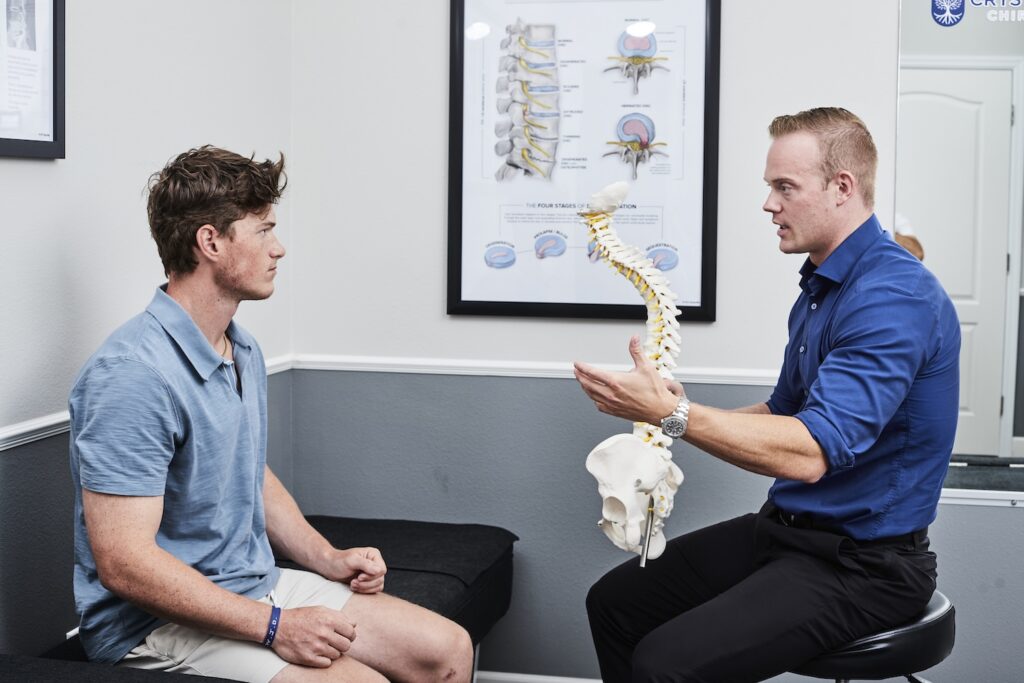
As your local chiropractor, I want to share something important about pain relief that goes beyond just quick fixes. Many people think that popping a pill is the solution, but there's a much more sustainable approach that can truly make a difference in your life. By incorporating elements such as a balanced diet, regular exercise, and mindfulness practices into your daily routine, you can significantly improve your pain experience.
It's not only about the treatments you receive in my office; it's about the lifestyle choices you make every day. There are proven strategies that can enhance your healing journey, and understanding these can completely change your relationship with pain. Are you ready to explore how a holistic approach – one that considers your overall health and wellness – can empower you to take control of your pain? Let's work together to uncover the secrets to lasting relief!
Understanding Chronic Pain
Understanding chronic pain is crucial, especially when considering how chiropractic care can help. Chronic pain isn't merely a symptom; it's a complex condition that can significantly impact your daily life. You may find yourself dealing with persistent discomfort long after an injury has healed, or perhaps you experience ongoing pain without any apparent reason. This unpredictability can be both frustrating and overwhelming.
As a chiropractor, I want to highlight that chronic pain can arise from various sources, including past injuries, underlying medical conditions, or even emotional stress. It's important to recognize that your pain mightn't always correlate with physical activities or injuries, which can add to the confusion.
Our bodies and minds are interconnected, and factors like stress or anxiety can intensify your perception of pain, while positive emotions may help to ease it.
One key aspect of managing chronic pain is understanding that it's unique to each individual. What works for one person may not be effective for you. This is where chiropractic care can be beneficial. We can work together to explore different approaches tailored to your specific needs.
This may involve various chiropractic techniques, lifestyle adjustments, and recommendations for exercises that promote healing and well-being.
Remember, you aren't alone in your struggle with chronic pain. Many individuals face similar challenges, and there are numerous resources and support systems available to assist you.
By understanding the multifaceted nature of chronic pain, you can take the first step towards regaining control over your life and discovering effective relief strategies through natural healing and chiropractic care.
Let's work together to find the best path for your journey to wellness.
The Role of Diet
As your local chiropractor, I want to emphasize how crucial your diet is in managing pain and promoting overall health.
The foods you choose to include in your meals can significantly affect your pain levels. By incorporating anti-inflammatory foods into your diet and ensuring you stay well-hydrated, you can help reduce inflammation in your body, which may alleviate discomfort and enhance your well-being.
Let's delve into how these dietary choices can play a vital role in your journey toward pain relief and natural healing. Together, we can explore the best options to support your health through nutrition.
Anti-Inflammatory Foods
As a local chiropractor, I want to share with you the importance of nutrition in managing inflammation and supporting your overall health. A colorful plate filled with fruits, vegetables, and whole grains can be a powerful tool in reducing inflammation, which is essential for your body's healing process.
To start, consider adding berries to your breakfast or snacks. These little fruits are rich in antioxidants, which can help combat inflammation.
Leafy greens like spinach and kale should also be staples in your diet; they're loaded with essential vitamins and minerals that play a vital role in fighting inflammation.
Don't overlook the significance of healthy fats! Incorporating sources like olive oil, avocados, and fatty fish such as salmon can significantly lower inflammation levels in your body.
Additionally, nuts and seeds are excellent options, as they provide omega-3 fatty acids known for their anti-inflammatory benefits.
Let's not forget about the power of spices! Turmeric and ginger are fantastic additions to your meals; they not only enhance flavor but also support your body's natural healing processes.
Whole grains, including quinoa and brown rice, are packed with fiber, which is crucial for maintaining a healthy gut, further aiding in inflammation reduction.
Hydration's Impact
As a local chiropractor, I want to emphasize how crucial hydration is for managing inflammation and supporting your overall health. When you're well-hydrated, your body can effectively eliminate toxins and reduce the accumulation of harmful substances that contribute to pain and discomfort.
Water is essential for maintaining the balance of bodily fluids, which plays a significant role in nutrient absorption and keeping your joints lubricated.
To make the most of your hydration, it's important to drink water consistently throughout the day, not just when you feel thirsty. Including hydrating foods in your diet—such as fruits and vegetables—can also enhance your fluid intake. Foods like cucumbers, watermelon, and oranges not only keep you hydrated but also provide essential vitamins and minerals that aid in your body's healing processes.
It's crucial to understand that dehydration can worsen inflammation, leading to heightened pain levels. By prioritizing your hydration, you're taking a proactive step towards finding relief from pain.
I recommend aiming for at least eight glasses of water daily, adjusting this amount based on your activity level and the climate you live in. Keep in mind that staying hydrated goes beyond just drinking water; it's about nourishing your body to achieve optimal health and well-being.
If you're looking for natural ways to enhance your healing journey, proper hydration is a foundational aspect you won't want to overlook.
Natural Remedies That Work
As a local chiropractor, I often see patients who are searching for effective and lasting pain relief.
I want to share with you how natural remedies can truly make a difference in your wellness journey. Many people are surprised to learn the potential benefits of herbal treatments, essential oils, and dietary adjustments in alleviating discomfort.
By incorporating these natural methods alongside chiropractic care, we can work together to find the best approach tailored to your individual needs.
Let's dive into these options and discover how they can complement your path to healing.
Herbal Treatments Overview
As your local chiropractor, I want to share with you some insights into herbal treatments that can complement our chiropractic care and offer a natural approach to pain relief. Many of my patients find these remedies effective, as they tap into the healing power of plants and their compounds, providing a holistic alternative to conventional methods.
For example, turmeric is a fantastic herb to consider. It contains curcumin, which has powerful anti-inflammatory properties that can help alleviate pain associated with conditions like arthritis and muscle soreness.
Another great option is ginger; it not only helps reduce inflammation but also aids in digestive issues that often accompany chronic pain.
You might also want to explore willow bark. This herb is known for its pain-relieving effects, similar to aspirin, and is particularly effective for headaches and lower back pain.
Then there's devil's claw, which has become popular for its ability to ease joint pain and enhance mobility, making it a valuable ally in your healing journey.
When considering herbal treatments, I always recommend consulting with a healthcare professional, especially if you're currently taking other medications.
It's essential to remember that while these natural remedies can be beneficial, everyone's body reacts differently.
I encourage you to keep a journal to track your experiences with these herbs, noting what works best for you. This way, we can work together to adjust your approach for optimal results as you navigate your path to wellness.
Essential Oils Benefits
As a chiropractor, I often emphasize the importance of holistic approaches to health and wellness, and essential oils are a fantastic natural remedy that many patients find beneficial for pain relief.
If you're seeking ways to alleviate discomfort in your body, consider incorporating essential oils like lavender, peppermint, and eucalyptus into your routine.
Lavender oil is particularly renowned for its calming effects, making it an excellent choice for relieving tension headaches and stress-related pain. You can use just a few drops in a diffuser or mix it with a carrier oil for topical application, providing a soothing touch that complements chiropractic adjustments.
Peppermint oil is another popular option, especially for addressing muscular pain or headaches. Its natural menthol content produces a cooling sensation that can help to ease tension and reduce inflammation. When diluted with a carrier oil and applied to the affected area, it can provide fast relief, enhancing the benefits of chiropractic care.
Eucalyptus oil is also invaluable for respiratory support and alleviating muscle soreness. Its anti-inflammatory properties can aid in pain reduction and promote healing, making it a great addition to your wellness regimen.
To get the most out of essential oils, think about integrating them into your daily routine through baths, massages, or aromatherapy practices alongside your chiropractic treatments.
Keep in mind that everyone's body responds differently, so it may take some trial and error to discover which oils resonate with you.
With regular use, essential oils can become an essential part of your pain management strategy, complementing the benefits of chiropractic care.
Dietary Changes Impact
As a local chiropractor, I want to emphasize the significant role that dietary changes can play in enhancing your overall health and well-being, particularly when it comes to managing pain. Many people are unaware that certain foods can either worsen or alleviate discomfort.
For instance, incorporating anti-inflammatory foods, such as fatty fish rich in omega-3 fatty acids, can be beneficial in reducing joint pain and stiffness. Conversely, it's important to limit your intake of processed foods, sugars, and trans fats, as these can trigger inflammation and exacerbate your symptoms.
Instead, I recommend focusing on whole grains, fruits, and vegetables, which are packed with essential nutrients that support healing. Hydration is also crucial for your health. Drinking ample water helps your body function efficiently and can aid in pain reduction.
Herbal teas, such as ginger or turmeric, are excellent choices as they possess anti-inflammatory properties. Let's not overlook the power of spices! Adding turmeric and cinnamon to your meals can provide natural relief from pain.
Remember, every small change you make in your diet can contribute significantly to your pain management strategy. By being mindful of what you eat, you can take proactive steps toward improving your quality of life.
Exercise and Pain Management
As a local chiropractor, I want to emphasize the vital role that exercise plays in managing pain and enhancing your overall well-being. Many people may not realize that incorporating regular physical activity into their routine can significantly alleviate pain and improve quality of life.
When you exercise, your body releases endorphins, which serve as natural pain relievers. Additionally, staying active increases your strength, flexibility, and endurance, making everyday tasks more manageable and less painful.
Here are three types of exercises I recommend for effective pain management:
- Low-Impact Aerobics: Engaging in activities such as walking, swimming, or cycling can elevate your heart rate without placing excessive strain on your joints. I suggest aiming for at least 30 minutes of these activities most days of the week to reap the benefits.
- Strength Training: Building muscle is essential for supporting and stabilizing areas of discomfort in your body. Start with light weights or resistance bands, and as you gain strength, gradually increase the intensity of your workouts. This approach not only helps alleviate pain but also contributes to overall health.
- Stretching and Flexibility Exercises: Incorporating practices like yoga or Pilates into your routine can greatly enhance your flexibility and reduce muscle tension. These methods are particularly beneficial for those dealing with chronic pain conditions, such as arthritis or back pain.
Mindfulness and Meditation Techniques
As a local chiropractor, I want to share with you the importance of mindfulness and meditation techniques in managing pain and improving your overall mental well-being. These practices can complement the chiropractic care you receive by helping you cultivate a more profound awareness of your body and its sensations.
When you practice mindfulness, you learn to respond to pain in a more effective way. Instead of letting discomfort take over your thoughts, mindfulness teaches you to observe your pain without judgment, creating a mental space that can help diminish its intensity.
To begin incorporating these techniques into your routine, find a quiet space where you can sit comfortably. Close your eyes and take several deep breaths, concentrating on the air flowing in and out of your body. As thoughts come to mind, simply acknowledge them and gently redirect your focus back to your breath. This practice not only helps you stay present but also reduces anxiety and stress, which can often make pain feel worse.
Meditation can further support your journey toward pain management. I recommend trying a body scan meditation. Start from your toes and mentally check in with each part of your body, moving up to your head. Pay attention to areas where you feel tension or pain, and breathe into those spots, allowing relaxation to wash over you.
Regularly practicing mindfulness and meditation can lead to significant changes in how you perceive and handle pain, making it more manageable. Even dedicating just a few minutes each day can enhance your resilience.
As you weave these practices into your daily life alongside chiropractic care, you'll likely discover that your pain becomes less overwhelming, and your overall quality of life improves. Together, we can work towards a healthier, more balanced you.
Alternative Therapies to Explore
As a local chiropractor, I want to take a moment to share some insights about alternative therapies that can help manage pain and promote healing. Many of my patients have found that these approaches can work hand-in-hand with traditional treatments, empowering them to take charge of their health.
Here are three therapies I believe are worth exploring:
1. Acupuncture: This ancient practice from Chinese medicine involves the gentle insertion of thin needles into specific points along the body's energy pathways. I've seen many patients experience significant pain relief through acupuncture, as it can stimulate the release of endorphins and improve blood flow.
If you're curious about holistic healing, this could be a great option for you.
2. Chiropractic Care: As a chiropractor, I focus on addressing musculoskeletal issues that may be the source of your pain. Through precise spinal adjustments, we can realign your spine and enhance your overall function.
This not only helps alleviate discomfort but also promotes better mobility. Regular chiropractic visits can be a valuable part of maintaining your body's efficiency and wellbeing.
3. Massage Therapy: Therapeutic massage is another fantastic option for pain relief. It can help reduce muscle tension, alleviate soreness, and promote deep relaxation.
Techniques like deep tissue and Swedish massage can be tailored to target specific areas of discomfort, ensuring you receive personalized care. Plus, the soothing effects of massage can uplift your mood and enhance your overall sense of wellbeing.
If you're interested in exploring these alternative therapies, I encourage you to reach out and learn more. Together, we can create a comprehensive approach to your health that aligns with your needs and preferences.
The Importance of Sleep
As a local chiropractor, I want to emphasize how crucial sleep is for your overall health and recovery, especially if you're dealing with pain. Quality sleep is essential for your body's healing processes. It helps reduce inflammation and boosts your pain tolerance.
When you get good sleep, your body produces growth hormones and cytokines that are vital for repairing tissues and combating infections, which can actually worsen pain.
If you're experiencing pain, you may find that sleepless nights are a frequent struggle. This lack of rest can lead to a harmful cycle where pain disrupts your sleep, and insufficient sleep makes you more sensitive to that pain. By prioritizing sleep, you can break this cycle and improve your overall well-being.
To enhance your sleep quality, I recommend establishing a calming bedtime routine. Turn off your screens at least an hour before you go to bed, as the blue light from devices can interfere with your natural sleep-wake cycle.
Create a comfortable sleep environment by keeping your bedroom cool, dark, and quiet. Consider using blackout curtains or a white noise machine to block out any disturbances.
Additionally, be mindful of your daily habits. Regular exercise can significantly promote better sleep, but try to avoid vigorous workouts close to bedtime. Also, limit your caffeine and alcohol intake, especially in the hours leading up to sleep.
By making these adjustments, you'll not only improve the quality of your sleep but also support your body's ability to find lasting pain relief. Remember, a well-rested body is much better equipped to manage pain and facilitate recovery.
If you have any questions about how chiropractic care can further assist you in your healing journey, feel free to ask!
Building a Support Network
As a chiropractor, I've seen firsthand how a strong support network can significantly enhance your journey toward lasting pain relief. Surrounding yourself with people who understand your challenges can provide not only emotional support but also practical help and encouragement in managing your health.
Building this network is crucial, and it doesn't have to feel daunting.
Here are three steps to help you create a supportive environment that complements your chiropractic care:
- Connect with Friends and Family: Start by reaching out to those who care about you. Share your experiences with them, including what you're going through in terms of pain and discomfort. While they may not fully grasp the details of chiropractic care, their presence and willingness to listen can be incredibly comforting and motivating.
- Join Support Groups: Consider looking for local or online support groups that focus on pain management and holistic healing. These communities can connect you with others facing similar challenges. You'll find not only valuable advice and shared experiences but also a sense of belonging that can alleviate feelings of isolation as you navigate your healing journey.
- Consult Healthcare Professionals: Don't overlook the importance of incorporating healthcare professionals, like chiropractors, into your support network. We can provide expert guidance tailored to your specific needs, offering therapeutic resources and coping strategies that align with natural healing principles.
Establishing a strong relationship with a chiropractic provider can significantly enhance your overall pain management efforts and support your path to wellness.
Together, with the right support network, we can work towards achieving your health goals and improving your quality of life.
Conclusion
As a local chiropractor, I want to share with you how a holistic approach to pain relief can significantly enhance your healing journey. Many people are not aware of the intricacies of chronic pain, but by educating yourself about it and integrating natural methods, you can take back control of your life.
One of the key components of effective pain management is embracing anti-inflammatory foods. These can help reduce pain and support your overall health. Regular exercise is also vital; it not only strengthens your body but can also improve your mobility and reduce discomfort. Additionally, mindfulness techniques such as meditation or deep breathing can help manage stress and enhance your emotional well-being.
Don't overlook the importance of quality sleep and the support of a network that includes friends, family, and healthcare professionals. These elements work together to create a comprehensive strategy that addresses both your physical and emotional needs.
As your chiropractor, I am here to guide you through this journey. By embracing these natural healing practices, you may find the lasting relief you've been seeking. Together, we can explore the best options for you and help you achieve a healthier, pain-free life.