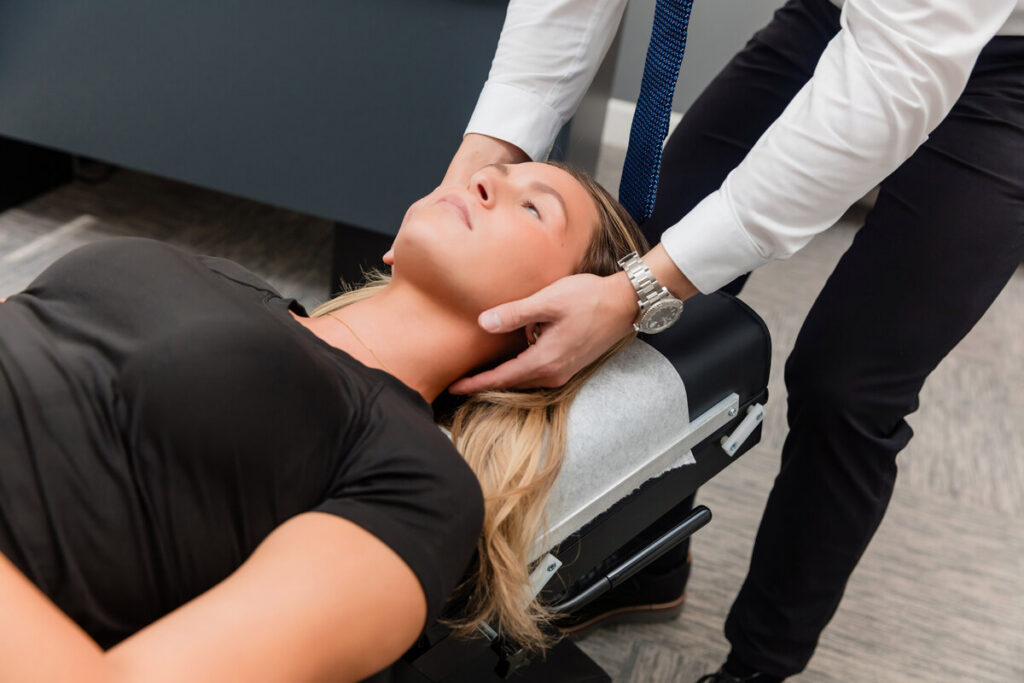
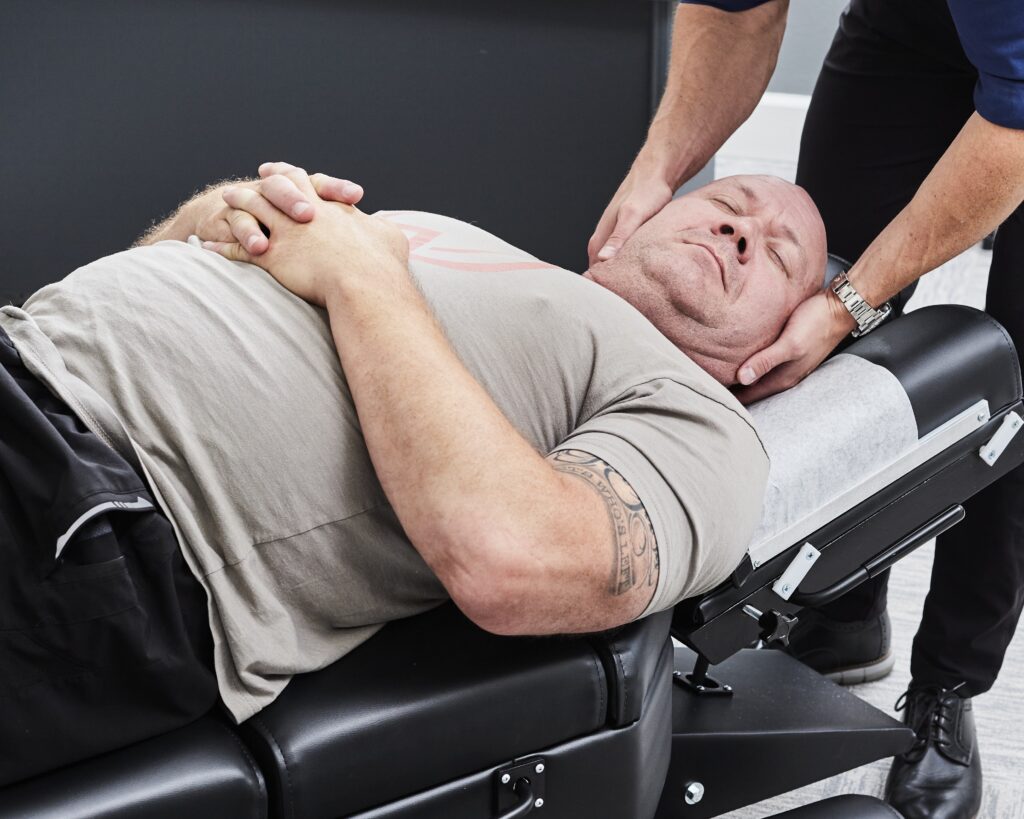
You might not realize how much your spine affects your stress levels, but spinal adjustments can play an essential role in your overall well-being. By realigning your spine, you can improve nerve function and potentially reduce the physical discomfort that contributes to stress. This could lead to lower cortisol levels and better emotional regulation, allowing you to handle daily pressures more effectively. Curious about how these adjustments work and what benefits you might experience? There's more to uncover that could enhance your approach to stress relief.
Understanding Stress and Its Effects
Stress can really take a toll on your body and mind, impacting your overall well-being. When you're under pressure, your body reacts by releasing hormones like cortisol and adrenaline. These hormones prepare you to respond to challenges, but prolonged exposure can lead to serious health issues. You might notice symptoms like headaches, fatigue, or muscle tension. Your heart rate may increase, and your immune system might weaken, leaving you more susceptible to illness.
In stressful situations, you may also find it hard to concentrate or make decisions. Your emotions can swing dramatically, leading to irritability or anxiety. You might even experience sleep disturbances, which can compound your feelings of stress. Over time, this cycle can create a negative feedback loop, where stress begets more stress, affecting your personal and professional life.
Understanding your stress triggers is essential. It could be work deadlines, relationship issues, or financial concerns. Recognizing what stresses you out allows you to take proactive steps to manage it.
You might consider healthy coping mechanisms like exercise, mindfulness, or talking to a friend.
What Are Spinal Adjustments?
When stress accumulates, it can manifest physically, often leading to discomfort or misalignment in your spine. Spinal adjustments are a therapeutic method used to restore proper alignment and function to the vertebrae in your spine. These adjustments are typically performed by chiropractors who use their hands or specialized instruments to apply controlled force to specific joints.
During a spinal adjustment, the chiropractor will assess your spine and identify areas that may be misaligned or restricted in movement. Once they determine the necessary adjustments, they'll use precise techniques to gently manipulate the vertebrae back into their correct position. This process not only alleviates physical discomfort but can also improve your overall mobility.
The benefits of spinal adjustments extend beyond just physical relief. Many people report feeling more relaxed and less stressed after a session. This is because proper spinal alignment can enhance nerve function, leading to improved communication between your brain and body. As a result, you might experience a greater sense of well-being and reduced tension.
It's important to note that spinal adjustments are safe when performed by trained professionals. If you're considering this treatment, consult with a chiropractor to discuss your symptoms and any concerns. They'll create a tailored plan that addresses your unique needs, ensuring you receive the best possible care.
The Connection Between Spine and Stress
Your spine plays an essential role in how your body handles stress.
When you're stressed, tension can build up in your spine, leading to physical discomfort and pain.
Understanding this connection can help you manage stress more effectively.
Spine's Role in Stress
The spine plays an essential role in how your body responds to stress, acting as both a support structure and a communication highway for your nervous system. When you experience stress, your body releases hormones like adrenaline and cortisol. These hormones trigger a series of reactions, and your spine is vital in transmitting these signals.
If your spine is misaligned, it can disrupt communication between your brain and body. This misalignment might lead to heightened sensitivity to stress, making it harder for you to manage your emotional responses. Additionally, tension in your spinal muscles can accumulate, intensifying your stress levels.
You mightn't realize it, but your posture also matters. Poor posture can create physical tension, contributing to a cycle of stress that affects your overall well-being.
By focusing on spinal health, you can improve not only your physical alignment but also your ability to cope with stress. Regular spinal adjustments can help restore proper communication pathways, allowing your body to respond more effectively to stressors.
Physical Effects of Stress
Stress manifests physically in various ways, often taking a toll on your body. You might notice tension headaches, muscle tightness, or even back pain. When stress levels rise, your body reacts by tightening muscles, particularly in the neck and shoulders. This can lead to discomfort and restricted movement, making daily tasks feel more challenging.
Your spine plays an essential role in this process. When you're stressed, your posture tends to suffer. You may find yourself slouching or hunching over, which can further strain your spine and exacerbate discomfort. Misalignments can develop, causing pain to radiate through your back or limbs.
Additionally, stress can impact your sleep, leading to fatigue. Chronic stress can weaken your immune system, making you more susceptible to illness.
The connection between stress and physical health is undeniable.
How Spinal Adjustments Work
Spinal adjustments involve targeted manipulation of the vertebrae to restore proper alignment and function. When you visit a chiropractor, they assess your spine and identify any misalignments or restrictions in movement. Using their hands or specialized tools, they apply controlled force to specific areas of your spine. This process helps shift the vertebrae back into their correct position, which can enhance your overall spinal function.
During an adjustment, you may hear a popping or cracking sound, which is often just gas bubbles in the joints releasing. This sound generally doesn't indicate any harm; instead, it's a sign that the adjustment is working to improve mobility. As the vertebrae realign, you might notice a decrease in tension and discomfort, as well as an increase in your range of motion.
Chiropractors often use various techniques, such as the diversified technique, activator method, or Gonstead technique, each tailored to your specific needs. They may also incorporate soft tissue therapy or exercises to further support your spine's health.
The adjustments aim to restore not just your spine's structure but also its function, allowing your nervous system to operate efficiently. By facilitating better communication between your brain and body, spinal adjustments can enhance your ability to cope with stress.
Benefits of Spinal Adjustments
When you experience spinal adjustments, you're likely to notice significant benefits.
Many people report pain relief, improved sleep quality, and better mood regulation after their sessions.
These positive changes can make a real difference in your overall well-being.
Pain Relief Experience
Many people experience significant pain relief after receiving spinal adjustments. When your spine is properly aligned, pressure on nerves is reduced, allowing your body to function more effectively. You might notice that chronic pain, whether it's in your back, neck, or joints, starts to diminish after a few sessions. This relief can enhance your overall quality of life, making daily activities more manageable and enjoyable.
Spinal adjustments help restore mobility and flexibility, which can further alleviate discomfort. You may find that you can engage in physical activities you once avoided due to pain. Additionally, many individuals report a reduction in headaches and migraines following adjustments, which often stem from spinal misalignments.
As you undergo treatment, your body may also begin to heal naturally, reducing inflammation and promoting better circulation. You'll likely feel more relaxed and less tense, contributing to your overall well-being.
Improved Sleep Quality
You might be surprised to learn that improving your spinal health can lead to better sleep quality. When your spine is properly aligned, your body functions more efficiently, allowing you to relax and fall asleep faster.
Spinal adjustments can reduce tension in your muscles, alleviating discomfort that may keep you tossing and turning at night. Moreover, a well-aligned spine promotes better circulation and nerve function. This can enhance your overall well-being and help regulate your body's natural sleep-wake cycle.
If you're struggling with insomnia or waking up frequently during the night, spinal adjustments could provide the relief you need. Many people report feeling more rested and rejuvenated after receiving chiropractic care.
You'll likely notice that not only do you fall asleep more easily, but you also enjoy deeper, more restorative sleep. This means you'll wake up feeling energized, ready to tackle the day ahead.
Enhanced Mood Regulation
Finding relief from stress and anxiety can be as simple as addressing your spinal health. When your spine is aligned, your body functions more effectively, which can greatly impact your mood. Spinal adjustments help improve nervous system communication, balancing the hormones responsible for regulating your emotions.
After an adjustment, many people report feeling a sense of calm and heightened emotional well-being. By alleviating tension in your spine, you're not just reducing physical discomfort; you're also allowing your body to release endorphins, the feel-good hormones that lift your spirits.
Regular spinal care can enhance your resilience to stressors, making it easier for you to handle life's challenges. When your mood is stable, you'll find it easier to engage with others, foster relationships, and tackle daily tasks.
You might be surprised at how much your emotional state can improve simply by prioritizing your spinal health.
Scientific Studies on Stress Relief
Research has shown a strong connection between spinal adjustments and stress relief, highlighting the benefits of chiropractic care in promoting overall well-being.
Studies indicate that when your spine is properly aligned, it can greatly reduce stress levels, leading to a more balanced life. You might be surprised to learn how physical adjustments can influence not just your body but also your mind.
Here are three key findings from recent studies that emphasize the stress-relieving effects of spinal adjustments:
- Decreased Cortisol Levels: Research has demonstrated that spinal manipulation can lower cortisol levels, the hormone primarily responsible for stress. Lower cortisol levels help you feel calmer and more in control.
- Improved Sleep Quality: Many studies have linked chiropractic care to enhanced sleep quality. When you're less stressed, you may find it easier to fall asleep and stay asleep, which is essential for overall health.
- Enhanced Emotional Well-being: Adjustments can stimulate the release of neurotransmitters such as serotonin and dopamine, which play a critical role in regulating mood. This can lead to reduced anxiety and an improved sense of well-being.
Incorporating spinal adjustments into your wellness routine could be a game-changer for managing stress.
With the right chiropractic care, you can experience a noticeable difference in how you handle everyday challenges, making stress relief more attainable than ever.
Who Can Benefit From Adjustments?
If you struggle with chronic pain, spinal adjustments can offer significant relief.
Even if you're an active lifestyle enthusiast, these adjustments can help keep your body aligned and functioning at its best.
Let's explore how both groups can benefit from these treatments.
Individuals With Chronic Pain
For those living with chronic pain, spinal adjustments can offer a pathway to relief. Many people in your situation find that these adjustments not only ease pain but also improve overall well-being.
By realigning your spine, you may experience reduced tension and enhanced mobility, making it easier to cope with daily challenges.
Here are three ways spinal adjustments can benefit you:
- Pain Reduction: Adjustments can alleviate pressure on nerves, which often leads to a decrease in pain levels. You might notice a significant improvement in areas that have been bothering you for a long time.
- Improved Functionality: With better spinal alignment, your body's ability to function effectively improves. This means you could enjoy daily activities more, without being hindered by discomfort.
- Stress Relief: Chronic pain can lead to increased stress and anxiety. Spinal adjustments can help relax both your body and mind, providing you with a sense of calm and relief from the emotional toll of pain.
Considering these benefits, spinal adjustments could be a valuable tool in your journey towards managing chronic pain effectively.
Active Lifestyle Enthusiasts
Active lifestyle enthusiasts often push their bodies to the limit, which can lead to misalignments and discomfort. Whether you're running marathons, hitting the gym, or engaging in extreme sports, your body undergoes significant stress. This strain can cause your spine to shift out of alignment, resulting in pain and decreased performance. That's where spinal adjustments come in.
By receiving regular adjustments, you can restore proper alignment, enhance mobility, and alleviate tension. These adjustments help your nervous system function effectively, allowing your body to recover more efficiently and perform at its best. You might notice improved flexibility, better posture, and increased energy levels, enabling you to tackle your activities with renewed vigor.
Moreover, adjustments can reduce the risk of injuries, ensuring you stay active longer. When your spine is aligned, your body can absorb the shocks of physical activity more efficiently.
As an active enthusiast, you can benefit immensely from incorporating spinal adjustments into your routine. They're not just for pain relief; they're a proactive measure to support your active lifestyle and help you thrive.
What to Expect During a Session
Walking into a chiropractic session, you'll likely feel a mix of anticipation and curiosity about what's to come. The atmosphere is usually calm and welcoming, designed to ease any nerves you might have. Your chiropractor will greet you warmly, making sure you're comfortable and ready to discuss your concerns.
First, you'll start with a thorough consultation. During this time, your chiropractor will ask about your medical history, lifestyle, and any specific stress-related issues you're experiencing. This information helps them tailor the session to your needs.
Next, you'll undergo a physical examination. Your chiropractor may assess your posture, range of motion, and any areas of discomfort. This examination is essential for identifying areas that need attention and will guide the adjustments.
Finally, the adjustment itself takes place. Here's what you can expect:
- Gentle Techniques: Your chiropractor will use a variety of techniques, from gentle pressure to more precise adjustments, aimed at realigning your spine and alleviating tension.
- Communication: Throughout the session, they'll keep you informed. If something feels uncomfortable or you have questions, don't hesitate to ask.
- Post-Session Advice: After your adjustment, your chiropractor may offer tips on stretches or exercises to support your progress and enhance your stress relief.
Complementary Stress Relief Techniques
After experiencing a chiropractic adjustment, you might wonder how to further enhance your stress relief. Incorporating complementary techniques can greatly amplify the benefits you've gained from your adjustment. Here are some effective strategies to explore.
First, practice deep breathing exercises. This simple yet powerful technique calms your mind and body, reducing tension and promoting relaxation. Try inhaling deeply through your nose, holding for a few seconds, and exhaling slowly through your mouth. Repeat this for several minutes, focusing solely on your breath.
Next, explore yoga or gentle stretching. These practices not only improve flexibility but also relieve muscle tension that can contribute to stress. Find a class or follow an online video that suits your level. Just a few minutes a day can make a noticeable difference.
Another technique you might find beneficial is mindfulness meditation. Taking time to sit quietly and focus on the present moment can help clear your mind of racing thoughts and worries. You can start with just five minutes a day and gradually increase the duration.
Lastly, don't underestimate the power of a healthy lifestyle. Eating well-balanced meals, staying hydrated, and getting regular exercise can all play a major role in managing stress.
Making Spinal Health a Priority
Why should you prioritize your spinal health? Your spine plays a vital role in your overall well-being. It's not just about avoiding back pain; maintaining spinal health can enhance your quality of life, improve posture, and even boost your mood.
When your spine is aligned, your nervous system functions better, leading to reduced stress levels.
Here are three compelling reasons to make spinal health a priority:
- Improved Mobility: A healthy spine allows you to move freely and enjoy daily activities without discomfort. Whether it's playing with your kids, exercising, or simply walking, you'll feel more agile and energetic.
- Enhanced Stress Management: When your spine is aligned, your body operates more effectively. This alignment can reduce tension and promote relaxation, making it easier to handle stress. Regular spinal adjustments can help keep stress at bay, allowing you to face life's challenges with a clearer mind.
- Better Sleep: Poor spinal health can lead to discomfort, which disrupts your sleep. By prioritizing your spine, you can enjoy deeper, more restorative sleep, which is essential for mental and physical health.
Investing in your spinal health isn't just about preventing pain; it's about enriching your life. Make it a priority today, and you'll reap the benefits for years to come.
Conclusion
Incorporating spinal adjustments into your wellness routine can be a game changer for managing stress. By realigning your spine, you not only improve nerve function but also enhance your emotional resilience. Regular sessions can help you cope better with daily challenges and promote relaxation. Don't underestimate the power of spinal health; prioritize it and experience the numerous benefits it brings to your overall well-being. Start your journey to a more balanced, stress-free life today!