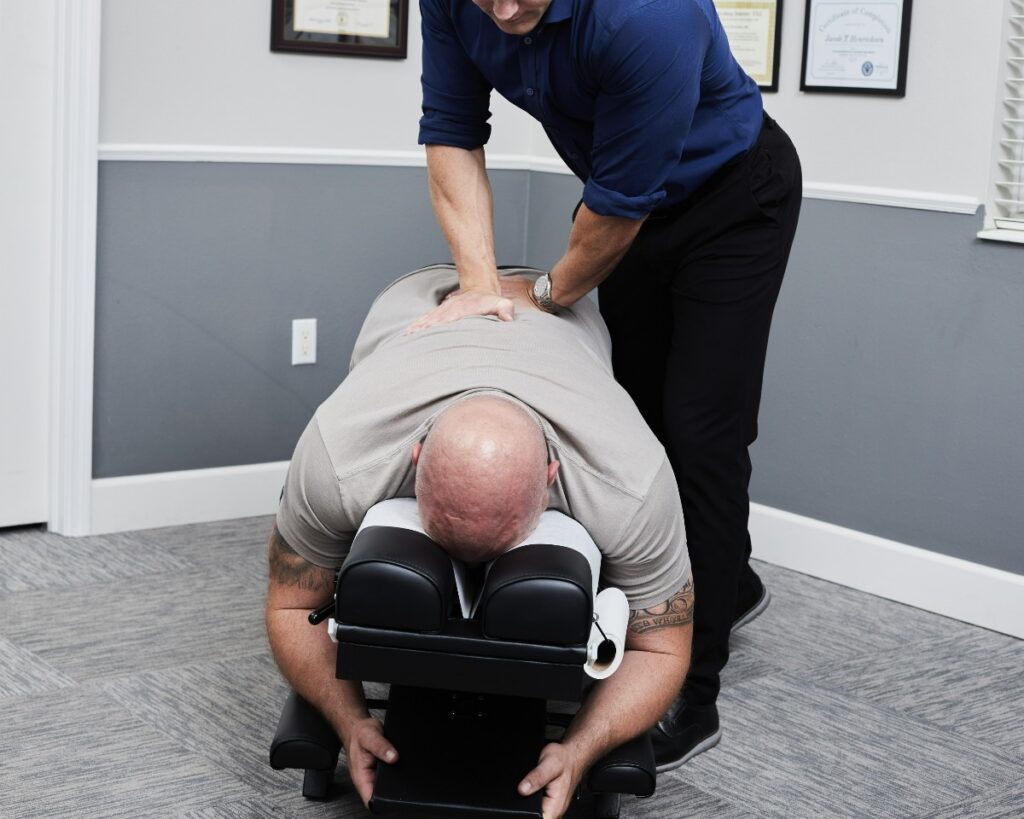
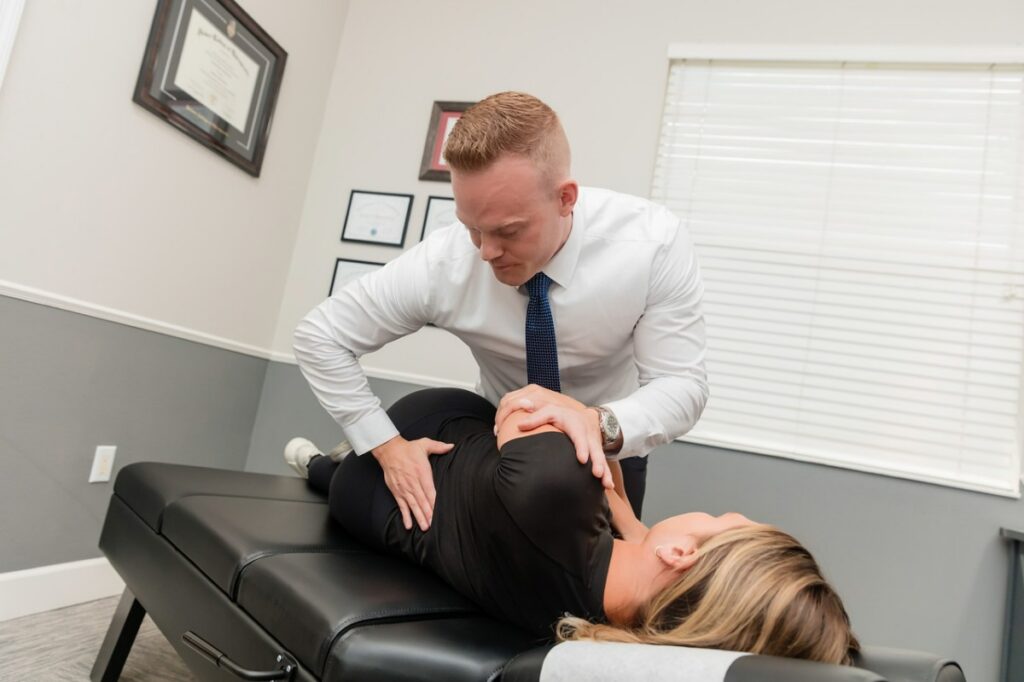
As a local chiropractor, I want to share with you that stress relief isn't solely about individual practices; it also involves how we care for ourselves and others. By incorporating self-care techniques, such as mindful meditation and showing kindness, you can foster a supportive environment that benefits both your well-being and that of those around you.
Consider how simple interactions with nature or engaging in encouraging conversations can greatly enhance your daily life. Through chiropractic care, we can help align your body and mind, promoting relaxation and resilience. As you explore these holistic approaches, think about how they might lead to profound insights and improved emotional health. What discoveries await you on this journey toward better wellness?
The Power of Self-Care
Self-care is more than just a trendy term; it's a vital component of effectively managing stress and enhancing your overall health. As a chiropractor, I want to emphasize that prioritizing self-care is an active investment in your mental, emotional, and physical well-being. It's about recognizing your body's needs and taking proactive steps to address them, rather than waiting for signs of burnout or fatigue to prompt action.
One effective way to incorporate self-care into your daily life is by introducing small, manageable practices. This can include setting aside time for hobbies that bring you joy, ensuring you get sufficient sleep, or taking regular breaks throughout your day. Each of these actions helps to recharge your energy and clear your mind, which allows you to better handle stress.
Remember, self-care isn't selfish; it's essential. When you care for yourself, you're better equipped to support those around you.
As part of your self-care routine, consider the role of nutrition and exercise. A well-balanced diet nourishes your body and supports spinal health, while regular physical activity, such as stretching or gentle movement, releases endorphins that can elevate your mood. Even a brief walk can significantly improve how you feel physically and mentally.
Don't overlook the importance of connection with others. Engaging with friends or family offers a valuable outlet for sharing your thoughts and feelings, which can be incredibly beneficial for your emotional health. Surround yourself with uplifting conversations that reinforce your self-worth.
Practicing Mindful Meditation
Incorporating mindfulness into your self-care routine can significantly enhance your ability to manage stress, which is essential for maintaining overall health. One effective approach that I recommend to my patients is mindful meditation. This technique not only helps you center your thoughts but also calms your mind and rejuvenates your spirit, complementing the benefits of chiropractic care.
To begin your mindful meditation practice, find a quiet space where you won't be disturbed. You can sit comfortably on a chair or the floor, then gently close your eyes. Start by taking a deep breath in through your nose, allowing your abdomen to expand fully, and then slowly exhale through your mouth. Focus on your breath; pay attention to the sensation as it flows in and out of your body.
As you meditate, thoughts may arise—and that's completely normal. When this happens, acknowledge those thoughts without judgment, and gently bring your focus back to your breath. This practice of redirecting your attention helps train your mind to stay present, which can also enhance your chiropractic treatment by allowing your body to relax and heal more effectively. Aim to practice for just five to ten minutes each day, and as you become more comfortable, gradually increase the duration.
For those who prefer guidance, consider using apps or online resources for guided meditations. These tools can provide structure to your practice and help deepen your experience.
Remember, the goal of mindful meditation isn't to eliminate thoughts but to observe them, fostering a sense of peace and acceptance that complements your healing journey.
Mindful meditation is a powerful tool for stress relief and can significantly enhance the benefits of chiropractic care. By dedicating time to this practice, you're not only nurturing your mental health but also building resilience against life's challenges. Embrace the calm and clarity that mindful meditation can bring, and witness how it transforms your overall approach to stress and well-being.
Connecting With Nature
As your local chiropractor, I often emphasize the importance of holistic health and the benefits of natural healing. One of the most effective ways to promote overall wellness is by connecting with nature. Stepping outside and immersing yourself in the natural environment can serve as a powerful remedy for stress and tension, which are common contributors to musculoskeletal issues.
The sights, sounds, and scents of nature create a calming atmosphere that allows you to recharge and refocus. Whether it's a leisurely walk in a nearby park, an invigorating hike through the woods, or simply taking a moment to sit in your backyard, engaging with the outdoors can provide an immediate uplift in your mood and well-being.
Here are a few activities I recommend to help you connect with nature:
- Take a nature walk: Find a local trail or park, and enjoy the fresh air while observing the beauty around you. As you walk, take note of the vibrant colors, intricate textures, and the sounds of wildlife. This practice of mindfulness not only elevates your mood but can also help clear your mind, which is essential for maintaining a healthy spine and posture.
- Practice grounding: Try removing your shoes and feeling the grass, sand, or earth beneath your feet. Grounding, or earthing, helps establish a direct connection with the planet, promoting balance and stability. This simple act can significantly reduce stress levels and support your body's natural healing processes.
- Start a garden: Even if space is limited, nurturing plants can be a therapeutic experience. Watching something grow under your care fosters a sense of accomplishment and deepens your connection to life. Plus, gardening can be a great way to engage your body in gentle movement, which is beneficial for spinal health.
Incorporating these nature-based activities into your routine can help you cultivate a deeper connection with both the environment and your own health. By stepping outside regularly, you'll notice not only a reduction in stress but also an enhancement in your overall well-being.
Engaging in Volunteer Work
Experiencing the benefits of nature is a great way to enhance your overall well-being, and one of the most rewarding paths to explore is engaging in volunteer work. As a chiropractor, I often emphasize the importance of holistic health, and volunteering can play a significant role in nurturing your mental and emotional wellness.
When you dedicate your time and skills to help others, you not only make a positive impact on your community but also contribute to your own mental health. Volunteering can help shift your focus away from personal stressors, creating connections with individuals who may share similar challenges or experiences.
As you immerse yourself in volunteer activities, you may discover a renewed sense of purpose and accomplishment. Whether you're assisting at a local food bank, mentoring youth, or participating in environmental clean-ups, each small effort contributes to a larger cause. These experiences can cultivate feelings of gratitude and joy, which are essential components of stress relief and overall well-being.
Moreover, volunteering can expose you to new environments and diverse perspectives, which can be invigorating and inspiring. Interacting with a variety of individuals can enrich your life and offer new insights into your own health journey.
The act of giving back not only builds community but can also enhance your resilience, helping you navigate your own challenges with a fresh outlook.
To get started, consider what causes resonate with you or what skills you possess that could benefit others. Look for local organizations that align with your values and don't hesitate to reach out.
Engaging in volunteer work not only supports those in need but also nourishes your spirit, creating a positive cycle of care and support that enhances the well-being of everyone involved. Remember, as you care for others, you're also taking essential steps toward caring for yourself.
Building Supportive Relationships
Building supportive relationships with your body and mind is crucial for overall well-being, and it all begins with open communication.
As a chiropractor, I encourage you to express your thoughts and feelings about your health and wellness journey. When you share your experiences honestly, it fosters a deeper understanding of your body's needs and promotes empathy between us.
By nurturing this connection, we can work together to create a strong support network that not only addresses your physical alignment but also helps relieve stress and enhances your overall quality of life.
Importance of Communication
Effective communication is essential not just in our everyday interactions, but also when it comes to your health and wellness, particularly in the field of chiropractic care. When you share your thoughts and feelings about your body and any discomfort you're experiencing, you enable us to create a supportive environment where healing can thrive.
Open communication allows us to understand your concerns and work together to address any challenges you face.
To enhance your experience with chiropractic care, consider these key communication practices:
- Listen actively: When discussing your health, it's important to express your thoughts while also being open to the information and insights we provide. This mutual exchange fosters a sense of trust and makes you feel more connected to the healing process.
- Be clear and direct: When describing your symptoms or concerns, try to be as straightforward as possible. This clarity helps us tailor our treatment approach to meet your individual needs and ensures that you understand the care being provided.
- Ask open-ended questions: Don't hesitate to ask questions that delve deeper into your treatment or the healing process. Questions that encourage discussion can help you gain a better understanding of how chiropractic care can benefit you and what to expect during your journey to wellness.
Nurturing Empathy and Understanding
As a local chiropractor, I want to emphasize the importance of empathy and understanding in our relationship as you embark on your healing journey. These qualities are essential for creating a supportive environment, especially when it comes to chiropractic care.
To foster empathy, I encourage you to engage in active listening. Take the time to hear my insights and experiences as your chiropractor. When I share my perspective, acknowledging my feelings and concerns can strengthen our bond. This mutual respect sets the stage for effective communication and collaboration throughout your treatment.
It's also crucial to understand the challenges we both face during this process. By putting yourself in my shoes, you can gain insight into the complexities of my role in your healing. This awareness can help you be more patient and cooperative, making our work together more productive.
I urge you to share your own experiences and feelings openly. Communicating your needs and concerns invites empathy into our relationship. This two-way street fosters a supportive atmosphere where we both feel valued and understood.
By nurturing empathy and understanding, we lay a solid foundation for your healing journey. This approach enhances the effectiveness of your chiropractic care and helps reduce stress along the way.
Building this supportive relationship is beneficial for both of us as we work together toward your health and wellness.
The Importance of Active Listening
Active listening is a vital skill that can significantly enhance your experience as a patient and improve the overall effectiveness of your chiropractic care.
When you truly focus on understanding the information shared by your chiropractor about your treatment plan and wellness journey, you can foster deeper connections and promote better communication. This, in turn, can lead to a more positive healing process and reduced stress related to your health concerns.
Let's delve into some techniques for effective listening during your appointments and how to overcome common barriers that may prevent you from fully engaging in your care.
Benefits of Active Listening
As a local chiropractor, I want to emphasize the importance of active listening, not just in our conversations about your health, but in all aspects of your life. When you come into my office, I'm not just hearing your words; I'm engaging with your concerns, symptoms, and overall well-being on a deeper level. This connection can significantly enhance your experience in our practice and contribute positively to your health journey.
Here are a few key advantages of active listening that I want to share:
- Strengthened Patient-Practitioner Relationship: When you feel heard, it builds trust between us. I strive to create a safe environment where you can express your health concerns openly, fostering a stronger bond that's essential for effective treatment.
- Reduced Misunderstandings: By practicing active listening, I can clarify your intentions and the meanings behind your symptoms. This focused approach minimizes the chances of miscommunication and ensures that we're on the same page regarding your treatment plan.
- Enhanced Empathy: When I listen attentively to your experiences, I gain valuable insights into your feelings and perspectives regarding your health. This understanding allows me to respond more compassionately and tailor my care to meet your needs effectively.
Incorporating active listening into our interactions not only benefits you as my patient but also enriches my understanding of your unique health journey.
You'll likely notice that our conversations become more fulfilling, and you may feel more at ease knowing that your concerns are being genuinely acknowledged.
Techniques for Effective Listening
Effective communication is essential in understanding your health and wellness, especially when it comes to chiropractic care. As your chiropractor, I want to share some techniques that can enhance our conversations and help you feel more comfortable and informed.
First and foremost, practice active listening when we discuss your symptoms and concerns. This means giving your full attention to our conversation—putting away distractions like your phone and maintaining eye contact. When you do this, it shows me that you're engaged and respectful of the process, which is vital for open dialogue about your health.
Next, consider using reflective listening. After I explain a treatment or concept, try repeating back what you've understood in your own words. This not only clarifies any misunderstandings but also demonstrates your genuine interest in the care we're discussing.
Feel free to ask open-ended questions during our sessions. Instead of just yes or no inquiries, invite me to elaborate on treatment options or the benefits of chiropractic care. This allows you to gather more information and shows me that you're invested in your healing journey.
It's also important to pay attention to non-verbal cues—both mine and your own. My facial expressions and body language can provide you with additional context about your treatment. Likewise, your responses can help me gauge how well you're understanding and feeling about the process.
Lastly, practice patience during our discussions. Allow me to explain my recommendations fully before sharing your thoughts. This approach creates a supportive environment where effective communication thrives, ultimately reducing any stress or uncertainty you might feel about your chiropractic care.
Overcoming Listening Barriers
As a chiropractor, I understand that effective communication is vital for your healing journey, much like navigating through a maze with various barriers that can affect our understanding.
Overcoming these listening barriers is crucial not just for effective communication but also for relieving stress and enhancing your overall well-being. By practicing active listening, you can strengthen our partnership and create a more supportive environment for your healing.
Here are some common barriers to be aware of when discussing your health:
- Distractions: It's easy for your mind to wander during our conversations, especially if you're dealing with discomfort or pain. I encourage you to focus on our discussion and minimize any distractions so we can address your concerns thoroughly.
- Prejudices: Sometimes, preconceived ideas about chiropractic care or natural healing can cloud your judgment. I invite you to approach our conversations with an open mind, allowing yourself to fully engage with the information and insights I share about your health.
- Emotional Reactions: It's natural to have strong feelings about your health and treatment options. However, I encourage you to stay calm and composed during our discussions. This will help us communicate more effectively, especially when we tackle sensitive or challenging topics related to your care.
Acts of Kindness for Stress Relief
As a local chiropractor, I want to emphasize the importance of engaging in acts of kindness not just for others, but also for your own well-being. When you prioritize helping others, you naturally divert your focus from your own stresses and anxieties. This shift can lead to a significant boost in your mood and emotional health.
Whether it's something as simple as holding the door for someone or volunteering your time at a local charity, each act of kindness contributes to a positive ripple effect that can enhance your overall well-being.
I encourage you to start each day with an intention to spread positivity. This might look like complimenting a colleague, sending a supportive message to a friend, or even just sharing a smile with a stranger. These small gestures can make a world of difference, not only for you but also for those around you.
They foster a sense of connection and remind you that you're part of a supportive community.
Research has shown that engaging in altruistic behaviors can lead to the release of feel-good hormones in your brain, such as oxytocin and serotonin. These natural chemicals can help alleviate feelings of anxiety and stress, promoting a sense of grounding and inner peace.
Consider setting a personal goal to perform one act of kindness each day. This could involve donating to a local food bank or simply checking in on a friend who might be going through a tough time.
Each time you extend a helping hand, you reinforce positive feelings within yourself, creating a cycle of kindness that supports both you and your community.
Creating a Calming Environment
Creating a calming environment is essential for reducing stress and promoting relaxation, both of which play a significant role in your overall wellness and recovery. As a chiropractor, I often emphasize the importance of a peaceful space for healing. When you cultivate an area that feels serene, it becomes much easier to unwind and recharge your body and mind.
To begin, decluttering your surroundings can have a profound impact on your mindset. A tidy space allows for better mental clarity, which is especially important when you're focusing on your health.
Next, pay attention to the colors and textures in your environment. Soft hues and natural materials can evoke a sense of tranquility, complementing your healing journey.
Here are three simple ways to create a calming atmosphere that can support your healing process:
- Incorporate Nature: Adding plants or flowers to your space can have a remarkable effect on your mood. Not only do they purify the air, but their presence can also help you feel more grounded and connected to nature, which is vital for holistic health.
- Control Lighting: Opt for soft, warm lighting rather than harsh fluorescents. Gentle lighting can help create a soothing environment, making it easier for you to relax. Consider using lamps with dimmers or lighting candles to enhance the cozy ambiance.
- Add Soothing Sounds: Playing gentle music or nature sounds can significantly contribute to a calming atmosphere. This auditory layer helps drown out distractions and creates a serene backdrop, allowing your body to engage in the healing process more effectively.
By fostering a calming environment, you not only enhance your relaxation but also support your body's natural healing abilities.
Incorporating Gratitude Into Daily Life
Incorporating gratitude into your daily life can significantly enhance your overall well-being, including your physical health. As your local chiropractor, I often emphasize the connection between mental and physical wellness. When you take a moment to acknowledge the positives around you, you not only shift your focus away from worries and anxieties, but you may also alleviate physical stress that can manifest in your body.
Start your day with a simple practice: take a few moments to list three things you're grateful for. These can be as small as enjoying your morning coffee or appreciating a kind gesture from someone. This positive mindset sets a beneficial tone for your day and can help reduce tension in your muscles.
Throughout the day, make it a habit to express gratitude to others. A sincere thank-you to a coworker or a warm message to a friend can strengthen your relationships and create a supportive environment. These positive interactions can uplift your mood and even help ease physical discomfort by promoting relaxation.
In the evening, take time to reflect on your day. Consider journaling about what went well or the challenges you faced, and how they contributed to your personal growth. This reflection helps you find meaning in your experiences, reinforcing a positive mindset that can support your physical health.
Additionally, you can incorporate gratitude into your mindfulness or meditation practice. While focusing on your breath, think about the things you appreciate. This can help calm your mind, reduce stress, and anchor you in the present moment—all of which are important for maintaining a healthy spine and overall wellness.
Conclusion
As your local chiropractor, I want to share some effective stress relief techniques that can greatly enhance your well-being and create a nurturing environment for both yourself and those around you. It's essential to prioritize self-care, and one way to do this is through chiropractic adjustments that help restore balance to your body and mind.
Incorporating mindfulness practices into your daily routine can significantly reduce stress levels. I encourage you to connect with nature, as spending time outdoors can have a rejuvenating effect on your overall health.
Additionally, volunteering and building strong relationships within your community can bolster your resilience and provide a support network during challenging times. Remember, even simple acts of kindness and expressing gratitude can have a profound impact on your day and those around you.
By integrating these practices alongside chiropractic care, you can foster a more peaceful and fulfilling life, while also uplifting others in your community. Let's work together to explore how these natural healing methods can transform your journey to wellness.