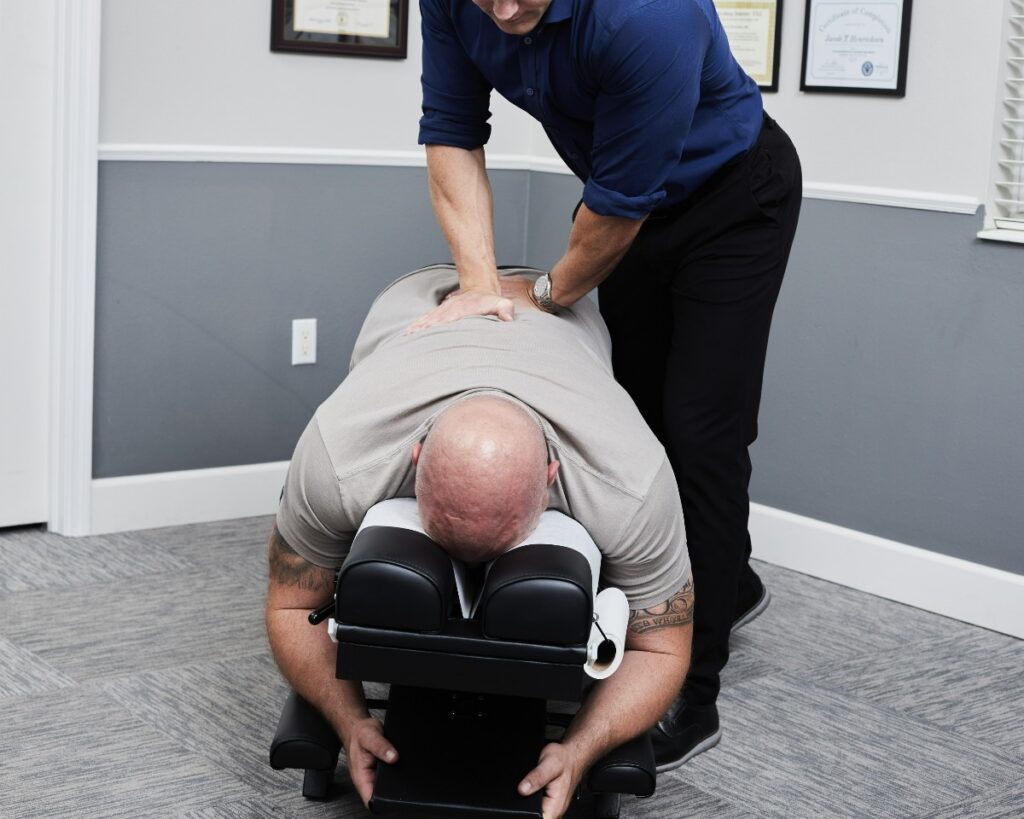

If you’re dealing with neck pain, you’re certainly not alone. Many individuals face discomfort stemming from poor posture, stress, or muscle tension. The good news is that you can find relief naturally, without the need for medication or invasive procedures. As a chiropractor, I believe that understanding the root causes of your neck pain and making some simple adjustments to your daily routine can lead to significant improvement.
Chiropractic care is an excellent choice for addressing neck pain. By focusing on spinal health and alignment, we can help alleviate discomfort and promote overall wellness. Here are some effective strategies you can incorporate into your life to support a healthy neck and spine:
- Mind Your Posture: Be conscious of how you sit, stand, and move throughout the day. Keep your shoulders back and your head aligned over your spine. If you work at a desk, make sure your workstation is ergonomically friendly.
- Stretch Regularly: Incorporate gentle neck stretches into your daily routine. Simple movements like tilting your head side to side and rolling your shoulders can help relieve tension.
- Stay Hydrated: Drinking plenty of water is essential for maintaining the health of your spinal discs. Proper hydration can help prevent stiffness and discomfort.
- Use Supportive Pillows: Choose a pillow that supports the natural curve of your neck. Avoid sleeping on your stomach, as this can put additional strain on your neck.
- Practice Relaxation Techniques: Stress can contribute to muscle tension. Techniques such as deep breathing, meditation, or yoga can help you manage stress and promote relaxation.
- Regular Chiropractic Visits: Consider scheduling regular visits with a chiropractor. We can assess your spine’s alignment and work with you to develop a personalized plan that focuses on natural healing and optimal health.
By implementing these strategies, you can take charge of your neck health and experience relief. Remember, chiropractic care is a holistic approach to wellness that addresses not just the symptoms but the underlying causes of your discomfort. If you’re curious about how chiropractic care can specifically help you, don’t hesitate to reach out for more information. Your journey to a pain-free neck starts here!
Key Takeaways
As a local chiropractor, I want to share some natural ways to alleviate neck pain while emphasizing the importance of chiropractic care for achieving optimal health.
- Maintain Good Posture: Start by adjusting your workstation to ensure proper alignment. Sitting up straight can significantly reduce neck strain and discomfort. Remember, regular chiropractic adjustments can help keep your spine aligned, supporting a healthy posture.
- Incorporate Stretching and Strengthening: Simple exercises like neck tilts and chin tucks can enhance flexibility and support your neck health. As your chiropractor, I can guide you through specific exercises tailored to your needs for even better results.
- Use Heat and Cold Therapy: Applying heat can help relax tight muscles and improve blood flow, while cold therapy can reduce inflammation and numb pain. However, regular chiropractic sessions can address the root causes of your discomfort, providing lasting relief beyond temporary fixes.
- Find Supportive Sleep Positions: Experiment with different pillows and sleep positions to maintain the natural curve of your neck. A chiropractor can offer personalized advice on the best sleeping arrangements to promote spinal health.
- Practice Mindfulness: Techniques such as deep breathing and gentle yoga can help reduce stress and tension that contribute to neck pain. Incorporating chiropractic care into your routine can further enhance your body’s ability to manage stress and promote overall wellness.
By focusing on these natural approaches and incorporating chiropractic care into your health regimen, you can effectively manage neck pain and improve your overall well-being. Remember, I’m here to help you on your journey to optimal health!
Understanding the Causes of Neck Pain
While you may see neck pain as a minor annoyance, it often arises from various underlying causes that warrant your attention. One common culprit is poor sleeping positions, which can lead to muscle strain and stiffness upon waking. Additionally, spending prolonged hours hunched over your phone or computer can create tension and discomfort in your neck.
If you’ve recently experienced an injury, such as whiplash from a car accident or a sports-related fall, this too can trigger neck pain. Stress and anxiety are other significant contributors, often manifesting physically by tightening the neck muscles and leading to chronic discomfort. Conditions like arthritis or herniated discs can also play a role in your neck pain, causing significant distress.
Understanding these causes is key to addressing your neck pain effectively. A holistic approach, including chiropractic care, can provide the relief you seek. Chiropractors focus on spinal health and alignment, helping to alleviate tension and restore balance to your body.
Here are some simple tips to help you manage and prevent neck pain:
- Maintain Good Posture: Be mindful of your posture while sitting or using devices. Keep your back straight, shoulders relaxed, and your screen at eye level.
- Ergonomic Workspace: If you work at a desk, ensure your chair and desk are set up to support a healthy posture. Consider using supportive cushions or a standing desk.
- Stretch Regularly: Incorporate neck stretches into your daily routine to relieve tension. Gentle side-to-side and forward-backward movements can help.
- Sleep Smart: Choose a supportive pillow that keeps your neck aligned with your spine. Try to sleep on your back or side rather than your stomach.
- Stay Active: Regular exercise, especially activities that promote flexibility and strength, can support your neck and overall spinal health.
- Manage Stress: Engage in relaxation techniques such as deep breathing, yoga, or meditation to help reduce muscle tension.
By paying attention to your habits and lifestyle, you can identify what might be contributing to your discomfort. Remember, chiropractic care offers a natural, effective way to achieve optimal health and wellness, helping you to not only relieve neck pain but also enhance your overall quality of life.
If you’re experiencing neck pain, consider reaching out to a chiropractor to explore tailored solutions that work for you.
The Importance of Good Posture
Maintaining good posture is crucial for preventing neck pain and promoting your overall spinal health. As a chiropractor, I want to emphasize that when you sit or stand with proper alignment, your body distributes weight evenly, which reduces the strain on your neck and spine. Slouching or leaning forward can lead to muscle tension and discomfort, so it’s essential to be mindful of your posture throughout the day.
Improving your posture can be straightforward. When you’re sitting, keep your feet flat on the floor and ensure your back is straight against the chair. If you’re standing, distribute your weight evenly on both feet and engage your core muscles. This simple awareness can lead to significant improvements in your well-being.
Taking short breaks to adjust your posture is also beneficial. If you work at a desk, I recommend using a chair that supports your lower back and positioning your computer monitor at eye level. These adjustments can help maintain a healthy spine and alleviate neck pain.
Remember, good posture isn’t just about comfort; it’s about enhancing your overall health. By prioritizing proper alignment and incorporating regular chiropractic care into your routine, you can achieve optimal spinal wellness and natural pain relief.
Embrace these tips, and you’ll be on your way to a healthier, pain-free life!
Stretching Exercises for Neck Relief
Incorporating stretching exercises into your daily routine can significantly alleviate neck pain and improve your overall flexibility.
As a chiropractor, I believe that natural healing methods, like these simple stretches, play a crucial role in enhancing your well-being and maintaining a healthy spine.
Here are some effective stretches you can try to relieve tension in your neck:
- Neck Tilts: Gently tilt your head towards each shoulder, holding for 15 seconds. This helps to stretch the muscles on the sides of your neck.
- Chin Tucks: While sitting or standing, tuck your chin in towards your chest, holding for five seconds. This exercise helps to strengthen your neck muscles and improve posture.
- Side Stretches: Raise one arm overhead and lean to the opposite side. You should feel a beneficial stretch along the side of your neck. This can help release tightness and improve mobility.
- Shoulder Rolls: Roll your shoulders forward and backward. This movement helps to release tension built up in your shoulders and upper back, which can often contribute to neck pain.
- Forward Neck Stretch: Sit up straight, then gently lower your chin towards your chest for a deep stretch. This helps to elongate the muscles at the back of your neck.
Incorporating these stretches into your daily routine can help you find relief from neck pain while enhancing your flexibility.
Remember, consistency is key! Along with these stretches, regular chiropractic care can further support your neck health by addressing misalignments and promoting optimal spinal function.
Prioritizing your spinal health through natural methods is essential for achieving long-term wellness.
Strengthening Your Neck Muscles
Strengthening Your Neck Muscles for Natural Relief
If you’re dealing with neck pain, strengthening your neck muscles can be a game-changer. Not only does this help alleviate discomfort, but it also enhances stability and overall well-being. As your local chiropractor, I want to share some effective exercises you can easily incorporate into your daily routine.
Start with isometric exercises. This is where you gently push your head against your hands in different directions—forward, backward, and side to side. It’s simple! Hold each position for about 5 seconds and repeat 5-10 times. This exercise helps build strength without straining your muscles.
Next, consider neck flexion and extension exercises. Slowly nod your head up and down, and then tilt it side to side. These movements promote flexibility and strength. If you want to add a little challenge, you can use resistance bands. Secure one end and gently pull against it while keeping control to activate those neck muscles further.
Don’t forget the importance of good posture and a strong core! Maintaining proper alignment and strength in your core supports your neck and can significantly reduce pain.
Remember, consistent strengthening not only helps relieve current discomfort but also prevents future issues, allowing you to enjoy your daily activities more fully.
By prioritizing these exercises and considering chiropractic care, you’re taking a natural approach to enhance your health. Chiropractic adjustments can help align your spine and improve overall function, making these exercises even more effective.
Together, we can work towards lasting relief and improved neck health. Take these tips to heart, and let’s work together toward a pain-free, healthier you!
The Role of Heat and Cold Therapy
When it comes to relieving neck pain, incorporating heat and cold therapy can be incredibly beneficial. Heat therapy is fantastic for increasing blood flow and helping to relax tight muscles, making it a great option for soothing discomfort.
On the other hand, cold therapy is effective in reducing inflammation and numbing sharp pain, providing a quick relief when needed.
As a chiropractor, I believe that understanding how to use these therapies effectively can play a vital role in your comfort and recovery process. Here are a few simple tips to get you started:
- Heat Therapy: Use a warm towel or a heating pad on the affected area for about 15-20 minutes. This can help to ease muscle tension and promote relaxation. Just be sure it’s not too hot to avoid burns!
- Cold Therapy: Apply an ice pack wrapped in a cloth for 10-15 minutes to reduce swelling and numb pain. This works best immediately after an injury or during flare-ups.
- Listen to Your Body: Pay attention to how your body reacts to each therapy. Some may find heat more soothing, while others may prefer the relief that cold offers.
- Combine with Chiropractic Care: For optimal health, consider integrating these therapies with regular chiropractic adjustments. Chiropractic care not only addresses the root cause of your pain but also enhances your overall wellness.
- Stay Active: Gentle stretches and light exercises can help maintain flexibility and strength in your neck, further aiding in pain relief.
By incorporating these tips and prioritizing chiropractic care, you can take proactive steps towards a healthier, pain-free life.
Benefits of Heat Therapy
While it might be tempting to rely on pain relievers, I want to emphasize that heat therapy is a natural and effective alternative for relieving neck pain. As a chiropractor, I believe in the power of the body to heal itself, and applying heat can significantly enhance your recovery process.
Heat therapy increases blood flow, relaxes tight muscles, and promotes healing, making it a simple yet impactful technique to improve your comfort levels.
Here are some key benefits of heat therapy for neck pain that you might find helpful:
- Boosts Circulation: Heat helps increase blood flow to the affected area, delivering vital oxygen and nutrients that support healing.
- Reduces Muscle Stiffness: Applying heat can help loosen tight muscles, allowing you to regain mobility and move more freely.
- Alleviates Tension: The soothing warmth can provide immediate relief from tension, which often contributes to neck pain.
- Promotes Relaxation: Heat therapy not only eases physical discomfort but also helps you unwind, making it easier to manage stress in your daily life.
- Enhances Other Therapies: Using heat in conjunction with chiropractic adjustments, stretching, or massage can enhance the overall effectiveness of these treatments.
For those dealing with neck pain, consider incorporating heat therapy into your routine. You can use a warm towel, heating pad, or even take a warm shower to experience these benefits.
Advantages of Cold Therapy
How can cold therapy complement your neck pain relief efforts? Cold therapy, also known as cryotherapy, is a simple yet effective way to reduce inflammation and numb sharp pain in your neck. When you apply ice packs or cold compresses, it helps constrict blood vessels, which can significantly lessen swelling and discomfort. This technique is particularly helpful after physical activity or if you’ve experienced an injury.
Moreover, cold therapy can alleviate muscle spasms, giving you more freedom to move without pain. It’s a straightforward and accessible option—just grab some ice or a frozen gel pack from your freezer. As you incorporate this method, remember to apply cold therapy for 15-20 minutes at a time, and always protect your skin with a cloth to avoid frostbite.
While cold therapy can be a useful tool, it’s essential to remember that chiropractic care is the best choice for long-term pain relief and overall wellness. A chiropractor can help identify the root cause of your neck pain and provide tailored adjustments and treatments to promote natural healing.
By integrating cold therapy into your routine alongside regular chiropractic visits, you can enhance your neck pain management strategy and work towards optimal health.
For ongoing neck pain relief, consider maintaining good posture, taking regular breaks during prolonged activities, and engaging in gentle stretches to support your spinal health. These tips, combined with chiropractic care, can lead to a healthier, pain-free life.
Mindfulness and Stress Reduction Techniques
Incorporating mindfulness and stress reduction techniques into your daily routine can significantly alleviate neck pain, and chiropractic care can enhance these practices for optimal results. By becoming more aware of your body’s tension through mindfulness, you can proactively address discomfort, making chiropractic adjustments even more effective.
Here are some simple techniques to help you manage stress, which often contributes to muscle tightness and discomfort:
- Deep Breathing: Practice deep breathing exercises to calm your mind and relax your muscles. This can complement your chiropractic adjustments by promoting overall relaxation.
- Gentle Yoga and Stretching: Engage in gentle yoga or stretching to improve flexibility and ease tension. These movements can help maintain the benefits of chiropractic care by keeping your body aligned and mobile.
- Guided Meditation: Try guided meditation to focus your thoughts and promote relaxation. This practice can enhance your awareness of body alignment and tension, making it easier to communicate with your chiropractor about your needs.
- Progressive Muscle Relaxation: Use progressive muscle relaxation to release tension throughout your body. This technique can help you understand where your body holds stress, allowing your chiropractor to target those areas effectively during your sessions.
- Gratitude Journal: Keep a gratitude journal to shift your mindset and reduce stress. A positive mindset not only benefits your overall well-being but can also enhance the healing effects of chiropractic care.
By integrating these mindfulness techniques into your routine alongside regular chiropractic visits, you can achieve a greater sense of well-being and relief from neck pain.
Chiropractic care is a natural and effective solution for pain relief and optimal health, supporting your journey towards a healthier, pain-free life.
Ergonomic Adjustments in Your Workspace
Creating an ergonomic workspace is crucial for preventing and alleviating neck pain, and it pairs wonderfully with chiropractic care for a holistic approach to wellness.
Start by adjusting your chair and desk height to ensure your feet rest flat on the floor, with your knees at a comfortable 90-degree angle. Position your monitor at eye level to avoid straining your neck by looking up or down. If you’re using a laptop, consider investing in a stand to elevate the screen to the proper height.
Keep your keyboard and mouse within easy reach, allowing your arms to rest relaxed at your sides. It’s essential to use a chair that supports your lower back—if you need extra support, a cushion can work wonders.
Remember to incorporate regular breaks to stretch and move around; this not only keeps blood flowing but also helps prevent stiffness.
The goal is to maintain a neutral posture throughout the day, which reduces tension in your neck and spine. By making these ergonomic adjustments and regularly visiting your chiropractor, you can significantly improve your comfort and overall well-being.
Chiropractic care focuses on natural healing and aligns your spine, helping you achieve optimal health without the need for medications or invasive procedures.
Take these simple steps to create a healthier workspace and enhance your overall wellness journey.
Sleep Positions to Reduce Neck Discomfort
Finding the right sleep position is crucial for reducing neck discomfort, and as a chiropractor, I want to share some insights that can help you achieve better sleep and overall wellness. Proper alignment of your spine during sleep can relieve pressure on your neck and promote natural healing. Here are some helpful tips to consider:
- Sleep on your back: This position is ideal for keeping your head, neck, and spine in alignment. Use a supportive pillow that maintains the natural curve of your neck, which can enhance your comfort and support your overall spinal health.
- Side sleeping: If you find yourself gravitating toward this position, opt for a firm, thicker pillow. This will help fill the gap between your neck and the mattress, ensuring that your spine remains aligned and reducing the risk of discomfort.
- Avoid stomach sleeping: This position can put unnecessary strain on your neck by twisting it. If you’re a stomach sleeper, try gradually shifting to back or side sleeping, as these positions are more beneficial for your spinal health.
- Choose supportive pillows: Consider using memory foam or cervical pillows, which are designed to provide better neck support. These pillows can adapt to the shape of your head and neck, helping to reduce tension and promote a restful night’s sleep.
- Invest in a quality mattress: A medium-firm mattress supports your spine effectively, helping to maintain proper alignment while you sleep. This can make a significant difference in your overall comfort and well-being.
By focusing on these simple yet effective sleep strategies, you can work toward alleviating neck discomfort naturally.
Incorporating Massage and Bodywork
While proper sleep positions are essential for alleviating neck pain, incorporating chiropractic care can significantly enhance your recovery and overall well-being. Regular chiropractic adjustments help restore proper spinal alignment, relieve muscle tension, and improve circulation, leading to a more effective healing process.
I recommend scheduling a visit with a qualified chiropractor who specializes in neck and shoulder issues. They can assess your specific condition and provide tailored adjustments and therapies to help you achieve optimal health.
In addition to professional chiropractic care, self-care practices such as gentle stretching and self-massage can be beneficial. For example, you can use your fingers to apply light pressure to sore areas or roll a tennis ball against a wall to target tight muscles. These techniques can complement your chiropractic adjustments by helping maintain flexibility and prevent future discomfort.
Remember, a holistic approach to your health is crucial. By incorporating chiropractic care and these self-care practices into your routine, you’ll not only alleviate neck pain but also enhance your overall quality of life.
Prioritizing your spinal health is a natural way to support your body’s ability to heal and thrive.
When to Seek Professional Help
When should you consider seeking professional help for neck pain? It’s important to listen to your body and recognize when it’s time to consult a chiropractor. If your discomfort persists despite trying home remedies, it could signal a deeper issue that needs attention.
Here are some signs that indicate it’s time to reach out:
- You feel severe pain that doesn’t get better or even worsens over time.
- You’ve noticed a decrease in your neck’s mobility or range of motion.
- There’s numbness, tingling, or weakness in your arms or hands.
- Your pain started after an injury, like a fall or a car accident.
- You’re experiencing other symptoms, such as headaches, fever, or unexplained weight loss.
Don’t hesitate to reach out for help. A chiropractor can provide a thorough assessment and create a personalized treatment plan that focuses on natural healing, helping you to regain a pain-free range of motion.
Early intervention through chiropractic care can prevent further complications, promote overall wellness, and improve your quality of life.
In the meantime, consider some general tips for managing neck pain at home:
- Practice good posture when sitting or standing.
- Take regular breaks if you work at a desk for long periods.
- Incorporate gentle stretching exercises to maintain flexibility.
- Apply heat or cold packs to soothe discomfort.
- Stay hydrated and maintain a balanced diet to support your body’s healing processes.
Trust your instincts—your health is worth it! Embrace the benefits of chiropractic care for optimal health and wellness.
Conclusion
As a local chiropractor, I want to share some effective natural methods to help you manage and alleviate neck pain. Your spine plays a crucial role in overall health, and maintaining its alignment is key to feeling your best. Here are some simple strategies you can adopt:
- Maintain Good Posture: Be mindful of your posture throughout the day, especially when sitting at a desk or using your phone. Keeping your spine in a neutral position can help reduce strain on your neck.
- Incorporate Regular Stretches and Strengthening Exercises: Gentle neck stretches can improve flexibility and relieve tension. Consider exercises that strengthen your neck and upper back, which can support better alignment and reduce pain.
- Utilize Heat or Cold Therapy: Applying a warm compress can help relax tight muscles, while a cold pack can reduce inflammation. Experiment with both to see which brings you more relief.
- Make Ergonomic Adjustments: Ensure your workspace is set up to promote good posture. Your computer screen should be at eye level, and your chair should provide adequate support.
- Pay Attention to Sleep Positions: Choose a supportive pillow that keeps your neck aligned with your spine. Sleeping on your back or side is generally better for neck health than sleeping on your stomach.
- Seek Chiropractic Care: If your discomfort persists, visiting a chiropractor can be highly beneficial. We specialize in spinal health and can provide tailored adjustments to improve your alignment and reduce pain.
By embracing these practices and incorporating chiropractic care into your wellness routine, you can achieve a healthier, pain-free neck and enjoy a more relaxed lifestyle. Remember, taking care of your spine is a vital step towards overall well-being!