
Bulging Disc: Symptoms, Causes, and Chiropractic Treatment in Lutz
If you’ve been told you have a “bulging disc,” you’re not alone. Here in Lutz, we see neighbors from all walks of life—parents, athletes, commuters—dealing with disc-related back or neck pain. The good news is that most disc bulges respond well to conservative, chiropractic-led care. In this guide, I’ll explain what a disc bulge is, how it’s different from a herniation, what symptoms to watch for, and how we treat it at Crystal Grove Chiropractic so you can move with confidence again.
A disc bulge happens when the soft disc between two vertebrae presses outward beyond its normal boundary, like a slightly squished cushion. It can irritate nearby joints or nerves and cause local pain, stiffness, or radiating symptoms. Most bulges are manageable with targeted, non-surgical chiropractic care.
What Is a Disc Bulge?
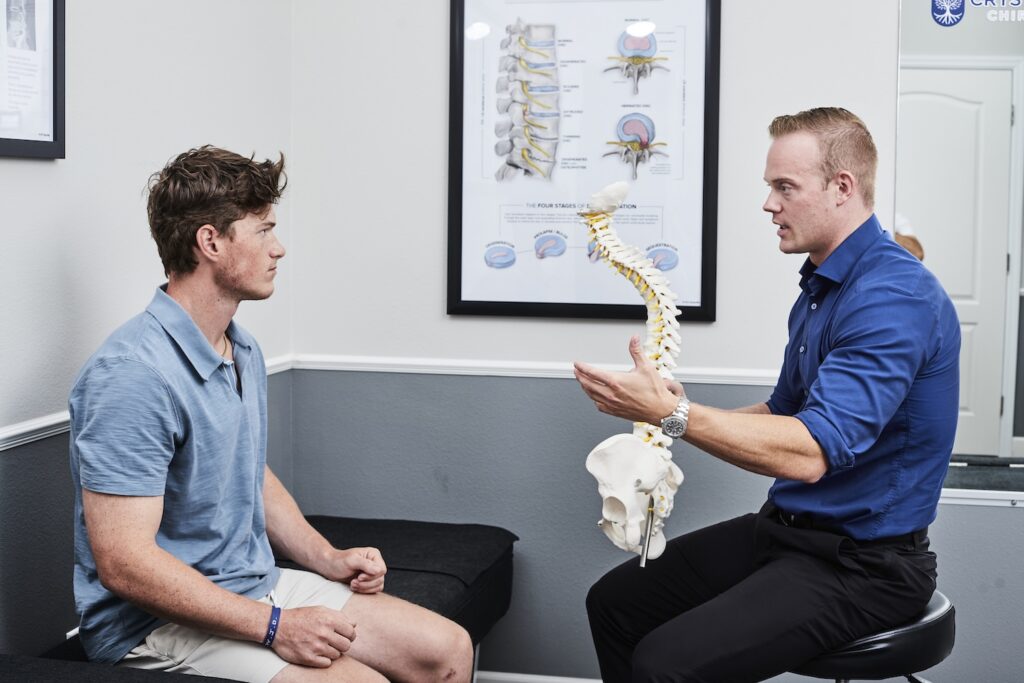
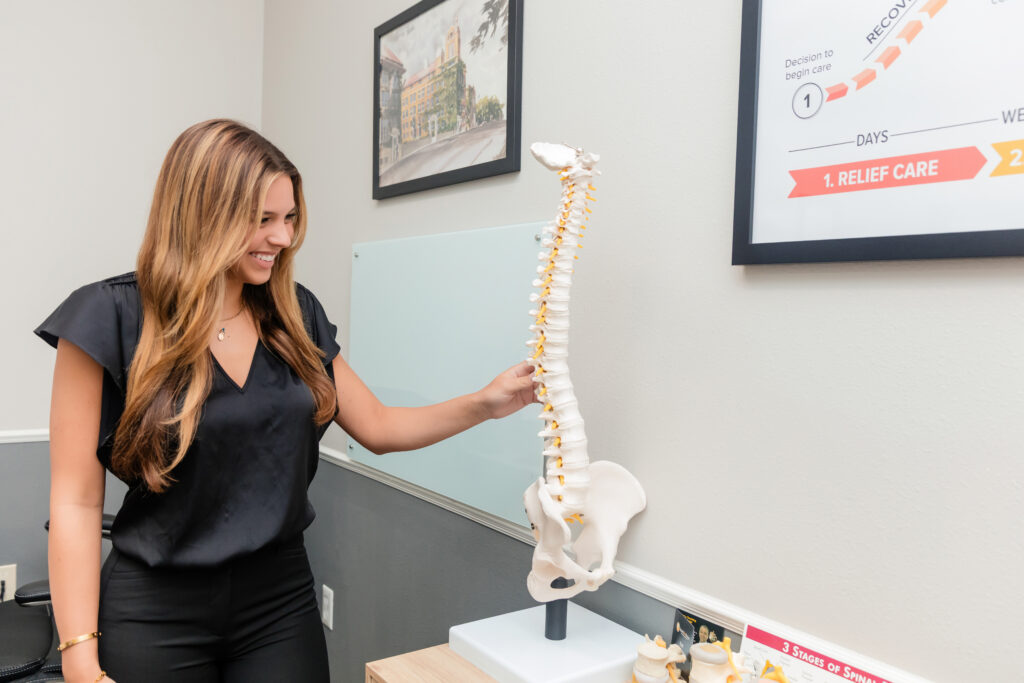
Your spine is made of bones (vertebrae) stacked with flexible discs between them. Each disc has a tough outer ring and a gel-like center. A bulge occurs when the outer ring flattens and protrudes outward, narrowing space for nerves or irritating nearby structures. Think of it as a cushion that’s been pressed at an angle—still intact, but not sitting perfectly anymore.
Bulges can happen anywhere along the spine but are most common in the lower back (lumbar) and neck (cervical) because those areas move the most and carry the most load.
Bulge vs. Herniation: What’s the Difference?
People often use “bulging disc” and “herniated disc” interchangeably, but they’re not the same. In a bulge, the disc stays intact but extends beyond its usual boundary. In a herniation, a crack in the outer ring allows some of the inner material to push out more focally.
Both can irritate nerves and cause pain, but a bulge is generally more diffuse and often responds very well to conservative care. Chiropractic is designed to restore motion, reduce irritation, and improve alignment—key goals whether the finding is a bulge or a mild herniation.
Why Discs Bulge: Common Causes in Everyday Life
Most disc bulges don’t happen from one dramatic event. They develop over time from repeated stress, deconditioning, or poor mechanics. Here in Lutz, we often see flare-ups after long commutes, desk time without breaks, weekend yardwork, or lifting at the gym without proper form.
Typical contributors include:
- Prolonged sitting
- Slouched posture
- Weak core or hip support
- Repetitive bending or twisting
- Deconditioning after an illness or injury
- Acute overload—like moving a heavy couch or an awkward suitcase
Signs and Symptoms to Watch For
Disc bulge symptoms vary. Some patients feel mild, nagging back or neck stiffness. Others notice pain radiating into the leg or arm. Common patterns include:
- Localized back or neck pain that worsens with prolonged sitting
- Sharp or achy pain with bending, coughing, or sneezing
- Stiffness in the morning or after inactivity
- Nerve-related symptoms like tingling, numbness, or weakness in a specific pathway (for example, down the leg—often called sciatica when it’s in the lower back)
Keep in mind: the size of a bulge on imaging does not always match how you feel. Small bulges can be very uncomfortable if they irritate a sensitive structure, while larger bulges can sometimes be quiet. That’s why a hands-on exam is essential.
How Chiropractic Care Treats a Disc Bulge
Chiropractic is frontline, conservative care for spine and nerve-related problems. Our focus is to reduce pain, calm irritation, and restore healthy motion so the disc and surrounding joints can function better. Evidence-based guidelines support spinal manipulation as a first-line, non-drug option for back pain, which often includes disc-related cases when appropriate for the individual. For example, the American College of Physicians includes spinal manipulation among recommended noninvasive treatments for acute, subacute, and chronic low back pain. We tailor those principles to you in a safe, step-by-step plan.
At Crystal Grove Chiropractic, care may include:
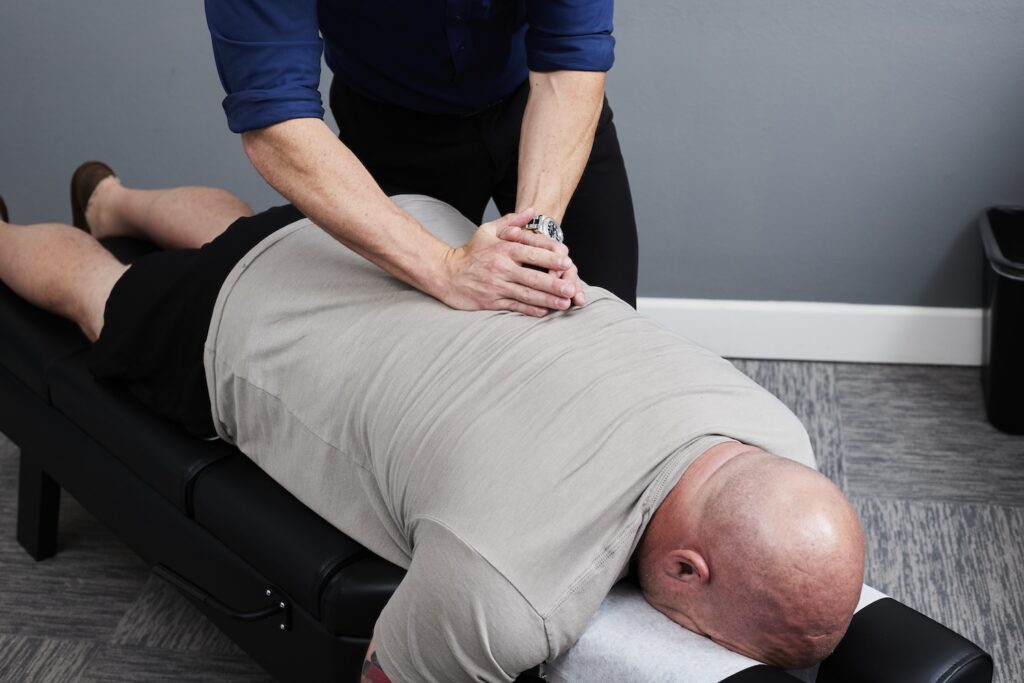
- Precise spinal adjustments to improve joint motion and reduce nerve irritation
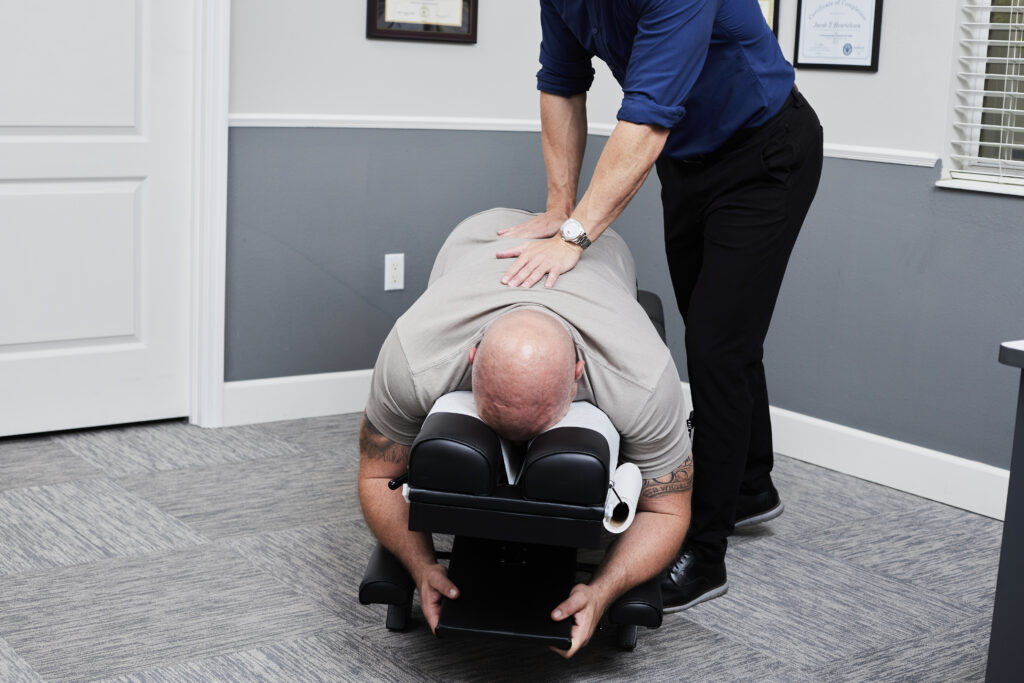
- Flexion-distraction (a gentle, rhythmical technique often helpful with disc complaints)
- Targeted mobility and stabilization exercises prescribed by your chiropractor to support healing
- Soft-tissue care for tight spinal, gluteal, or neck muscles that are guarding the injured area
- Ergonomic and activity coaching so the disc is loaded more evenly throughout your day
Every plan is customized. We adjust the intensity and techniques based on your comfort, exam findings, and goals. Many patients start with gentler approaches and progress as symptoms settle.
For transparency, not every technique fits every case. If something is not appropriate for your presentation, we won’t use it. Safety and smart progression always come first.
What to Expect at Crystal Grove Chiropractic
Your first visit includes a thorough history and exam. We’ll check your posture, range of motion, reflexes, strength, and nerve tension. If you already have imaging, bring it; if not, we typically start with a careful clinical evaluation first and only recommend imaging when it’s clinically indicated.
Treatment usually begins on day one if safe to do so. Early visits focus on calming pain and improving movement. As your symptoms ease, we layer in specific exercises and activity progressions so you can return to work, family time, and hobbies with confidence.
Our goal is more than short-term relief—we want you to understand what aggravates your disc and how to move in ways that support long-term spine health.
Practical Tips to Protect Your Discs at Home
- Micro-break your sitting. Every 30–45 minutes, stand up, walk for a minute, or gently extend your back. Small, frequent resets help discs circulate fluid.
- Hinge, don’t hunch. When picking something up, keep the back long, bend at the hips and knees, and keep items close to your body.
- Support your core. Simple, chiropractor-prescribed exercises like abdominal bracing and hip strengthening can reduce strain on the spine.
- Sleep smart. Side sleeping with a pillow between the knees or back sleeping with a pillow under the knees keeps the spine more neutral.
- Ease into activity. After a flare-up, gradually increase walking and light mobility before returning to heavier lifting or intense workouts.
When to See a Chiropractor in Lutz
If back or neck pain is limiting your day, if you notice recurring flare-ups, or if you feel radiating pain, tingling, or numbness into the arm or leg, it’s time for an evaluation. Early chiropractic care can help calm irritation and prevent small issues from becoming bigger problems.
As a general guide, if pain lasts more than a few days, interrupts sleep, or is aggravated by everyday bending, sitting, or driving, a spine-focused assessment is warranted. We’ll determine what’s driving your symptoms and outline a plan that makes sense for you.
When to Seek Medical Care Urgently
While most disc bulges are not emergencies, there are red flags that need prompt medical attention. If you experience new or worsening bowel or bladder control problems; numbness in the saddle area (inner thighs, buttocks, or groin); progressive leg or arm weakness; or severe, unrelenting pain with fever, unexplained weight loss, or a history of cancer, seek immediate medical evaluation. If needed, we coordinate with local medical providers to make sure you get the right care at the right time.
Myths and Facts About Bulging Discs
| Myth | Fact |
|---|---|
| “If my MRI shows a bulge, I’ll always have pain.” | Imaging findings don’t perfectly predict symptoms. Many bulges calm down with conservative chiropractic care and smart movement. |
| “Rest is the only solution.” | Short-term relief is fine, but guided movement and spinal adjustments help restore function and reduce irritation. |
| “I’ll need surgery.” | Most disc-related pain improves without surgery. Chiropractic is a first-line, non-surgical approach for many patients. |
| “Disc pain means I must avoid exercise forever.” | Activity is important. Your chiropractor will help you return to safe, progressive movement. |
Local, Friendly Care in Lutz
At Crystal Grove Chiropractic, we care for families across Lutz and our surrounding communities. Whether your back flared after a long day at the office or your neck tightened up after yardwork in the Florida heat, we’re here to help you move better, feel better, and get back to what you love.
If you have questions or you’re unsure whether your symptoms are from a disc bulge, reach out. Clear answers—and a sensible plan—make all the difference.
Frequently Asked Questions
Is a bulging disc the same as a herniated disc?
No. A bulge is a broader outward extension of the disc, while a herniation is a more focal protrusion where some inner material pushes through a small tear. Both can be addressed with conservative chiropractic care when appropriate.
How long does it take a bulging disc to feel better?
Timelines vary, but many patients notice improvement within weeks with consistent chiropractic care, activity modifications, and home strategies. More chronic cases may take longer. Your plan is individualized.
Do I need an MRI for a suspected disc bulge?
Not always. Many cases can be diagnosed and treated based on history and exam. Imaging is recommended if there are red flags, significant neurologic findings, or if symptoms don’t improve as expected.
Can chiropractic adjustments help with sciatica from a disc bulge?
They can. Adjustments and related techniques are designed to improve joint motion, reduce nerve irritation, and support better mechanics—often helpful for leg pain related to disc irritation.
Is chiropractic safe if I have a disc bulge?
When delivered after a proper evaluation and tailored to your condition, chiropractic care is considered a safe, conservative option. Techniques are selected to match your comfort and clinical findings.
TL;DR
- A disc bulge is a disc that presses outward beyond its normal boundary and can irritate nearby nerves or joints.
- Chiropractic is a frontline, non-surgical approach that aims to reduce pain, restore movement, and guide lasting spine health.
- Most bulges improve with conservative care, activity adjustments, and targeted exercises.
- See a chiropractor if pain lingers, radiates, or limits your day; seek urgent medical care for bowel/bladder changes, saddle numbness, or progressive weakness.
- With the right plan, you can move confidently and get back to what you love here in Lutz.
References
- American College of Physicians Clinical Practice Guideline on Noninvasive Treatments for Low Back Pain (2017)
- National Center for Complementary and Integrative Health: Spinal Manipulation Overview
- NICE Guideline NG59: Low Back Pain and Sciatica in over 16s