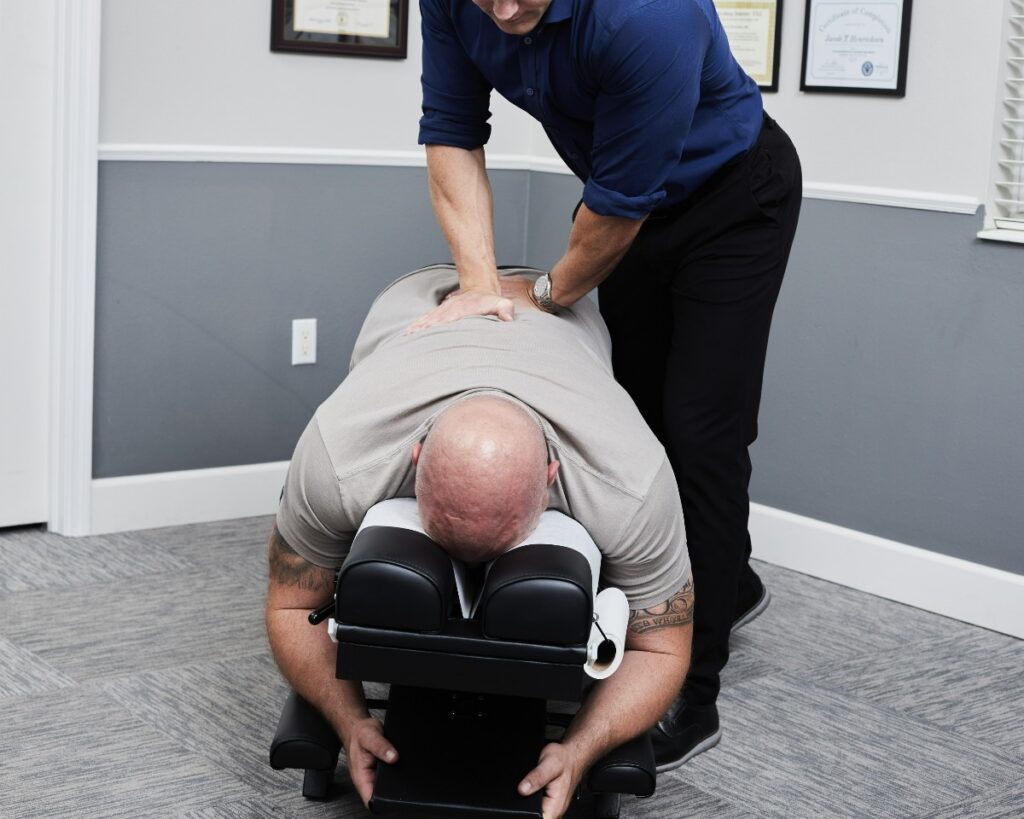

Neck pain is a common issue that many individuals experience, often caused by poor posture or muscle tension. As a local chiropractor, I want to share with you how incorporating simple exercises can significantly improve your neck health. While it’s important to address neck pain holistically, chiropractic care stands out as the most effective method to achieve lasting relief and promote overall wellness.
So, what can you do to alleviate neck pain and enhance your posture? Here are some effective strategies that you can easily incorporate into your daily routine:
- Gentle Neck Stretches: Regularly performing gentle neck stretches can help alleviate tension. Try tilting your head to one side and holding for 15-30 seconds, then switch sides. This can help improve flexibility and reduce discomfort.
- Strengthening Exercises: Strengthening your neck muscles is crucial for support. Simple exercises like chin tucks—where you pull your chin back toward your neck—can help strengthen the muscles that support your spine.
- Ergonomic Adjustments: Pay attention to your workspace. Ensure your computer screen is at eye level and your chair provides adequate support. Proper ergonomics can prevent strain on your neck.
- Regular Chiropractic Care: Regular visits to your chiropractor can address underlying issues that contribute to neck pain. Chiropractic adjustments can help realign your spine, relieve tension, and improve mobility.
- Mindful Posture: Be conscious of your posture throughout the day. Keep your shoulders back and your head aligned over your spine to reduce strain on your neck.
Incorporating these simple exercises and strategies can make a significant difference in your neck health. Remember, chiropractic care is your best ally in achieving optimal health and wellness. By focusing on natural healing and preventative measures, you can enjoy a pain-free life. If you have persistent neck pain, don’t hesitate to consult with your chiropractor to find personalized solutions tailored to your needs.
Key Takeaways
Simple exercises can play a significant role in preventing neck pain, and as a chiropractor, I want to emphasize the importance of maintaining optimal spinal health through natural methods. Here are some ways that incorporating simple exercises into your routine can benefit your neck and overall well-being:
- Strengthening Neck and Shoulder Muscles: Engaging in specific exercises can help build strength in your neck and shoulder muscles. This not only improves your posture but also reduces the strain that often leads to discomfort. Remember, good posture is key to a healthy spine!
- Enhancing Flexibility Through Stretching: Regular stretching is essential for alleviating stiffness and discomfort in the neck area. Gentle stretches can improve your range of motion, making everyday activities easier and more comfortable.
- Promoting Blood Flow: Physical activity is great for increasing blood circulation, which nourishes the muscles in your neck. A healthy blood flow supports overall neck health and can significantly reduce the risk of pain.
- Improving Body Awareness: Incorporating neck exercises into your daily routine can help you become more aware of your body and posture. This awareness makes it easier to correct any poor posture habits that may contribute to discomfort.
- Reducing Stress Levels: Consistent practice of neck exercises can also help reduce stress, which is often a major contributor to muscle tension and pain. Finding ways to unwind and care for your body naturally can lead to significant improvements in your overall health.
Remember, these simple exercises are not just about preventing pain; they are about promoting a healthier lifestyle. By choosing chiropractic care, you are opting for a holistic approach that focuses on natural healing and optimal health. Regular adjustments and guidance from a chiropractor can enhance the benefits of your exercise routine, ensuring that you maintain a pain-free and active lifestyle. Always prioritize your spine and take proactive steps to keep it healthy!
Understanding Neck Pain: Causes and Symptoms
Neck pain can sneak up on you for various reasons, including poor posture, repetitive movements, or even stress. If you’ve been spending long hours at a computer or frequently looking down at your phone, you might notice stiffness or discomfort creeping in. These everyday activities can lead to muscle tightness, inflammation, or even nerve irritation.
Symptoms of neck pain can vary; you might experience headaches, a limited range of motion, or even pain that radiates into your shoulders and arms. Recognizing these signs early is crucial, as it allows you to take proactive steps before the discomfort escalates.
Certain factors, such as how you sleep and a lack of movement throughout the day, can worsen your neck issues. It’s essential to listen to your body and make adjustments.
Here are a few tips to promote neck health:
- Maintain Good Posture: Ensure your workstation is set up ergonomically. Keep your monitor at eye level and use a chair that supports your back.
- Take Breaks: If you work at a desk, take short breaks every hour to stretch and move around. This helps relieve tension in your neck.
- Use Proper Sleeping Positions: Sleep on your back or side with a supportive pillow that keeps your neck aligned with your spine.
- Incorporate Neck Exercises: Gentle stretches and exercises can strengthen your neck muscles and improve flexibility.
If you find yourself dealing with persistent neck pain or severe symptoms, chiropractic care can be an excellent choice for natural relief. Chiropractors are trained to identify and address misalignments in the spine that may contribute to pain and discomfort.
By focusing on spinal health and overall wellness, chiropractic care can help restore balance and promote healing.
By understanding the causes and symptoms of neck pain, and incorporating these preventive measures into your daily life, you can take significant steps towards achieving optimal health and wellness.
The Role of Posture in Neck Health
While it may seem minor, your posture plays a crucial role in maintaining neck health. Poor posture can lead to discomfort and pain, making it vital to be mindful of how you hold your body throughout the day. By improving your posture, you not only support your neck health but also enhance your overall well-being.
Consider the emotional impacts of poor posture:
- Constant discomfort that can drain your energy and affect your mood
- Difficulty focusing on tasks due to persistent pain
- Increased tension in your neck and shoulders, leading to stress
- Limited range of motion, which can hinder your daily activities
- Frustration from recurring pain that disrupts your quality of life
As a chiropractor, I want to share some simple tips to help you improve your posture and, in turn, your neck health:
- Be Mindful of Your Sitting Position: When sitting, keep your feet flat on the ground and your back against the chair. Use a small cushion to support the natural curve of your lower back.
- Screen Height Matters: Ensure your computer screen is at eye level. This prevents you from straining your neck by looking down or up for extended periods.
- Take Breaks: If you work at a desk, take short breaks every hour. Stand up, stretch, and move around to release any built-up tension.
- Strengthen Your Core: Engaging in exercises that strengthen your core muscles can improve your posture and reduce the strain on your neck.
- Chiropractic Care: Regular visits to a chiropractor can help align your spine and improve your posture. Chiropractic adjustments can relieve tension, enhance mobility, and promote healing naturally.
By incorporating these tips into your daily routine and considering chiropractic care, you can take proactive steps towards optimal neck health and overall wellness.
Benefits of Regular Exercise for Neck Pain Prevention
Regular exercise is a key factor in preventing neck pain, and it pairs wonderfully with chiropractic care to help you achieve optimal health. When you exercise, you strengthen the muscles that support your spine, which is essential for maintaining proper alignment and posture. Improved flexibility from regular physical activity also helps your body move more freely, reducing the risk of stiffness and discomfort in the neck area.
Engaging in activities that get your blood flowing, like walking, swimming, or gentle stretching, not only nourishes your muscles but also promotes healing. This makes it easier to keep your posture in check throughout the day, which is crucial for neck health.
Moreover, exercise enhances your body awareness. You become more attuned to how you hold your neck and shoulders, making it easier to identify and correct any strain. Focusing on upper body movements, such as resistance training or yoga, can help build the strength of the muscles that stabilize your neck, further supporting your spine.
Don’t forget that regular exercise is also an excellent way to manage stress, a common contributor to muscle tension. Simple activities like deep breathing exercises or light stretching can help alleviate stress and promote relaxation, making it easier to maintain overall well-being.
Incorporating chiropractic care into your routine can further enhance these benefits. A chiropractor can provide personalized guidance, helping you to understand your body’s needs and how to effectively prevent neck pain.
Essential Stretches for Neck Relief
Incorporating a few essential stretches into your daily routine can significantly alleviate neck tension and discomfort, which is vital for maintaining a healthy spine.
As a chiropractor, I believe that these simple movements not only help reduce stiffness but also improve flexibility, enhancing your overall quality of life.
Remember, chiropractic care is an excellent way to achieve optimal health, and these stretches can complement your journey toward wellness.
Here are some effective stretches you can try:
- Side Neck Stretch: Gently tilt your head to one side, bringing your ear toward your shoulder. This stretch can help release tension in the neck and improve your range of motion.
- Chin Tucks: Pull your chin in toward your neck, creating a double chin effect. This exercise strengthens the muscles that support your neck and helps maintain proper alignment of your spine.
- Shoulder Shrugs: Lift your shoulders toward your ears, hold for a moment, and then release them down. This simple movement can help relieve tightness in the shoulder and neck area.
- Neck Rolls: Slowly roll your head in circular motions, allowing gravity to assist in relieving built-up tension. This can promote relaxation and mobility in your neck.
- Forward Neck Stretch: Interlace your fingers behind your head and gently press down. This stretch targets the muscles at the back of your neck, helping to ease discomfort.
In addition to these stretches, it’s important to maintain good posture throughout your day and take regular breaks from activities that strain your neck, such as prolonged computer use.
Remember, regular chiropractic care can further support your spinal health and help you achieve lasting relief from neck pain.
Stay proactive about your wellness, and consider incorporating these stretches into your daily routine for a healthier, more comfortable life!
Strengthening Exercises for Neck Support
To prevent neck pain and promote overall wellness, it’s crucial to strengthen your neck muscles. Stronger muscles not only provide better support and stability but also help reduce the risk of injury, contributing to a healthier spine.
As a local chiropractor, I believe that incorporating strengthening exercises into your routine can significantly enhance your neck health and well-being.
Here are some effective and simple techniques you can include in your daily regimen:
- Neck Tilts: Gently tilt your head from side to side, holding each position for a few seconds. This exercise helps to stretch and strengthen the muscles along the sides of your neck.
- Chin Tucks: Sit or stand up straight and tuck your chin in towards your chest, creating a double chin. Hold for a few seconds and release. This exercise promotes better posture and strengthens the muscles that support your cervical spine.
- Shoulder Shrugs: Raise your shoulders towards your ears, hold for a moment, then relax them down. Repeat several times. This helps to relieve tension in the neck and upper back area.
- Isometric Neck Exercises: Place your hand on your forehead and push your head against it without moving your neck. Hold for a few seconds and then switch to the back and sides of your head. This builds strength without straining your muscles.
In addition to these exercises, maintain good posture throughout your day, whether sitting at your desk or using your phone. Proper alignment helps to alleviate stress on your neck and can prevent pain.
As always, if you’re experiencing discomfort, consider visiting a chiropractor. Chiropractic care focuses on natural healing and spinal alignment, which can greatly enhance your neck strength and overall health.
Importance of Neck Strength
Neck strength is a vital component of overall spinal health and can significantly lower your risk of pain and injury. By focusing on strengthening your neck, you’re not only protecting this critical area but also improving your quality of life.
Imagine how wonderful it feels to:
- Move freely without discomfort, allowing you to engage in daily activities with ease
- Sleep soundly through the night, waking up refreshed and ready to take on the day
- Enjoy your favorite hobbies without the worry of strain or pain
- Maintain good posture effortlessly, which can enhance your overall well-being
- Feel more confident in your movements, knowing your body is well-supported
Chiropractic care is an excellent way to enhance neck strength and promote spinal health naturally. Regular adjustments can help realign your spine, reduce tension, and improve your overall body mechanics.
Here are some practical tips to strengthen your neck and maintain its health:
- Practice Neck Exercises: Simple stretches and strengthening exercises can help. Try gentle neck rotations, side bends, and chin tucks to keep your neck flexible and strong.
- Stay Hydrated: Drinking plenty of water supports spinal health and helps keep the discs in your spine well-hydrated.
- Mind Your Posture: Be conscious of your posture, especially when sitting for long periods. Ensure your workspace is ergonomically designed, and take regular breaks to stretch.
- Use Supportive Pillows: When sleeping, choose a pillow that supports the natural curve of your neck, which can help prevent discomfort and promote better alignment.
- Seek Chiropractic Care: Regular visits to your chiropractor can help you maintain neck strength and overall spinal health. They can provide personalized advice and tailored exercises to fit your needs.
Recommended Strengthening Techniques
Strengthening your neck is simpler than you might think, and it can greatly enhance your comfort and overall well-being. Here are some effective techniques you can incorporate into your daily routine, promoting natural healing and better spinal health.
Start with gentle neck stretches to relieve tension. Tilt your head side to side and forward to alleviate tightness. These movements help improve flexibility and circulation in your neck area.
Next, consider isometric exercises. For these, gently press your forehead into your palms without moving your head. Hold for a few seconds, then switch to pressing the back of your head into your hands and then the sides. This helps to engage your neck muscles without straining them, fostering strength and stability.
Chin tucks are another excellent exercise to add to your routine. Simply pull your chin back toward your neck while keeping your spine straight. This action not only strengthens your neck but also aids in improving your posture, which is crucial for spinal health.
Aim for 5-10 repetitions of each exercise daily. Consistency is key! By strengthening your neck muscles, you can enhance your posture and significantly reduce the risk of pain.
Remember, chiropractic care is a fantastic way to support your neck and spine. Regular adjustments can help maintain proper alignment and ensure your body functions at its best.
If you’re looking for a natural approach to wellness and pain relief, consider visiting your local chiropractor to discuss personalized care options that will complement your strengthening exercises.
Incorporating Neck Exercises Into Your Daily Routine
While it may seem challenging to fit neck exercises into your busy day, incorporating them into your routine can significantly reduce pain and enhance mobility—key aspects of maintaining a healthy spine. You don’t need to carve out large blocks of time; just a few minutes throughout your day can yield positive results.
Here are some practical tips for integrating neck exercises into your daily activities:
- While waiting for the kettle to boil, take a moment to do some gentle neck stretches. This can help alleviate tension and promote relaxation.
- Perform gentle neck rotations while watching your favorite show. It’s a great way to stay engaged while also caring for your spine.
- If you find yourself at your desk for long periods, take breaks to do quick shoulder shrugs. This helps release built-up tension and supports better posture.
- Use your commute as an opportunity to practice head tilts at stoplights. Just ensure you’re safe and aware of your surroundings!
- Consider adding neck exercises into your morning or evening routine. This can be as simple as a few stretches before bed to unwind or first thing in the morning to start your day off right.
Remember, these small but consistent efforts can lead to significant benefits for your neck and overall health.
As a chiropractor, I emphasize that proper spinal care is crucial for optimal wellness, and incorporating these exercises can be a natural way to support your body without the need for medications or invasive procedures.
Prioritizing your spinal health through simple actions can lead to a happier, healthier life.
Ergonomic Tips for a Pain-Free Workspace
Creating a pain-free workspace is essential for maintaining your spinal health and overall well-being. One of the first steps is to adjust your desk height so that your elbows form a 90-degree angle while typing. This position helps reduce strain on your spine and prevents discomfort.
Next, ensure that your monitor is positioned at eye level. This simple adjustment can significantly reduce neck strain, keeping your spine aligned and promoting better posture throughout your workday. Remember, a well-aligned spine is vital for optimal health and can help prevent pain and discomfort.
In addition to these adjustments, consider taking regular breaks to stand up, stretch, and move around. This not only aids in spinal health but also enhances circulation and boosts your energy levels.
Incorporating regular chiropractic care into your routine can further support your journey to a pain-free life. A chiropractor can help ensure your spine is properly aligned and address any discomfort you may be experiencing.
Desk Height Adjustment
Adjusting your desk height is one of the simplest yet most effective ways to create an ergonomic workspace that supports your health and well-being. As a chiropractor, I often see patients struggling with neck pain and discomfort due to poor posture while working at their desks. A properly set desk can help you maintain good posture, reducing strain on your neck and back.
Here are some key benefits of a well-adjusted desk:
- You’ll feel more comfortable throughout the day, which can help you focus better on your tasks.
- Reduced tension in your body leads to improved concentration and productivity.
- By avoiding long-term injuries, you can stay active and engaged in your daily life.
- Your overall mood can improve when you’re free from pain and discomfort.
- Cultivating healthy habits, like adjusting your desk height, can lead to a lifetime of wellness.
To find the right desk height, take a few minutes to stand or sit at your desk and adjust it until your elbows are at a 90-degree angle while typing. Your feet should be flat on the ground, and your screen should be at eye level to keep your neck in a neutral position. Small adjustments can make a world of difference in your comfort and health.
Remember, while desk adjustments are important, they’re part of a broader approach to health. Regular chiropractic care can help ensure your spine is aligned, reducing pain and promoting natural healing.
If you experience ongoing discomfort, I encourage you to seek chiropractic care as a natural and effective way to achieve optimal health. By combining good ergonomic practices with chiropractic adjustments, you can create a healthier, happier you!
Monitor Positioning Tips
Proper monitor positioning is vital for creating a pain-free workspace, which plays a significant role in your overall health and spinal wellness. By ensuring your monitor is correctly set up, you can greatly reduce discomfort in your neck and eyes, promoting a healthier lifestyle.
Start by positioning your monitor about an arm’s length away. This distance allows for comfortable reading without straining your eyes. The top of your screen should be at or just below eye level, enabling you to look straight ahead without tilting your head. This simple adjustment can help alleviate neck tension and support proper spinal alignment.
If you work with multiple monitors, make sure they’re at a similar height and distance. This alignment will minimize the need to shift your gaze frequently, reducing strain on your neck and promoting better posture.
Additionally, take a moment to check the brightness and contrast of your monitors to ensure they’re comfortable for your eyes, which can further prevent discomfort.
Remember, a well-aligned workstation is just one aspect of maintaining your health. Regular chiropractic care can help support your spinal health and overall well-being, allowing your body to function at its best.
Mindfulness and Stress Reduction Techniques
Neck pain is a common issue that many people face, often due to physical strain, stress, and tension. As a chiropractor, I want to emphasize the importance of addressing not just the physical aspect of neck pain, but also the emotional and mental components that can exacerbate discomfort.
Incorporating mindfulness and stress reduction techniques into your daily routine can complement chiropractic care and significantly improve your well-being. Here are some effective strategies you can easily integrate into your life:
- Deep Breathing: Take a moment to focus on your breath. Inhale deeply through your nose, allowing your abdomen to rise, and then exhale slowly through your mouth. This simple practice can help relax your muscles and reduce tension in your neck.
- Meditation: Spend a few minutes each day in silence, allowing your mind to quiet and your body to relax. Meditation can create a sense of calm, helping you to manage stress and improve your overall health.
- Gentle Stretching: Incorporate stretches that specifically target the neck and shoulders into your routine. Simple neck rolls and shoulder shrugs can help release built-up tension and improve mobility.
- Progressive Muscle Relaxation: This technique involves tensing and then relaxing each muscle group in your body, starting from your toes and working your way up to your neck. It can help you become more aware of areas where you hold tension, allowing you to consciously let go of it.
- Mindful Walking: Take a leisurely stroll and focus on the sensations of each step. Pay attention to your surroundings, the feeling of the ground beneath you, and the rhythm of your breath. This practice can ground you and alleviate stress.
By integrating these techniques into your daily life, you can manage stress effectively, reduce the likelihood of neck pain, and enhance your overall quality of life.
Remember, chiropractic care is also an excellent way to address neck pain and promote natural healing. Regular chiropractic adjustments can help align your spine, alleviate discomfort, and support your journey toward optimal health.
Prioritize your well-being and explore how chiropractic can be a vital part of your pain relief and wellness strategy.
When to Seek Professional Help for Neck Pain
How do you know when it’s time to seek professional help for neck pain? If your discomfort sticks around for more than a few days, it’s a strong sign that you should consult a chiropractor. Persistent pain often indicates an underlying issue that could benefit from a natural, hands-on approach to healing.
You should also reach out if you’re experiencing severe pain, numbness, or tingling in your arms or hands. These sensations could suggest that your nerves are involved, and a chiropractor can help assess and address these concerns effectively.
If neck pain is getting in the way of your daily activities or interfering with your sleep, don’t wait to seek assistance. A chiropractor can provide treatments that not only relieve pain but also promote overall wellness.
Additionally, if you notice a sudden loss of range of motion or if the pain follows an injury, it’s important to get evaluated sooner rather than later.
Chiropractic care focuses on the spine and its crucial role in your overall health. A professional evaluation can help you understand your condition better and guide you towards natural treatment options that prioritize your body’s ability to heal itself.
Remember, your health is worth being proactive about; ignoring discomfort can lead to bigger issues down the road. Listen to your body—if something doesn’t feel right, don’t hesitate to reach out for help.
As a general tip, maintaining good posture, staying active, and incorporating gentle stretches into your daily routine can also support your neck health and prevent future pain. Embrace chiropractic care as a pathway to pain relief and a healthier, more balanced life!
Conclusion
Incorporating simple exercises into your daily routine can significantly improve your neck health and help prevent pain. By focusing on stretches and strengthening exercises, you can enhance your posture and alleviate stiffness—two key factors that contribute to neck discomfort.
In addition to exercises, it’s essential to evaluate your workspace ergonomics. Ensure your computer screen is at eye level and your chair supports your spine. Mindfulness practices can also be beneficial in reducing stress, which often leads to muscle tension in the neck.
Remember, consistency is crucial! By making these exercises and adjustments part of your daily routine, you can achieve long-term relief from neck pain. Chiropractic care is an excellent choice for maintaining optimal health, as it addresses the root causes of discomfort rather than just masking the symptoms. If you’re experiencing persistent issues, consider visiting a chiropractor for personalized guidance and support tailored to your needs. Take charge of your neck health today and embrace a more comfortable, pain-free life!