When you think about enhancing your athletic performance, recovery often takes a backseat, yet it's just as essential as training itself. By tapping into expert support—from nutritionists to mental wellness coaches—you can create a personalized recovery plan that addresses your unique needs. This holistic approach not only speeds up physical healing but also fortifies your mental strength, setting the stage for greater achievements. So, what specific strategies can you implement to optimize your recovery and elevate your game?
Importance of Recovery in Athletics
In the world of athletics, recovery is just as vital as training. You might push your limits during workouts, but without proper recovery, those efforts can lead to burnout, injury, or stagnation. Understanding the importance of recovery is fundamental for maximizing your performance and longevity in your sport.
When you train, your muscles endure micro-tears that need time to heal. This healing process is where the real gains happen. If you skimp on recovery, you risk overtraining, which can hinder your progress and lead to fatigue, decreased motivation, and even illness. By allowing your body to rest and repair, you guarantee peak muscle growth and strength.
Additionally, mental recovery plays a pivotal role in your performance. Continuous physical exertion without adequate rest can lead to mental fatigue, reducing focus and decision-making skills during competition. Taking time to recharge mentally can enhance your motivation and enthusiasm for training.
Incorporating rest days, active recovery sessions, and restorative practices into your routine is imperative. Listen to your body; it knows when it needs a break. Prioritizing sleep, engaging in light activities like yoga or swimming, and using techniques like foam rolling can all support your recovery efforts.
In short, don't underestimate the power of recovery. Embrace it as part of your training regimen, and you'll find yourself performing at your best, feeling energized, and enjoying the journey of your athletic pursuits.
Role of Nutrition and Hydration
Nutrition and hydration play a vital role in your recovery process.
Understanding nutrient timing, hydration strategies, and essential recovery foods can make a significant difference in how quickly you bounce back after intense workouts.
Let's explore how to optimize your diet and fluid intake for better athletic performance.
Nutrient Timing Importance
Timing your nutrient intake can make a significant difference in your athletic recovery. When you consume the right nutrients at the right times, you optimize your body's ability to repair and rebuild after intense workouts.
Post-exercise, your muscles are primed to absorb nutrients, making it the perfect time to replenish glycogen stores and kickstart protein synthesis. Aim to eat a balanced meal rich in carbohydrates and protein within 30 to 60 minutes after exercising.
Don't overlook the importance of pre-workout nutrition, either. Fueling your body with the right foods beforehand can enhance your performance and set you up for a successful recovery. Consider a meal or snack that contains carbohydrates and protein about 2 to 3 hours before your workout.
Throughout the day, focus on maintaining balanced nutrition, including healthy fats, vitamins, and minerals. These nutrients support muscle recovery and overall health.
Hydration Strategies Explained
Effective hydration strategies play an essential role in your athletic performance and recovery. Maintaining proper fluid balance helps regulate your body temperature, supports muscle function, and aids in nutrient transportation.
Start by evaluating your hydration needs based on factors like your activity level, the climate, and your body weight.
During workouts, sip water or a sports drink regularly to replace lost fluids. Aim for about 7-10 ounces every 10-20 minutes, depending on your intensity.
Post-exercise, focus on rehydrating within 30 minutes. A good rule of thumb is to drink 16-24 ounces for every pound lost during your workout.
Don't wait until you're thirsty to hydrate. Make it a habit to drink water consistently throughout the day.
Consider incorporating electrolyte-rich beverages if you're training for extended periods, as they help replenish essential minerals lost through sweat.
Also, pay attention to your urine color—light yellow indicates adequate hydration, while darker shades signal that you need to drink more.
Essential Recovery Foods
After ensuring proper hydration, the next step in your athletic recovery is focusing on the right foods. Nutrition plays a vital role in repairing your muscles and replenishing energy stores. Start by incorporating lean proteins like chicken, fish, or plant-based options such as lentils and quinoa. These foods help rebuild muscle tissue and support recovery.
Don't forget about carbohydrates! They're essential for replenishing glycogen stores after intense workouts. Opt for whole grains, fruits, and starchy vegetables to provide the energy your body needs. Pairing proteins with carbohydrates can enhance recovery further, so consider meals like a chicken and brown rice bowl or a smoothie with banana and protein powder.
Healthy fats shouldn't be overlooked either. Foods like avocados, nuts, and olive oil can help reduce inflammation and support overall recovery.
Finally, include a variety of colorful fruits and vegetables in your diet. They're packed with antioxidants that combat oxidative stress caused by exercise.
Physical Therapy Techniques
When you're recovering from intense training or an injury, physical therapy techniques can play an essential role in your healing process.
You'll find that manual therapy approaches, stretching and mobilization, and various recovery modalities can greatly enhance your performance and comfort.
Let's explore how each of these techniques can support your athletic recovery journey.
Manual Therapy Approaches
Manual therapy approaches play an essential role in athletic recovery, helping you restore mobility and alleviate pain.
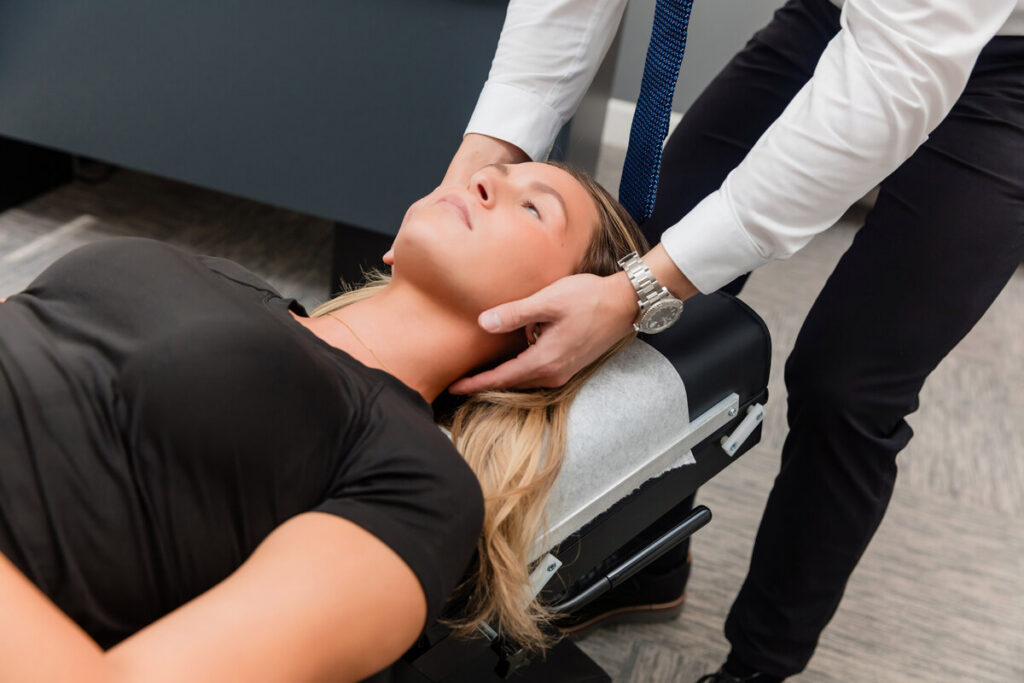
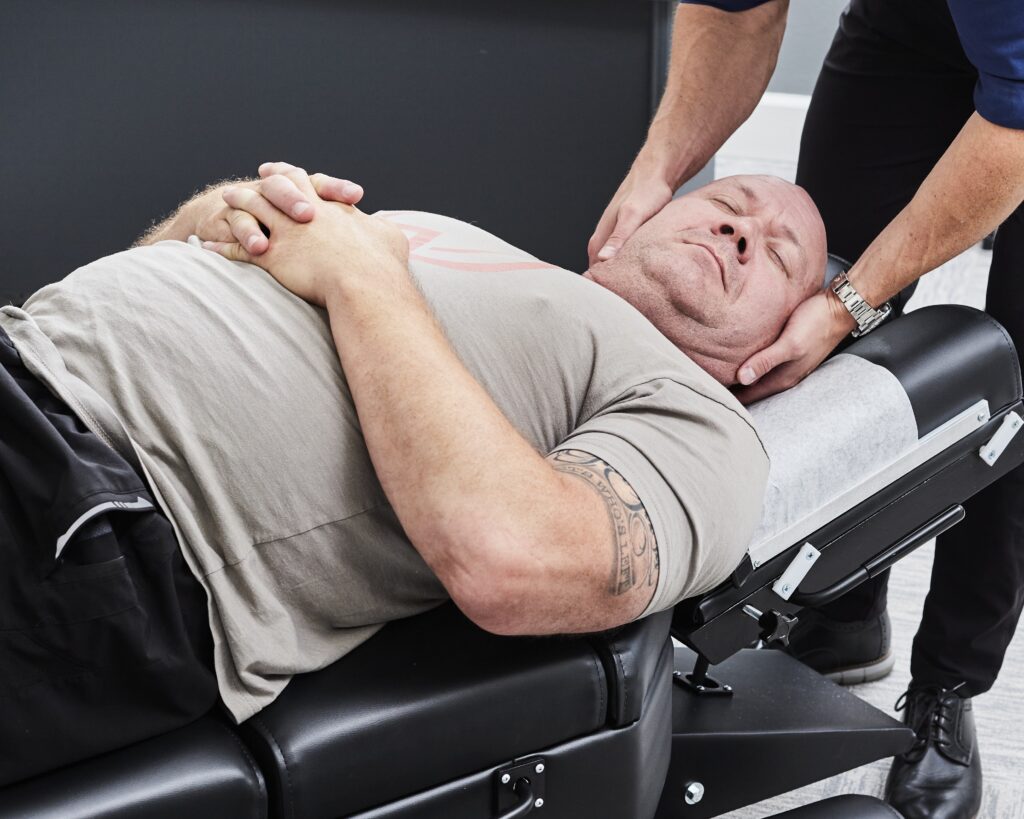
These hands-on techniques focus on manipulating soft tissues and joints to enhance your body's natural healing processes. Whether you're dealing with a sprain, strain, or chronic tension, manual therapy can target specific areas that need attention.
One of the most common techniques is myofascial release, which addresses tightness in the fascia, the connective tissue surrounding your muscles. By applying gentle, sustained pressure, this method promotes relaxation and improves blood flow, speeding up recovery.
Another effective approach is joint mobilization, where the therapist gently moves your joints to improve range of motion and reduce stiffness.
You might also benefit from soft tissue mobilization, which involves applying pressure to muscles and connective tissues to release knots and tension. This can enhance flexibility and functional movement.
Incorporating manual therapy into your recovery routine can greatly enhance your performance and overall well-being.
With the right therapist guiding you, you'll experience a more effective recovery, allowing you to get back to your sport stronger and more resilient.
Stretching and Mobilization
Stretching and mobilization techniques play an integral role in enhancing your athletic recovery and overall performance. Incorporating these methods into your routine can help improve flexibility, reduce muscle tension, and promote joint mobility.
When you stretch regularly, you not only increase your range of motion but also decrease the risk of injury during training and competition.
Dynamic stretching, performed before workouts, prepares your muscles and joints for activity. It can enhance blood flow and warm up your body effectively.
On the other hand, static stretching, done post-exercise, helps in lengthening the muscles and promoting relaxation. This is vital for recovery, as it aids in reducing soreness and stiffness.
Mobilization techniques, often guided by a physical therapist, focus on restoring joint function. These hands-on techniques can enhance your movement patterns, ensuring that you maintain ideal biomechanics during athletic activities.
By addressing any restrictions, you're setting yourself up for better performance and a faster recovery.
Integrating both stretching and mobilization into your training regimen won't only support your recovery but also elevate your overall athletic experience.
Make these techniques a priority, and watch your performance soar.
Modalities for Recovery
Building on the importance of stretching and mobilization, various modalities for recovery can further enhance your athletic performance and expedite the healing process.
Techniques like cryotherapy, ultrasound therapy, and electrical stimulation offer targeted support for muscle recovery.
Cryotherapy involves exposing your body to cold temperatures, reducing inflammation and pain while promoting faster recovery. You might find that spending a few minutes in a cryo chamber or using ice packs helps alleviate soreness after intense workouts.
Ultrasound therapy uses sound waves to penetrate deep tissues, stimulating blood flow and accelerating tissue repair. This non-invasive method can be particularly beneficial for treating chronic injuries.
Electrical stimulation, on the other hand, employs electrical impulses to stimulate muscle contractions, which can help reduce pain and improve muscle function. It's often used in rehabilitation settings, but you can also incorporate it into your recovery routine at home.
Incorporating these modalities into your recovery regimen can help you bounce back quicker from workouts, reduce the risk of injury, and keep you performing at your best.
Mental Wellness Strategies
To boost your mental wellness, it's essential to incorporate strategies that help you unwind and recharge. Mental wellness plays an important role in your overall athletic recovery, allowing you to perform at your best.
Here are three effective strategies you can use to enhance your mental well-being:
- Mindfulness Meditation: Practicing mindfulness can help you stay present and reduce anxiety. Spend just 10 minutes a day focusing on your breath or observing your thoughts without judgment. This simple practice can clear your mind, improve focus, and enhance your emotional resilience.
- Journaling: Writing down your thoughts and feelings can be a powerful way to process emotions and alleviate stress. Consider keeping a gratitude journal where you list three things you're thankful for each day. This habit can shift your perspective and foster a positive mindset.
- Physical Activity: While you may already be engaged in athletic training, incorporating lighter physical activities like yoga or walking can greatly benefit your mental health. These activities release endorphins and promote relaxation, helping you manage stress and improve your mood.
Innovative Recovery Technologies
As you focus on mental wellness strategies to enhance your athletic recovery, consider how innovative recovery technologies can further support your efforts. These cutting-edge tools and techniques are designed to optimize your recovery process, making it easier for you to bounce back from intense training sessions or competitions.
One popular technology is the use of cryotherapy, which exposes your body to extremely cold temperatures for a short period. This method reduces inflammation, speeds up muscle recovery, and alleviates soreness, allowing you to get back to training sooner.
You might also explore infrared saunas, which promote detoxification and improve circulation, helping your muscles recover more effectively.
Another innovation worth considering is percussion therapy. Devices like massage guns deliver rapid bursts of pressure to your muscles, breaking up tension and enhancing blood flow. This targeted treatment can notably reduce recovery time, keeping you in top form.
Wearable technology has also revolutionized how athletes monitor their recovery. Smartwatches and fitness trackers can provide insights into your heart rate variability, sleep patterns, and overall wellness. By analyzing this data, you can make informed decisions about your training and recovery routines.
Finally, consider the benefits of compression therapy. Specialized garments apply pressure to your limbs, promoting better circulation and reducing swelling. This approach can be particularly useful after intense workouts or competitions, helping you feel rejuvenated and ready for your next challenge.
Embrace these innovative recovery technologies to elevate your performance and enhance your overall athletic journey.
Building a Support Team
Your recovery journey can greatly benefit from a strong support team that includes coaches, trainers, and mental wellness professionals. Having the right people around you not only enhances your physical recovery but also supports your mental resilience.
Building this team is essential in ensuring you bounce back stronger and faster.
Here are three key roles to take into account when assembling your support team:
1. Coaches: Your coach plays an important role in guiding your training regimen. They can tailor workouts to fit your recovery needs, ensuring you're not overexerting yourself while still pushing your limits.
They also help in setting realistic goals that align with your recovery timeline.
2. Trainers: A certified trainer can provide specialized knowledge in injury prevention and rehabilitation.
They'll work with you on techniques that promote recovery, such as proper stretching, strength training, and mobility exercises. Their expertise is indispensable in helping you regain strength and confidence.
3. Mental Wellness Professionals: Recovery isn't just physical; it's mental too.
A sports psychologist or counselor can help you navigate the emotional challenges that come with setbacks. They'll provide strategies to maintain focus, manage stress, and cultivate a positive mindset throughout your recovery process.
Conclusion
Incorporating expert support into your recovery routine is key to releasing your full athletic potential. By focusing on nutrition, utilizing physical therapy techniques, and prioritizing mental wellness, you can enhance your recovery process. Don't underestimate the power of innovative recovery technologies and a strong support team. With the right strategies and guidance, you'll not only bounce back quicker but also boost your performance and resilience, keeping you on track to achieve your athletic goals.