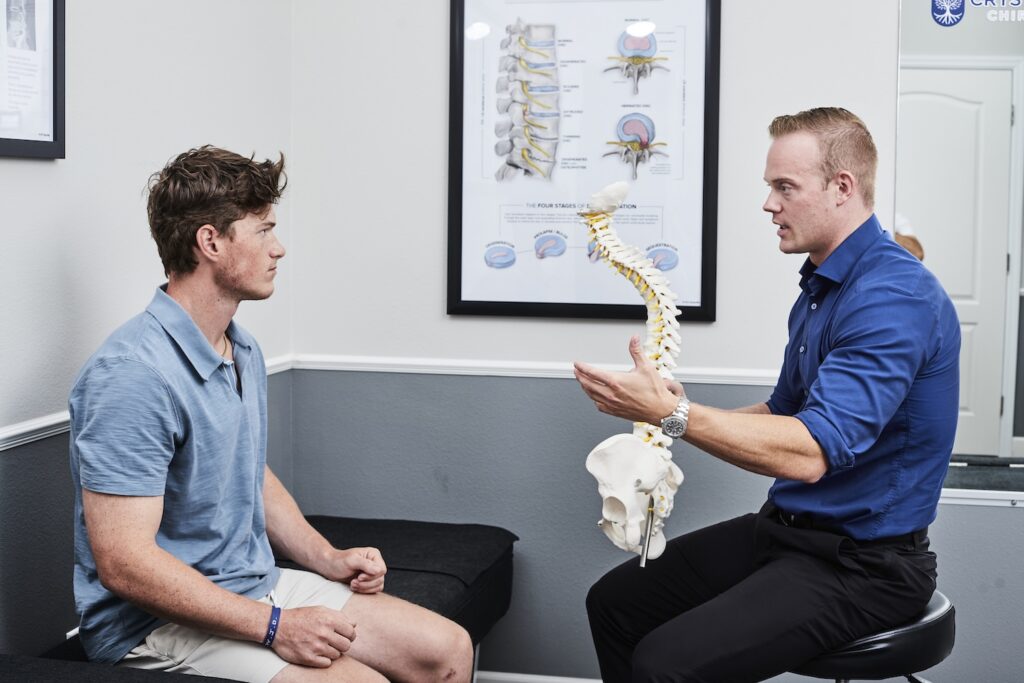

If you’re dealing with lower back pain, I want you to know that you’re not alone in this journey. Many individuals seek relief, and as a local chiropractor, I’m here to guide you through various licensed techniques that can help restore your function and alleviate discomfort naturally. Approaches such as chiropractic adjustments, physical therapy, and acupuncture are just a few of the tailored solutions we offer to fit your unique situation. The key is to discover the method that resonates with you and aligns with your body’s needs. Are you curious about which chiropractic techniques might provide the best relief for you? Let’s explore some of the top options available in our practice.
Physical Therapy
Chiropractic care provides an effective approach to managing lower back pain and enhancing your overall mobility. When you visit a licensed chiropractor, they’ll take the time to evaluate your individual situation and develop a tailored treatment plan just for you. This plan typically includes specific adjustments and manipulations aimed at realigning the spine and reducing tension in the surrounding muscles.
In addition to spinal adjustments, you’ll receive guidance on proper posture and body mechanics, which are crucial for preventing future injuries and promoting long-term health. Your chiropractor may also recommend complementary therapies such as massage or gentle stretches to further alleviate discomfort and improve flexibility.
Understanding the importance of a holistic approach, we focus on natural healing methods that empower you to take charge of your health and well-being.
Through regular chiropractic visits, you’ll not only address your current pain but also work towards a stronger, more resilient body for the future.
Chiropractic Adjustments
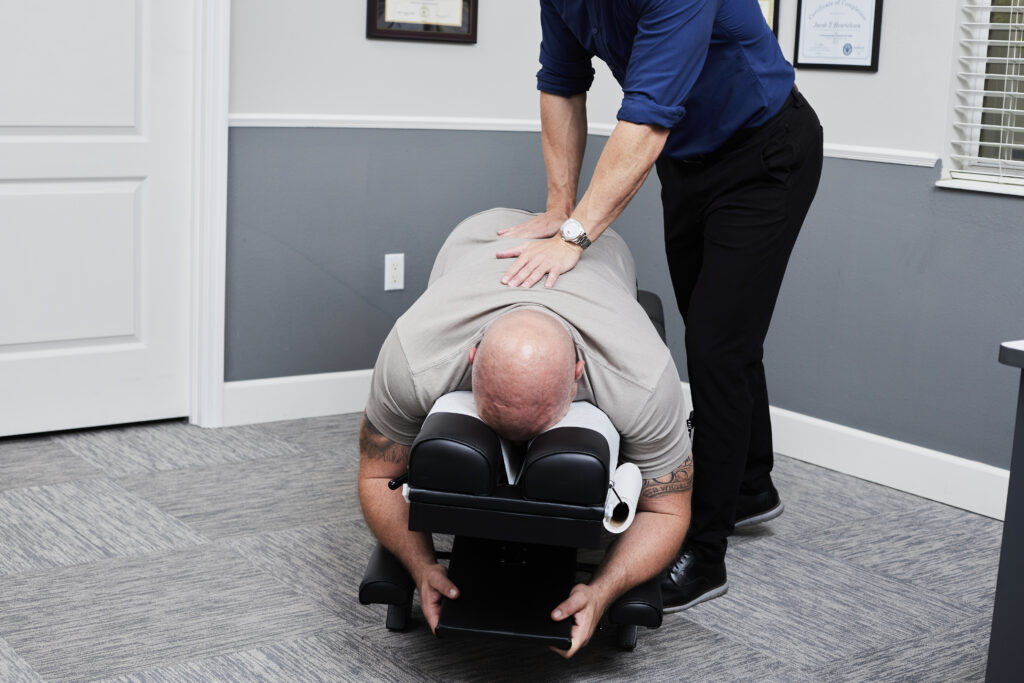
As a local chiropractor, I want to take a moment to explain the incredible benefits of chiropractic adjustments, especially if you’re not yet familiar with this natural healing approach. When you come in for an adjustment, I use precise techniques to realign your spine, which can help alleviate pain and discomfort. This hands-on method focuses on correcting misalignments in your spine that may be causing tension, particularly in your lower back.
Here are some of the benefits you may experience from chiropractic adjustments:
- Improved spinal alignment, which is crucial for your overall health
- Reduced muscle tension, allowing for greater comfort in your daily activities
- Enhanced range of motion, making it easier to move freely
- Increased blood flow to tissues, promoting healing and vitality
- Faster recovery from injuries, helping you return to your routine sooner
Chiropractic care isn’t just about addressing pain in the moment; it’s also about preventing future issues. By making regular visits to my clinic, you can maintain optimal spinal health and improve your overall well-being.
Many of my patients find that these adjustments lead to better posture and a more active lifestyle.
If you’re experiencing lower back pain or any discomfort, I encourage you to schedule an appointment. Let’s work together to explore how chiropractic adjustments can positively impact your life and help you achieve a healthier, more balanced lifestyle.
Acupuncture
As a local chiropractor, I want to introduce you to an effective approach for relieving lower back pain: acupuncture. This ancient practice involves stimulating specific points on your body to promote healing and alleviate discomfort.
Today, I’ll explain how acupuncture works, its advantages for back pain, and what you can anticipate during a treatment session.
Acupuncture can be a complementary therapy alongside chiropractic care, helping to enhance your overall treatment plan. By focusing on the energy pathways in your body, acupuncture encourages natural healing processes, potentially reducing inflammation and improving mobility.
Many patients find that incorporating acupuncture into their wellness routine not only helps with pain relief but also promotes relaxation and improves overall well-being.
During an acupuncture session, you can expect a calm and comfortable environment. A trained practitioner will carefully insert thin needles at targeted points on your body, and while some may feel a slight pinch, most experience minimal discomfort.
Sessions typically last about 30 to 60 minutes, and many patients feel a sense of relaxation and relief afterward.
If you’re exploring natural healing methods for your back pain, acupuncture may be an excellent option to consider in conjunction with chiropractic adjustments. Together, we can work towards a holistic approach to your health and wellness.
How Acupuncture Works
As a local Chiropractor, I want to introduce you to an effective approach for finding relief from lower back pain: acupuncture. This ancient practice, which is part of traditional Chinese medicine, involves the careful insertion of thin needles into specific points on your body to promote energy flow.
Let me explain how acupuncture can benefit you:
- Restores balance: Acupuncture aims to balance your body’s energy, often referred to as “Qi,” which is essential for optimal health.
- Reduces inflammation: The strategically placed needles can activate your body’s natural anti-inflammatory processes, helping to alleviate pain and discomfort.
- Releases endorphins: This technique stimulates the release of endorphins, your body’s natural pain-relieving chemicals, providing a sense of relief.
- Improves circulation: By increasing blood flow to the affected areas, acupuncture can enhance the healing process, promoting recovery.
- Promotes relaxation: One of the added benefits of acupuncture is its ability to reduce stress and tension, which can significantly contribute to overall pain relief.
If you’re curious about how acupuncture might complement your chiropractic care and support your journey toward natural healing, I’d be happy to discuss it further!
Benefits for Back Pain
As a local chiropractor, I understand that finding relief from back pain can often feel overwhelming. One effective approach I want to share with you is chiropractic care, which offers numerous benefits for those suffering from back discomfort.
By focusing on the alignment of your spine and addressing specific issues, chiropractic adjustments help reduce inflammation and improve blood circulation, which can significantly alleviate pain.
Many of my patients notice an improvement in their range of motion and overall mobility after just a few sessions. Additionally, chiropractic care promotes relaxation and reduces stress levels, which can play a crucial role in your journey toward pain relief.
Unlike conventional treatments that may only address the symptoms, chiropractic care takes a holistic approach by targeting the underlying causes of your discomfort.
Rest assured, chiropractic care is generally safe and well-tolerated, making it an excellent option for anyone looking to explore natural healing methods for back pain.
I’m here to guide you through this process and help you find the relief you deserve.
Treatment Session Expectations
What can you expect during your first chiropractic session aimed at alleviating lower back pain? The experience will be both enlightening and soothing. Here’s what generally occurs:
- Initially, you’ll engage in a detailed conversation about your medical history and the specific areas of discomfort you’re experiencing with the chiropractor.
- They’ll inquire about your daily habits and any prior treatments you’ve undergone, ensuring a comprehensive understanding of your situation.
- You’ll then lie down in a comfortable position while the chiropractor performs gentle adjustments and manipulations to align your spine and relieve tension.
- You may feel a slight pressure during the adjustments, but any discomfort typically subsides quickly, leaving you feeling more at ease.
- After the session, your chiropractor may offer valuable advice on self-care practices or lifestyle modifications to enhance your healing process.
Typically, a chiropractic session lasts between 30 to 60 minutes, and many patients report an immediate sense of relief and relaxation afterward.
Embrace this journey toward better health, and you may find it significantly beneficial for your lower back pain.
Massage Therapy
As a local chiropractor, I want to share how massage therapy can be an effective complement to your overall care, especially when it comes to alleviating lower back pain.
This hands-on approach focuses on releasing tension in tight muscles and improving circulation, which can be crucial for your recovery. Regular massage therapy sessions can’t only help reduce your discomfort but also promote your overall well-being.
By integrating these techniques into your routine, you may find yourself reclaiming mobility and comfort that you thought was lost.
Let’s discuss how this natural healing method can play a vital role in your journey toward better health.
Techniques for Lower Back
As a local chiropractor, I want to share some effective massage techniques that can help alleviate lower back pain and improve your overall mobility.
It’s important to understand that these methods can be an integral part of a holistic approach to healing. Here are a few techniques you might consider:
- Swedish Massage: This gentle technique emphasizes relaxation and is great for easing muscle tension, making it a wonderful starting point for those new to massage therapy.
- Deep Tissue Massage: If you’re dealing with chronic muscle tension, deep tissue massage targets the deeper layers of your muscles, helping to release long-held knots and tightness.
- Trigger Point Therapy: This specialized approach focuses on specific knots or “trigger points” in your muscles. By applying targeted pressure, it can provide significant relief from localized pain.
- Myofascial Release: This technique works on the body’s fascia, the connective tissue surrounding muscles. By addressing restrictions in the fascia, myofascial release can enhance your movement and reduce discomfort.
- Hot Stone Massage: Utilizing heated stones, this method can help relax tight muscles and improve circulation, providing a soothing experience that can complement other treatments.
Incorporating these massage techniques into your wellness routine can be a powerful way to manage and relieve lower back pain naturally.
Remember, it’s always best to consult with a licensed therapist or chiropractor for personalized treatment options tailored to your specific needs.
Your journey to better health starts with understanding and exploring these natural healing methods!
Benefits of Massage Therapy
As a local chiropractor, I want to share how massage therapy can be a valuable addition to your approach to managing lower back pain. Many people often seek relief through various treatments, but the benefits of massage extend well beyond just alleviating discomfort.
Massage therapy not only helps to ease your pain but also plays a significant role in improving blood circulation, which is essential for faster healing.
By reducing muscle tension, massage can enhance your posture and increase flexibility, allowing your body to move more freely.
Moreover, it has a profound impact on your mental health; it helps to decrease stress and anxiety levels, contributing to your overall well-being. The stimulation of endorphin release during massage boosts your mood and promotes relaxation, making it a holistic approach to health.
Regular massage therapy sessions can assist you in managing chronic pain more effectively, enabling you to participate in daily activities with greater ease and comfort.
If you’re exploring natural healing methods to address your lower back pain, I encourage you to consider incorporating massage therapy into your routine. It could be the ideal complement to chiropractic care in your journey toward better health.
Osteopathic Manipulative Treatment
As a local chiropractor, I want to introduce you to Osteopathic Manipulative Treatment (OMT), a hands-on approach designed to alleviate lower back pain while enhancing your overall well-being.
OMT is a technique where your osteopathic physician uses their hands to diagnose and treat a variety of musculoskeletal issues, but I’d like to share how similar chiropractic care can benefit you.
Here’s what you can typically expect from treatments like OMT or chiropractic adjustments:
- Improved flexibility in your spine
- Decreased muscle tension
- Better circulation in the affected areas
- Relief from nerve compression
- Increased body awareness and function
During your chiropractic session, I’ll assess your posture and movement patterns.
By applying gentle pressure and specific stretching techniques, we can promote healing and restore proper function.
The goal isn’t only to address the symptoms of your pain but to uncover and treat the root cause, supporting a holistic recovery.
Chiropractic care is personalized, tailored to meet your unique needs, and provides a non-invasive solution for managing lower back pain.
If you’re exploring options for natural healing, chiropractic care might be the ideal choice for you.
Let’s work together towards achieving better health and comfort!
Cognitive Behavioral Therapy
As a local chiropractor, I want to share how Cognitive Behavioral Therapy (CBT) can play an important role in managing lower back pain alongside chiropractic care. While many people associate chiropractic adjustments with physical relief, it’s essential to recognize that our mental and emotional well-being also significantly impacts our pain experience.
CBT focuses on understanding and modifying negative thought patterns that can exacerbate your discomfort. By working with a trained therapist, you can learn how to identify these detrimental thoughts and replace them with more constructive and realistic beliefs about your pain. This process can be incredibly empowering, allowing you to take charge of your situation.
In our practice, we often see how combining chiropractic adjustments with CBT can enhance your pain management strategy. While I work on aligning your spine and improving your physical health, a therapist can help equip you with coping techniques and strategies to reduce stress, which is often a contributing factor to pain.
As you develop these skills, you might notice not only a decrease in pain intensity but also an overall improvement in your quality of life. Embracing both chiropractic care and CBT can help you move forward with greater confidence and resilience, leading to meaningful changes in how you perceive and respond to your lower back pain.
I encourage you to explore this integrated approach to healing, as it can provide you with the comprehensive support you need to achieve lasting relief and well-being.
Mindfulness and Meditation
As a local chiropractor, I want to share how incorporating mindfulness and meditation into your daily life can significantly support your journey in managing lower back pain.
These practices allow you to develop a deeper connection with your body, alleviate stress, and enhance your overall health.
Let’s explore some of the benefits you may experience:
- Increased body awareness: By practicing mindfulness, you’ll become more attuned to your body’s signals, making it easier to identify areas of tension or discomfort that may need attention.
- Stress reduction: Lowering your stress levels through meditation can lead to a decrease in muscle tension, which is often a contributor to back pain.
- Enhanced relaxation: Techniques such as deep breathing and focused mindfulness can promote relaxation, relieving discomfort and tension in the back.
- Improved mood: Engaging in regular mindfulness practices can elevate your mood, helping you cope with pain more effectively and fostering a more positive outlook on your healing journey.
- Better sleep quality: Mindfulness can improve your sleep patterns, which is crucial for recovery and healing, particularly for those experiencing chronic pain.
As you explore chiropractic care, consider integrating mindfulness and meditation into your routine.
Together, they can create a comprehensive approach to managing your lower back pain and enhancing your overall well-being.
Yoga
If you’re seeking an effective way to manage lower back pain, I’d like to introduce you to the benefits of yoga as a complementary approach to chiropractic care. This ancient practice combines physical movement, breath control, and mindful awareness, making it a valuable tool for alleviating discomfort.
By engaging in yoga, you can stretch and strengthen the muscles surrounding your spine, which helps improve flexibility and posture—key components in reducing tension that may contribute to your pain.
You don’t need to be an experienced yogi to experience the advantages; even gentle poses can provide significant relief. I recommend starting with basic stretches such as Child’s Pose or Cat-Cow, while concentrating on your breathing.
As you continue to practice, you may find that your mobility improves and your pain diminishes. It’s important to listen to your body and avoid overexertion.
Consistency is essential—regular practice can lead to long-lasting improvements. With patience and dedication, incorporating yoga into your routine can enhance the benefits of your chiropractic care, promoting a healthier, pain-free back.
Biofeedback
As a local chiropractor, I want to introduce you to the concept of biofeedback, an effective method that can empower you to take control of your body’s response to pain, especially in the lower back. This innovative approach utilizes sensors to track physiological functions, allowing you to learn how to manage pain more effectively.
It’s essential to understand how stress and muscle tension can influence your discomfort, and biofeedback can help you gain that insight.
Here are some of the key benefits of incorporating biofeedback into your lower back pain relief strategy:
- Increases awareness: You’ll become more attuned to your body’s tension and the stressors that trigger pain.
- Teaches relaxation techniques: Learn how to relax your muscles, reducing tightness and discomfort.
- Improves coping strategies: Equip yourself with effective methods to handle pain when it arises.
- Enhances self-regulation: Gain the ability to manage your body’s responses to stress and pain.
- Encourages consistent practice: Regular sessions can lead to long-term pain management benefits.
By participating in biofeedback sessions, you’ll find yourself better prepared to cope with pain, leading to an overall improvement in your quality of life.
Transcutaneous Electrical Nerve Stimulation (TENS)
As a local Chiropractor, I want to introduce you to Transcutaneous Electrical Nerve Stimulation, commonly known as TENS. This innovative approach can be a game-changer in managing your lower back pain.
TENS utilizes low-voltage electrical currents to stimulate your nerves, providing relief that many of my patients have found incredibly beneficial.
Before you consider incorporating TENS into your pain management routine, it’s essential to understand how it works. This method can help alleviate discomfort by interrupting pain signals sent to the brain, promoting natural healing in the process.
However, I want to emphasize the importance of discussing this treatment with me or another healthcare professional to ensure it’s appropriate for your specific situation and to address any safety considerations you should keep in mind.
Together, we can explore the best options for your health and well-being.
How TENS Works
As a local chiropractor, I want to share with you an effective method we often use to help alleviate lower back pain: TENS, or Transcutaneous Electrical Nerve Stimulation. This non-invasive technique is gaining popularity, and for good reason. Here’s a closer look at how TENS can benefit you:
- Pain Gate Control: TENS works by interrupting the pain signals that your body sends to your brain, helping to reduce the perception of pain.
- Endorphin Release: This therapy encourages your body to release natural pain-relieving chemicals called endorphins, which can enhance your sense of well-being.
- Muscle Relaxation: Many of my patients experience reduced muscle tension in their lower back, which can lead to greater comfort and mobility.
- Increased Blood Flow: TENS can improve circulation in the affected area, promoting healing and recovery from pain or injury.
- Non-Invasive: One of the best aspects of TENS is that it offers a drug-free alternative for pain management, aligning with our philosophy of natural healing.
If you’re experiencing lower back pain, I encourage you to consider TENS as part of your treatment plan. It’s just one of the many ways we can work together to help you feel your best!
Benefits of TENS
As a local chiropractor, I often see patients seeking relief from lower back pain, and I want to share an effective method that many find beneficial: TENS, or Transcutaneous Electrical Nerve Stimulation. This therapy stands out due to its numerous advantages.
Firstly, TENS is non-invasive, which means you can manage your pain without the need for medication. This is particularly important for individuals who wish to avoid pharmaceutical side effects. You can conveniently use TENS in the comfort of your own home, making it an accessible option for many.
One of the key benefits of TENS is its ability to reduce muscle tension and improve circulation, which can significantly aid your recovery process. As a chiropractor, I emphasize the importance of maintaining healthy muscle function and circulation in achieving overall wellness.
TENS is also user-friendly, with adjustable settings that allow you to customize the intensity based on your comfort level. Many patients report experiencing a decrease in pain and an improvement in mobility after incorporating TENS into their routine.
Furthermore, TENS has minimal side effects, making it a safe addition to your pain management strategy. Embracing TENS can empower you to take control of your lower back pain and enhance your journey towards natural healing.
If you’re interested in exploring TENS or have questions about how it can fit into your care plan, feel free to reach out. I’m here to help you achieve optimal health and wellness.
Safety Considerations
As your local chiropractor, I want to ensure you have a safe and effective experience with TENS (Transcutaneous Electrical Nerve Stimulation) for managing lower back pain. While TENS can be a valuable tool in your pain relief journey, it’s important to follow some essential safety precautions:
- Consultation is Key: Before starting TENS therapy, please consult with me or your healthcare provider, especially if you have any existing medical conditions. This step is crucial to ensure it’s suitable for you.
- Electrode Placement Matters: It’s vital to avoid placing the electrodes over broken skin, open wounds, or areas where you might’ve reduced sensation. Safety first!
- Stay Focused: I advise against using TENS while driving or operating heavy machinery. Your safety and concentration are paramount.
- Follow Instructions: Always use the device as directed to avoid excessive use, which can lead to skin irritation. If you have questions about how to use it, don’t hesitate to ask.
- Keep it Dry: For your safety, keep the TENS device away from water to prevent any electrical hazards.
By keeping these considerations in mind, you can make the most of your TENS therapy while ensuring your safety and well-being.
If you have any questions or concerns as you explore this option, feel free to reach out to me during your visit!
Conclusion
As your local chiropractor, I want to share how incorporating these ten licensed techniques into your pain management plan can significantly improve your lower back pain. Chiropractic care is one of the most effective methods for addressing spinal issues and promoting overall wellness. Alongside physical therapy and mindfulness practices, each of these approaches offers unique benefits tailored specifically to your needs.
It’s important to explore these options to find what resonates best with you. Remember, taking an active role in your health is crucial for achieving relief and enhancing your mobility. By embracing these natural healing techniques, you can embark on a journey towards a pain-free life. Let’s work together to find the right path for your recovery!