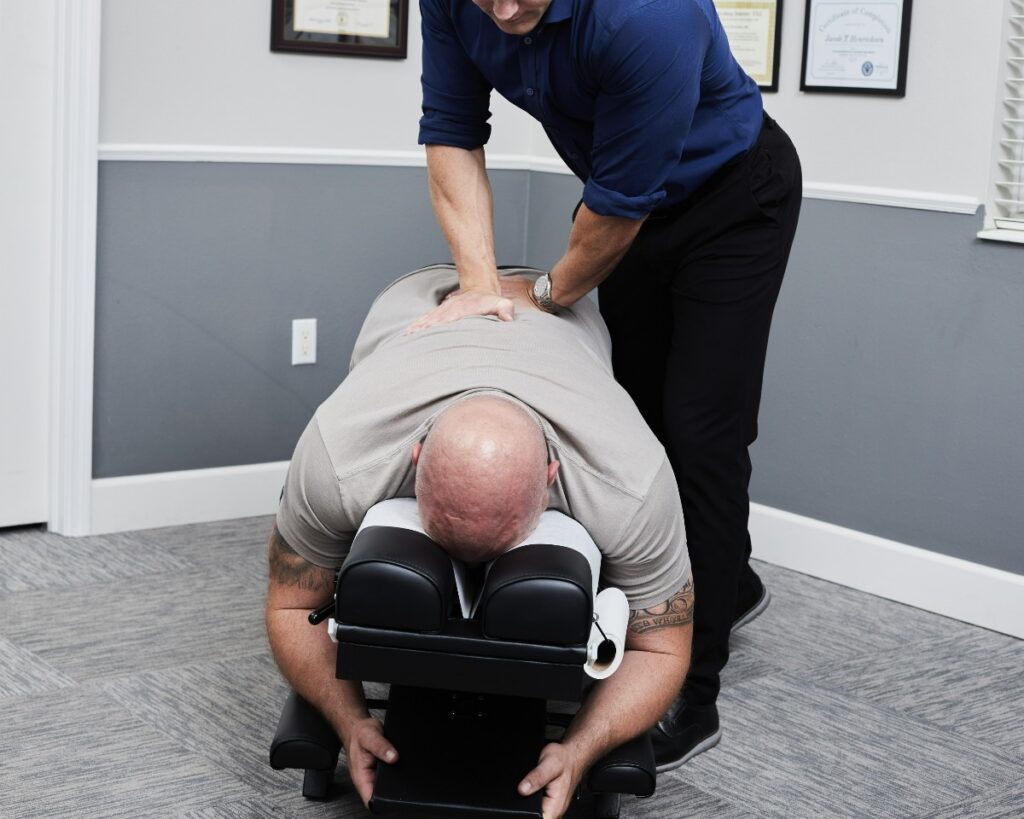
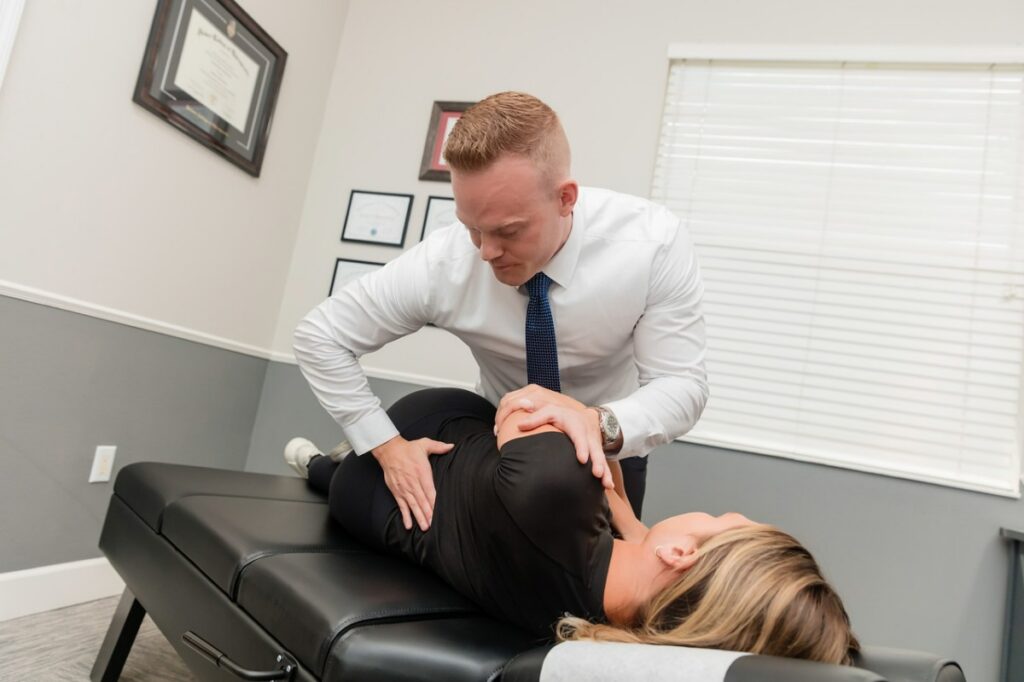
If you’ve experienced whiplash, you know how debilitating the symptoms can be. Fortunately, as your local chiropractor, I’m here to share effective techniques that can help alleviate discomfort and promote healing naturally. From simple chiropractic adjustments to gentle physical therapy exercises, each method plays a vital role in your recovery process.
Chiropractic care focuses on the alignment of your spine, which is crucial in relieving pain and restoring mobility after a whiplash injury. Regular adjustments can help reduce inflammation, improve blood flow, and promote the body’s natural healing processes.
In addition to chiropractic adjustments, incorporating some simple techniques into your routine can further enhance your recovery. Here are a few tips:
- Gentle Stretching: Engage in gentle neck stretches to maintain flexibility and reduce stiffness. Simple side-to-side and up-and-down movements can be beneficial.
- Heat and Ice Application: Alternating between heat and ice can help soothe the affected area. Use ice packs to reduce swelling and heat packs to relax tense muscles.
- Posture Awareness: Pay attention to your posture throughout the day. Keeping your spine aligned and avoiding slouching can help alleviate strain on your neck.
- Stay Active: Light activities, such as walking or gentle yoga, can encourage circulation and help prevent stiffness without overexerting yourself.
- Hydration: Drink plenty of water to aid in the healing process. Staying hydrated helps maintain the elasticity of your muscles and joints.
- Consult a Professional: Regular visits to your chiropractor can ensure that your spine remains aligned and that your body is functioning optimally as you recover from whiplash.
By understanding and implementing these techniques, you can take proactive steps toward recovery and overall wellness. Remember, chiropractic care is a natural and effective approach to achieving optimal health, especially when dealing with conditions like whiplash. If you have any questions or need personalized guidance, don’t hesitate to reach out. Together, we can find the relief you’re looking for!
Key Takeaways
- Rest and mental relaxation are essential for your healing journey. It’s important to give your body time to recover and avoid rushing back into activities that could aggravate your symptoms. Your body knows best, so listen to it!
- To help reduce inflammation and numb pain, apply ice to your neck for 15-20 minutes several times a day. This simple technique is a great first step in managing whiplash discomfort and can make a significant difference in your recovery.
- As you start to feel better, incorporate gentle neck stretches and isometric exercises. These movements can help maintain flexibility and strengthen your neck muscles without putting too much strain on them. Remember, ease into these exercises to avoid overexertion.
- Once the initial inflammation has subsided, heat therapy can be beneficial. Applying heat promotes blood flow and helps your muscles relax, which can be incredibly soothing for neck pain. Just be sure to use a warm towel or heating pad for comfort.
- If you find that your symptoms persist or worsen, it’s a good idea to seek professional help. As a chiropractor, I recommend considering chiropractic care as a holistic approach to recovery. Chiropractors focus on the spine and overall body alignment, which can greatly enhance your healing process and help you achieve optimal health naturally.
Incorporating these techniques into your routine can help alleviate whiplash symptoms while supporting your body’s natural healing abilities. Remember, chiropractic care is a valuable resource in your journey toward wellness!
Understanding Whiplash and Its Symptoms
When you experience whiplash, it’s crucial to understand this common neck injury and how it impacts your body. Whiplash typically occurs from a sudden movement, often seen in rear-end car accidents. This rapid back-and-forth motion can put a strain on your neck’s muscles, ligaments, and tendons. It’s not uncommon to feel immediate pain or stiffness that may intensify over time.
Some common symptoms to watch for include headaches, dizziness, and fatigue. You might also notice a reduced range of motion or tenderness around your neck and shoulders. In some instances, whiplash can lead to additional symptoms like blurred vision or ringing in your ears. Being aware of these signs can help you understand the severity of your injury, but the good news is that there are natural ways to promote healing.
Chiropractic care is an excellent choice for managing whiplash symptoms. Chiropractors specialize in spinal health and can help realign the spine, reducing tension and pain in your neck. Regular chiropractic adjustments can improve your range of motion, alleviate discomfort, and support your body’s natural healing process.
In addition to chiropractic care, there are simple tips you can implement at home to support your recovery. Applying ice to your neck can help reduce inflammation, while gentle stretching can improve flexibility. Maintaining good posture and using supportive pillows while sleeping can also make a big difference in your recovery.
The Importance of Rest and Recovery
Rest and recovery are crucial for healing from whiplash, as your body requires time to mend the affected muscles and ligaments in your neck. If you’ve experienced whiplash, it’s important to avoid pushing through the pain or jumping back into your normal routine too quickly. Instead, listen to your body and make rest a priority during this healing period.
By allowing yourself to relax, you can help reduce inflammation and lessen pain, which will enable your body to heal more effectively.
Beyond physical rest, don’t forget about the importance of mental relaxation. Stress can make your symptoms worse, so finding ways to unwind—like practicing meditation, gentle stretching, or enjoying a good book—can be very helpful.
Quality sleep is also essential, as this is when your body does much of its healing work.
Incorporating chiropractic care into your recovery plan can be incredibly beneficial. A chiropractor can help relieve pain through gentle adjustments and techniques tailored to your needs, promoting natural healing and optimal health.
Physical Therapy Exercises for Whiplash Relief
To effectively alleviate whiplash symptoms, incorporating physical therapy exercises into your recovery plan can be a game changer. However, I want to emphasize that chiropractic care is one of the best ways to achieve optimal health and relieve pain naturally. A chiropractor can help address the root causes of your discomfort and guide you on your journey to wellness.
As you embark on your recovery, start with gentle neck stretches such as tilting your head side to side and forward and backward. These movements not only help maintain flexibility but also complement the adjustments you receive from your chiropractor.
You can also perform simple isometric exercises by pressing your forehead against your palm, holding for a few seconds before releasing. This builds strength in your neck without added strain.
As you progress, consider adding shoulder rolls and neck rotations to improve mobility. These exercises can enhance your overall spinal health, which is crucial for recovery. Always listen to your body and avoid pushing into pain.
Remember, your chiropractor can provide personalized adjustments that will further support your healing process. Incorporating strengthening exercises for your upper back is another great step, as a strong back supports your neck. If you’re comfortable, using resistance bands can help increase the intensity of your workouts.
Consistency is key! Regular practice of these exercises will aid your recovery and help you regain full function.
Always remember that chiropractic care is a holistic approach to wellness, focusing on natural healing and healthier living. Consult with your chiropractor for personalized guidance tailored to your specific condition and needs. You’re on the right path to feeling better!
Applying Ice and Heat for Pain Management
When dealing with whiplash pain, applying ice and heat can be highly effective in managing your symptoms. Ice is great for reducing inflammation and numbing the area, while heat helps promote blood flow and relaxes tight muscles.
However, while these methods can provide temporary relief, it’s important to remember that chiropractic care is the best way to address the underlying issues causing your pain. Chiropractic adjustments can help restore proper alignment to your spine, which is essential for your overall health and wellness.
By working with a chiropractor, you can not only relieve your immediate discomfort but also improve your body’s function and prevent future injuries.
If you’re using ice or heat at home, here are some simple tips:
- Ice Application: Use an ice pack wrapped in a cloth for 15-20 minutes at a time, and do this several times a day, especially in the first couple of days after the injury to help reduce swelling.
- Heat Therapy: After the initial inflammation has gone down, you can switch to heat. A warm towel or heating pad can be applied to the area for about 15-20 minutes to help relax tight muscles.
- Listen to Your Body: If you feel increased pain or discomfort while using ice or heat, it’s important to stop and consult with a chiropractor for further guidance.
- Stay Active: Gentle stretching and movement can help maintain flexibility and reduce stiffness, but be sure to listen to your body and avoid any activities that worsen your pain.
Remember, while ice and heat can manage your symptoms, chiropractic care is the key to achieving long-term health and wellness. Taking this natural approach not only helps you recover from whiplash but also supports your overall spine health.
If you have any questions or need assistance, don’t hesitate to reach out to your local chiropractor. Your path to optimal health begins with proper care!
Ice Application Benefits
Applying ice to the affected area can be a simple yet effective way to reduce inflammation and numb sharp pain associated with whiplash. When you use ice, it helps constrict blood vessels, which minimizes swelling and alleviates discomfort.
I recommend icing the area for about 15 to 20 minutes every hour. Just remember to place a cloth or towel between the ice and your skin to avoid frostbite. Listen to your body; if the cold feels too intense, take a break.
In addition to providing immediate relief, icing can also improve your range of motion by reducing stiffness, making everyday activities much easier.
While ice therapy is beneficial, it’s important to consider the holistic approach of chiropractic care. Regular chiropractic adjustments can help address the underlying issues causing your pain and promote natural healing.
Incorporating ice therapy into your routine, along with chiropractic care, can greatly enhance your recovery process and provide you with the relief you need.
If you’re looking to achieve optimal health and wellness, consider visiting a chiropractor who can guide you on your journey to better spinal health and overall well-being.
Heat Therapy Advantages
While ice therapy can effectively reduce inflammation and numb pain, heat therapy has its own unique benefits that can be particularly helpful for those dealing with whiplash symptoms. When you apply heat to the affected area, it increases blood flow, which promotes healing and relaxation. This enhanced circulation helps alleviate muscle tension and stiffness—common issues following a whiplash injury.
For a soothing experience, consider using a warm towel, heating pad, or even indulging in a warm bath. These methods can help ease pain, making it easier for you to engage in gentle movements and stretches, which is essential for recovery. Remember to apply heat for about 15-20 minutes at a time, and be mindful not to overheat the area.
Incorporating chiropractic care into your recovery plan can further enhance your healing process. A chiropractor can help assess your condition, provide gentle adjustments, and offer personalized advice on exercises and stretches that can aid your recovery.
By choosing chiropractic care, you’re opting for a natural approach to health and wellness that focuses on spinal health and overall well-being.
For those dealing with whiplash, remember these key tips:
- Apply heat for 15-20 minutes to relax muscles and improve circulation.
- Engage in gentle movements and stretches to aid recovery.
- Consult with a chiropractor for tailored care and support.
Combining Both Methods
Incorporating both ice and heat therapies can be a powerful way to relieve whiplash symptoms, and as a chiropractor, I want to help you understand how to use these methods effectively for natural healing. By alternating these therapies, you can manage pain and reduce inflammation, allowing your body to heal more efficiently.
Start with ice therapy, which helps to numb the area and decrease swelling. After about 15-20 minutes, switch to heat therapy. Heat promotes blood flow and relaxes tense muscles, aiding in your recovery.
Here’s a simple guide to help you utilize these therapies effectively:
| Therapy Type | Purpose | Application Duration |
|---|---|---|
| Ice | Reduce inflammation | 15-20 minutes |
| Heat | Relax muscles | 15-20 minutes |
| Alternating | Maximize relief | Every 1-2 hours |
Always remember to protect your skin with a cloth when applying ice or heat, and listen to your body. If pain persists, it’s important to consult a healthcare professional, preferably a chiropractor, who can provide guidance tailored to your needs.
In addition to these therapies, consider maintaining good posture, staying active, and integrating gentle stretching into your routine. These practices not only support your recovery from whiplash but also contribute to overall spinal health and wellness. Embracing chiropractic care regularly can further enhance your body’s natural ability to heal, ensuring you stay on the path to optimal health.
Utilizing Over-the-Counter Pain Relievers
When you’re experiencing whiplash, it’s understandable to seek relief from discomfort. While some people may consider over-the-counter pain relievers like ibuprofen or acetaminophen, I’d like to emphasize the benefits of chiropractic care as a more effective and natural approach to healing.
Chiropractic care focuses on the spine and overall musculoskeletal health. By addressing the underlying issues related to whiplash, such as misalignments in the spine and tension in the surrounding muscles, chiropractic adjustments can help reduce pain and promote healing without the use of medications.
In addition to chiropractic adjustments, there are several natural strategies you can incorporate into your routine to enhance recovery:
- Gentle Stretching: Gentle neck stretches can help relieve tension and improve flexibility. Always listen to your body and avoid any movements that cause pain.
- Heat Therapy: Applying a warm compress or heating pad to the affected area can soothe sore muscles and promote blood flow, aiding in recovery.
- Good Posture: Maintaining good posture throughout your day can prevent additional strain on your neck. Be mindful of how you sit, stand, and move.
- Stay Hydrated: Drinking plenty of water supports overall health and helps keep your muscles hydrated, which can reduce stiffness.
- Rest and Recovery: Allow your body time to heal. Getting adequate rest is crucial for recovery from any injury.
Remember, the goal of chiropractic care is to support your body’s natural ability to heal itself. If you’re dealing with whiplash or other discomfort, I encourage you to explore chiropractic treatment as a safe and effective solution for pain relief and optimal health.
Always consult with a qualified chiropractor to create a personalized plan that aligns with your wellness goals.
Common Pain Relievers
Many individuals experiencing whiplash often seek relief through over-the-counter (OTC) pain relievers. While these medications, such as acetaminophen and nonsteroidal anti-inflammatory drugs (NSAIDs) like ibuprofen and naproxen, may help with pain and inflammation, they aren’t the only solution.
As a chiropractor, I believe in the importance of addressing the root cause of discomfort rather than just masking the symptoms. Chiropractic care focuses on the alignment of your spine and overall musculoskeletal health, which plays a crucial role in your body’s ability to heal naturally.
By visiting a chiropractor, you can receive personalized adjustments that may alleviate pain, improve mobility, and promote healing in a safe and drug-free manner.
In addition to chiropractic adjustments, here are a few general tips to help manage whiplash symptoms:
- Stay Active: Gentle movements and stretches can help maintain flexibility and reduce stiffness. Light exercises, such as walking, can also promote circulation, which aids in recovery.
- Apply Heat or Cold: Using a warm compress or ice pack can provide temporary relief and help reduce inflammation. Experiment to see which feels better for your body.
- Maintain Good Posture: Be mindful of your posture, especially when sitting or using electronic devices. Proper alignment can help prevent further strain on your neck and spine.
- Stay Hydrated and Nourished: Drinking plenty of water and eating a balanced diet rich in anti-inflammatory foods can support your body’s healing process.
- Consider Gentle Therapies: Techniques such as massage, yoga, or gentle stretching can complement chiropractic care and enhance your overall recovery.
Remember, while OTC pain relievers may provide some temporary relief, they don’t address the underlying issues causing your discomfort. Chiropractic care offers a holistic approach to achieving optimal health and wellness, helping you to feel better naturally and effectively.
If you’re struggling with whiplash, consider scheduling a consultation with a chiropractor to explore your options for healing.
Dosage Guidelines
Understanding how to manage whiplash symptoms effectively is essential for your overall health and wellness. While some people may rely on over-the-counter pain relievers like ibuprofen or acetaminophen, it’s important to recognize that these medications can come with their own risks and side effects. Instead of turning to these options, consider exploring natural healing methods and chiropractic care, which can provide relief without the need for medications.
Chiropractic care focuses on the alignment of your spine and overall body function, helping to alleviate pain and promote healing. A chiropractor can assess your specific condition and devise a personalized treatment plan that addresses your pain at its source. This approach not only aids in managing whiplash symptoms but also supports your body in achieving optimal health.
If you’re looking for general tips to help manage discomfort from whiplash, here are a few to consider:
- Stay Active: Gentle movements and stretching can help maintain mobility and reduce stiffness. Your chiropractor can recommend specific exercises tailored to your needs.
- Apply Heat or Cold: Using a warm compress or an ice pack can provide temporary relief and soothe inflamed areas.
- Practice Good Posture: Maintaining proper posture throughout the day can ease strain on your neck and spine, ultimately reducing pain.
- Hydration and Nutrition: Drinking plenty of water and consuming a balanced diet rich in anti-inflammatory foods can support your healing process.
- Mindfulness and Relaxation Techniques: Stress can exacerbate pain, so practicing mindfulness, meditation, or gentle yoga can help promote relaxation.
Potential Side Effects
While natural remedies and chiropractic care are excellent options for relieving whiplash symptoms, some individuals may still consider over-the-counter pain relievers for temporary relief.
It’s essential to be informed about the potential side effects of these medications. Common choices like ibuprofen or acetaminophen can lead to issues such as stomach discomfort, headaches, or dizziness. Prolonged use of these medications can also pose risks like liver damage or gastrointestinal bleeding, and there may be allergic reactions, which could manifest as rashes or difficulty breathing.
Instead of relying on medications, I encourage you to explore the benefits of chiropractic care as a holistic approach to managing pain and promoting overall wellness.
Chiropractic adjustments can help realign the spine, relieve tension, and improve mobility, which are crucial for recovery from whiplash. Incorporating gentle stretches, staying hydrated, and practicing relaxation techniques can further enhance your healing process.
Always prioritize your health by choosing natural methods and consult with a healthcare professional if you’re experiencing persistent symptoms.
By focusing on chiropractic care and natural strategies, you can achieve optimal health and wellness while minimizing the risks associated with medications.
Exploring Alternative Therapies
If you’re experiencing whiplash symptoms, chiropractic care may be the most effective solution for your relief and recovery. Many individuals find that chiropractic adjustments not only alleviate pain but also enhance mobility and promote overall wellness. Unlike other treatments, chiropractic focuses on realigning the spine and addressing the root causes of discomfort, which can lead to lasting improvements.
While exploring alternative therapies, here are some insights on how chiropractic care stands out:
| Therapy Type | Benefits | Considerations |
|---|---|---|
| Chiropractic Care | Corrects spinal alignment, enhances mobility, and promotes natural healing | Safe for most individuals with proper assessment |
In addition to chiropractic adjustments, here are some general tips you can incorporate into your daily routine to support your recovery from whiplash:
- Stay Active: Gentle movements and stretches can help maintain flexibility and prevent stiffness. Consult your chiropractor for specific exercises tailored to your condition.
- Posture Awareness: Pay attention to your posture, especially when sitting or working. Maintaining proper alignment can reduce strain on your neck and spine.
- Heat Therapy: Applying heat to the affected area can help relax tight muscles and ease discomfort. A warm compress or heating pad can be beneficial.
- Hydration: Staying hydrated is essential for spinal health. Drink plenty of water to keep your discs hydrated and functioning properly.
- Rest: Allow your body to heal. Ensure you’re getting enough rest and sleep to support your recovery process.
Practicing Relaxation Techniques
How can practicing relaxation techniques help you manage whiplash symptoms? These methods can significantly reduce muscle tension, improve blood flow, and enhance your overall sense of well-being, which is crucial for recovery.
By incorporating relaxation techniques into your daily routine, you can experience relief from discomfort and support your body’s natural healing processes. Here are four effective techniques to try that align well with chiropractic care:
- Deep Breathing: Focus on slow, deep breaths. Inhale deeply through your nose, hold for a moment, and then exhale gently through your mouth. This simple practice calms your nervous system, helping to alleviate stress and tension that can worsen whiplash symptoms.
- Progressive Muscle Relaxation: Start from your toes and work your way up to your head by tensing and then relaxing each muscle group. This technique helps release built-up tension and promotes relaxation, making it easier for your spine and muscles to heal.
- Meditation: Dedicate a few minutes each day to sit in silence, concentrating on your breathing or visualizing a peaceful scene. This practice not only clears your mind but also reduces stress, creating a more favorable environment for recovery.
- Gentle Yoga or Stretching: Incorporate gentle stretches or yoga poses into your routine to maintain flexibility and reduce stiffness in your neck and shoulders. These movements can enhance spinal alignment and promote healing.
By integrating these relaxation techniques into your life, you can complement your chiropractic care and support your journey towards optimal health.
Remember, chiropractic adjustments are designed to restore balance to your spine and nervous system, and when paired with relaxation practices, you can achieve even greater relief and wellness.
Prioritize your health naturally, and give your body the chance to heal.
When to Seek Professional Help
Incorporating relaxation techniques can significantly support your recovery from whiplash, but there may come a time when you need to seek professional help. If your symptoms persist beyond a few weeks or seem to worsen, it’s important to consult a chiropractor who specializes in spinal health. Ignoring severe pain, headaches, or numbness in your arms can lead to more serious issues, so it’s best to be proactive.
Pay attention to how your symptoms affect your daily activities and sleep. If you’re finding it hard to enjoy your regular routines or are struggling to get a good night’s rest, a chiropractor can assess your condition and guide you toward natural healing solutions.
Chiropractic care focuses on addressing the root cause of your pain rather than just masking it. Techniques like spinal adjustments, gentle stretching, and targeted exercises can help restore mobility and reduce discomfort.
Additionally, practicing good posture, staying hydrated, and using heat or cold therapy can complement your healing journey.
Conclusion
To sum up, alleviating whiplash symptoms is best approached through a holistic strategy that emphasizes rest, gentle exercises, and the natural healing power of chiropractic care. Chiropractic adjustments can help realign your spine, alleviate pain, and promote optimal recovery. In addition to chiropractic treatment, combining ice and heat therapy can reduce inflammation and soothe discomfort.
Over-the-counter pain relievers may provide temporary relief, but focusing on natural methods is key to long-term wellness. Incorporating relaxation practices such as deep breathing or gentle stretching can also enhance your healing process.
Don’t hesitate to explore chiropractic care as a primary option for relief; it not only addresses the symptoms but also targets the root causes of your discomfort. Remember, your body needs time and care to heal properly, so prioritize your well-being and stay committed to your recovery journey. By choosing chiropractic care, you’re taking a proactive step toward achieving a healthier, pain-free life.