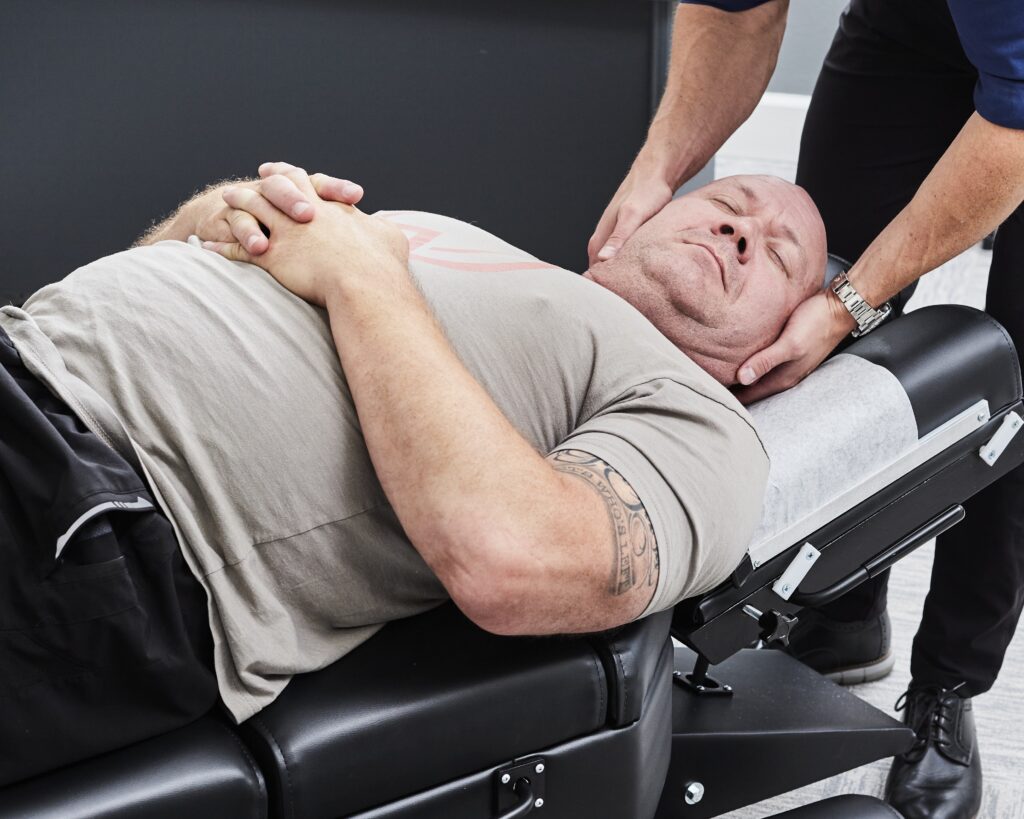

As a local chiropractor, I often see patients struggling with back pain, a common issue that can greatly affect your everyday life. Many people are unaware of how crucial core stability and flexibility are in preventing discomfort. Incorporating specific exercises into your routine can lead to significant improvements in your overall well-being. By focusing on strengthening your abdominal muscles and enhancing your posture, you can take proactive steps toward a healthier spine.
Let’s explore some essential movements that not only support your spine but also help reduce the risk of injury. These exercises can complement the natural healing approach we advocate in chiropractic care. Together, we can work towards alleviating your back pain and promoting long-term health.
Understanding the Importance of Core Stability
As a local chiropractor, I often see patients who come in with back pain, but many overlook a crucial factor: core stability. It’s vital for supporting your spine and maintaining proper alignment. A strong core acts like a natural brace for your back, helping to reduce the risk of injury. When the core muscles—such as the abdominals, obliques, and lower back—are weak, the likelihood of experiencing discomfort or strain increases significantly.
In my practice, I emphasize the importance of incorporating core stability exercises into your daily routine. Not only can these exercises improve your posture and balance, but they also provide a solid foundation for all your movements. You don’t need to lift heavy weights to see benefits; simple exercises like planks, bridges, and bird-dogs can create a significant impact on your overall well-being.
By focusing on strengthening your core, you’re not merely treating the symptoms of back pain; you’re addressing the underlying cause. Prioritizing core stability will help you move better, feel stronger, and enjoy a more active lifestyle without the burden of nagging pain.
Stretching for Flexibility and Mobility
As a local chiropractor, I want to emphasize the importance of incorporating stretching into your daily routine to enhance your flexibility and mobility. These elements are crucial for maintaining a healthy back and overall well-being. Regular stretching can significantly reduce muscle tension and improve your range of motion, which is often overlooked.
I encourage you to pay special attention to areas that tend to tighten up, such as your hamstrings, hip flexors, and lower back. Simple stretches like the standing toe touch or the cat-cow pose can be incredibly effective in alleviating stiffness and promoting better circulation throughout your body.
Aim to hold each stretch for 15 to 30 seconds; this duration allows your muscles to relax and reap the full benefits.
Remember, breathing deeply while you stretch is essential. It not only aids in releasing tension but also enhances your overall stretching experience. Ideally, you should incorporate stretching after you’ve warmed up your muscles—consider it a vital part of your cool-down routine following any physical activity.
By consistently integrating stretching into your lifestyle, you’ll not only keep your back flexible but also support better posture and movement in your daily activities.
Stay dedicated to this practice, and you’ll likely see significant improvements in your back health and overall quality of life. As your chiropractor, I’m here to guide you on this journey to natural healing and wellness.
Strengthening the Lower Back
As a local chiropractor, I want to share some effective ways to strengthen your lower back, which can’t only enhance your overall health but also support your spine’s natural alignment.
It’s vital to engage in targeted exercises that promote endurance and stability in your lower back.
One excellent exercise to start with is the bird-dog. Begin on your hands and knees, and as you engage your core, extend one arm forward while simultaneously extending the opposite leg back. Hold this position for a few seconds, then switch sides. This movement not only strengthens your lower back but also improves balance and coordination.
Another beneficial exercise is the pelvic tilt. Lie on your back with your knees bent, and gently flatten your lower back against the floor by tilting your pelvis upward. Hold this position for a count of five, then relax. This exercise can help relieve tension in your lower back and improve flexibility.
You might also want to try Superman lifts. Lie face down on the floor, extend your arms in front of you, and lift both your arms and legs off the ground simultaneously. This exercise targets your lower back muscles and promotes strength.
Lastly, bridges are a fantastic addition to your routine. Lying on your back with your feet planted, lift your hips toward the ceiling while keeping your shoulders and head on the ground. This movement strengthens your glutes and lower back while also engaging your core.
I recommend incorporating these exercises into your routine three times a week. Start with a few repetitions and gradually increase as your strength improves.
Engaging the Abdominal Muscles
As a local chiropractor, I want to emphasize the importance of engaging your abdominal muscles for overall well-being. A strong core is crucial not just for stability, but also for reducing back pain and preventing injuries.
When your abdominal muscles are active, they provide essential support to your spine, which can make a significant difference in your daily life.
Let’s take a moment to discuss some effective exercises that can help strengthen your abs. These movements not only enhance your core stability but also contribute to your overall health.
By incorporating these exercises into your routine, you can maintain a strong foundation for your body, which is key to promoting natural healing and improving your posture.
Importance of Core Stability
As a local chiropractor, I want to emphasize the critical role core stability plays in managing and preventing back pain. Many people mightn’t realize that when you engage your abdominal muscles, you’re actively supporting your spine. This support is vital for maintaining proper posture and alignment, which are essential for your overall well-being.
A strong core helps stabilize your pelvis and lower back, which can significantly reduce strain during everyday activities. Without this stability, your back may endure excessive pressure and fatigue, leading to discomfort and pain.
By prioritizing core stability, you not only enhance your overall strength and balance but also make daily movements—like lifting, bending, or even sitting—much easier on your back.
It’s important to remember that engaging your core isn’t just about avoiding pain; it’s about protecting your spine and improving your overall fitness. By focusing on core strength, you can promote a healthier lifestyle and lower the risk of future injuries.
As your chiropractor, I encourage you to incorporate exercises that strengthen your core into your routine for better health and stability.
Effective Abdominal Exercises
As a local chiropractor, I want to emphasize the importance of incorporating effective abdominal exercises into your routine, as they can significantly improve your core stability and support your spine.
One great exercise to start with is the plank. This exercise engages multiple muscle groups and helps in maintaining a straight body line while keeping your core tight. Aim to hold this position for 30 seconds to a minute.
Another excellent exercise is the bicycle crunch. To perform this, lie on your back and lift your legs while alternating to touch your elbows to the opposite knees. This movement targets both your upper and lower abdominal muscles, promoting balanced strength.
Leg raises are also vital in your routine. While lying flat on your back, lift your legs while ensuring your lower back remains pressed into the floor. Aim for 10-15 repetitions of this exercise to build strength without straining your back.
Lastly, I recommend incorporating Russian twists into your regimen. Sit down with your knees bent and twist your torso from side to side while holding a weight. This exercise not only strengthens your core but also enhances rotational stability, which is essential for overall spinal health.
By regularly practicing these exercises, you can build a stronger, more resilient core, which is crucial for maintaining proper posture and reducing the risk of injury.
Improving Posture Through Exercise
As a local chiropractor, I want to share some important insights on improving your posture through natural methods.
One key aspect of good posture is strengthening your core muscles. A strong core provides essential support for your spine, helping to maintain proper alignment.
Additionally, incorporating flexibility stretching into your routine is crucial; it can alleviate tension in your muscles, which often contributes to poor posture and discomfort.
By focusing on these core strengthening exercises and flexibility practices, you can significantly enhance your overall posture and reduce the risk of back pain.
Remember, a well-aligned spine is vital for your overall health and well-being. Taking the time to incorporate these exercises into your daily routine can lead to lasting improvements in your posture and comfort.
If you have any questions or would like personalized recommendations, feel free to reach out during your next visit!
Core Strengthening Exercises
As a local chiropractor, I want to emphasize the vital role of core strengthening in managing back pain. Many individuals underestimate how a strong core can significantly enhance posture and alleviate discomfort. Engaging your core muscles—specifically your abdominals, obliques, and lower back—is crucial for maintaining proper spinal alignment.
I recommend starting with foundational exercises such as planks and bridges. These movements activate multiple core muscles at once, providing a solid base for stability. To further develop your oblique strength, consider incorporating side planks into your routine. The bird-dog exercise is also beneficial, as it helps improve coordination and stability.
For optimal results, aim to perform these exercises two to three times a week, prioritizing proper form over speed. As you build strength in your core, you’ll likely notice improvements in your posture during everyday activities, which can help reduce strain on your back.
Stretching for Flexibility
As a local chiropractor, I want to emphasize the importance of stretching for flexibility in managing and preventing back pain. While building a strong core is essential, incorporating stretching into your daily routine is equally crucial. Stretching helps enhance your range of motion and improves your posture, which can significantly reduce strain on your spine and back muscles.
I encourage you to focus on key areas such as your hamstrings, hip flexors, and lower back. Simple stretches like the cat-cow or child’s pose are fantastic for relieving tension and promoting flexibility.
I recommend aiming to stretch daily, holding each position for at least 15 to 30 seconds. Remember, consistency is vital in reaping the benefits.
By prioritizing flexibility, you’re not only taking steps to prevent back pain but also nurturing your overall body health. So, take a few minutes each day to stretch. Your back—and your entire body—will thank you for it!
If you have any questions or need guidance on specific stretches, feel free to reach out during your next visit.
Incorporating Balance and Stability Workouts
As a local chiropractor, I want to emphasize the importance of incorporating balance and stability workouts into your routine for better back health. These exercises play a crucial role in strengthening the core muscles that support your spine, ultimately improving your overall well-being.
Engaging in activities such as yoga, Pilates, or even stability ball exercises can enhance your posture and body awareness, which are vital components of maintaining a healthy back.
You might be surprised to learn that simple exercises like single-leg stands or side planks can be easily performed at home and require little to no equipment. Additionally, consider integrating dynamic movements like balance lunges, which not only challenge your stability but also engage your core effectively.
I recommend practicing these exercises two to three times a week to start noticing improvements.
As you become more comfortable with these foundational exercises, you can progressively challenge yourself by introducing more complex balance activities, such as using a Bosu ball or a wobble board.
These variations not only keep your workouts engaging but also further enhance your stability and coordination, which are essential for preventing injuries and alleviating pain in your back.
Tips for Safe Exercise Practice
As a chiropractor, I want to share some essential tips to help you maximize the benefits of your workouts while minimizing the risk of injury.
First and foremost, it’s crucial to warm up before diving into any exercise. Engaging in a few minutes of light cardio and dynamic stretching will prepare your muscles and joints for more strenuous activities, setting the stage for a safer workout.
Pay close attention to your form during exercises. Proper technique is vital for preventing unnecessary strain on your back and other areas of your body. If you’re uncertain about how to perform an exercise correctly, I highly recommend working with a certified trainer who can guide you.
Listening to your body is paramount. If you experience any pain or discomfort, it’s important to stop the exercise immediately. Gradually increasing the intensity and duration of your workouts will help you avoid overexertion and potential injury.
Hydration is another key component of a successful workout. Make sure to drink water before, during, and after your exercise sessions to support optimal performance and recovery.
Finally, don’t forget to mix up your routine! Engaging different muscle groups won’t only keep your workouts interesting but also help prevent repetitive strain injuries.
By incorporating these tips into your exercise regimen, you can enjoy a safe and effective workout experience, while also reducing your risk of back pain and other issues.
Conclusion
As your local chiropractor, I’m here to help you understand how incorporating essential exercises into your daily routine can significantly reduce your risk of back pain. It’s important to focus on core stability, flexibility, and maintaining proper posture while engaging in balance workouts. Always listen to your body and practice safe exercise techniques to prevent injuries.
With consistency, these exercises not only help to strengthen your back but also improve your overall well-being. I encourage you to make these movements a regular part of your life. By doing so, you’ll be on your way to enjoying a healthier, pain-free spine. Remember, chiropractic care can complement these exercises, offering you a holistic approach to your health and pain management.