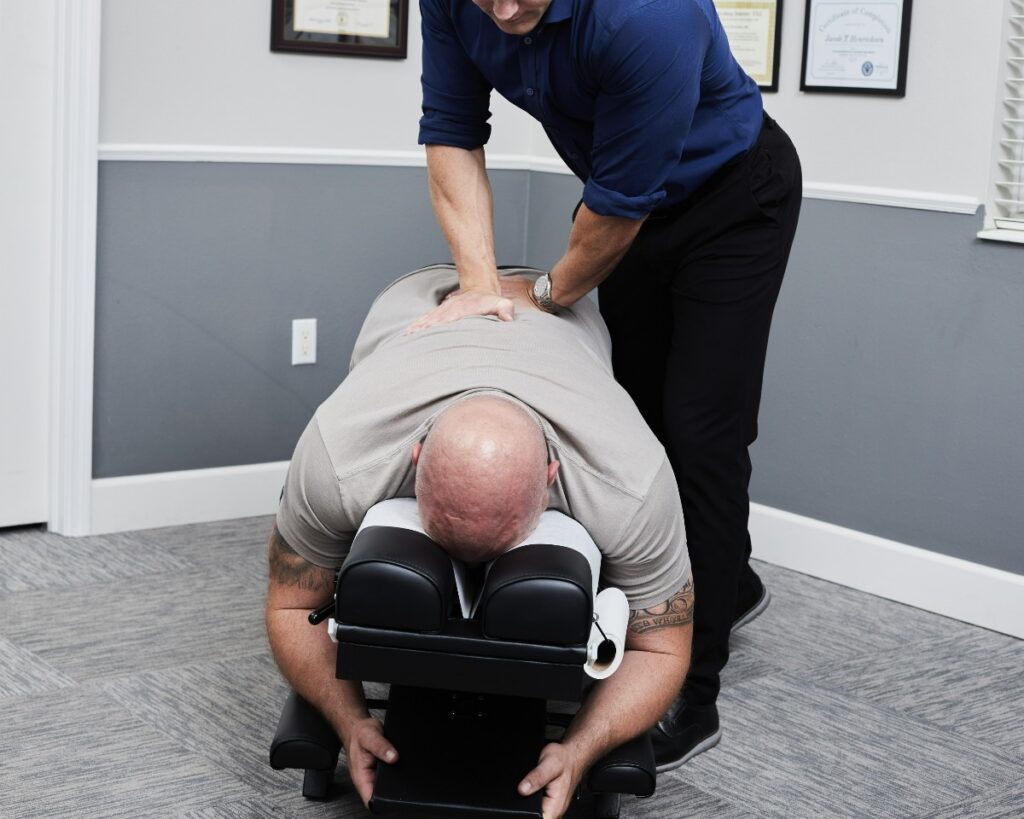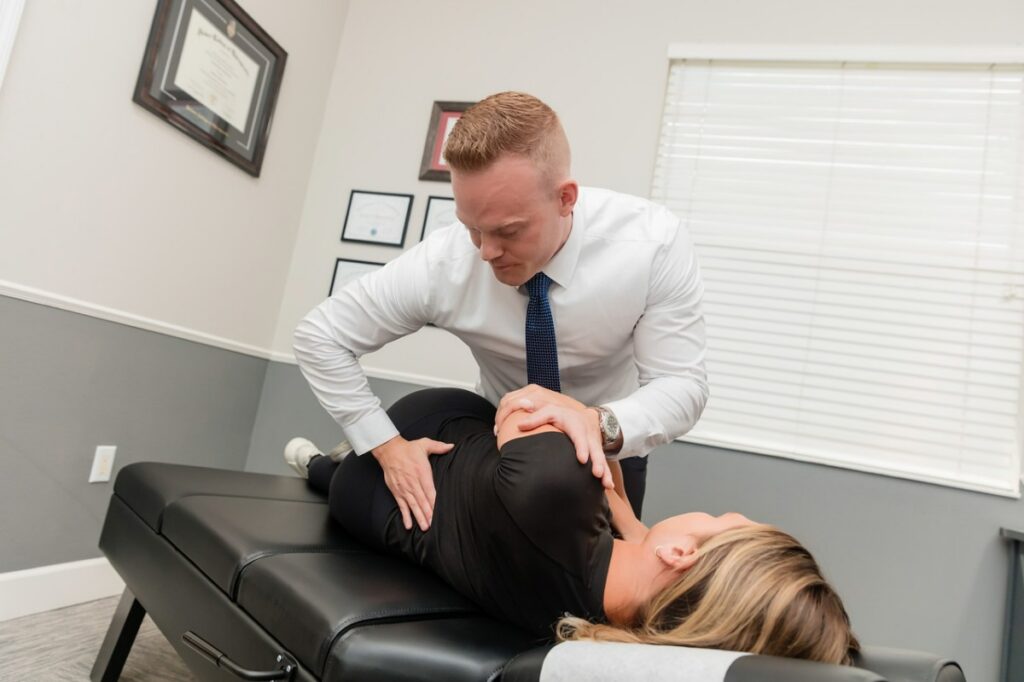

As a local chiropractor, I understand that many of you may be experiencing lower back pain, and I want to assure you that you are not alone in this struggle. This discomfort can disrupt your daily life, but the good news is that there are natural and effective strategies to help you on your path to recovery.
Incorporating chiropractic care into your routine can play a crucial role in alleviating lower back pain. Adjusting your posture and engaging in specific exercises can significantly improve your condition. Chiropractic care focuses on aligning your spine and improving overall function, which can lead to lasting relief.
Let’s work together to explore how you can take charge of your health and well-being. By understanding the benefits of natural healing and making small adjustments in your daily habits, you can embark on your journey toward relief and improved overall health.
Understand the Cause of Your Pain
As a local chiropractor, I want to emphasize the importance of understanding the root cause of your lower back pain. This knowledge is essential for finding effective relief.
There are numerous reasons why you might be experiencing pain, including muscle strain, herniated discs, or even underlying medical conditions. I encourage you to take a moment to think about your daily activities and any recent changes in your routine. Have you lifted something heavy? Spent long hours sitting? Recognizing these triggers can be instrumental in identifying the source of your discomfort.
Additionally, it’s crucial to consider your overall physical fitness. Weak core muscles or tight hamstrings can significantly contribute to back pain. Keeping a journal of your symptoms can be a helpful way to notice patterns and potential causes.
If you’re unsure about what’s causing your pain, don’t hesitate to reach out for a thorough evaluation. As your chiropractor, I can provide insights into your condition and guide you toward the most effective natural treatment options tailored specifically to your needs.
Together, we can work towards alleviating your pain and improving your overall well-being.
Maintain Proper Posture
As a local chiropractor, I want to emphasize how crucial it’s to maintain proper posture, especially if you’re recovering from lower back pain.
One of the first steps in your healing journey is to create an ergonomic workstation that supports your spine. This means adjusting your chair, desk, and computer setup to promote a healthy sitting position.
Many people aren’t aware that simple changes in how you sit can significantly impact your comfort and well-being throughout the day.
I encourage you to practice correct sitting techniques, as they play a vital role in alleviating pain and preventing future issues.
Remember, your spine is the foundation of your overall health, and taking care of it’s essential for a pain-free life.
If you have any questions about posture or need guidance on setting up your workspace, don’t hesitate to reach out!
Ergonomic Workstation Setup
As a local chiropractor dedicated to your health and wellness, I want to emphasize the importance of maintaining proper posture while working at your desk to help prevent lower back pain.
First, it’s crucial to adjust your chair height so that your feet rest flat on the floor, and your knees sit at hip level. This positioning not only supports your overall posture but also helps maintain a natural curve in your spine, which is essential for spinal health.
Next, ensure your monitor is at eye level and approximately an arm’s length away. This alignment will help you avoid unnecessary strain on your neck, which can lead to discomfort and misalignment over time.
When it comes to your keyboard and mouse, keep them close enough that your elbows can remain at a comfortable 90-degree angle. This minimizes tension in your shoulders and arms.
If you find that your feet don’t comfortably reach the ground, consider using a footrest. This small adjustment can significantly enhance your sitting posture and reduce the risk of strain.
Lastly, I encourage you to keep your workspace organized and free from clutter. A tidy environment will help you avoid awkward reaching and twisting that can contribute to back pain.
By implementing these simple ergonomic adjustments, you can significantly lower your risk of experiencing back pain while working.
Correct Sitting Techniques
As a local chiropractor dedicated to promoting natural healing and well-being, I want to share some essential tips on proper sitting techniques that can help you maintain good posture and prevent lower back pain, even if you have an ergonomic workstation.
Here are a few key points to keep in mind:
- Feet Flat: Ensure your feet are flat on the floor or supported by a footrest. This simple adjustment can provide the necessary support to your spine and alleviate strain on your lower back.
- Back Support: Choose a chair that offers lumbar support, or consider placing a small cushion behind your lower back. This will help maintain the natural curve of your spine and reduce the risk of discomfort.
- Screen Height: Adjust your computer screen to eye level. This will help prevent you from hunching forward and straining your neck, allowing your spine to stay aligned as you work.
By following these tips, you can create a healthier sitting environment that supports your spine and enhances your overall well-being.
Incorporate Regular Exercise
As a local chiropractor, I want to emphasize the importance of incorporating regular exercise into your daily routine, especially if you’re dealing with lower back pain or looking to prevent future issues. Engaging in low-impact activities such as walking, swimming, or cycling can significantly strengthen your muscles without placing excessive strain on your back. I recommend aiming for at least 30 minutes of moderate exercise most days of the week.
A strong core is essential for supporting your spine and maintaining good posture. I encourage you to include exercises like planks, bridges, and pelvic tilts in your regimen.
Additionally, stretching plays a crucial role in enhancing flexibility and alleviating muscle tension, which can further help in managing back pain.
It’s important to listen to your body during these activities. If you find that a particular movement increases your discomfort, I suggest modifying it or consulting with a health professional to find an alternative that works for you.
Consistency is key; even light activity can lead to significant improvements over time. By making exercise a regular part of your life, not only can you relieve current discomfort, but you can also build resilience against potential back pain in the future.
Your journey towards better spinal health starts with understanding the connection between movement and well-being.
Use Heat and Cold Therapy
As a local chiropractor dedicated to your well-being, I want to share how heat and cold therapy can be effective allies in your recovery from lower back pain. These natural methods each bring unique benefits that can help ease your discomfort and support your healing journey.
- Heat Therapy: When you apply heat to your lower back, it increases blood flow and helps relax tight muscles. This can be done with a heating pad or by enjoying a warm bath. Many of my patients find this soothing and beneficial for muscle tension.
- Cold Therapy: On the other hand, cold therapy is excellent for reducing inflammation and numbing sharp pain. I often recommend wrapping ice in a cloth and applying it to the affected area for about 15-20 minutes, especially after activities that may aggravate your pain.
- Alternating Methods: For some patients, alternating between heat and cold therapy can provide the best results. Start with cold therapy to minimize swelling, and then follow up with heat to relieve muscle tension. This combination can be very effective in managing pain.
Incorporating these therapies into your daily routine can significantly enhance your recovery process. However, it’s important to listen to your body.
Adjust the duration and frequency of each method based on what feels best for you. If you have any questions or need guidance on how to effectively use these therapies, don’t hesitate to reach out. Your comfort and recovery are my top priorities!
Practice Stretching and Flexibility
As a local chiropractor, I want to emphasize the importance of stretching and flexibility exercises for alleviating lower back pain and enhancing your overall mobility. Many of my patients are surprised to learn that regular stretching can significantly boost blood flow to your muscles, which aids in healing and reduces tension in the body. Simple stretches like the cat-cow pose or knee-to-chest can be incredibly effective in easing discomfort.
In addition to static stretches, I encourage incorporating dynamic stretches, such as trunk rotations. These not only enhance flexibility but also strengthen your core muscles, which provide essential support to your lower back. I recommend making it a part of your daily routine to stretch, especially after prolonged periods of sitting, to counteract the strain on your back.
When stretching, aim to hold each position for at least 15-30 seconds and remember to breathe deeply. This will help you maximize the benefits of each stretch. It’s essential to listen to your body; if you experience pain during a stretch, please stop immediately.
As your flexibility improves, you can gradually increase the intensity of your stretches.
Remember, consistency is crucial. By committing to a regular stretching routine, you can expect to see a reduction in pain and an increase in your overall range of motion.
Take some time each day to invest in your back’s health through these natural, therapeutic practices. Your body will thank you!
Consider Physical Therapy
If you’re experiencing lower back pain, I encourage you to explore chiropractic care as a natural and effective solution.
As a chiropractor, I focus on understanding your unique situation and creating a personalized treatment plan that addresses your specific needs.
Through gentle adjustments and holistic techniques, we can work together to manage your pain and strengthen the supporting muscles of your back.
This comprehensive approach not only helps you regain mobility but also promotes overall wellness, allowing you to move through life with greater comfort and ease.
Embracing chiropractic care can be a key step towards long-lasting relief and improved quality of life.
Personalized Treatment Plans
Many individuals dealing with lower back pain often resort to over-the-counter medications or simply resting, but I want to emphasize the benefits of a personalized treatment plan that incorporates chiropractic care.
This holistic approach, tailored to your unique needs, can lead to more effective and lasting relief.
Here are three essential components of a personalized chiropractic treatment plan to consider:
1. Comprehensive Evaluation: As your chiropractor, I’ll conduct a thorough assessment of your posture, flexibility, and overall spinal health to pinpoint the underlying causes of your discomfort.
2. Customized Adjustments and Exercises: Based on the evaluation, I’ll provide specific chiropractic adjustments and recommend targeted exercises to strengthen your core and enhance your flexibility.
These practices can significantly alleviate pain and promote healing over time.
3. Ongoing Progress Monitoring: Regular follow-up appointments allow us to track your progress and make necessary adjustments to your treatment plan, ensuring that you stay on the right path toward recovery.
Pain Management Techniques
As a local chiropractor dedicated to your well-being, I want to share some valuable insights on managing lower back pain effectively. While personalized chiropractic care is a crucial component of your recovery, exploring additional pain management techniques can significantly enhance your healing journey.
One method I highly recommend is incorporating physical therapy into your routine. A skilled physical therapist can evaluate your specific condition and create a customized plan that includes targeted exercises and manual therapy. This tailored approach not only helps alleviate pain but also improves your mobility, allowing you to return to the activities you love.
You may also find relief through various modalities such as heat therapy, cold packs, or ultrasound treatments. These methods are excellent for reducing inflammation and promoting healing in the affected areas.
Furthermore, I encourage you to pay attention to your posture and make ergonomic adjustments in your home and workplace. Simple changes can make a significant difference in how your body feels throughout the day.
Additionally, don’t overlook the power of mindfulness practices. Techniques like meditation and deep breathing can play a vital role in managing your pain perception and enhancing your overall well-being.
Strengthening Exercises Focus
As a local chiropractor, I want to emphasize the importance of strengthening your lower back not just for recovery, but also for preventing future pain.
Many individuals may not realize that targeted exercises play a crucial role in building stability and enhancing overall mobility. Here are three effective exercises I recommend:
- Bird-Dog: Begin on all fours, and as you extend one arm forward, reach out with the opposite leg at the same time. Hold this position for a few seconds, then switch sides. This exercise effectively engages both your core and lower back muscles, promoting better support for your spine.
- Bridge: Lie down on your back with your knees bent and feet flat on the floor. Gently lift your hips toward the ceiling while squeezing your glutes. Hold this position for a few seconds before lowering back down. This movement not only strengthens your lower back but also targets the glutes, which are essential for overall stability.
- Cat-Cow Stretch: While on all fours, alternate between arching your back and rounding it. This dynamic movement increases flexibility in your spine and helps relieve tension in the lower back.
If you’re new to these exercises or unsure about your form, I encourage you to consider working with a physical therapist or a chiropractor.
We can provide personalized guidance to ensure you’re performing these exercises correctly and safely, allowing you to progress effectively on your journey to a stronger back.
Utilize Pain Relief Techniques
As a local chiropractor, I want to share some essential pain relief techniques that can greatly assist in managing lower back pain effectively. One of the first steps you can take is to apply heat or cold packs to the affected area. Heat therapy can help relax tense muscles, while cold therapy is excellent for reducing inflammation. I encourage you to experiment with both to discover which method provides you with the best relief.
Over-the-counter pain relievers, such as ibuprofen or acetaminophen, can also offer temporary relief. It’s important to always follow the recommended dosage and consult with your doctor if you have any questions or concerns regarding their use.
In addition to these methods, incorporating gentle stretching or yoga into your routine can significantly alleviate discomfort while improving your flexibility. Mindfulness and meditation techniques can also play a valuable role in managing the emotional aspects of pain, allowing you to approach your recovery with a positive mindset.
If you’re open to exploring alternative therapies, chiropractic care and acupuncture can be highly effective options for addressing lower back pain. However, I always recommend consulting with a healthcare professional before starting any new treatments to ensure they’re safe and suitable for your individual needs.
Focus on Core Strengthening
As a local chiropractor, I want to emphasize the importance of core strengthening, especially when it comes to managing lower back pain. A well-developed core not only supports your spine but also helps reduce the stress on your lower back, promoting a better recovery.
Here are three effective exercises that I recommend incorporating into your routine:
- Planks: This exercise is fantastic for building core stability. Start in a push-up position, ensuring your body forms a straight line from your head to your heels. Aim to hold this position for 20-30 seconds, and as your strength improves, gradually increase the duration.
- Bridges: This exercise is simple yet effective. Lie on your back with your knees bent and feet flat on the floor. Raise your hips towards the ceiling while squeezing your glutes. Hold this position for a few seconds before gently lowering back down. It’s a great way to engage your core and lower body.
- Bird-Dogs: This exercise not only strengthens your core but also enhances your balance. Start on all fours and extend one arm forward while simultaneously extending the opposite leg back. Hold this position briefly before switching sides. This movement connects your upper and lower body, engaging your core effectively.
By integrating these exercises into your daily routine, you can build strength and improve your overall stability, which plays a crucial role in your recovery journey.
Modify Your Daily Activities
As a local chiropractor, I want to share some valuable insights on managing lower back pain through simple adjustments in your daily activities. While core-strengthening exercises are essential, modifying your routine can significantly enhance your comfort and well-being.
First, take a moment to assess your daily tasks. Are there activities that put unnecessary strain on your back? When lifting objects, always bend your knees rather than your waist, and keep the item close to your body to reduce stress on your spine.
If you find yourself sitting for long periods, consider investing in an ergonomic chair or using a lumbar support cushion. These tools can help you maintain proper posture and support your lower back.
Don’t forget to take regular breaks—stand up, stretch, and walk around to keep your muscles engaged and reduce stiffness.
Another tip is to use a backpack instead of a shoulder bag. This can help evenly distribute weight and minimize strain on one side of your body. Be cautious of repetitive motions that may aggravate your pain; try to switch tasks or alternate activities to give your body a break.
Lastly, ensure your workstation is set at a comfortable height to avoid unnecessary strain.
By being mindful of how you move and interact with your environment, you can take significant steps toward alleviating your lower back discomfort. Remember, these small changes can lead to big improvements in your overall health and well-being.
If you have further questions or need personalized advice, feel free to reach out during your next visit!
Stay Positive and Patient
As a local chiropractor, I want to emphasize how maintaining a positive and patient mindset can greatly enhance your recovery journey from lower back pain. It’s completely normal to feel disheartened when progress feels slow, but fostering a positive attitude is crucial to your healing process.
Here are a few tips to help you stay focused and optimistic:
- Celebrate small victories: Every little improvement is a step toward feeling better. Whether it’s a reduction in pain or an increase in mobility, take the time to acknowledge these milestones. They’re essential for boosting your morale and motivating you to continue.
- Surround yourself with support: Connecting with friends, family, or even local support groups can provide the encouragement you need. Remember, you’re not alone in this journey; many people are on similar paths, and sharing experiences can be invaluable.
- Practice mindfulness: Techniques such as meditation or deep breathing exercises can significantly help you manage stress. A calm mind can promote healing and allow your body to recover more effectively.
As your chiropractor, I often recommend these practices as complementary to your treatment.
Conclusion
As a local chiropractor, I want to share with you ten essential tips that can aid in your recovery from lower back pain. Understanding the nature of your pain is crucial, and I encourage you to maintain proper posture throughout your day. Staying active through gentle exercises is vital for your recovery, as movement helps promote healing.
Incorporating heat and cold therapy into your routine can provide relief and reduce inflammation. Additionally, practicing stretching exercises can improve your flexibility and alleviate tension. Focusing on strengthening your core muscles is also important, as a strong core supports your spine and can help prevent future pain.
As you make adjustments to your daily activities, it’s important to remain positive and patient with yourself. Celebrate even the smallest achievements in your recovery journey. Surrounding yourself with supportive friends and family can also make a significant difference. Remember, chiropractic care and natural healing can play a pivotal role in your recovery process, and I am here to guide you every step of the way.