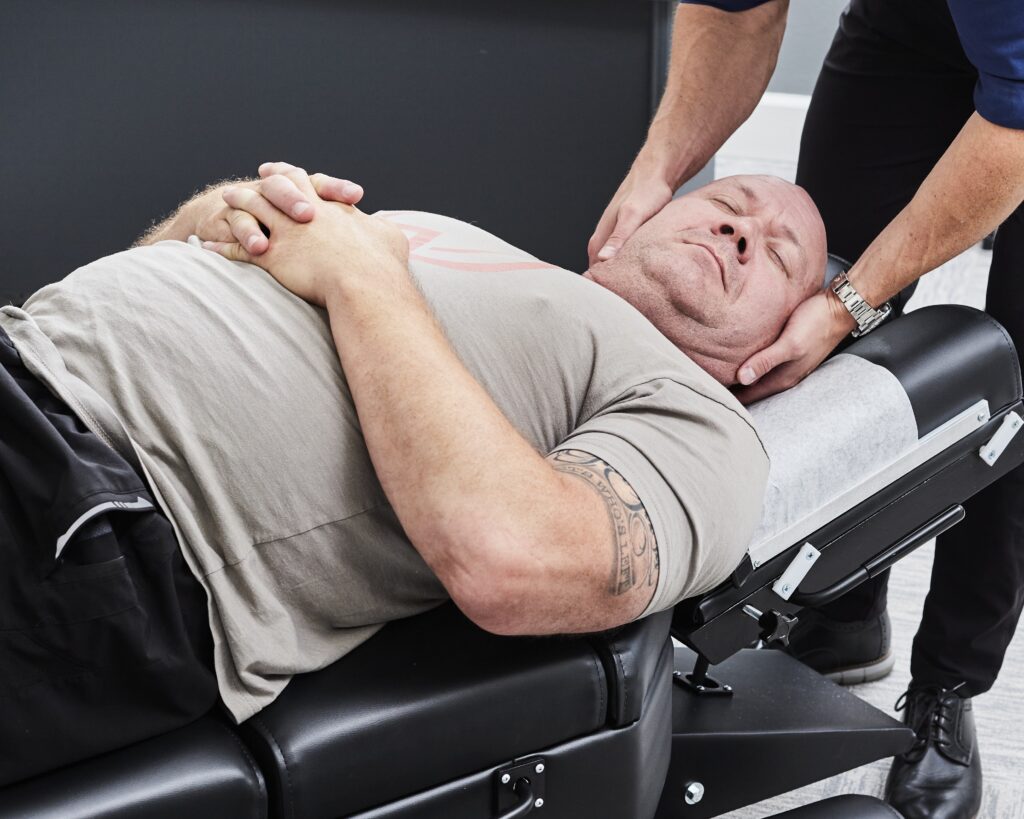
When you're recovering from an injury, it's essential to approach your healing process with a thoughtful strategy, especially if you're new to chiropractic care and natural healing. As a local chiropractor, I want to emphasize the importance of understanding your injury and following a personalized rehabilitation plan to enhance your recovery.
Chiropractic care focuses on optimizing your body's natural healing abilities, which means paying attention not only to your physical condition but also to your nutrition and mental well-being. Incorporating holistic practices can significantly impact your recovery journey.
As you navigate this path, it's crucial to monitor your progress and make necessary adjustments to your activities and rehabilitation exercises. Here are some key steps to ensure a smooth and effective recovery:
- Get a Comprehensive Assessment: Understanding the specifics of your injury is the first step. A thorough chiropractic evaluation can help identify the root cause of your discomfort and guide your recovery plan.
- Follow a Personalized Rehabilitation Plan: We will work together to create a tailored rehabilitation program that suits your unique circumstances and goals.
- Incorporate Nutrition: Proper nutrition plays a vital role in healing. We can discuss dietary choices that support tissue repair and overall wellness.
- Focus on Mental Resilience: Recovery can be as much a mental challenge as a physical one. Strategies to enhance your mental strength, like mindfulness or relaxation techniques, can be beneficial.
- Regular Check-ins: Consistent follow-ups will allow us to monitor your progress and make necessary adjustments to your treatment plan, ensuring you're always on the right path to recovery.
By embracing these steps and utilizing chiropractic care, you can maximize your recovery and get back to performing at your best. Remember, healing is a journey, and I'm here to support you every step of the way.
Understanding Your Injury
Understanding Your Injury
As a local chiropractor, I want to help you gain a deeper understanding of your injury so you can make informed decisions about your recovery journey. When you know the specifics of your condition, you can effectively tailor your healing approach. Begin by identifying the type of injury you have sustained—whether it's a sprain, strain, fracture, or tear. Each type has its own symptoms and healing processes, and understanding this is crucial for a successful recovery.
It's also important to familiarize yourself with the anatomy involved in your injury. This knowledge will help you understand why certain movements may irritate your condition and which activities you should avoid. For example, if you've injured your ankle, it's wise to refrain from running or jumping until you have fully healed.
Listening to your body is paramount during this process. Pay close attention to how it reacts during your daily activities and take note of your pain levels. If something feels off, it's essential to pause and seek guidance from a healthcare professional, like myself. I can provide valuable insights into the severity of your injury and work with you to create a personalized treatment plan that focuses on natural healing.
Additionally, educating yourself about the typical recovery timeline for your specific injury can help set realistic expectations. Knowing how long it usually takes for similar injuries to heal can prevent feelings of frustration and impatience as you progress through your recovery.
Lastly, be aware of potential complications that could arise if you rush the healing process. Understanding these risks can motivate you to adhere to professional advice and give your body the necessary time to recover properly. Empowering yourself with this knowledge will make your recovery journey smoother and more effective, allowing you to return to your daily activities with confidence.
Importance of Rehabilitation
Rehabilitation is a vital component of your recovery journey after an injury, and as your local chiropractor, I want to emphasize how chiropractic care can support this process. Rehabilitation goes beyond just physical therapy; it encompasses regaining strength, flexibility, and confidence in your body. When an injury sidelines you, it's common to feel frustrated and overwhelmed. That's where a structured rehabilitation program, guided by chiropractic principles, comes into play.
By engaging in a rehabilitation plan that incorporates chiropractic care, you become an active participant in your healing journey. I work closely with you to assess the extent of your injury and develop a tailored approach that meets your specific needs. Through a combination of spinal adjustments, targeted exercises, and holistic therapies, we can progressively rebuild your strength and functionality, ensuring you return to your activities safely and effectively.
Chiropractic rehabilitation also emphasizes the importance of proper movement techniques to prevent re-injury. You'll learn how to move correctly, helping to correct any imbalances that may have occurred due to your injury. This knowledge not only aids in your recovery but also lays a strong foundation for your future physical pursuits.
Moreover, we can't overlook the psychological aspect of rehabilitation. Chiropractic care plays a significant role in helping you regain mental resilience and confidence after an injury. Together, we'll work on setting realistic goals and celebrating small victories throughout your recovery, keeping you motivated and focused on getting back to your best self.
As your chiropractor, I'm here to guide you through this process, ensuring that you understand how natural healing approaches can facilitate a comprehensive recovery. Let's work together to help you reclaim your health and vitality!
Nutrition for Recovery
As a local chiropractor, I want to emphasize the critical role that nutrition plays in your recovery after an injury. Many people may not realize that the right nutrients can significantly reduce inflammation, promote healing, and restore your strength. It's essential to focus on a balanced diet that incorporates adequate protein, healthy fats, and carbohydrates to support your recovery journey.
Protein is vital for repairing damaged tissues. I recommend aiming for lean sources such as chicken, fish, beans, and legumes. By incorporating protein into every meal, you can help accelerate your recovery process.
Additionally, healthy fats found in foods like avocados, nuts, and olive oil are important for reducing inflammation and maintaining overall cellular health.
Carbohydrates serve as your body's primary energy source, especially during recovery. Opt for complex carbohydrates such as whole grains, sweet potatoes, and fruits. These not only fuel your workouts but also provide essential vitamins and minerals that support the healing process.
Hydration is another crucial element. Drinking plenty of water is essential as it helps transport nutrients to your cells and flush out toxins. I recommend aiming for at least eight glasses a day, adjusting based on your activity level.
Incorporating anti-inflammatory foods into your diet can also be beneficial. Foods like berries, leafy greens, and fatty fish such as salmon can assist your body in healing and reducing pain.
Don't forget about the importance of vitamins and minerals. Vitamins C and D, along with zinc, play significant roles in tissue repair and immune function. If you find it challenging to meet your nutritional needs through food alone, consider taking a multivitamin.
By prioritizing your nutrition, you can equip your body with the necessary tools to recover effectively and return to your activities stronger than ever.
As your chiropractor, I'm here to support you through this process and help you understand how natural healing and proper nutrition can work hand in hand for a successful recovery.
Mental Resilience Techniques
As a local chiropractor, I want to emphasize the importance of mental resilience during your recovery from an injury. Many people may not realize that your mindset can significantly impact your healing process.
Techniques such as visualization—imagining yourself successfully overcoming challenges—can be incredibly powerful. Additionally, practicing mindfulness helps sharpen your focus and allows you to stay present in your recovery journey.
Positive self-talk is another essential tool; it can uplift your spirits and motivate you to push through tough days. By integrating these mental resilience strategies with chiropractic care, you can't only strengthen your mindset but also enhance your overall recovery experience.
Visualization for Success
Visualization for success is a powerful technique that can significantly enhance your healing journey, especially in conjunction with chiropractic care. As your local chiropractor, I want to share how this practice can complement the natural healing methods we use in our office. By imagining yourself overcoming obstacles and achieving your health goals, you can cultivate a positive mindset that supports your recovery.
Imagine yourself fully healed, moving freely, and feeling strong after treatment. This kind of mental imagery not only boosts your confidence but also helps your brain align with the success you desire. When you visualize your recovery, you're essentially preparing your mind and body for the actual healing process.
To integrate visualization into your daily routine, find a quiet space where you can relax and focus on your healing journey. Close your eyes and vividly picture the specifics of your desired outcome—perhaps you see yourself engaging in activities you love without pain or discomfort. Feel the associated emotions of joy and satisfaction. This mental rehearsal can make your recovery goals feel more attainable.
You can also visualize the steps you need to take to support your healing, such as adhering to your treatment plan, committing to exercises recommended during your chiropractic sessions, and maintaining a healthy lifestyle. This clarity can enhance your motivation and accountability throughout your recovery.
By practicing visualization regularly, you'll not only strengthen your mental resilience but also create a powerful connection between your mind and body. When you envision your success, you'll be better equipped to turn challenges into opportunities for growth on your path to healing.
Mindfulness and Focus
As a local chiropractor, I want to share the importance of mindfulness and focus in your journey toward recovery and optimal health. These practices are essential tools that can enhance your mental resilience as you heal from injury or manage discomfort.
Mindfulness, in particular, allows you to stay present and engaged in each moment. Instead of worrying about your injury or what the future holds, I encourage you to take just a few minutes each day to focus on your breath. Pay attention to the sensations you feel as you inhale and exhale. This simple yet powerful exercise can help ground you and create a space where you can observe your thoughts without judgment.
You can also weave mindfulness into your daily routine. Whether you're enjoying a meal, going for a walk, or doing stretching exercises, take the time to notice the sensations in your body and the world around you. This increased awareness not only enhances your focus but also makes it easier to achieve your recovery goals.
To further improve your focus, I recommend setting specific, achievable objectives for each rehabilitation session. Break your tasks into smaller, manageable parts, and celebrate each step forward, no matter how small.
By embracing mindfulness and sharpening your focus, you'll develop the mental resilience needed to navigate challenges and maintain a positive outlook on your healing journey.
Positive Self-Talk Techniques
Positive self-talk techniques can significantly enhance your recovery process, especially when you're navigating the path to wellness through chiropractic care. As your chiropractor, I want to emphasize that your mindset is a crucial factor in how quickly and effectively you heal. By actively choosing positive affirmations, you can cultivate resilience and motivation, which are essential for recovery.
Begin by recognizing any negative thoughts that may arise during your healing journey. For example, when you find yourself thinking, "I'll never feel normal again," try to counter that with, "I am making progress every day with the support of my chiropractic treatments." This simple change in perspective can greatly boost your confidence and keep you focused on your recovery.
Consider establishing specific daily affirmations such as, "My body is strong and capable," or, "Every adjustment I receive is a step closer to optimal health." Repeat these affirmations regularly, especially during tougher times when challenges may feel overwhelming.
Visualization can also be a powerful tool; imagine yourself fully healed and engaged in activities you love.
It's also important to celebrate the small victories along your recovery journey. Each improvement, no matter how minor, is a testament to your dedication and the effectiveness of your chiropractic care.
Surrounding yourself with supportive friends and family can further enhance your healing experience. Their encouragement will reinforce your positive self-talk and help you remember that recovery is a gradual process.
By embracing these positive self-talk techniques alongside your chiropractic treatments, you'll cultivate a mindset that not only supports your healing but also propels you toward achieving your health goals.
Gradual Return to Training
Reintroducing yourself to training after an injury is a crucial process that requires a thoughtful and measured approach. As your local chiropractor, I want to emphasize the importance of taking your time during this recovery phase. Rushing back into your routine can lead to further setbacks, so it's vital to ease back into exercise.
I recommend starting with a consultation to discuss your unique situation and develop a tailored recovery plan.
It's essential to focus on low-impact activities that will help you maintain your fitness without putting additional strain on your recovering injury. Gradually increasing the intensity and duration of your workouts is key as your body heals.
Here are three important steps to guide you on your path back to training:
- Listen to Your Body: Your body is an excellent communicator. Pay attention to any discomfort or pain during your workouts. If something doesn't feel right, it's important to take a step back and reassess. Ignoring these signals can lead to re-injury.
- Focus on Quality: Proper form and technique should always take precedence over the amount of weight or speed you're using. By prioritizing quality, you can ensure that you're not putting unnecessary stress on your recovering body and are promoting a safer healing process.
- Set Realistic Goals: It's natural to feel discouraged during recovery, but setting achievable short-term goals can help maintain your motivation. Celebrating small victories along the way won't only boost your confidence but also reinforce your commitment to a sustainable recovery.
As your chiropractor, I'm here to support you every step of the way on your journey back to training. Together, we can create a plan that promotes healing, strength, and long-term success in your fitness endeavors.
Monitoring Progress and Adjustments
As you embark on your recovery journey, it's crucial to monitor your progress and keep an eye on your pain levels. This practice is essential in chiropractic care, as it allows us to tailor your treatment plan to your specific needs.
By regularly assessing how your body feels, we can make necessary adjustments to your training regimen, ensuring you don't push yourself too hard too soon. Staying attuned to your body's signals can greatly enhance your healing experience and support your overall wellness.
Track Recovery Milestones
Tracking your recovery milestones is a vital part of your healing journey, especially if you're new to chiropractic care and natural healing. By monitoring your progress, you can better understand how your body is responding to treatment and identify areas that may need more attention.
This proactive method ensures you're on the right track toward complete recovery while reducing the chances of re-injury.
Here are some key aspects to focus on as you track your recovery milestones:
– Pain Levels: It's important to regularly assess and record your pain levels during various activities. This will help you understand if you're overexerting yourself or if you're ready to take on more challenging exercises.
Communicating these levels with your chiropractor can guide adjustments to your treatment plan.
– Range of Motion: Pay attention to your flexibility and mobility. Keeping track of any improvements or setbacks in your range of motion is crucial as you progress through your rehabilitation.
Your chiropractor can assist in measuring these changes and providing specific exercises to enhance mobility.
– Strength Gains: Documenting your strength levels in the affected area is essential. Noticing increases in strength can provide motivation and serve as a clear indicator that you're returning to your previous capabilities.
Discuss these gains with your chiropractor, who can tailor your treatment to support continued progress.
By focusing on these elements, you can actively participate in your healing process and work collaboratively with your chiropractor to achieve optimal results.
Adjust Training Regimens
As your local chiropractor, I want to emphasize the importance of adjusting your training regimen for optimal recovery after an injury.
It's crucial to listen to your body and understand how various exercises affect your healing process. Start by assessing your current fitness level and identify exercises that align with your recovery goals.
Begin with low-impact activities that won't put undue stress on your injured area. As you start to feel stronger, you can gradually reintroduce more intensity. However, it's vital to do this cautiously to avoid overloading your body too quickly.
Keeping a training log can be incredibly beneficial; note your workouts along with any discomfort or fatigue you experience. This information will help you identify what works well for you and what may need to be adjusted.
Listening to your body is key. If an exercise causes pain, it's important to either scale back or choose a gentler alternative. Incorporating cross-training can also be a great way to prevent overuse injuries while enhancing your overall strength.
Remember to set realistic goals for yourself; aim for gradual progress rather than expecting an immediate return to peak performance.
Lastly, I strongly recommend consulting with a chiropractor or a physical therapist. They can guide you in making safe and effective adjustments to your regimen.
With their expertise, you can tailor your approach to support your recovery while minimizing the risk of re-injury. Remember, patience and consistency are essential ingredients in your journey to recovery and wellness.
Assess Pain Levels
As your local chiropractor, I want to emphasize the importance of monitoring your pain levels during your recovery process. This practice ensures that you're making steady progress and helps you avoid potential setbacks.
Being attentive to how your body feels as you adjust your training regimen is crucial. By evaluating your pain, you can make informed decisions about when to challenge yourself further or when to take a step back, keeping your recovery on the right track.
Here are some effective strategies I recommend for assessing your pain levels:
- Utilize a pain scale: Rate your pain from 1 to 10 before and after your workouts. This simple method can help you identify patterns and triggers related to your discomfort.
- Maintain a pain journal: Keeping track of your daily pain levels, the activities you engage in, and any modifications you make can be incredibly insightful. This documentation allows you to spot trends and adjust your training accordingly.
- Tune into your body: Pay attention to any increases in pain or discomfort during specific movements. If you notice these changes, it's essential to pause and reassess your approach. Sometimes, a slight adjustment can make all the difference in your healing journey.
By incorporating these strategies into your recovery routine, you'll be better equipped to manage your pain and facilitate natural healing.
Conclusion
Injury recovery doesn't have to keep you from achieving your athletic goals. As a local chiropractor, I want to emphasize the importance of understanding your injury and how chiropractic care can play a pivotal role in your healing journey. By following a personalized rehabilitation plan tailored to your needs, you can not only recover but also enhance your overall performance.
Proper nutrition is essential during your recovery, as it fuels your body and supports healing. Additionally, I cannot stress enough the importance of mental resilience. Visualizing your success and maintaining a positive mindset can significantly impact your recovery process.
As you begin to ease back into training, I encourage you to listen to your body and adjust your activities accordingly. Chiropractic adjustments can help restore proper alignment and function, allowing you to train more effectively and safely.
With commitment to your recovery plan and an open mind toward natural healing methods, you can elevate your athletic performance to new heights while ensuring a thorough and effective recovery. Let's work together on this journey to maximize your health and athletic potential!