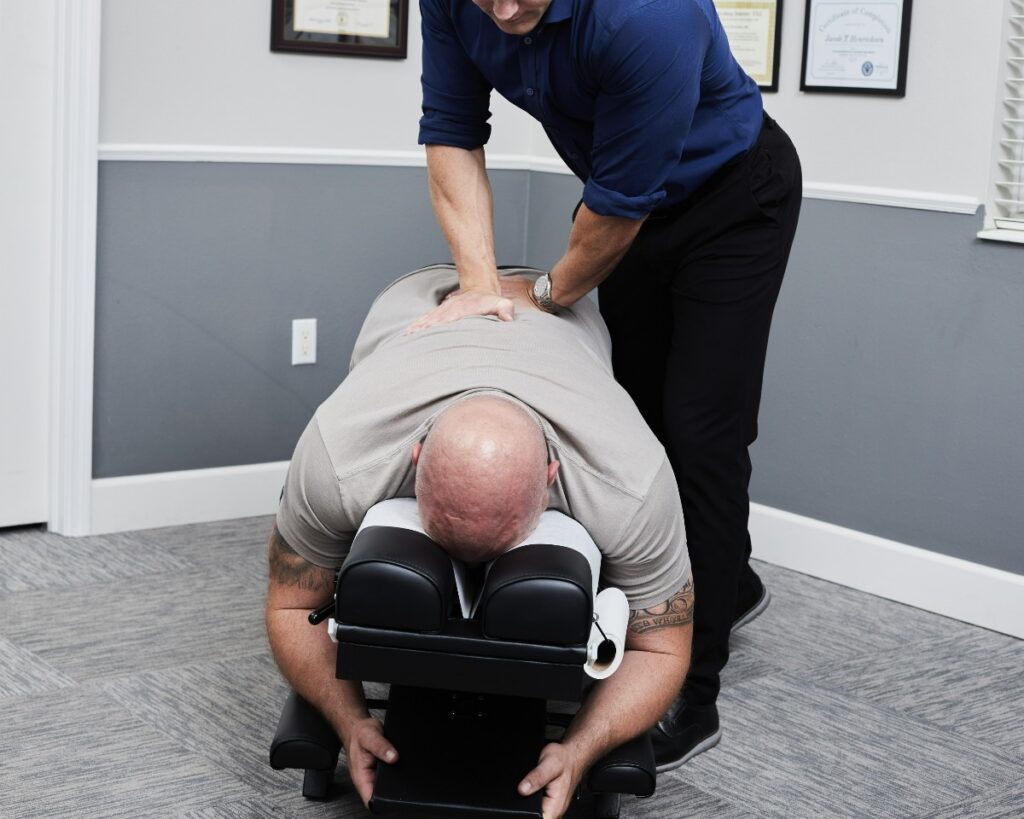
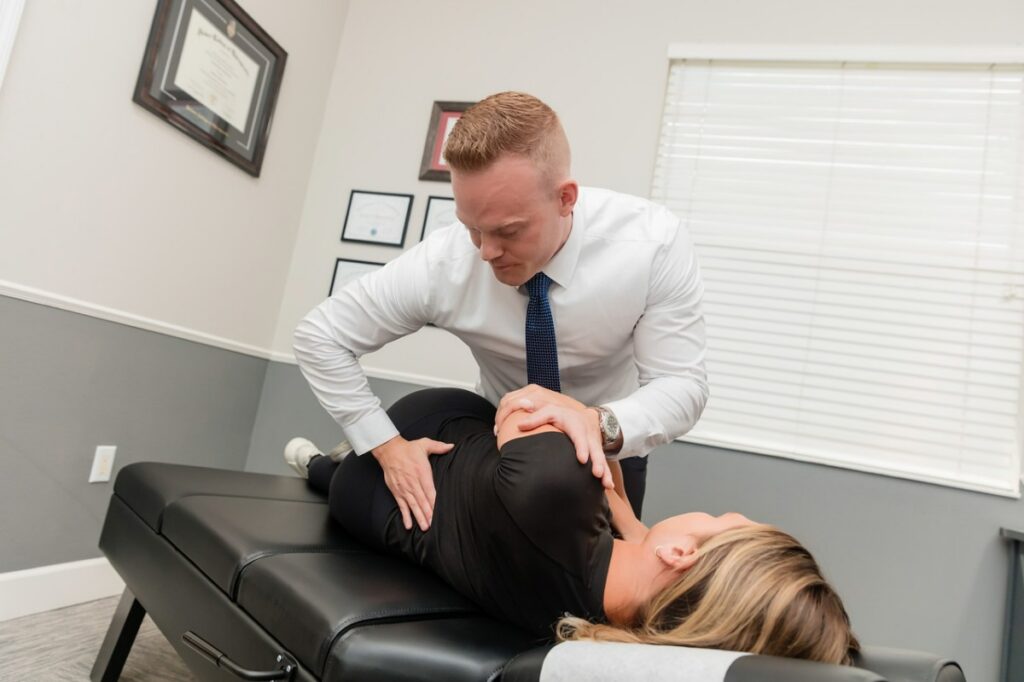
As a local chiropractor, I want to emphasize that if you're experiencing upper back pain, you're not alone, and the path to relief may be more accessible than you think. By making a few key adjustments to your daily habits and incorporating specific practices, you can significantly alleviate your discomfort.
One major factor to consider is your posture. Many people are unaware of how poor posture can contribute to back pain. Simple adjustments in how you sit, stand, and move can make a world of difference. Additionally, utilizing heat therapy can be an effective way to soothe tight muscles and promote relaxation.
I encourage you to explore these strategies, as they could truly transform your everyday life. Imagine if a minor change in your routine could lead to substantial relief from pain. Let's delve into these practical tips together, so you can feel better and take charge of your health and well-being. Remember, my office is here to support you on this journey towards natural healing and improved quality of life.
Improve Your Posture
As a local chiropractor, I want to emphasize the importance of improving your posture to alleviate upper back pain. Many people may not realize that slouching or hunching can lead to significant muscle strain and discomfort. That's why it's crucial to maintain an upright position throughout your daily activities.
Start by being mindful of how you sit, stand, and move. Whether you're working at a desk or walking around, keeping your shoulders back and your spine properly aligned can make a world of difference.
When you're seated, ensure that your chair provides adequate support for your lower back. Your feet should rest flat on the floor, and your knees should form a 90-degree angle. If you spend a lot of time at a computer, it's vital to adjust your screen to eye level. This simple change can help you resist the urge to lean forward, which often leads to discomfort.
I also recommend taking breaks every hour to stand up, stretch, and reset your posture.
When standing, remember to distribute your weight evenly on both feet. Engage your core and pull your shoulders back. Avoid locking your knees, as this can create tension in your back. If you catch yourself slouching frequently, consider using reminders like sticky notes on your computer or even a posture-correcting device to help you stay aware.
Don't forget about your posture when you're on the move. Carry bags evenly on both shoulders, and try to avoid looking down at your phone for extended periods. By making these small adjustments in your daily habits, you can significantly reduce upper back pain and enhance your overall well-being.
Incorporate Stretching Exercises
As a local chiropractor, I want to share with you some key insights on managing upper back pain. Improving your posture is just one aspect of addressing this discomfort; incorporating stretching exercises into your daily routine is equally important. These stretches can significantly enhance your flexibility and reduce tension in your upper back, promoting better overall wellness.
Stretching not only alleviates discomfort but also improves blood circulation, which is vital for muscle recovery. I recommend starting with simple stretches designed to target the muscles in your upper back.
One effective stretch to try is the neck stretch. You can do this while sitting or standing straight. Gently tilt your head to one side, bringing your ear toward your shoulder. Hold this position for 15-30 seconds before switching to the other side. This stretch is excellent for releasing tightness in both the neck and upper back.
Another beneficial exercise is the shoulder blade squeeze. While sitting or standing, pull your shoulder blades together as if you're trying to hold a pencil between them. Maintain this position for about five seconds, then release. Aim to repeat this 10-15 times. This exercise is great for strengthening the muscles that support proper posture.
Don't forget about the cat-cow stretch, which is excellent for enhancing spinal flexibility. Start on your hands and knees, then alternate between arching your back upward (like a cat) and sinking it down toward the floor (like a cow). This gentle movement helps relieve tension and increases flexibility throughout your spine.
Incorporating these stretches into your daily life can significantly impact your ability to manage upper back pain. I suggest aiming to stretch at least once in the morning and once in the evening.
Use Heat and Cold Therapy
As a local chiropractor dedicated to helping you find relief from upper back pain, I want to share some valuable insights about heat and cold therapy. These natural healing techniques can truly transform your recovery journey.
When you apply heat to your upper back, it works wonders by relaxing tight muscles, promoting better blood circulation, and easing stiffness. This can be especially beneficial after a long day or following physical activity.
On the other hand, cold therapy is effective in reducing inflammation and numbing any sharp pain you may be experiencing. It's a great option after any injury or if you've been feeling sore.
Understanding how to utilize these therapies correctly can greatly enhance your comfort levels and support your overall healing process. I encourage you to incorporate both heat and cold therapy into your routine, and don't hesitate to reach out if you have any questions about how these methods can complement your chiropractic care.
Your well-being is our priority!
Benefits of Heat Therapy
As a local chiropractor dedicated to helping my patients find relief from discomfort, I want to share the benefits of heat therapy, particularly for those suffering from upper back pain. Many individuals may not be familiar with how natural healing methods like this can play a crucial role in their recovery.
Heat therapy is an effective approach to alleviating upper back pain, especially when used in conjunction with cold therapy. The application of heat increases blood flow to the targeted area, which aids in relaxing tight muscles and reducing stiffness. This can significantly enhance your comfort and mobility.
Here are some key benefits of incorporating heat therapy into your wellness routine:
- Increases blood circulation: By enhancing blood flow, heat therapy delivers essential nutrients and oxygen to your muscles, which is vital for healing and recovery.
- Relaxes tense muscles: The warmth from heat therapy soothes your muscles, helping to ease the tightness that often contributes to pain and discomfort.
- Reduces muscle spasms: Applying heat can help prevent or alleviate muscle spasms, allowing for greater freedom of movement and less restriction in your daily activities.
- Improves flexibility: With your muscles relaxed, you'll find it easier to engage in everyday tasks without experiencing discomfort.
- Promotes relaxation: Beyond physical benefits, heat therapy can create a calming effect, aiding in stress management that may otherwise exacerbate your back pain.
For optimal results, I recommend using a heating pad, a warm towel, or a hot water bottle. Just be sure to apply heat for 15-20 minutes at a time to avoid overheating.
Embrace the soothing sensation that heat therapy provides, and relish in the relief it can bring to your upper back pain! If you have any questions or would like to discuss a personalized approach to your care, feel free to reach out.
Cold Therapy Techniques
As a chiropractor, I want to share the benefits of incorporating cold therapy into your pain management routine, especially for alleviating upper back pain.
Cold therapy serves as a powerful complement to heat therapy, helping to reduce inflammation, numb soreness, and provide relief after physical activity or prolonged periods spent at your desk.
To effectively use cold therapy, I recommend starting with ice packs or even a bag of frozen vegetables wrapped in a cloth. Apply it to the affected area for about 15-20 minutes, ensuring your skin returns to its normal temperature in between sessions.
This technique is particularly effective after engaging in activities that may aggravate your pain.
If you're looking for a more targeted approach, cold gel packs or cold compresses specifically designed for back pain can be a great option. These can be applied directly to your upper back for focused relief.
Another method to consider is taking a cold shower or soaking in a cold bath. This can provide a full-body chill that helps soothe muscle tension.
However, it's important to be mindful of the duration of exposure, as staying in the cold for too long can lead to skin irritation or discomfort.
Incorporating these cold therapy techniques into your routine can greatly enhance your overall well-being and aid in your healing journey.
If you have any questions or need guidance on how to implement these methods, feel free to reach out during your next visit!
Stay Hydrated
As a local chiropractor, I want to emphasize the importance of staying hydrated for your overall health and well-being, especially when it comes to alleviating upper back pain. Proper hydration plays a crucial role in keeping your muscles and joints lubricated, which can significantly reduce tension and stiffness.
When you're dehydrated, muscle cramps and discomfort may occur, potentially worsening any existing back pain. By ensuring you drink enough water throughout the day, you can support your body's natural healing processes and enhance your recovery.
Here are some tips to help you stay hydrated:
- Drink water regularly: Aim for at least eight 8-ounce glasses of water each day. This amount may vary based on your activity level and individual needs.
- Set reminders: Consider using your phone or a water-tracking app to remind you to take sips of water at different times throughout the day.
- Eat water-rich foods: Include fruits and vegetables in your diet, such as cucumbers, oranges, and watermelon, to help boost your hydration levels.
- Limit dehydrating beverages: Be mindful of your intake of caffeinated drinks and alcohol, as they can contribute to dehydration.
- Carry a water bottle: Keeping a reusable water bottle with you can make it easier to drink water consistently throughout your day.
By incorporating these habits, you can enhance your hydration and, in turn, support your body's healing processes, helping to alleviate pain and improve your overall health.
If you have any questions about how hydration relates to your chiropractic care or other aspects of your health, don't hesitate to ask!
Consider Massage Therapy
As a local chiropractor, I want to emphasize the importance of proper hydration alongside effective treatments for upper back pain, such as massage therapy.
Massage therapy is a powerful tool that focuses on the muscles and connective tissues in your upper back, helping to promote relaxation and alleviate tension. If you're experiencing discomfort, a professional massage can relieve tightness and enhance blood circulation, facilitating the healing process.
The healing touch of a skilled massage therapist shouldn't be underestimated. They can pinpoint areas of tension and work to release knots that may be contributing to your pain. There are various techniques available, including deep tissue, Swedish, and trigger point therapy, each offering unique benefits. You may find that a combination of these methods tailored to your specific needs can provide the most relief.
Regular massage sessions can lead to cumulative benefits for your overall well-being. While you may feel better after just one session, ongoing treatment helps maintain muscle flexibility and can prevent future discomfort.
It's important to listen to your body—if you start to feel tightness or pain returning, it may signal the need for another session.
In addition to professional massage therapy, I encourage you to explore self-massage techniques at home. Simple practices such as using a foam roller or a massage ball can help you target specific areas of discomfort between your visits.
Incorporating these into your routine, especially after long periods of sitting or physical activity, can greatly enhance your recovery and comfort.
As your chiropractor, I'm here to guide you through this journey of natural healing, combining the benefits of chiropractic care with massage therapy to help you achieve lasting relief from upper back pain.
Practice Mindfulness Techniques
As a chiropractor, I want to share how practicing mindfulness techniques can significantly help you manage upper back pain. Many of my patients find that by focusing on the present moment, they can reduce the stress and tension that often contribute to their discomfort. Mindfulness helps you become more attuned to your body, fostering relaxation and a sense of calm that can alleviate pain.
To incorporate mindfulness into your daily routine, consider these effective techniques:
- Deep Breathing: Taking slow, deep breaths can relax tense muscles and calm your mind. Concentrate on each inhale and exhale to ground yourself in the present moment.
- Body Scan: Lie down comfortably and mentally scan your body from head to toe. Pay attention to areas where you feel tension, and consciously work to relax those muscles.
- Meditation: Dedicate a few minutes each day to meditation. Find a quiet space, sit comfortably, and focus on your breath or a soothing mantra. This practice can enhance your mental clarity and reduce pain perception.
- Gentle Yoga: Engage in simple, mindful yoga poses that promote flexibility and relieve tension in your back. As you move, focus on how your body feels and the sensations that arise.
- Gratitude Journaling: Keep a journal to write down things you're grateful for. This practice can shift your focus away from pain and foster a more positive mindset.
By integrating these mindfulness techniques into your life, you can develop a balanced approach to managing upper back pain. Not only will you address the discomfort, but you'll also enhance your overall well-being.
I encourage you to commit to these practices, as many of my patients have noticed a positive shift in their experience and management of pain through this holistic approach. Remember, chiropractic care works best when combined with healthy lifestyle choices, including mindfulness.
Seek Professional Help
If you're experiencing persistent upper back pain, I encourage you to consider seeking professional help.
As a chiropractor, I specialize in realignment techniques that can provide significant relief from discomfort. Our goal is to not only alleviate your pain but also to address the root causes of your issues.
In addition to chiropractic care, working with a physical therapist can be incredibly beneficial. They focus on strengthening your muscles and enhancing your mobility, which is crucial for a thorough recovery.
By combining these approaches, you can experience more effective healing and reduce the likelihood of future problems.
Consult a Chiropractor
As a local chiropractor, I want to share how our care can play a vital role in alleviating upper back pain and enhancing your overall well-being. Many people are unaware of the benefits of chiropractic care, so let me explain what you can expect when you come to visit me.
- Comprehensive Assessment: During your first visit, I'll conduct a thorough evaluation of your posture, spinal alignment, and health history. This step is crucial in identifying the root cause of your discomfort and developing a tailored approach to your care.
- Spinal Adjustments: I utilize specialized techniques to gently realign your spine. These adjustments can significantly relieve pain and enhance your mobility, allowing you to enjoy daily activities without discomfort.
- Customized Treatment Plans: Every patient is unique, which is why I create a personalized treatment plan just for you. This plan may include spinal adjustments, therapeutic exercises, and lifestyle modifications aimed at supporting your recovery and preventing future issues.
- Education: A key aspect of my care is empowering you with knowledge about your condition. I'll teach you proper body mechanics and posture techniques that can help you avoid future pain and improve your overall functional health.
- Ongoing Support: Healing is a journey, and I'm here to support you every step of the way. I offer follow-up sessions to monitor your progress and make any necessary adjustments to your treatment plan, ensuring that you continue to move towards optimal health.
If you're experiencing upper back pain, I encourage you to reach out and explore the benefits of chiropractic care. Together, we can work towards improving your quality of life and guiding you on your path to healing naturally.
Visit a Physical Therapist
If you're experiencing upper back pain, consulting with a local chiropractor can be a transformative step toward finding relief. Chiropractors specialize in understanding the alignment of your spine and its impact on your overall health.
When you visit a chiropractor, they'll conduct a thorough assessment of your posture, spinal alignment, and any underlying issues that may be contributing to your discomfort.
Based on their findings, a chiropractor will create a personalized treatment plan that may include spinal adjustments to realign your vertebrae, exercises to strengthen your back and core, and stretches to enhance flexibility.
By engaging in your healing journey, you not only relieve existing pain but also learn strategies to prevent it from recurring in the future.
Chiropractors also emphasize the importance of proper ergonomics in your daily life. They can help you set up your workspace to reduce strain on your back and provide guidance on safe exercise practices that promote a strong and healthy spine.
Don't underestimate the value of professional chiropractic care. By working with a chiropractor, you're taking proactive measures to address not just the symptoms, but the underlying causes of your upper back pain.
Take the first step toward a pain-free life and book your appointment today!
Conclusion
As a local chiropractor, I want to share with you seven effective strategies for relieving upper back pain that can significantly enhance your overall well-being. First and foremost, it's crucial to maintain good posture throughout your daily activities. This simple adjustment can make a world of difference in alleviating discomfort.
Incorporating regular stretches into your routine is another key element. Gentle stretches can help keep your muscles flexible and reduce tension in the upper back. Additionally, utilizing heat or cold therapy can be beneficial; applying a warm compress or an ice pack can provide immediate relief depending on your needs.
Staying hydrated is often overlooked but plays a vital role in maintaining healthy muscles and joints. I also recommend considering massage therapy as part of your pain relief strategy; it can work wonders for muscle tension and promote relaxation.
Don't underestimate the power of mindfulness practices, which can effectively reduce stress and its impact on your body. Lastly, if your pain persists, I encourage you to seek professional help. Chiropractic care can offer natural healing solutions tailored to your specific needs.
Take control of your health and work towards a more comfortable, pain-free life with these holistic approaches!