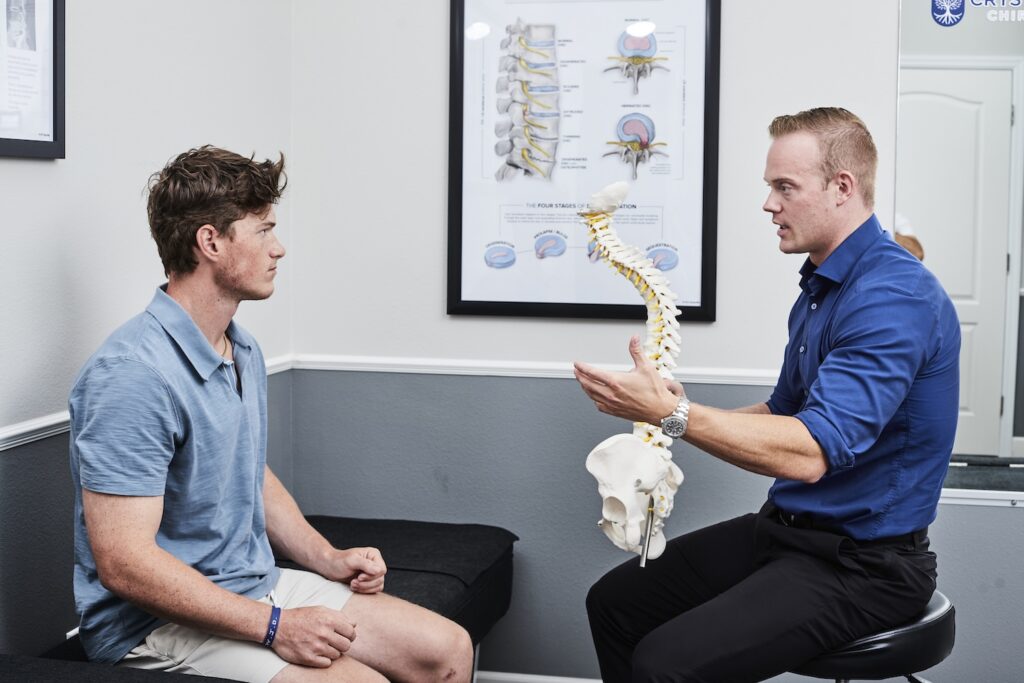
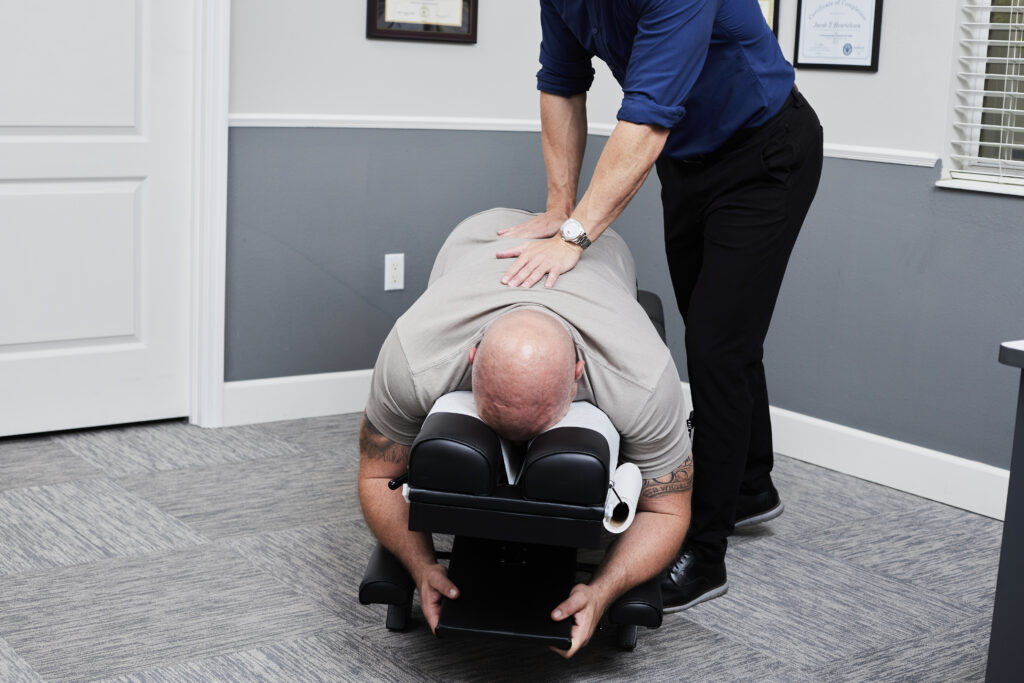
If you're dealing with chronic pain, I want you to know that relief is not only possible, but it can also be achieved through a holistic approach. As a chiropractor, I encourage you to start by making simple adjustments to your diet and daily habits. In addition to these changes, there are innovative therapies—like chiropractic care—that might be new to you but can significantly enhance your healing process.
By working closely with healthcare professionals like myself, we can create a tailored strategy that fits your unique needs. But remember, the journey to relief doesn't stop there. We can explore deeper layers of healing that may greatly improve your outcomes and overall well-being. Are you ready to discover what those possibilities might be?
Understanding Chronic Pain
Chronic pain can often feel like an unwelcome shadow, lingering long after an initial injury or illness has seemingly healed. As a chiropractor, I see many patients grappling with discomfort that appears to have no clear source, leaving them frustrated and overwhelmed. It's essential to understand chronic pain, as this knowledge can guide you on your path to relief. This type of pain is multifaceted, often involving not just physical aspects but also emotional and psychological components.
Patients often describe their pain in various ways—sharp, dull, throbbing, or burning—and unfortunately, it can significantly impact daily life and activities. Unlike acute pain, which serves a purpose by signaling an injury and usually resolves over time, chronic pain can persist for months or even years. It can disrupt your sleep, affect your mood, and lead to feelings of isolation.
It's important to recognize that chronic pain isn't merely a symptom; it can also change how your brain processes pain signals, making it more challenging to manage. Additionally, chronic pain can create a cycle of discomfort and stress, leading to increased sensitivity to pain over time. Many patients notice that specific activities or situations can worsen their symptoms. This makes it crucial to identify and understand your unique triggers. By doing so, you empower yourself to take control of your pain management strategies.
As a chiropractor, I believe that understanding how chronic pain affects your body and mind is vital. Through natural healing methods, including spinal adjustments, physical therapy, and holistic approaches, we can work together to develop effective treatments tailored to your needs.
Your journey toward relief begins with this essential awareness and a commitment to exploring natural healing options. Together, we can pave the way for a healthier, more comfortable life.
Common Causes and Triggers
As your local chiropractor, I want to help you understand that chronic pain can often be linked to several common causes and triggers that you may not even be aware of.
Many times, injuries and accidents can lead to lingering discomfort, while inflammatory conditions and certain lifestyle choices can also contribute to the pain you feel.
By recognizing these factors, we can work together to develop a comprehensive approach to your pain relief.
My goal is to guide you through natural healing methods that can alleviate your symptoms and improve your overall well-being.
Let's explore these elements together and take the first step toward feeling better!
Injuries and Accidents
As a local chiropractor, I often see patients who are struggling with persistent pain following injuries and accidents. Whether you've experienced a sports injury, a fall, or a car accident, the trauma can lead to ongoing discomfort that disrupts your daily life.
It's completely understandable to feel overwhelmed as you navigate everyday tasks while managing this relentless pain.
It's essential to understand the common causes and triggers of pain after an injury. Here are a few key factors to consider:
- Soft tissue damage: Injuries like sprains and strains can result in lasting discomfort in the affected areas.
- Joint issues: Sometimes, injuries can lead to joint instability or even arthritis over time, which can contribute to chronic pain.
- Nerve damage: Accidents can result in nerve compression, leading to sharp, shooting pains that can be quite debilitating.
- Emotional stress: The psychological impact of an injury can often amplify physical pain, creating a cycle that can be hard to break.
By recognizing these components, you can begin to address your pain more effectively.
As a chiropractor, I believe in the power of a holistic approach to healing. Consulting with a healthcare professional like myself can help you develop a personalized recovery plan that addresses both the physical and emotional aspects of your pain.
Taking proactive steps, such as chiropractic adjustments, therapeutic exercises, and lifestyle changes, can lead you toward a more manageable pain experience and significantly improve your overall quality of life.
Don't let past injuries dictate your future—there is hope for relief and a return to the activities you love. Let me help you on your journey to recovery!
Inflammatory Conditions
As a local chiropractor, I want to help you understand how inflammation plays a role in your overall health and well-being. Inflammation is the body's natural response to injury or infection, but when it becomes chronic, it can lead to ongoing pain and discomfort.
Many of my patients are surprised to learn that inflammatory conditions such as arthritis, tendinitis, and autoimmune disorders can contribute to this persistent inflammation. You may experience symptoms like swollen joints, stiffness, and significant pain that can interfere with your daily activities.
One of the common culprits behind chronic inflammation can be repeated physical stress on your joints, environmental toxins, or infections that your body struggles to overcome. It's essential to recognize your unique triggers, as they can differ from person to person.
For instance, some individuals notice that certain foods, especially processed sugars or trans fats, can worsen their symptoms.
Moreover, underlying health concerns like obesity or diabetes can also play a role in chronic inflammation. If you're dealing with ongoing pain, I encourage you to reach out for a consultation.
Together, we can identify the specific inflammatory condition affecting you. By understanding these common causes, you can take proactive steps toward natural healing and effective pain management.
Chiropractic care focuses on promoting overall health and wellness, and I'm here to support you on your journey to feeling better.
Lifestyle Factors
As a local chiropractor, I want to help you understand how various aspects of your daily life can influence inflammation and pain levels. By recognizing these lifestyle factors, you can identify potential triggers and make positive changes for relief. Here are some key areas to consider:
– Diet: The foods you consume play a significant role in your overall health. Processed foods, excessive sugar, and unhealthy fats can increase inflammation in your body.
I encourage you to focus on a balanced diet that includes plenty of fruits, vegetables, and whole grains. This not only supports your body but also complements the chiropractic care you receive.
– Sleep: Quality sleep is essential for healing and pain management. If you're struggling with poor sleep, it can exacerbate your discomfort.
Aim for 7-9 hours of restorative sleep each night to give your body the time it needs to recover and rejuvenate.
– Stress: Chronic stress can lead to muscle tension and a heightened perception of pain.
Incorporating relaxation techniques, such as meditation or deep breathing exercises, can help alleviate stress. This not only benefits your mental health but also enhances the effectiveness of your chiropractic treatments.
– Physical Activity: A sedentary lifestyle can lead to stiffness and increased pain.
Regular, gentle exercise—like walking or yoga—can significantly improve your flexibility and reduce discomfort. Staying active is crucial for maintaining a healthy spine and overall well-being.
By addressing these lifestyle factors, you can enhance your healing journey and experience greater relief from pain.
Lifestyle Modifications for Relief
As your local chiropractor, I want to share with you how simple lifestyle changes can significantly alleviate chronic pain. By making adjustments to your diet, incorporating regular physical activity, and practicing stress management techniques, you can enhance your overall well-being and support your body's natural healing processes.
Let's delve into how these modifications can truly transform your pain relief journey. A balanced diet can provide the nutrients your body needs to function optimally, while regular exercise helps to strengthen your muscles and improve flexibility, which is crucial for spinal health.
Additionally, managing stress through techniques such as mindfulness or deep breathing can reduce tension and promote relaxation, further aiding in your recovery.
Together, we can explore these lifestyle changes and how they can complement your chiropractic care, leading you to a healthier and more pain-free life.
Diet and Nutrition Changes
As a local chiropractor, I want to share how diet and nutrition can significantly impact your journey towards managing chronic pain. Many patients are surprised to learn that what we eat can play a pivotal role in how we feel. By making some thoughtful dietary changes, you can help reduce inflammation and enhance your overall health.
Here are some key adjustments to consider:
- Incorporate anti-inflammatory foods: Focus on adding more fruits, vegetables, nuts, and fatty fish like salmon into your meals. These foods are known to help combat inflammation, which can directly influence your pain levels.
- Stay hydrated: Ensuring you drink plenty of water is vital for your body's functions. Proper hydration can help reduce pain sensations and support your overall well-being.
- Limit processed foods: By cutting back on sugar, refined carbohydrates, and unhealthy fats, you can decrease inflammation in your body. This change may lead to improved pain levels and better health outcomes.
- Reflect on food sensitivities: It's important to pay attention to how different foods affect your body. Common triggers for inflammation include gluten, dairy, and nightshades, so keeping a food diary may help you identify any sensitivities.
Experimenting with these dietary changes can lead to noticeable improvements in how you feel.
Remember, it's essential to listen to your body and make adjustments that work for you. If you're unsure where to start, consulting with a healthcare professional or nutritionist can provide personalized guidance tailored to your specific needs.
With the right diet and nutrition plan, you can take an important step towards finding relief from chronic pain and enhancing your overall health.
Exercise and Physical Activity
As a local chiropractor, I want to share how engaging in regular exercise and physical activity can significantly enhance your ability to manage chronic pain. When you move your body, it triggers the release of endorphins, which serve as your body's natural pain relievers. Additionally, physical activity improves blood circulation, which can help reduce inflammation and promote healing in areas affected by pain.
I recommend starting with low-impact activities such as walking, swimming, or cycling. These exercises are gentle on your joints but still offer substantial benefits. Aim for at least 150 minutes of moderate exercise each week. If that sounds like a lot, don't worry—breaking it into smaller sessions makes it much more manageable.
It's also important to include strength training and flexibility exercises in your routine. Strengthening the muscles around painful joints can provide extra support and help alleviate discomfort. Incorporating stretching or yoga can further enhance your range of motion and reduce stiffness.
Always listen to your body. If you notice an increase in pain, consider adjusting your activity level or seeking guidance from a healthcare professional, like myself.
Consistency is key. Establishing a regular exercise routine can help you build momentum and achieve a sense of accomplishment. With dedication to exercise and physical activity, you can take significant steps toward reclaiming your life and effectively managing chronic pain through natural healing methods, like chiropractic care.
Stress Management Techniques
As a local chiropractor, I often see patients who underestimate the profound influence that stress can have on chronic pain.
It's crucial to understand that effectively managing stress is an integral part of your journey toward relief. When stress levels rise, not only does your perception of pain increase, but it can also trigger muscle tension and inflammation, complicating your recovery.
By incorporating stress management techniques into your daily life, you can make significant strides in reducing discomfort.
Here are some practical strategies that I recommend:
- Mindfulness Meditation: Dedicate a few minutes each day to focus on your breath or simply observe your thoughts without judgment. This practice can help calm your mind and alleviate anxiety, creating a more conducive environment for healing.
- Deep Breathing Exercises: When you feel stress creeping in, take a moment for deep breathing. Inhale deeply through your nose, hold for a few seconds, and then exhale slowly through your mouth. This simple act promotes relaxation and can ease tension in the body.
- Regular Physical Activity: Engaging in gentle exercises like yoga or even a brisk walk can be incredibly beneficial. Not only do they help manage stress, but they also stimulate the release of endorphins, which are natural pain relievers.
- Journaling: Writing about your thoughts and feelings can serve as a powerful emotional outlet. It allows you to process stressors and gain a clearer perspective on what you're experiencing.
Incorporating these strategies into your routine can complement the chiropractic care you receive and enhance your overall well-being.
Holistic Approaches to Pain Management
As a local chiropractor dedicated to your well-being, I want to introduce you to holistic approaches to pain management that can provide effective relief for those experiencing chronic pain. Our focus here is on treating the whole person—body, mind, and spirit—rather than solely addressing the symptoms.
One powerful technique is mindfulness meditation. By centering your mind and reducing stress, you can significantly alter your perception of pain. This practice acts as a valuable tool in managing chronic discomfort, allowing you to gain a sense of control over your pain experience.
Incorporating gentle physical activities like yoga or tai chi into your routine is another excellent strategy. These practices not only enhance flexibility and strength but also promote relaxation. Regular movement is essential—it improves blood flow and reduces stiffness, making it easier for you to manage pain effectively.
Nutrition also plays a critical role in pain management. A balanced diet that includes anti-inflammatory foods—such as fruits, vegetables, whole grains, and healthy fats—can support your body's healing processes and help reduce pain levels. You might also consider dietary supplements like omega-3 fatty acids or turmeric, which are known for their natural anti-inflammatory properties.
Additionally, I encourage you to explore methods like aromatherapy and acupuncture. Essential oils can elevate your mood and help ease pain, while acupuncture works to restore energy balance in your body, potentially leading to a decrease in discomfort.
Don't overlook the importance of emotional support. Connecting with a support group or a therapist can help address the psychological aspects of living with chronic pain.
As your chiropractor, I believe that by embracing these holistic approaches, we can create a comprehensive pain management plan that empowers you to take charge of your health and enhance your quality of life. Together, we can work towards a pain-free future.
Medications and Treatments Explained
As a chiropractor, I want to emphasize the importance of understanding how medications and various treatments can complement your journey to managing chronic pain. While holistic approaches, including chiropractic care, can significantly support your recovery, it's beneficial to consider the role that medications can play in your overall treatment plan. Medications can provide quick relief and help you regain a sense of control over your daily activities. There are various options that can be tailored to your individual needs.
Here are some common medications and treatments you might come across:
- Over-the-counter pain relievers: Nonsteroidal anti-inflammatory drugs (NSAIDs), such as ibuprofen, can effectively reduce inflammation and alleviate discomfort.
- Prescription medications: In some cases, your healthcare provider may prescribe stronger pain relievers, including opioids for severe pain or medications designed specifically for nerve pain, like gabapentin.
- Topical treatments: Creams and patches that contain analgesics can be applied directly to the affected area for targeted relief.
- Alternative therapies: Many individuals find relief through complementary treatments such as acupuncture or acupressure, which can help address pain through different pathways.
It's crucial to collaborate closely with your healthcare provider to find the most effective combination of medications and treatments tailored to your specific condition. Everyone's experience with chronic pain is unique; what works for one person may not be effective for another.
By monitoring your progress and adjusting your treatment plan as necessary, you can discover the best strategy for relief.
Remember, you don't have to navigate this journey alone. As a chiropractor, I'm here to support you in finding the right balance of natural healing and medical interventions that can lead to significant improvements in your quality of life.
Together, we can explore the most effective methods for managing your pain and enhancing your overall well-being.
Physical Therapy and Rehabilitation
When it comes to managing chronic pain, chiropractic care plays a vital role in restoring function and enhancing your overall quality of life. As a local chiropractor, I specialize in developing personalized treatment plans that address your unique pain concerns, whether they arise from an injury, surgery, or a chronic condition.
During your visits, we'll focus on targeted adjustments and techniques designed to improve spinal alignment, mobility, and overall body function. These adjustments not only help alleviate pain but also empower you to regain control over your body and its movements.
As you progress, I'll continually assess your condition and modify your care plan to ensure ongoing improvement and recovery.
In addition to spinal adjustments, chiropractic care often includes various manual therapies, such as soft tissue work and joint mobilization, which can relieve tension and enhance circulation. These hands-on techniques can provide immediate relief and contribute to long-term benefits.
I'll also guide you on proper posture, body mechanics, and ergonomics, helping you move correctly throughout your daily activities to prevent further injury.
Rehabilitation through chiropractic care is a gradual process, and consistency is essential. By committing to your appointments and practicing any recommended exercises or stretches at home, you're likely to see significant improvements over time.
Innovative Therapies to Consider
As a local chiropractor, I want to share with you the importance of approaching chronic pain management from a holistic perspective. Chiropractic care is a vital component, but it's just one part of a broader strategy that can help you find relief.
By exploring innovative therapies, you can discover the right combination that works for your unique situation. Here are a few options to consider:
- Acupuncture: This ancient technique involves the careful insertion of thin needles into specific points on your body. Many patients report significant pain relief and enhanced healing through acupuncture, making it a valuable addition to your care plan.
- Biofeedback: This method empowers you to gain control over your body's physiological responses. By using sensors that provide real-time feedback, you can learn effective relaxation techniques and reduce stress, which can be crucial in managing chronic pain.
- Transcutaneous Electrical Nerve Stimulation (TENS): TENS therapy is a non-invasive treatment that utilizes low-voltage electrical currents to stimulate nerves and alleviate pain. It's particularly beneficial for conditions such as arthritis and back pain, and many of my patients have found it to be a helpful adjunct to their chiropractic care.
- Regenerative Medicine: Treatments like platelet-rich plasma (PRP) therapy tap into your body's natural healing processes. By injecting your own platelets into the affected areas, we can stimulate recovery and promote healing in a way that's unique to your body.
These innovative therapies can work hand-in-hand with traditional chiropractic treatments to empower you on your journey to pain management.
I encourage you to consult with me about which therapies might be the best fit for you. By being proactive and open to exploring these options, you can take significant steps toward achieving lasting relief from chronic pain.
Together, we can create a comprehensive plan tailored to your needs.
The Role of Mental Health
As a local chiropractor, I want to emphasize the significant role that mental health plays in managing chronic pain, as these two elements are often closely linked. When you experience chronic pain, it's not uncommon for it to lead to feelings of anxiety, depression, and stress. These emotions can further intensify your pain, creating a challenging cycle. It's essential to understand that your mental state can greatly influence how you perceive and cope with pain. If you're feeling overwhelmed or hopeless, your experience of pain may become more pronounced and difficult to manage.
I encourage patients to explore various coping strategies that can enhance their mental well-being and potentially ease some of the burdens associated with chronic pain. Techniques such as mindfulness, meditation, or deep-breathing exercises can be incredibly beneficial. These practices help ground you and can shift your focus away from the pain you're feeling.
Additionally, engaging in physical activities that are suitable for your abilities can't only help improve your physical health but can also elevate your mood and enhance your overall sense of well-being.
Building a support network is also crucial. Sharing your experiences with others who understand what you're going through can provide validation and emotional relief. Whether it's connecting with friends, family, or joining support groups, having that sense of community can uplift your spirits and remind you that you're not alone in this journey.
Lastly, I want to highlight the importance of self-compassion. It's vital to acknowledge your feelings and allow yourself to experience what you're going through without judgment. By nurturing your mental health, you set the stage for a more positive outlook and improved pain management.
In doing so, you're taking a significant step toward achieving lasting relief from chronic pain, and as your chiropractor, I'm here to support you in this holistic approach to your health.
Seeking Professional Guidance
As a local chiropractor, I want to emphasize how seeking professional guidance is a crucial step in effectively managing chronic pain. You don't have to navigate this journey alone; I'm here to provide the expertise and support you need to find relief naturally. Chiropractic care focuses on the body's intrinsic ability to heal itself, and I'm dedicated to helping you regain control over your life through tailored strategies.
When you come in for a consultation, here are some key points to consider:
- Personalized Treatment Plans: I'll develop a chiropractic plan that's tailored to your unique pain profile and lifestyle, addressing the root causes of your discomfort.
- Access to Resources: I can connect you with additional resources such as nutritional advice, exercise programs, and wellness workshops that can complement your healing journey.
- Regular Monitoring: I believe in ongoing assessments to ensure your treatment remains effective and can be adjusted to meet your evolving needs.
- Emotional Support: Chiropractic care also encompasses a holistic approach, recognizing that emotional wellness is vital for overall healing. I'm here to support you through this process.
Taking that first step to consult a chiropractor may feel daunting, but it can lead to significant improvements in your daily life. Together, we'll explore various treatment options, including spinal adjustments, physical therapies, and lifestyle modifications.
Conclusion
As a local chiropractor, I want to share how a holistic approach to managing chronic pain can lead to lasting relief and allow you to reclaim your life. By making simple lifestyle changes and exploring innovative therapies, you can start to see improvements. Chiropractic care focuses on the body's natural ability to heal itself, and I encourage you to consider it as part of your pain management journey.
Don't hesitate to seek professional guidance—working together with healthcare providers like me can help you create a personalized plan that suits your needs. Remember, you're not alone in this process. I'm here to support you every step of the way. Take control of your health today, and look forward to a brighter, pain-free tomorrow. Your journey to improved well-being starts now!