You've probably experienced back pain at some point, and you might wonder what's really behind that discomfort. It's not just about lifting something heavy or sitting too long; the causes can be surprisingly multifaceted. By understanding the triggers and sensations of your pain, you can start to unravel this complex issue. But what if the solution lies not just in treatment, but also in prevention? As we explore the various dimensions of back pain, you might uncover insights that change how you approach your everyday routine.
Understanding Back Pain
Understanding back pain starts with recognizing its many causes and symptoms. You might feel a sharp ache, a dull throb, or even a stiffness that just won't go away. These sensations can vary based on your activity level, posture, or even stress. The way you describe your pain can give you clues about what's going on with your body. For instance, if your pain radiates down your leg, it could indicate something more serious, while localized discomfort might point to a muscle strain.
Pay attention to when your back pain occurs, too. Does it flare up after sitting for too long, or does it worsen when you lift heavy objects? Identifying patterns can help you understand the triggers. You might also notice that certain movements, like bending over or twisting, exacerbate the discomfort. This knowledge is vital for finding relief.
Besides physical sensations, consider the emotional aspects of back pain. Stress, anxiety, and depression can amplify your experience of pain. If you're feeling overwhelmed, it's important to acknowledge that emotional health plays a role in your physical well-being.
Common Causes of Back Pain
Many of us don't realize how poor posture habits can lead to persistent back pain.
Additionally, muscle strain injuries from lifting or twisting incorrectly can exacerbate the problem.
Recognizing these common causes is the first step toward finding effective solutions.
Poor Posture Habits
Slouching in your chair or craning your neck over your phone can sneak up on you, leading to persistent back pain. You mightn't notice the toll these habits take until it's too late.
Poor posture, whether at work, home, or while scrolling through your device, places unnecessary strain on your spine and surrounding muscles. When you sit with rounded shoulders or lean forward, your spine loses its natural alignment. This misalignment can compress discs and irritate nerves, causing discomfort.
You may find yourself frequently shifting positions or feeling fatigued, which only compounds the issue. It's essential to be aware of your posture throughout the day.
Try to keep your back straight and shoulders relaxed while sitting. When standing, distribute your weight evenly on both feet. If you work at a desk, consider investing in an ergonomic chair or using a standing desk to encourage better posture.
Muscle Strain Injuries
Experiencing muscle strain injuries is one of the most common causes of back pain, often resulting from activities like lifting heavy objects, twisting awkwardly, or sudden movements.
You mightn't realize it, but even routine tasks can lead to strains if you're not careful.
Here are some everyday scenarios that could contribute to muscle strain injuries:
- Lifting without proper form: If you bend at the waist instead of the knees, you're risking an injury.
- Overexertion: Pushing your body beyond its limits during exercise can lead to painful strains.
- Repetitive motions: Performing the same movement over and over can wear down muscles, making them more susceptible to injury.
- Poor warm-up: Skipping warm-up exercises before physical activity can leave your muscles unprepared for the strain.
Recognizing these common causes is essential in preventing muscle strain injuries.
By staying aware of how you move and lifting properly, you can greatly reduce your risk of back pain.
If you do experience a strain, remember that resting, applying ice, and gentle stretching can help speed up your recovery.
The Role of Posture
Your posture plays an essential role in maintaining proper alignment of your spine, which can greatly impact your back health.
Slouching habits can lead to discomfort and pain over time, making it vital to be mindful of how you sit and stand.
Importance of Proper Alignment
Maintaining proper alignment is essential for preventing and alleviating back pain. When your body is aligned correctly, it distributes weight evenly across your spine and reduces unnecessary strain on your muscles and ligaments. This way, you can move more freely and feel less discomfort throughout your day.
To help you understand the importance of proper alignment, consider these key points:
- Supports Spinal Health: Keeping your spine in a neutral position prevents excessive pressure on discs and joints.
- Enhances Mobility: Good alignment allows for smoother movement, reducing stiffness and improving flexibility.
- Boosts Energy Levels: Proper posture minimizes fatigue, letting you maintain energy throughout your day.
- Improves Confidence: Standing tall with good alignment can boost your self-esteem, making you feel more confident in social situations.
Effects of Slouching Habits
Slouching habits can greatly impact your overall posture and well-being. When you hunch over, whether sitting at a desk or standing, it puts extra strain on your spine and surrounding muscles. This tension can lead to discomfort and pain, not just in your back but also in your neck and shoulders.
Over time, slouching can contribute to chronic back issues and even affect your breathing.
You mightn't realize it, but poor posture can also influence your mood and energy levels. Slouching often leads to feelings of fatigue and can even impact your self-esteem. When you sit up straight, you're more likely to feel confident and alert, while slouching can make you feel sluggish and down.
To combat the effects of slouching, focus on maintaining a neutral spine position. Regularly check in with your posture throughout the day, especially during long hours at work.
Incorporate stretching and strengthening exercises into your routine to support your back and core. Remember, improving your posture isn't just about looking good; it's essential for your overall health and well-being.
Lifestyle Factors at Play
Often, the lifestyle choices you make play an essential role in the development and management of back pain. Your daily habits can either contribute to discomfort or help alleviate it. By being mindful of your lifestyle, you can take proactive steps toward a healthier back.
Consider these key factors:
- Physical Activity: Regular exercise strengthens your back and core muscles. Aim for a mix of strength training, flexibility exercises, and cardio to keep your body balanced.
- Ergonomics: Your workspace setup matters. Confirm your desk, chair, and computer are arranged to promote good posture. A supportive chair can make a world of difference.
- Nutrition: A healthy diet supports overall well-being. Foods rich in anti-inflammatory properties, like fruits and vegetables, can help reduce pain and promote healing.
- Stress Management: Chronic stress can lead to muscle tension and exacerbate pain. Incorporate relaxation techniques like yoga, meditation, or deep breathing into your routine.
Medical Conditions to Consider
Several medical conditions can contribute to or exacerbate back pain, making it crucial to identify the underlying issues. One common condition is herniated discs. When the soft material inside the discs protrudes, it can press on nearby nerves, causing sharp pain, numbness, or weakness in your back and limbs.
You might also consider spinal stenosis, where the spinal canal narrows, leading to pressure on the spinal cord and nerves, often resulting in pain during activities.
Another condition to be aware of is arthritis, particularly osteoarthritis, which can wear down the cartilage between joints and lead to inflammation and pain in the spine. If you're experiencing back pain, it's important to rule out conditions such as scoliosis, a curvature of the spine that can lead to uneven weight distribution and discomfort.
Infections, like osteomyelitis or discitis, can also cause severe back pain and typically require immediate medical attention. Additionally, conditions like fibromyalgia or kidney stones may present with back pain as a symptom, emphasizing the need for a proper diagnosis.
You shouldn't overlook the role of your lifestyle, but understanding these medical conditions can help you and your healthcare provider pinpoint the exact cause of your pain. A thorough evaluation can lead to better treatment options tailored to your specific situation, allowing you to reclaim your quality of life and alleviate discomfort effectively.
Latest Research Insights
In recent years, researchers have made notable strides in understanding the complexities of back pain, leading to innovative treatment approaches. New insights into the biomechanics and neural pathways involved in back pain are changing how you can approach your recovery.
For instance, studies now suggest that a combination of physical, psychological, and social factors contribute to the experience of pain. This holistic understanding is vital for tailoring effective interventions.
Here are some key findings from recent research:
- Chronic Pain Mechanisms: Researchers have identified that chronic back pain can be influenced by changes in the brain's structure and function, making it essential to address both physical and emotional health.
- Role of Exercise: Evidence increasingly supports that engaging in regular, low-impact exercises can greatly reduce back pain and improve your overall well-being.
- Mindfulness and Pain Management: Studies indicate that mindfulness techniques can help you manage pain more effectively by altering your perception and response to discomfort.
- Personalized Treatment Plans: New research emphasizes the importance of personalized treatment approaches, as what works for one person may not work for another, highlighting the need for individualized care.
These insights not only deepen your understanding of back pain but also encourage you to explore diverse strategies.
Effective Treatment Options
Finding effective treatment options for back pain can feel overwhelming, but it's vital to explore various approaches that can work for you.
First, consider physical therapy. A qualified therapist can tailor exercises to strengthen your back and improve flexibility, helping you regain function and reduce pain.
Next, over-the-counter pain relievers like ibuprofen or acetaminophen can provide temporary relief. If your pain persists, consult your doctor about prescription medications or stronger anti-inflammatories. In some cases, muscle relaxants may also be prescribed to ease spasms.
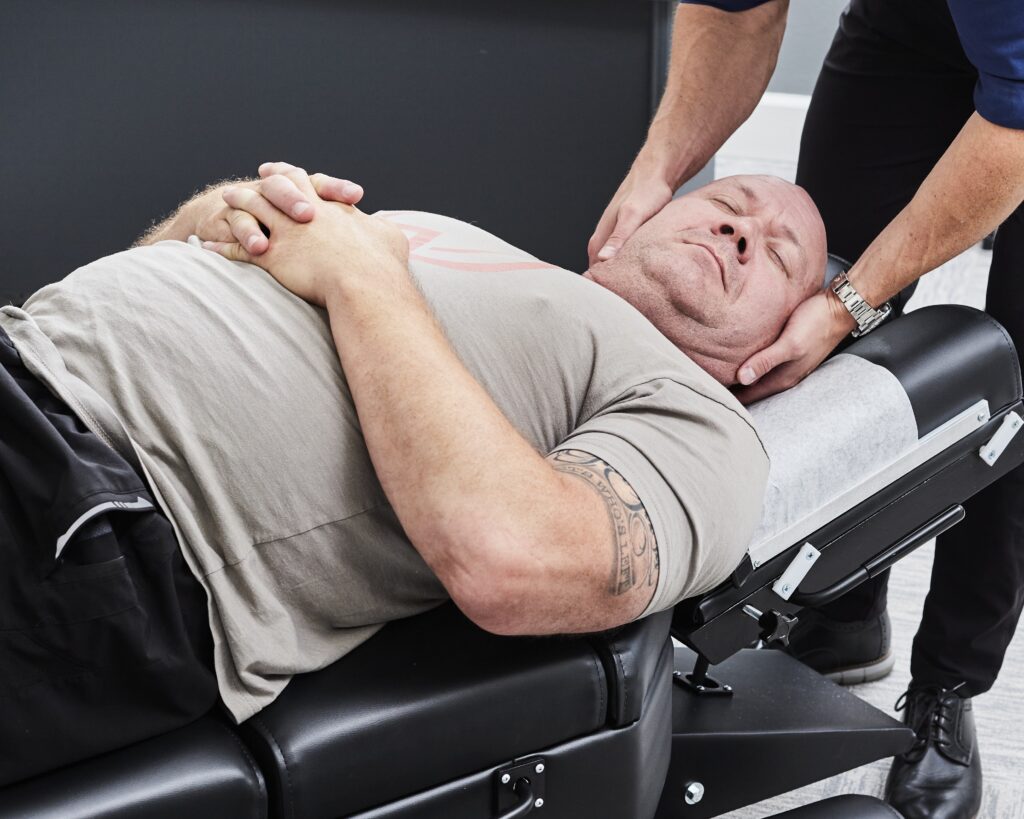
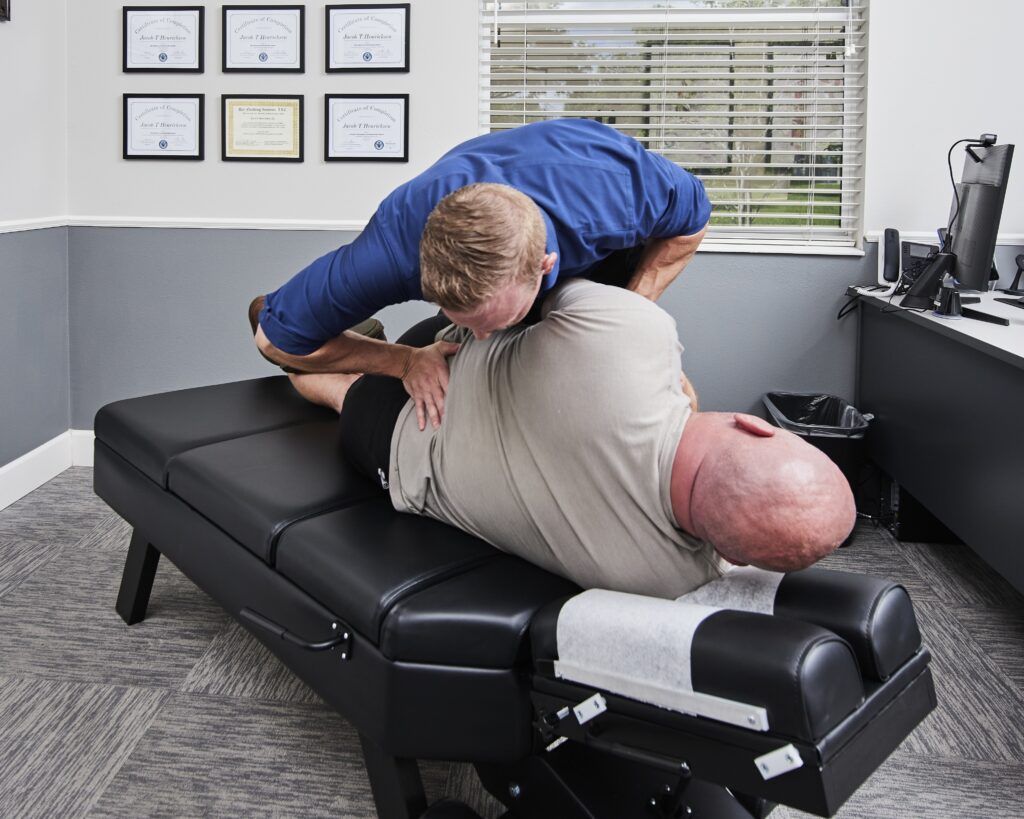
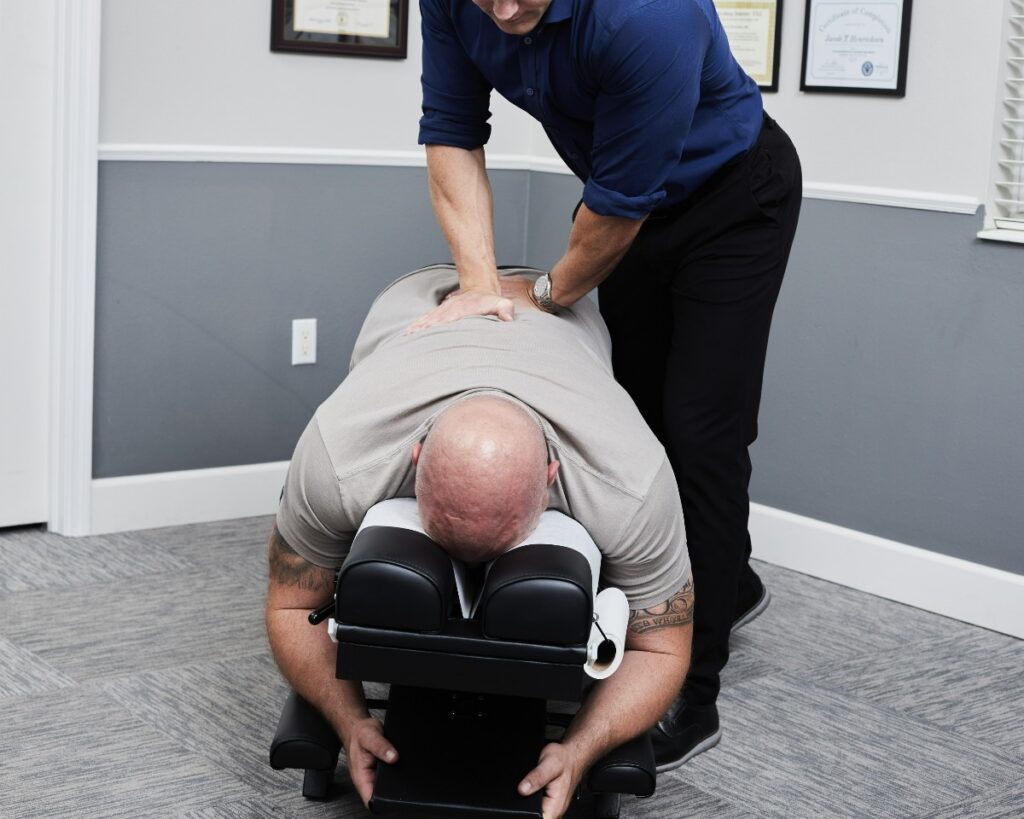
Another option is chiropractic care. A chiropractor can perform adjustments to align your spine, which may alleviate pain and improve mobility. Many people find this method beneficial, but it's important to discuss it with your healthcare provider first.
You might also explore alternative therapies such as acupuncture or massage. Both have shown promise in reducing back pain for many individuals. Acupuncture involves inserting thin needles into specific points on your body, while massage therapy works to relieve muscle tension and improve circulation.
For those seeking immediate relief, heat and cold therapy can be effective. Applying a heating pad or ice pack to the affected area may help decrease pain and inflammation.
Lastly, consider incorporating gentle stretches or yoga into your routine. These practices can enhance flexibility and strengthen your core, which offers long-term support for your back.
Preventative Measures to Implement
You've likely heard that prevention is better than cure, and this holds true for back pain. Taking proactive steps can greatly reduce your risk of experiencing pain, allowing you to enjoy a more active and comfortable life.
Here are some practical measures to implement in your daily routine:
- Maintain good posture: Whether you're sitting at a desk or standing, pay attention to your body alignment. Keep your back straight, shoulders back, and feet flat on the ground. This simple adjustment can make a big difference.
- Stay active: Engaging in regular exercise strengthens your core muscles and improves flexibility. Aim for activities like walking, swimming, or yoga to keep your back healthy and strong.
- Lift properly: When lifting heavy objects, bend your knees and keep the load close to your body. Avoid twisting your torso while lifting, as this can strain your back.
- Invest in a quality mattress: Your bed plays a crucial role in how well you sleep and how your back feels. Choose a mattress that provides proper support for your spine, and replace it if it's sagging or worn out.
Incorporating these preventative measures into your lifestyle can go a long way in keeping back pain at bay.
When to Seek Professional Help
Even with the best preventative measures in place, back pain can still occur. It's essential to recognize when it's time to seek professional help. If your back pain persists for more than a few days or intensifies, don't ignore it. Pain that disrupts your daily activities or sleep is a signal that something may be wrong.
Pay attention to additional symptoms. If you experience numbness, tingling, or weakness in your legs, it's time to consult a healthcare professional. These could indicate nerve compression or other serious issues that require immediate attention.
Similarly, if your pain is accompanied by unexplained weight loss, fever, or bowel or bladder dysfunction, you shouldn't hesitate to seek medical advice.
If you've tried over-the-counter pain relief, rest, or gentle exercise without improvement, it's time to reach out to a doctor or physical therapist. They can help determine the underlying cause of your pain and recommend appropriate treatments.
Finally, if your pain follows a traumatic event, such as an accident or a fall, get checked out right away to rule out fractures or other serious injuries.
Remember, you know your body best. Trust your instincts; if something feels off, it's better to err on the side of caution. Seeking professional help early can lead to quicker recovery and prevent further complications down the line.
Don't let back pain control your life—take action when you need it most.
Conclusion
In summary, cracking the mystery of back pain is all about understanding its causes and taking proactive steps. By improving your posture, addressing lifestyle factors, and considering medical conditions, you can ease discomfort and enhance your quality of life. Stay informed about the latest research and explore effective treatments, but don't hesitate to seek professional help when needed. With the right approach, you can regain control over your back health and enjoy a more active, pain-free life.