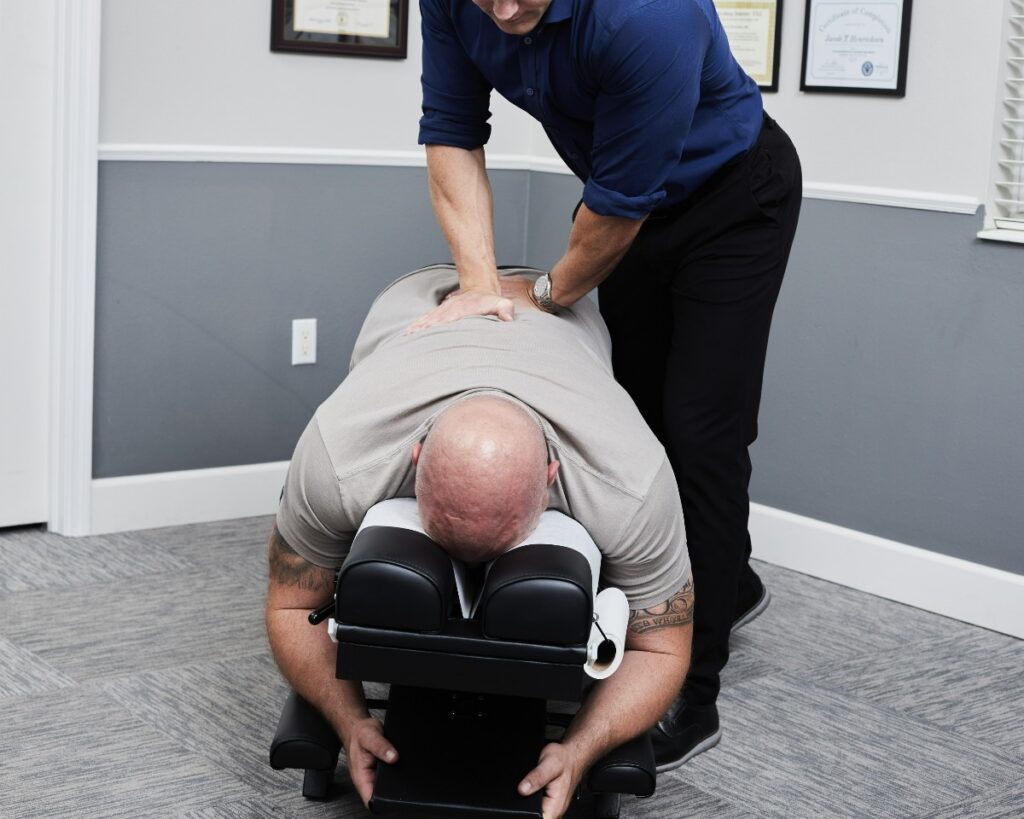

If you're dealing with chronic pain, you might be searching for natural ways to find relief. Managing this type of discomfort can feel overwhelming, but there are several effective strategies you can incorporate into your daily routine. From practicing mindfulness meditation to exploring herbal remedies, these approaches can help shift your experience of pain. You'll also want to contemplate other methods that could enhance your well-being and ease your symptoms. Curious about how these techniques can work together for better outcomes? Let's explore them further.
Practice Mindfulness Meditation
Many people find that practicing mindfulness meditation can greatly reduce their chronic pain. By focusing your mind and cultivating awareness, you can change how you perceive pain and your emotional response to it. When you sit quietly, paying attention to your breath or the sensations in your body, you're training yourself to remain present. This practice helps you detach from the pain, allowing you to observe it without judgment.
Start by finding a comfortable position, whether sitting or lying down. Close your eyes and take deep breaths, letting each inhale fill your lungs and each exhale release tension. As thoughts arise, acknowledge them without getting caught up in them. Gently guide your focus back to your breath or the sensations in your body. This practice acts as a mental reset, helping you create distance from the pain.
Research shows that regular mindfulness meditation can lead to decreased pain perception and improved coping skills. It's not about eliminating pain but rather changing your relationship with it. You'll likely find that the pain feels less overwhelming as you learn to accept its presence without fear or resistance.
Set aside time each day to practice. Even just a few minutes can make a difference. By integrating mindfulness meditation into your routine, you're giving yourself tools to manage chronic pain more effectively. It's a natural, empowering approach that puts you in control.
Explore Herbal Remedies
When it comes to managing chronic pain, herbal remedies can be a powerful option.
You'll want to explore popular choices like turmeric and ginger, while also keeping dosage and safety in mind.
Understanding these factors will help you make informed decisions for your pain management journey.
Popular Herbal Options
Herbal remedies offer a natural approach to managing chronic pain, and several popular options have gained attention for their effectiveness. One of the most well-known is turmeric, which contains curcumin, a compound with powerful anti-inflammatory properties. You can easily incorporate turmeric into your diet, whether in food or as a supplement.
Another strong contender is ginger, often used for its anti-inflammatory and analgesic effects. Adding fresh ginger to your meals or sipping ginger tea can help alleviate discomfort.
Likewise, willow bark has been used for centuries to treat pain and is sometimes referred to as "nature's aspirin." This herbal remedy may help reduce pain and inflammation, making it worth considering.
Boswellia, commonly known as frankincense, is also gaining popularity for its potential to relieve arthritis pain. Its anti-inflammatory properties can support joint health.
Finally, consider using devil's claw, which has been researched for its effectiveness in reducing lower back pain and arthritis symptoms.
Before trying any herbal options, it's important to research and understand how each one might work for you. You'll find that these natural remedies can provide a valuable addition to your pain management toolkit.
Dosage and Safety Tips
Before diving into herbal remedies, it's vital to understand the right dosages and safety precautions to guarantee their effectiveness and minimize risks. Start by consulting a healthcare professional, especially if you're on other medications or have existing health conditions. They can help you determine the appropriate dosages tailored to your needs.
When using herbal remedies, follow the recommended dosages on product labels or those advised by your healthcare provider. Remember, more isn't always better; taking excessive amounts can lead to adverse effects. For example, while turmeric is known for its anti-inflammatory properties, taking too much can upset your stomach.
It's also important to evaluate the quality of the herbal products you choose. Opt for reputable brands that have undergone third-party testing to assure purity and potency. Keep an eye out for any potential allergens or interactions with other medications you may be taking.
Lastly, monitor your body's reactions closely. If you experience any unusual symptoms or side effects, discontinue use and consult your healthcare provider immediately. This way, you can safely explore the benefits of herbal remedies while minimizing potential risks.
Incorporate Regular Exercise
Incorporating regular exercise into your routine can notably help manage chronic pain.
Focus on low-impact activities like walking, swimming, or yoga, as they're easier on your body.
Consistency is key, so aim to move a little every day to build strength and flexibility over time.
Low-Impact Activities
Engaging in low-impact activities can be a game changer for managing chronic pain. These exercises, such as walking, swimming, or cycling, allow you to stay active without putting excessive strain on your body. When you choose low-impact options, you reduce the risk of aggravating your pain while still reaping the benefits of physical activity.
You might find that low-impact activities help improve your flexibility, strength, and overall well-being. They can boost your mood and energy levels, making it easier to cope with daily challenges.
Plus, these activities encourage blood circulation, which can aid in pain relief and healing.
Consider starting with just a few minutes a day and gradually increasing your duration as you feel more comfortable. You don't need to push yourself too hard; the goal is to find a routine that works for you.
Joining a local class or club can also provide social support and motivation, making it more enjoyable to stick with your low-impact activities.
Consistency Is Key
Finding a routine that includes regular exercise is essential for managing chronic pain effectively. Consistent movement helps to strengthen muscles, improve flexibility, and boost endorphin levels, all of which can alleviate your pain.
To get started, consider these three key points:
- Set Realistic Goals: You don't need to run a marathon. Aim for short, manageable sessions, like 10-15 minutes of walking or gentle stretching, and gradually increase the intensity and duration as you build stamina.
- Choose Activities You Enjoy: Exercise doesn't have to feel like a chore. Whether it's swimming, yoga, or dancing, find something that excites you. If you enjoy it, you're more likely to stick with it long-term.
- Schedule Your Workouts: Treat your exercise sessions like important appointments. Consistency is key, so try to work out at the same time each day. This routine can help you develop the habit and make it a part of your daily life.
Adjust Your Diet
A well-balanced diet can greatly impact your experience with chronic pain. By focusing on the right foods, you can reduce inflammation, boost your energy, and improve your overall well-being. Start by incorporating more anti-inflammatory foods into your meals. Leafy greens, fatty fish like salmon, nuts, and berries are excellent choices. These foods contain essential nutrients that help combat inflammation and support your body's healing processes.
You'll also want to be mindful of processed foods and refined sugars. These can exacerbate inflammation and may lead to increased pain. Instead, opt for whole grains, legumes, and healthy fats like olive oil. Staying hydrated is equally important, so make sure you're drinking enough water throughout the day. Dehydration can worsen pain and fatigue, making it harder for you to cope.
Consider portion sizes and listen to your body's hunger cues. Eating smaller, more frequent meals can help maintain your energy levels and prevent discomfort caused by overeating. You might also want to experiment with a food diary. Tracking what you eat and how it affects your pain can provide valuable insights and help you identify triggers.
Lastly, don't hesitate to consult with a nutritionist or healthcare provider who can guide you in making dietary adjustments tailored to your needs. By making these changes, you'll not only support your body but also take an active role in managing your chronic pain naturally.
Use Heat and Cold Therapy
When managing chronic pain, using heat and cold therapy can provide significant relief. This approach is simple, accessible, and can be tailored to your specific discomfort. Both heat and cold have their unique benefits, and knowing when to use each can enhance your pain management routine.
1. Heat Therapy: Applying heat helps to relax muscles and improve blood flow. It can relieve stiffness and soothe aching joints. You might use a heating pad, warm towel, or even take a hot bath to experience its soothing effects.
Just be cautious not to fall asleep with heat applied, as it can cause burns.
2. Cold Therapy: Cold packs can numb sharp pain and reduce inflammation. This method is particularly effective after physical activity or when you're experiencing a flare-up. You can use ice packs wrapped in a towel or even a bag of frozen vegetables.
Apply it for about 15-20 minutes at a time to avoid skin damage.
3. Alternating Heat and Cold: Sometimes combining both methods can maximize your relief. You can start with cold therapy to reduce swelling and then switch to heat to relax muscles.
This alternating approach can be particularly effective for chronic pain conditions.
Try Acupuncture
For centuries, acupuncture has been recognized as an effective method for managing chronic pain. This ancient practice involves inserting thin needles into specific points on your body, stimulating energy flow and promoting healing. If you're dealing with ongoing pain, consider giving acupuncture a try.
Research shows that acupuncture can help alleviate conditions like arthritis, back pain, and migraines. Many people find it beneficial because it addresses not just the pain, but also the underlying imbalances that contribute to discomfort. When you visit a licensed acupuncturist, they'll evaluate your unique situation and tailor the treatment to your needs.
During your session, you'll likely lie down comfortably while the practitioner gently inserts needles. While it may sound intimidating, most people report little to no pain during the process. In fact, many experience a deep sense of relaxation, which can help ease tension and stress that often accompany chronic pain.
It's essential to maintain open communication with your acupuncturist. Share your pain levels, any changes you notice, and your overall experience. This feedback allows them to adjust your treatment accordingly, enhancing the benefits.
Acupuncture isn't a one-time fix; it often requires multiple sessions for best results. Be patient and give it time. Many people find that after a series of treatments, they experience significant relief and improved overall well-being.
Prioritize Sleep Hygiene
Good sleep hygiene can greatly impact your ability to manage chronic pain. When you prioritize your sleep, you're not just giving your body rest; you're also allowing it to heal and recover.
Poor sleep can heighten your pain sensitivity, making it essential to establish a consistent routine that promotes restorative sleep.
Here are three key strategies to enhance your sleep hygiene:
- Create a Relaxing Environment: Your bedroom should be a sanctuary. Keep it dark, quiet, and cool to encourage restful sleep. Consider using blackout curtains and white noise machines if necessary.
- Establish a Consistent Sleep Schedule: Try to go to bed and wake up at the same time every day, even on weekends. This routine helps regulate your body's internal clock, making it easier to fall asleep and wake up refreshed.
- Limit Screen Time Before Bed: The blue light emitted by screens can interfere with your natural sleep cycle. Aim to unplug at least an hour before bedtime. Instead, engage in calming activities like reading or gentle stretching.
Conclusion
By integrating these natural strategies, you can take control of your chronic pain and improve your overall well-being. Practicing mindfulness, exploring herbal remedies, and staying active are all key steps in your journey. Don't forget the importance of a balanced diet, effective heat and cold therapy, and possibly acupuncture. Prioritizing sleep hygiene will also play an essential role in your recovery. Embrace these methods, and you'll be on your way to a more manageable and fulfilling life.