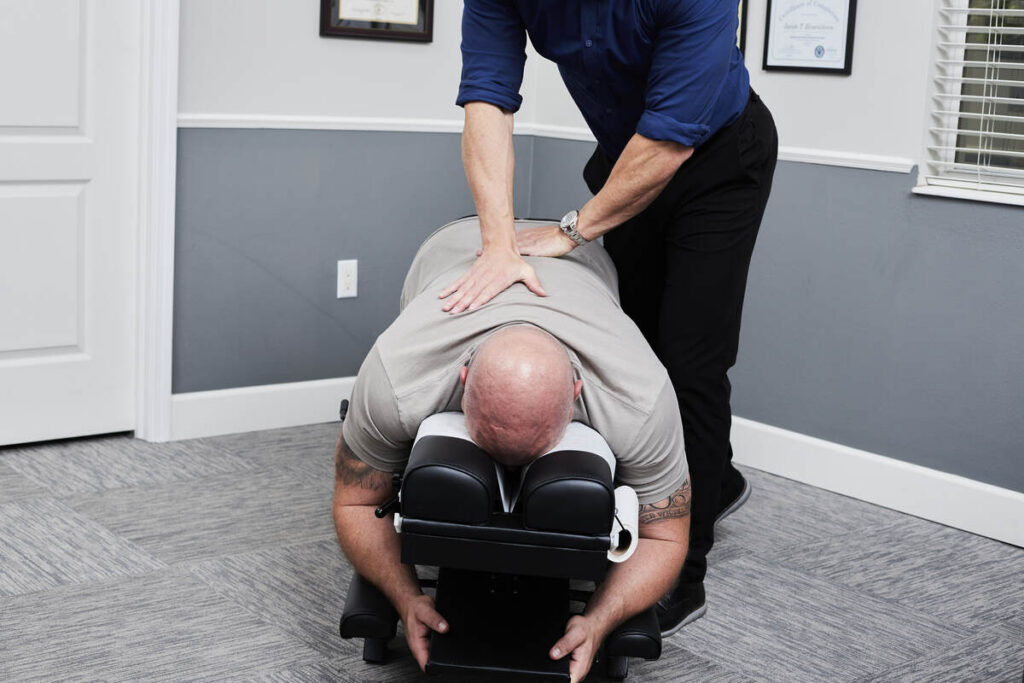
When you're living with chronic pain, finding effective ways to manage it naturally can feel overwhelming. You might be surprised to learn that simple lifestyle changes can make a significant difference. By incorporating gentle exercise, mindfulness, and a balanced diet, you can create a holistic approach tailored to your needs. Additionally, exploring therapies and community support can enhance your journey toward relief. Curious about the specific strategies that can help you reclaim control over your discomfort? Let's explore those tips further.
Stay Active With Gentle Exercise
Staying active is crucial for managing chronic pain, especially when you incorporate gentle exercises into your routine. You don't need to run marathons or lift heavy weights; instead, focus on low-impact activities that promote strength, flexibility, and endurance without putting too much strain on your body.
Start with walking. It's simple, can be done almost anywhere, and helps improve circulation. Just 10 to 15 minutes a day can make a difference. Gradually increase your time as you feel more comfortable.
Swimming is another excellent choice, as it allows you to move freely without the weight of gravity affecting your joints. Water-based exercises can be both soothing and effective.
Consider incorporating yoga or tai chi into your regimen. These practices emphasize gentle movements and deep breathing, promoting relaxation and mindfulness while improving your range of motion.
You'll also find that stretching is important; it helps prevent stiffness and enhances flexibility.
Listen to your body and know your limits. If an exercise causes discomfort, modify it or try a different one. Consistency is key, so aim to engage in gentle exercise most days of the week.
Not only will you find relief from pain, but you'll also boost your mood and overall well-being. Remember, staying active doesn't have to be a chore; find what you enjoy and make it a part of your daily life. Your body will thank you for it.
Explore Mindfulness and Meditation
Mindfulness and meditation can be powerful tools in managing chronic pain, offering techniques to help you cope with discomfort and stress. By focusing your attention on the present moment, you can change your relationship with pain, reducing its perceived intensity. Start by finding a quiet space where you can sit comfortably. Close your eyes, take a few deep breaths, and let your body relax.
Begin with mindfulness exercises. Pay attention to your breath as it flows in and out. If your mind wanders, gently redirect your focus back to your breathing. This simple practice helps you become more aware of your body and its sensations, allowing you to observe pain without judgment. Over time, you'll learn to notice pain without letting it dominate your thoughts.
Meditation can further enhance this practice. Try guided meditations specifically designed for pain management. Many apps and online resources provide audio sessions tailored to your needs. These meditations often incorporate visualization techniques, helping you imagine the pain dissipating and promoting a sense of calm.
Regular practice is key. Aim for just a few minutes each day, gradually increasing the time as you become more comfortable. Consistency will deepen your mindfulness skills, empowering you to manage pain more effectively.
Prioritize Healthy Nutrition
Healthy nutrition plays a significant role in managing chronic pain and can complement practices like mindfulness and meditation. When you prioritize a balanced diet, you provide your body with essential nutrients that can help reduce inflammation and promote overall well-being. Focus on incorporating whole foods, such as fruits, vegetables, whole grains, lean proteins, and healthy fats, into your meals.
Start by increasing your intake of anti-inflammatory foods. Foods rich in omega-3 fatty acids, like salmon, walnuts, and flaxseeds, can help decrease inflammation and pain. Leafy greens, berries, and spices like turmeric and ginger also have powerful anti-inflammatory properties.
Don't forget about hydration; drinking plenty of water is essential for maintaining joint health and reducing stiffness.
Pay attention to potential food sensitivities. Some individuals find that certain foods, like gluten or dairy, can exacerbate their pain. Keep a food diary to identify any patterns between what you eat and how you feel. This awareness can help you make informed dietary choices that support your pain management journey.
You might also consider smaller, more frequent meals instead of three large ones. This approach can help stabilize your blood sugar levels and prevent energy crashes, which may contribute to fatigue and discomfort.
Utilize Heat and Cold Therapy
Heat and cold therapy can be powerful tools in your chronic pain management arsenal. Both methods offer unique benefits, and knowing when to use each can greatly improve your comfort.
Heat therapy helps increase blood flow, relaxes muscles, and alleviates stiffness. You can apply heat through a heating pad, hot water bottle, or warm towel. Just make sure it's warm, not scalding. Use it for 15 to 20 minutes at a time, and listen to your body—if it feels too hot, remove it immediately.
On the other hand, cold therapy can effectively reduce inflammation and numb sharp pain. Ice packs or cold compresses are your best bets here. Apply them directly to the painful area for about 10 to 15 minutes. Always make sure to wrap ice packs in a cloth to protect your skin. Cold therapy is particularly useful after physical activity or during flare-ups.
You might find that alternating between heat and cold treatments yields the best results. Start with heat to relax muscles, then switch to cold to reduce swelling. This combination can tackle pain from multiple angles.
Remember to be consistent; regular use can enhance the effectiveness of both therapies. Experiment with both methods to see what works best for your specific type of pain. Keeping track of your responses can help you tailor your approach, ensuring that you stay in control of your chronic pain management.
Incorporate Herbal Remedies
Exploring natural approaches to manage your chronic pain can lead you to herbal remedies that have been used for centuries. These remedies can be effective in alleviating discomfort and enhancing your overall well-being.
Start by considering turmeric, a powerful anti-inflammatory herb. Curcumin, its active compound, may help reduce pain associated with conditions like arthritis. You can easily incorporate turmeric into your diet by adding it to meals or taking it as a supplement.
Another herb to explore is ginger, known for its anti-inflammatory properties as well. Whether you drink ginger tea or use it in cooking, you might find relief from pain and stiffness.
Additionally, Boswellia, often referred to as Indian frankincense, has shown promise in treating chronic pain, especially in inflammatory conditions. You can find it in capsule form at health food stores.
Don't overlook willow bark, which has been used for centuries as a natural pain reliever. It contains salicin, a compound similar to aspirin, and can be effective for conditions like back pain. As you explore these options, remember to consult with a healthcare professional, especially if you're on other medications.
Lastly, consider using herbal topical treatments, like arnica gel or cream, to target specific areas of pain. Apply it directly to sore muscles or joints for localized relief.
Establish a Consistent Sleep Routine
A consistent sleep routine can greatly improve your ability to manage chronic pain. Establishing a regular sleep schedule helps regulate your body's internal clock, making it easier for you to fall asleep and wake up. Aim to go to bed and rise at the same time every day, even on weekends. This consistency reinforces your sleep-wake cycle, enhancing the quality of your sleep.
Create a relaxing bedtime ritual to signal your body that it's time to wind down. Activities like reading, meditating, or taking a warm bath can help ease tension and prepare you for sleep.
Make your bedroom a sanctuary by keeping it cool, dark, and quiet. Consider using blackout curtains, earplugs, or a white noise machine to minimize disturbances.
Limit exposure to screens before bedtime, as the blue light emitted from devices can interfere with melatonin production. Instead, opt for calming activities that promote relaxation.
Additionally, be mindful of your diet. Avoid heavy meals, caffeine, and alcohol close to bedtime, as these can disrupt your sleep patterns.
Regular physical activity can also contribute to better sleep, but try to avoid vigorous exercise right before bed. Find a balance that works for you.
Seek Support From Others
Finding support from others can profoundly enhance your journey in managing chronic pain. When you connect with individuals who understand what you're going through, you can share experiences, coping strategies, and emotional comfort. This sense of community can alleviate feelings of isolation, reminding you that you're not alone in your battle.
Consider reaching out to friends and family. Open up about your pain and what you're experiencing. You might be surprised by how willing they're to listen and help. Having someone to talk to can greatly lighten your emotional load.
If you find it challenging to discuss your pain with loved ones, look for support groups, either online or in person. These groups often consist of people who share similar struggles, offering a safe space to express yourself freely.
Additionally, don't underestimate the value of professional support. A therapist or counselor can provide you with tools to cope with the psychological aspects of chronic pain. They can help you navigate feelings of frustration, anxiety, or depression that often accompany chronic conditions.
You can also explore local community resources, such as workshops or classes focused on chronic pain management. Engaging with others in these settings can foster friendships and provide valuable insights.
Conclusion
By incorporating these natural strategies into your daily routine, you can take charge of your chronic pain management. Staying active, practicing mindfulness, and nourishing your body with healthy foods can make a significant difference. Don't underestimate the power of heat and cold therapy or herbal remedies, and remember to prioritize sleep and seek support from others. With commitment and consistency, you can enhance your well-being and find relief from chronic pain.