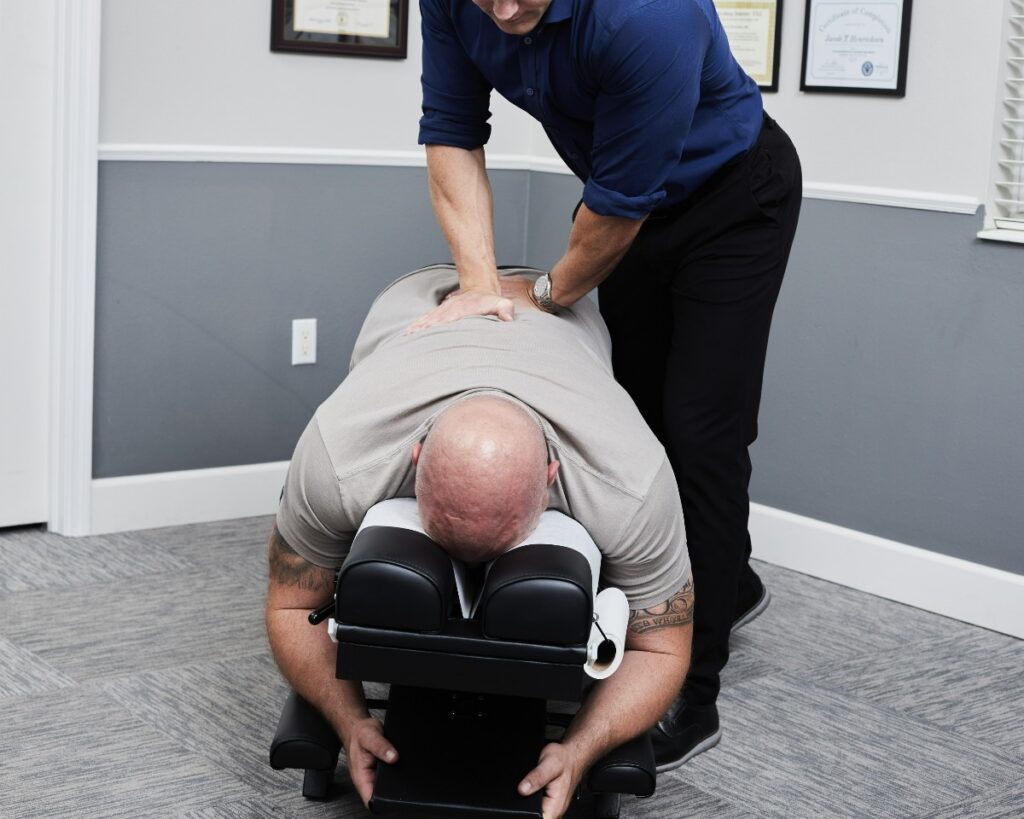
Chronic back pain can greatly impact your daily life, but there are natural ways to find relief. You might not realize that simple changes, like incorporating gentle stretching and improving your posture, can make a difference. Engaging in strength training and exploring mindfulness techniques may also contribute to your overall well-being. Additionally, using heat and cold therapy can provide immediate comfort. Curious about how these tips can transform your experience with back pain? Let's explore each one and discover the benefits they can offer.
Practice Gentle Stretching
Gentle stretching can be a game-changer for chronic back pain relief. When you incorporate stretching into your daily routine, you'll find that it helps alleviate tension in your muscles and improves your overall flexibility. This doesn't just feel good; it directly impacts the way your back functions.
Start with simple stretches that target the muscles around your spine. For instance, try a cat-cow stretch. Get down on all fours, alternating between arching your back upwards and lowering it downwards. This movement gently mobilizes your spine and can ease stiffness. Don't rush; take your time, allowing your body to adjust to each position.
You might also enjoy the benefits of a child's pose. Sit back on your heels and extend your arms forward on the floor. This position helps to elongate your spine and release built-up tension. Hold each stretch for at least 15 to 30 seconds, breathing deeply as you do so. Focus on how your body feels; you'll start noticing areas of tightness that need extra attention.
Incorporating gentle stretching into your day, even for just a few minutes, can greatly improve your comfort levels. Make it a habit—consider doing it first thing in the morning or right before bed.
Over time, you'll likely find that your back pain decreases, allowing you to move more freely and engage in daily activities with greater ease.
Improve Your Posture
Slouching over screens or hunching while sitting can wreak havoc on your back health. You mightn't realize it, but poor posture can contribute greatly to chronic back pain. To alleviate discomfort and improve your overall well-being, it's crucial to pay attention to how you hold your body throughout the day.
Start by evaluating your workspace. If you spend long hours at a desk, make sure your chair supports your lower back. Your feet should rest flat on the floor, and your knees should be at a right angle. Adjust your computer screen so it's at eye level, preventing you from leaning forward or looking down. You can also use a standing desk to change your position throughout the day, reducing the strain on your back.
When you're walking, keep your shoulders back and head held high. Imagine a string pulling you upwards from the top of your head. This simple visualization can help you maintain an upright posture. Additionally, when sitting or standing, engage your core muscles to provide better support for your spine.
Remember to take breaks and move around every hour. Stretching your body helps to reset your posture and reduce tension.
While you may not notice the effects right away, consistently practicing good posture can lead to considerable long-term relief from chronic back pain. By being mindful of how you present yourself physically, you're taking an important step towards a healthier back and a more comfortable life.
Incorporate Strength Training
Strength training can be a game-changer for managing chronic back pain. By building strength in your core, back, and legs, you create a solid foundation that supports your spine and improves your overall stability. This added strength can alleviate some of the pressure on your back, reducing pain and discomfort.
Start by incorporating exercises that target key muscle groups. Focus on your core muscles, including your abdominal and oblique muscles, as they play an essential role in supporting your spine. Think planks, bridges, and abdominal exercises.
Don't neglect your back muscles; try rows, deadlifts, and reverse flys to strengthen the upper and lower back. Additionally, leg exercises like squats and lunges can enhance your lower body strength, which is fundamental for maintaining balance and reducing strain on your back.
It's important to begin slowly and pay attention to your body's signals. If you experience pain during any exercise, stop immediately and consult a professional. Consider working with a physical therapist or a certified trainer who can tailor a program specifically for you, ensuring proper form and technique.
Aim for two to three strength training sessions a week, gradually increasing the intensity as your strength improves. Consistency is key; as you build muscle, you'll likely notice a decrease in your back pain and an increase in your overall mobility.
Explore Mindfulness Techniques
Incorporating mindfulness techniques into your daily routine can greatly enhance your ability to manage chronic back pain. Mindfulness helps you develop a deeper awareness of your body and pain levels, allowing you to respond rather than react to discomfort.
By practicing mindfulness, you create space to observe your thoughts and feelings without judgment, which can lead to better pain management.
Here are some effective mindfulness techniques you can try:
- Meditation: Set aside a few minutes each day to sit quietly, focusing on your breath. This helps calm your mind and reduce stress, which can exacerbate pain.
- Body Scan: Lie down comfortably and mentally scan your body from head to toe. Acknowledge areas of tension or pain without trying to change them.
- Mindful Movement: Engage in gentle activities like yoga or tai chi. These practices combine movement with mindfulness, promoting relaxation and flexibility.
- Breathing Exercises: Practice deep, slow breaths to help ease tension. Inhale deeply through your nose, hold for a moment, and exhale slowly through your mouth.
- Gratitude Journaling: Each day, write down a few things you're grateful for. This shifts your focus away from pain and fosters a positive mindset.
Utilize Heat and Cold Therapy
When managing chronic back pain, utilizing heat and cold therapy can be incredibly effective. These two methods can help alleviate pain, reduce inflammation, and promote healing in your back muscles.
Start with cold therapy. Applying an ice pack or a bag of frozen vegetables wrapped in a towel to your back for 15-20 minutes can numb the area, reducing pain and swelling. Cold therapy is particularly useful right after an injury or during a flare-up, as it constricts blood vessels and minimizes inflammation.
Just remember to give your skin a break between applications to avoid frostbite.
On the other hand, heat therapy can help relax and soothe stiff muscles. You can use a heating pad, hot water bottle, or warm towel, applying it to the affected area for about 15-20 minutes. Heat increases blood flow, promoting healing and easing tension.
It's particularly helpful before engaging in physical activities or stretches, as it helps to loosen tight muscles.
You can also alternate between heat and cold therapy. Start with cold to reduce inflammation, then switch to heat for relaxation. This combination can be particularly soothing and effective in managing chronic back pain.
Always listen to your body. If one method feels better than the other, stick with what works.
Conclusion
By incorporating these five tips into your daily routine, you can take significant strides toward relieving chronic back pain naturally. Gentle stretching, improved posture, strength training, mindfulness techniques, and heat and cold therapy work together to enhance your overall well-being. Remember, consistency is key, so make these practices a regular part of your life. With time and dedication, you can experience a reduction in discomfort and enjoy a more active, pain-free lifestyle.