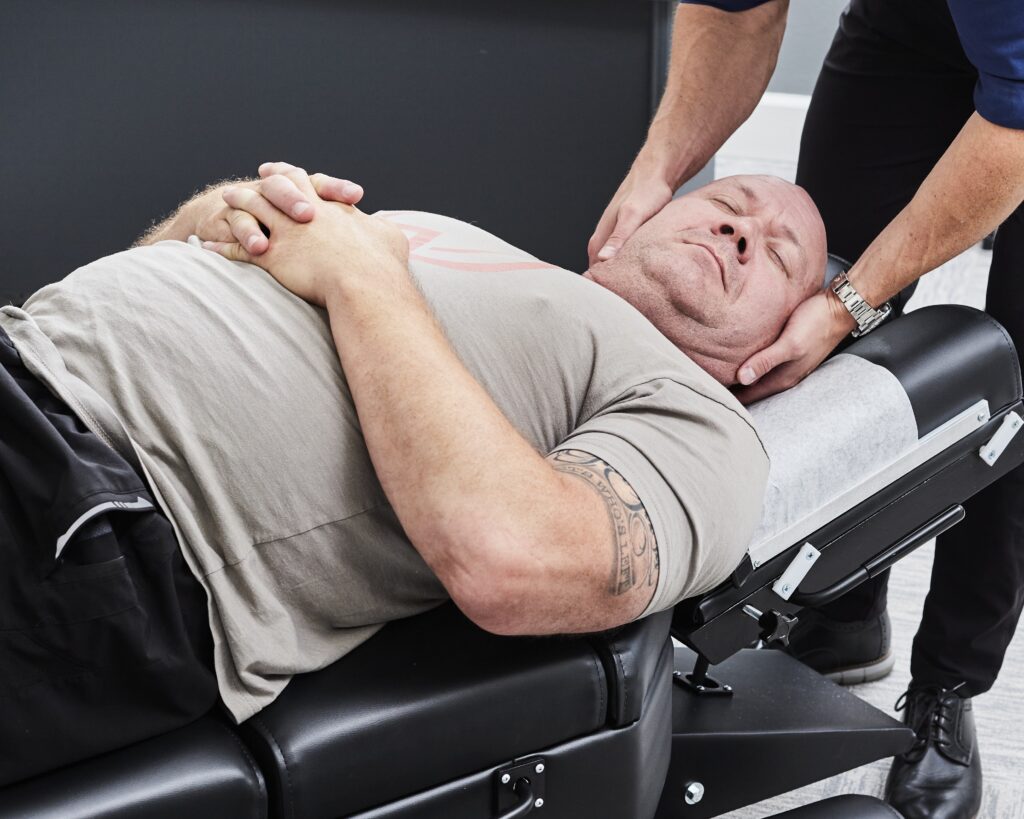

As a local chiropractor, I want to share with you how adopting a holistic approach can significantly enhance your athletic performance. It's not just about the hours you put into physical training; it's crucial to optimize your entire regimen, which includes nutrition and mental resilience. Many people overlook the importance of recovery techniques, but they can be game-changers in your performance journey.
Additionally, leveraging technology can provide insights into your body's mechanics and help you understand how to prevent injuries. Each of these components works together to support your overall success in sports and physical activities. By understanding their interconnections, you can unlock your full potential. Let's delve deeper into these techniques, and together, we can find the keys to help you surpass your limits naturally and effectively.
Optimize Your Training Regimen
As a local chiropractor, I want to help you optimize your training regimen to enhance your performance while prioritizing your overall well-being. One of the most important steps you can take is to set clear and achievable fitness goals. By breaking down your long-term objectives into smaller milestones, you not only track your progress but also keep your motivation high. This structured approach adds purpose to your workouts, making them more effective.
Incorporating a variety of workouts is also essential. Engaging in different training modalities—such as strength training, endurance exercises, and flexibility work—allows you to target various muscle groups while minimizing the risk of overuse injuries. Plus, mixing up your routine keeps things fresh and exciting, which is crucial for sustaining motivation over time.
Don't underestimate the importance of recovery. It's vital to schedule rest days and pay attention to your body's signals. If you're feeling fatigued or sore, it's perfectly okay to take a step back. Incorporating active recovery methods, such as light stretching or walking, can facilitate healing without interrupting your training regimen.
Monitoring your training intensity is another key factor. Tools like heart rate monitors or perceived exertion scales can help you gauge whether you're training at the right level. It's important to be mindful of the signs of overtraining, such as fatigue or stagnation in progress, as these can lead to burnout.
Lastly, I encourage you to keep a training log. Documenting your workouts not only helps you identify patterns in your training but also allows you to celebrate your achievements, no matter how small they may seem. This reflective practice can provide valuable insights into what works best for you and where adjustments may be needed.
As your chiropractor, I'm here to support you on your journey to optimal health and performance, ensuring that your training regimen is safe, effective, and aligned with your body's natural healing capabilities.
Focus on Nutrition
As a local chiropractor, I want to emphasize the vital role nutrition plays in supporting your overall health, athletic performance, and recovery. The foods you consume have a direct impact on your energy levels, stamina, and your body's ability to heal and perform optimally.
To enhance your physical capabilities, it's important to adopt a balanced diet that includes a variety of carbohydrates, proteins, and healthy fats.
Carbohydrates serve as your primary fuel source, so it's beneficial to include whole grains, fruits, and vegetables in your meals. These nutrient-dense foods provide the energy necessary for both your workouts and daily activities.
Protein is crucial for muscle repair and growth, especially after physical exertion. Incorporating lean meats, fish, eggs, beans, and legumes can significantly aid your recovery after intense exercise.
Additionally, don't overlook the importance of healthy fats. Foods like avocados, nuts, and olive oil are rich in essential fatty acids that help reduce inflammation and promote overall wellness.
Staying hydrated is another key component of good nutrition. Dehydration can negatively affect your physical performance and recovery, so it's important to drink plenty of water throughout the day. For longer training sessions or competitions, consider electrolyte-replenishing drinks to help maintain balance and support your performance.
Meal timing is also crucial. Try to eat a balanced meal two to three hours prior to your workout, and make it a habit to refuel with a combination of carbohydrates and protein within 30 minutes after exercising. This strategy ensures your body receives the nutrients it needs when it needs them most, aiding in recovery and enhancing your overall performance.
Enhance Mental Resilience
Mental resilience plays a crucial role in not just athletic performance but in everyday life as well. As a chiropractor, I often see the impact that mental toughness has on my patients' overall well-being. Building mental resilience involves cultivating a mindset that can effectively handle stress, setbacks, and the challenges that life throws our way.
One effective way to enhance your mental resilience is by setting specific, achievable health goals. Whether it's improving your posture, increasing your flexibility, or managing chronic pain, breaking these larger objectives into smaller, manageable milestones can be incredibly motivating. Celebrate each small victory, as this reinforces your belief in your ability to achieve your health goals.
Visualization can also be a powerful technique. Spend time imagining yourself successfully navigating tough situations, whether that's coping with pain, recovering from an injury, or maintaining a healthy lifestyle. This mental rehearsal can prepare you for real-life challenges, making them feel more manageable when they arise.
Incorporating mindfulness into your routine can be greatly beneficial as well. Techniques like meditation can help you stay present and focused, particularly during stressful situations. Whenever negative thoughts about your health or capabilities arise, counter them with positive affirmations that remind you of your strengths and past successes.
Additionally, surrounding yourself with a supportive network—whether that's family, friends, or healthcare providers—can foster resilience. Encouragement from those who understand your journey and share their own experiences can be incredibly uplifting.
Lastly, embrace challenges as opportunities for growth. Instead of fearing setbacks or difficulties, view them as stepping stones to improvement. Each challenge can teach you valuable lessons about your body and mind, ultimately strengthening your resolve.
Incorporate Recovery Techniques
As a local chiropractor, I want to emphasize the importance of incorporating effective recovery techniques into your training regimen for optimal athletic performance and overall well-being. Many people overlook recovery, but it's just as crucial as the workouts themselves. It's during the recovery phase that your body repairs muscles, replenishes energy stores, and builds strength.
First and foremost, prioritize sleep. Aim for 7-9 hours of quality rest each night. Proper sleep is vital for regulating hormones and facilitating recovery. If you find it difficult to sleep, consider establishing a calming bedtime routine or practicing relaxation techniques to improve your rest quality.
Nutrition plays a key role as well. After intense workouts, it's beneficial to consume a balanced meal rich in protein and carbohydrates within 30 minutes. This not only refuels your muscles but also kickstarts the recovery process. Additionally, staying hydrated throughout the day is essential to keep your body performing at its best, so be sure to drink plenty of water.
In my practice, I often recommend incorporating active recovery days into your routine. Gentle activities such as walking, yoga, or swimming can promote blood flow without adding strain to your body, aiding in recovery. Techniques like foam rolling and stretching are also effective in alleviating muscle tightness and enhancing flexibility.
Lastly, it's important to listen to your body. If you're feeling unusually fatigued or sore, don't hesitate to take a rest day. Ignoring these signals can lead to overtraining and injuries, which can significantly hinder your progress.
Utilize Technology and Analytics
As you explore recovery techniques, it's important to recognize the vital role that technology and analytics can play in enhancing your overall health and athletic performance. At our chiropractic clinic, we believe in using these tools to help you gain insights into your body's responses to various activities, allowing you to make informed decisions about your wellness journey.
Wearable technology, such as heart rate monitors and fitness trackers, can provide you with real-time data on how your body reacts during physical activities. These devices can help you monitor important metrics like heart rate, sleep quality, and hydration levels. By analyzing this data, you can uncover areas where improvements are needed and adjust your training or recovery practices accordingly.
For instance, if you notice your heart rate is elevated during specific exercises, it might be time to rethink your intensity or recovery strategies.
Moreover, analytics software can assist you in tracking your performance over time. By documenting your workouts and recovery sessions, you can identify trends that reveal your strengths and areas for growth. This information is invaluable for setting realistic goals and customizing your training to enhance your performance while ensuring your body is supported properly.
Additionally, video analysis tools can be incredibly beneficial in assessing your technique in various sports or exercises. By reviewing footage of your movements, you can identify inefficiencies that may lead to discomfort or injury. This visual feedback can guide you in making precise adjustments to your form, ultimately helping you to perform better and reduce the risk of injury.
Incorporating technology and analytics into your training and recovery processes can significantly elevate your performance. By leveraging these resources, you're not just working harder; you're working smarter.
This approach ensures that you maximize every moment spent exercising or training, all while supporting your body's natural healing processes through chiropractic care.
Conclusion
As a local chiropractor, I want to share how incorporating these five techniques can significantly enhance your athletic performance. By optimizing your training regimen and focusing on balanced nutrition, you're not just fueling your body; you're supporting your overall health. Enhancing your mental resilience is crucial, and chiropractic care can play a vital role in helping you manage stress and improve focus.
Additionally, effective recovery techniques, including regular chiropractic adjustments, can help alleviate pain and improve mobility, allowing your body to recover more efficiently after workouts. Don't forget to leverage technology, whether it's using fitness apps or wearable devices, to track your progress and stay motivated.
It's essential to set achievable goals and celebrate your progress along the way. Stay dedicated to your health journey, listen to your body, and consider how chiropractic care can elevate your performance to new heights. Together, we can work toward optimizing your athletic potential through natural healing methods!