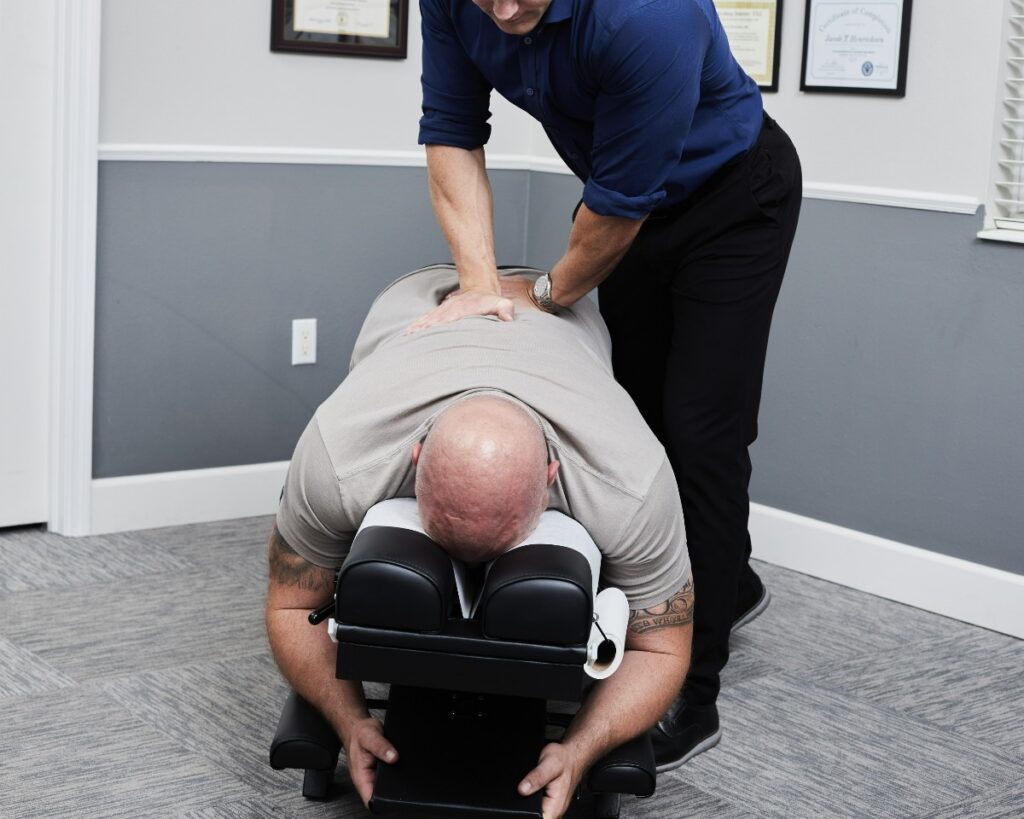
As a local chiropractor, I understand how debilitating chronic migraines can be, and I want to share some effective, natural approaches to help you find relief. By making some straightforward lifestyle adjustments, you can significantly improve your overall wellness and potentially reduce the frequency and intensity of your migraines.
First and foremost, establishing a consistent sleep schedule is crucial. Many people underestimate the impact that quality sleep has on their health, but it can play a vital role in migraine management. Additionally, staying well-hydrated is often overlooked, yet proper hydration can make a significant difference in how your body functions.
But these foundational steps are just the beginning. There are several other techniques and natural remedies that I often recommend to my patients that can further enhance your ability to manage migraines effectively. Are you interested in learning more about these strategies? Let's dive into the five best methods that may transform your migraine experience and promote a healthier, pain-free life.
Maintain a Consistent Sleep Schedule
As a local chiropractor dedicated to your overall well-being, I want to emphasize the importance of maintaining a consistent sleep schedule, especially if you're dealing with chronic migraines. Establishing a regular sleep routine can significantly decrease the frequency and intensity of your headaches. Your body thrives on routine, and sleep is a crucial aspect of that.
By going to bed and waking up at the same time every day, you help regulate your body's internal clock, which can lead to improved sleep quality—a vital component in managing migraines.
To create this consistent sleep schedule, start by selecting a target bedtime and wake-up time that allows for 7-9 hours of restorative sleep. It's important to stick to these times, even on weekends. Although it may be tempting to sleep in or stay up late, these inconsistencies can disrupt your sleep cycle and potentially trigger migraines.
I recommend establishing a calming bedtime routine to signal to your body that it's time to wind down. This can include gentle activities such as reading, stretching, or practicing mindfulness. It's also wise to avoid screens and stimulating activities at least an hour before bedtime, as the blue light emitted can hinder your ability to fall asleep.
Moreover, ensure that your sleep environment is conducive to rest—dark, quiet, and cool. Simple investments like blackout curtains, white noise machines, or a comfortable mattress can make a significant difference in your sleep quality.
If you're finding it difficult to fall asleep, consider incorporating relaxation techniques such as deep breathing or meditation into your routine.
By prioritizing a consistent sleep schedule, you're taking a natural step towards alleviating migraine symptoms and promoting your overall health. Remember, your body is a complex system, and supporting it with the right habits can lead to better outcomes.
If you have further questions about how chiropractic care can complement your journey to health, feel free to reach out!
Stay Hydrated
As a chiropractor dedicated to your overall well-being, I want to emphasize the crucial role hydration plays in managing chronic migraines. Many people don't realize that dehydration can trigger painful headaches or exacerbate existing ones. To help keep those migraines at bay, it's important to make it a daily practice to drink plenty of water. Aim for at least eight 8-ounce glasses a day, but remember to listen to your body. If you're more active or the weather is particularly warm, you may need to increase your intake.
Dehydration can sneak up on us more easily than we think. If you start to feel thirsty, that's your body's way of signaling that it needs more fluids. I recommend keeping a water bottle with you at all times, and setting reminders on your phone if you tend to forget to hydrate. Additionally, herbal teas and electrolyte-rich beverages can be beneficial, especially after exercise or on hot days.
Be mindful of the signs of dehydration, such as a dry mouth, fatigue, or dizziness, as these can all contribute to migraine flare-ups. Incorporating water-rich foods like cucumbers, oranges, and watermelon into your diet can also enhance your hydration levels while providing nourishment.
If you've increased your water intake and still experience migraines, consider keeping a log of your hydration levels alongside other potential triggers. This can help you identify patterns and develop a more tailored approach to managing your condition.
Incorporate Relaxation Techniques
As a local chiropractor, I often see patients who underestimate the impact of relaxation techniques on managing chronic migraines. Incorporating these methods into your daily life can significantly help reduce both the frequency and severity of your headaches. Techniques such as deep breathing, meditation, and progressive muscle relaxation not only lower stress levels but also create a sense of calm, which is crucial for migraine relief.
I encourage you to dedicate just a few minutes each day to practice deep breathing exercises. Find a quiet spot, sit comfortably, and take a deep breath in through your nose, allowing your abdomen to rise. Hold that breath for a moment, then exhale slowly through your mouth. This simple exercise can help center your thoughts and release built-up tension.
Another powerful tool is meditation. You don't need to be an expert to benefit; simply focus on your breath or repeat a calming mantra. Even dedicating five to ten minutes for mindfulness can greatly enhance your mental clarity and relaxation. If you're unsure where to start, consider using guided meditation apps that offer structured sessions specifically designed for stress relief.
Progressive muscle relaxation is also an excellent technique to try. This involves systematically tensing and then relaxing different muscle groups in your body. Begin at your feet and work your way up to your head, paying attention to the sensations as you release tension. This method not only promotes relaxation but also enhances your body awareness, which can be beneficial in managing pain.
While it may take some time to incorporate these relaxation techniques into your routine, the positive effects on your chronic migraines can be profound. So, take a moment each day to breathe, meditate, and unwind; your head will certainly appreciate it.
Modify Your Diet
As a local chiropractor dedicated to your overall well-being, I want to emphasize the significant role that a well-balanced diet can play in managing chronic migraines. What you consume can greatly affect your body's response to migraine triggers. I recommend starting with a food diary to help identify any specific foods that may be contributing to your migraines. Common triggers often include aged cheeses, processed meats, alcohol, and artificial sweeteners. By reducing or eliminating these items from your diet, you may notice a considerable improvement.
Instead, focus on incorporating whole, unprocessed foods into your daily meals. Fresh fruits, vegetables, whole grains, and lean proteins are packed with the essential nutrients that support your overall health and well-being. It's particularly beneficial to include foods rich in magnesium, such as spinach, nuts, and seeds, as they may help reduce the frequency of migraines for some individuals.
Additionally, staying well-hydrated is crucial; aim for at least eight glasses of water a day, as dehydration is a common trigger for migraines. Eating smaller, more frequent meals can also be helpful in maintaining stable blood sugar levels. Skipping meals can lead to energy drops that may trigger migraines, so I encourage you to establish a consistent eating schedule. If you find certain foods are consistently linked to your migraines, it's wise to avoid them altogether.
Lastly, I suggest considering an elimination diet under the guidance of a healthcare professional. This method can assist you in pinpointing specific food sensitivities and allow you to tailor your diet more effectively. By implementing these dietary changes, not only can you work towards alleviating your chronic migraines, but you also foster a healthier lifestyle overall, which is a key component of natural healing and wellness.
Explore Herbal Remedies
As a local chiropractor, I often encounter patients seeking natural ways to manage chronic migraines. Herbal remedies can be a valuable addition to your wellness routine, and I'd like to share some options that may help enhance your overall well-being.
One herb that has stood the test of time is feverfew. This plant has been utilized for centuries and is known for its ability to reduce the frequency and severity of migraines. You can easily incorporate it into your routine either in capsule form or as a soothing tea.
Another herb worth considering is butterbur. Studies indicate that it may help prevent migraines, making it a potential ally in your wellness journey. However, it's crucial to select a PA-free product, as some butterbur varieties can pose risks to liver health. You can find butterbur in both capsule and extract forms.
Ginger is another excellent option due to its anti-inflammatory properties, which may provide relief from migraine symptoms. You can enjoy ginger as a tea, in capsule form, or even fresh.
Additionally, peppermint is renowned for its calming effects and can be beneficial for easing headache tension, whether used as an essential oil or brewed into a tea.
Don't overlook the role of magnesium, which can be found in herbal supplements like chamomile and lemon balm. These herbs not only promote relaxation but may also assist in reducing the frequency of migraines.
Before embarking on any new herbal regimen, I always recommend consulting with a healthcare professional, particularly if you're currently taking medications.
Conclusion
As a local chiropractor, I want to share some effective natural strategies that can help alleviate chronic migraines. By incorporating these approaches into your daily routine, you may find a significant reduction in the frequency and intensity of your migraine episodes.
First, maintaining a consistent sleep schedule is essential for overall health and can play a crucial role in managing migraines. Additionally, staying hydrated is vital—dehydration can trigger headaches, so make sure to drink plenty of water throughout the day.
Practicing relaxation techniques, such as deep breathing or meditation, can also help calm the nervous system and reduce stress, which is often a contributing factor to migraines. Furthermore, modifying your diet by identifying and avoiding potential food triggers can be beneficial. Incorporating more whole foods, fruits, and vegetables can enhance your overall well-being.
Finally, exploring herbal remedies can offer additional support. Many people find relief from certain herbs, but it's important to consult with a healthcare professional to ensure they are safe and appropriate for you.
Remember, everyone's body responds differently, so it's crucial to listen to your own needs. As your chiropractor, I'm here to help you take charge of your health and guide you towards a life with fewer migraines. Let's work together to develop a personalized plan that suits your unique situation!