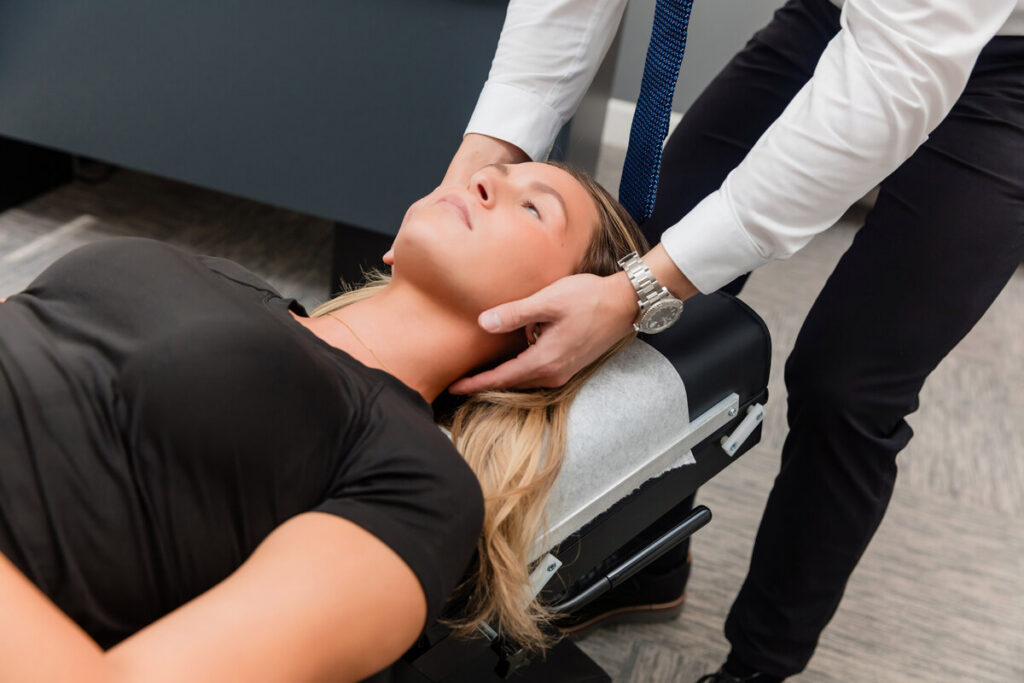
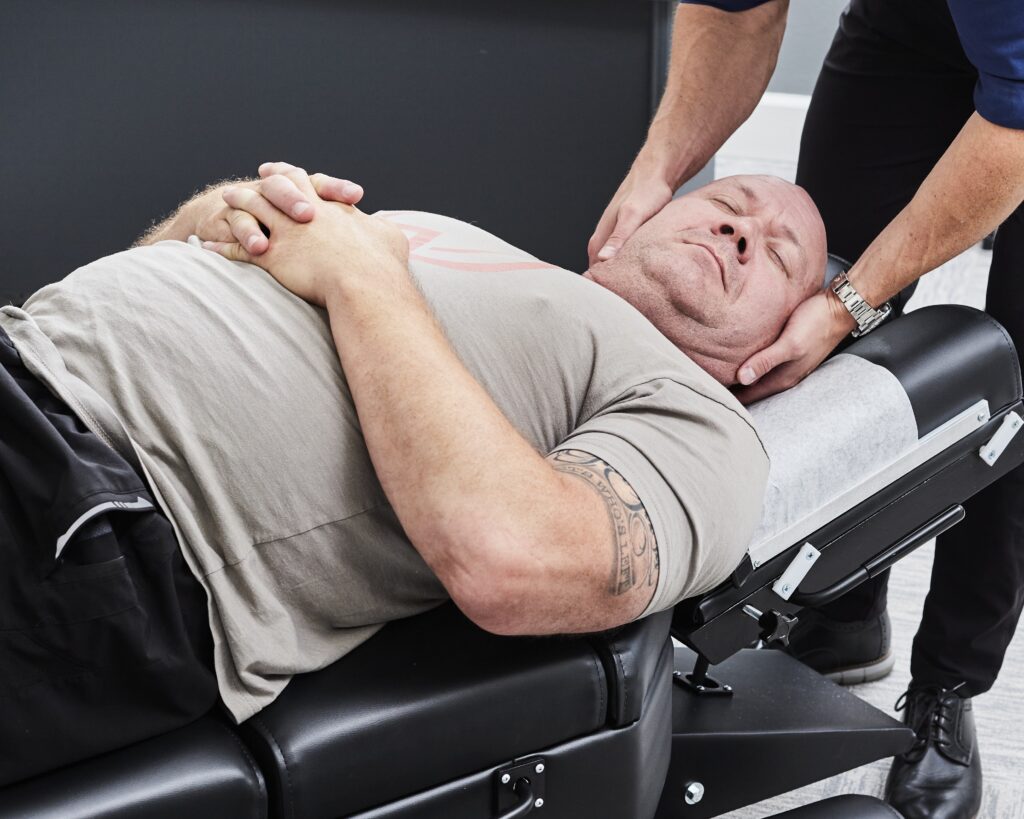
If you're experiencing back pain related to sports, it's important to take a proactive approach to your recovery. As a local chiropractor, I want to guide you through some essential steps that can help alleviate your discomfort. First, it's crucial to assess your technique in your sport; certain movements may be placing undue strain on your back. We can work together to identify any issues and make necessary adjustments.
Next, incorporating specific strengthening exercises into your routine can be beneficial for building a robust core, which supports your spine and reduces pain. I can provide you with personalized exercises tailored to your needs. Lastly, never underestimate the power of recovery. Adequate rest and proper nutrition are vital components of your healing process and can significantly impact your overall well-being.
But how can you effectively integrate these steps into your daily routine? Let's delve deeper into each aspect and create a comprehensive plan that works for you. Your journey to a pain-free life starts here!
Assess Your Technique
As a local chiropractor, I often see athletes who focus primarily on their performance outcomes, overlooking the importance of proper technique in their sports activities.
It's crucial to understand that analyzing your technique can significantly impact your overall health, particularly in preventing sports-related back pain. By maintaining proper form, you can alleviate unnecessary strain on your back, improve your efficiency, and enhance your performance.
To begin, I encourage you to break down your movements. Whether you're running, swimming, or participating in another sport, pay attention to how your body moves and identify areas where you may be overexerting yourself.
Recording videos of your practice sessions can be a valuable tool; it allows you to see any flaws in your technique that you might miss while in the moment. Watching your movements can help uncover misalignments or poor postures that contribute to stress on your back.
Seeking feedback from coaches or experienced teammates can also be beneficial. They may notice aspects of your technique that you might overlook. An external perspective can highlight issues that seem minor but could lead to significant problems over time.
Additionally, don't hesitate to consult with a professional like myself—a chiropractor who specializes in biomechanics. I can provide a thorough analysis of your movement patterns and offer personalized advice to help you improve.
As you assess your technique, it's important to keep an open mind. Sometimes, the habits that feel comfortable may actually be harmful. Be willing to adjust your movements for better alignment and efficiency.
Regularly reviewing and refining your technique is a proactive approach to preventing back pain and ensuring you continue to enjoy your sport. Ultimately, dedicating time to this process can lead to improved performance and better overall health, allowing you to stay active and pain-free.
Incorporate Strengthening Exercises
As your local chiropractor, I want to emphasize the importance of incorporating strengthening exercises into your routine to prevent sports-related back pain. These exercises do more than just improve your athletic performance; they also strengthen the muscles that support your spine, ultimately reducing your risk of injury.
By focusing on specific muscle groups, you can establish a solid foundation that promotes proper posture and alignment during any physical activity.
Let's start with core-strengthening exercises, as a strong core is essential for stabilizing your entire body. Simple exercises like planks, bridges, and abdominal crunches are excellent starting points. I recommend performing three sets of 10 to 15 repetitions for each of these exercises.
As your strength progresses, you can gradually increase the intensity. Remember to engage your core throughout these movements; this engagement is crucial for developing the muscles that protect your back.
It's also important not to neglect your lower back and glutes, as they play a significant role in maintaining spinal health. Incorporate exercises such as bird-dogs and deadlifts to effectively target these areas.
Additionally, for a well-rounded routine, don't forget to include upper body exercises like rows and push-ups, which help maintain overall stability and strength.
Flexibility is another key component, so I encourage you to pair your strengthening regimen with stretching exercises. Activities like yoga or Pilates can be wonderful options, as they not only improve flexibility but also reinforce your core strength at the same time.
Consistency is essential for achieving the best results. Aim to integrate these exercises into your routine at least two to three times a week.
Prioritize Recovery and Rest
As a chiropractor, I want to emphasize the importance of recovery and rest in your training regimen, particularly when it comes to preventing sports-related back pain. Many people feel tempted to push through discomfort and continue training, but it's crucial to listen to your body's signals. Ignoring these signals can lead to more serious issues down the line.
Prioritizing recovery means more than just taking a break; it's about allowing your muscles and spine the opportunity to heal and rebuild. I suggest incorporating regular rest days into your routine. These days are vital for muscle recovery and can help reduce inflammation.
On your rest days, consider engaging in low-impact activities, such as walking or gentle stretching, to maintain mobility without putting additional strain on your back. Remember, if you're feeling fatigued or are experiencing pain, don't hesitate to take an extra day off to allow your body the rest it needs.
Quality sleep is another critical component of your recovery plan. Aim for 7-9 hours of restorative sleep each night. Sleep is when your body does much of its repairing work, helping to reduce inflammation and improve muscle recovery.
Additionally, I encourage you to explore various recovery techniques. Methods such as foam rolling, massage, and physical therapy can relieve tension and enhance circulation, promoting faster recovery.
It's also essential to pay attention to your nutrition; a balanced diet rich in anti-inflammatory foods can significantly support your healing process.
Conclusion
As a local chiropractor, I want to share some valuable insights on how to alleviate sports-related back pain through natural healing methods. First and foremost, it's essential to assess your technique during physical activities. Proper form can significantly reduce the risk of injury. Additionally, incorporating core-strengthening exercises into your routine can provide better support for your spine, enhancing your overall stability.
Don't underestimate the importance of recovery. Balancing your workouts with sufficient rest and proper nutrition is crucial for your body's healing process. Remember, even small adjustments in your movements can lead to remarkable improvements in your comfort and performance.
Stay proactive about your health! If you're feeling persistent discomfort or are unsure about your technique, don't hesitate to seek professional guidance. As a chiropractor, I am here to help you on your journey to a stronger, pain-free athletic experience. Embracing these steps can lead you to a healthier, more active lifestyle.
I was referred to Dr Henricksen by my former chiropractor, for sciatic and lower back pain. He came up with a treatment plan that has been very successful. He and his staff have been great, friendly and accommodating to my schedule. Highly recommended!
My to go place to feel my best. I can go there daily. I feel so good after each session. Dr Jacob Henricksen explained the plan of action to follow, we did x rays to see what was bothering my back. Very professional and courteous. The whole overall experience is just so good. The office is clean and cool, the stretching beds are the best, most of the time I end up napping. Staff is so friendly, accommodating and prompt. I found them on social media and they were less than 10 minutes from my house and I’m so glad I did.
I honestly don’t even know where to start. I came in feeling like a “project from head to toe,” dealing with a lot of ongoing issues, and I wasn’t sure what to expect. From the very first visit, Dr. Henricksen at Crystal Grove Chiropractic has been the most gentle, kind chiropractor I’ve ever been to.<br>For the first time in a long time, I genuinely feel like there is light at the end of the tunnel with my health and body concerns.<br>Dr. Henricksen is not only professional and knowledgeable, but also incredibly patient and understanding. He truly takes his time, listens carefully, and explains exactly what needs to be done for real, sustainable healing.<br>I’m so grateful I found this practice. It’s rare to feel this heard and cared for in a medical setting, and I can honestly say I look forward to continuing my care here.
I came in with some pretty bad migraines and a lot of neck tension, and Dr. Henricksen really took care of it. He got right to the point, knew what he was doing, and after a few visits the headaches were gone completely. Haven’t had them since. Now I just go in every other week for regular adjustments to keep everything feeling good. Solid chiropractor, I’d definitely recommend him to anyone that gets migraines or headaches often.
5 stars all the way for Dr. Henricksen! Super knowledgeable, straight to the point, and actually fixes the problem and not just temporary relief. I walked in, in pain and left feeling instantly better. You can tell he really knows what he’s doing and cares about results. Easily the best chiropractor I’ve ever been to.
I've been going to Crystal Grove for about 2 months, i must say dr.H is awesome! Hes very professional, and listens. My neck and back are improving so much already! Inviting, modern, clean office.
First class business from the moment you are greeted at the door. For me it’s small things like there appointment notifications. They send you a reminder the day before and agai. 2 hrs prior. If something comes up you just send a text and they are so flexible and understanding. Then you have the actual appointment which was a great experience and I’ve been to a few chiropractors previously and this is the first one where he actually cares about getting you better. Just a great experience from top to bottom.
"I can’t recommend Dr Hendricksen and Staff over at Crystal Grove Chiropractic enough. After being in a car accident, I was struggling with neck and back pain that made daily life uncomfortable and difficult. From the very first appointment, they took the time to listen, explain the treatment plan, and provide adjustments that actually made a difference. Thanks to their expertise and care, I’m getting back on track. If you’re looking for someone who truly cares about your recovery, this is the place to go."
Dr. Henricksen is the best chiropractor I've ever been to, thorough, knowledgeable and clearly breaks down what is causing your symptoms and his recommendations for follow up care are excellent. Dasha at the front desk is very kind and accommodating. I highly recommend coming here if you are having any issues.
I came in with a very painful back and Dr. Jacob Henricksen fix me right up ever since my first initial visit i have been coming back to having my back healed again.
I had an excellent experience thanks to the chiropractic assistant at this office. From the moment I walked in, she was professional, organized, and incredibly attentive. She made sure I felt comfortable before, during, and after my treatment. Her knowledge and confidence in explaining the process helped ease my concerns and made everything run smoothly
Dr.Henrickson is great in listening to your problems and providing the right treatment plan. Very simplified process to get in and treated. Very reasonably priced as well. Our entire family is getting treated here.
I’ve seen firsthand the professionalism and great care Dr. Henricksen provides his patients. The office is always clean, welcoming, and well-run. His dedication truly stands out. Highly recommend!
Dr. Henrickson Is fantastic! The office is beautiful, conveniently located with plenty of parking, and the care for each patient is exceptional. Dr. Henrickson is so knowledgeable and professional and makes everyone feel like family.
Dr.Jacob is great, he’s been a crucial part of my recovery. I’ve torn my lcl, meniscus, labrum, and fractured multiple bones over the years. So I’m continuously working on myself and the amount of relief he provides is next to none. Highly recommend.
Crystal Grove Chiropractic is amazing!<br>I can’t say enough great things about Dr. Jacob at Crystal Grove Chiropractic. From the moment you walk in, you’re greeted with kindness and genuine care. The office is clean, welcoming, and runs on time — which I really appreciate.<br><br>After just a few visits, I noticed a huge improvement in my pain, mobility, and overall energy. Dr. Jacob takes the time to explain everything clearly and creates a treatment plan that actually works. You can tell he truly cares about helping patients feel their best, not just getting them in and out quickly.<br><br>If you’re looking for a chiropractor who is knowledgeable, compassionate, and results-driven, I highly recommend Crystal Grove Chiropractic. They’ve made such a positive difference in my health and well-being!
Dr. Jacob is amazing! He really takes the time to listen and make sure you’re comfortable, and his adjustments actually make a difference. I always leave feeling so much better, and he gives great advice for keeping your body feeling good in between visits. Super knowledgeable, professional, and just genuinely cares about his patients. Highly recommend!
Crystal Grove Chiropractic is amazing! Dr. Henrickson is incredibly thorough and takes the time to really listen and understand what’s going on. After just a few visits, my neck and back pain improved so much. The office runs smoothly—I’m always in and out but I never feel rushed. I leave every visit feeling better and well cared for. If you’re searching for an excellent chiropractic clinic, Crystal Grove Chiropractic is the place to go, and Dr. Henrickson is the one to see! Highly recommend!
I’ve never had a Doctor call me personally after a visit to see how I was feeling after he did some minor adjustments! Not only is he professional but made me feel at home and like I was in good hands! His practice looks amazing too! Down to earth but yet very knowledgeable! I highly recommend Dr. Henricksen!
Amazing, Amazing, Amazing!! Dr. Jacob truly cares about his patients and gets phenomenal results. This is the go to place in Lutz for neck pain, back pain, and headaches! I’ve sent practically my whole family in. Looking forward to continued care!
Dr. Henricksen is exceptional, and compassionate, reflecting both his skill and his patient-focused care.<br>He's very kind and professional.<br>I'm feeling so much better since my treatment and will continue with my future chiropractic maintenance with Dr.Henricksen.
Dr Henrikson is amazing,<br><br>I found Dr Jacob on his Facebook videos. I was in bad pain for about two and a half years with severe sciatic pain running down my right buttock and down my right leg. At times excruciating pain!!! I’m an avid golfer, I like to jog and also workout at the gym. Unfortunately I was in so much pain I had stopped jogging and working out and could barely swing a golf club.<br><br>After seeing Dr Jacob on Facebook I decided to set up a visit to see him. His video was very professional and he was very professional in his video on how he treats his patients. After my first visit I had NOTICEABLE relief from my sciatica. I had some residual soreness but not in pain with every step. I told my wife Linda how much better I was feeling after one visit and I wanted her to go visit Dr. Jacob for her back pain. And get treatment,<br><br>I scheduled a visit for both me and my wife. As this was my second appointment with Dr Henrikson (and Linda’s first), he again worked on my sciatic pain and after leaving his office for my second visit my sciatic pain is gone. I have not had any sciatic pain since that second visit!!!<br><br>My wife Linda LOVED her first visit and we signed up for a package of continued treatments.<br><br>Also I want to make a Note about Dr Jacob working with us on scheduling our appointments with him. My wife and I had to return to our home in California for 5 months for personal reasons and Dr. Henriekson is completely understanding and has worked with us on scheduling our future visits and when we return back to our New Port Richey Florida home so that we can resume our treatments. He’s the best!!!!<br><br>If you are in pain You need to go visit Dr Jacob Henriekson. He will walk you through how to get you healthy and feeling normal again and develop a plan that will work for you. He explains EVERY detail of what he is doing, and answers any questions you have.<br><br>MOST IMPORTANT - I feel like I made a friend in Dr Henriekson. And this is because I felt he genuinely cared about my wife Linda and Me. He even told us about a GREAT place to get breakfast near his office when we were finished with our treatments<br><br>This is the Best treatment I’ve ever had and Dr Henrikson REALLY CARES!!<br><br>Mitch Yanoska
Leaving this behalf of my wife Elizabeth, who has nothing but good things to say regarding her experience. The Doctor is pleasant and explains what's going on and is gentle in his treatment of her. She has felt relief from the tingling in her legs due to compression in her lower back discs and her issues with sciatica. She would recommend Dr. Hendrickson wholeheartedly.
Easy-going, fair, simple pricing, nice clean professional office. Bonus is separated, private treatment rooms compared to other chiropractors, so you don’t have to get adjusted or discuss your health concerns out in the open in front of everybody like other places.. New up-to-date equipment, with optional traction equipment treatment rooms Available also. Highly recommend. Easy to reach location off of Highway 41.
I have been to several other chiropractors but never one with a decompression table like at Crystal Grove Chiropractic. It has helped me tremendously in a short time. If you are looking for great service in helping you feel better, this is the place!
Absolutely impressed!!! Jason is so knowledgeable about our spines...learned a lot on my first visit. He went over my xrays, explained all, gave me advice on a plan to work on the problem areas to keep them in check...gave me options on pricing...overall it was a great experience....his technique is very gentle.....and my appts are quick and easy, basically no waiting!! If you want to see what is going on with your aches and pains, definitely recommend going to see him!!!!
I will start this review with two quick comments that will add context to my subsequent words.<br>1. I rarely take the time to write reviews. I believe that my words are my super power! My integrity is sacred and once lost, it’s almost impossible to get it back.<br>2. I have spent a good part of my career in the clinical setting and have had a healthy skepticism of chiropractic therapy in general.<br><br>That being said, I have been struggling with lower back pain and sciatica for many years. I have exhausted all other forms of treatment until my trainer at The Lutz Fit Body Boot Camp, Kristy Hess, recommended I consult with Dr. Jacob Henricksen, Chiropractor and owner of Crystal Grove Chiropractic.<br><br>I realized right at the beginning of our initial consultation that I was NOT speaking with the type of “traditional” chiropractor that left me skeptical when I was younger.<br>Dr. Henricksen is a consummate professional and outstanding clinician. He listened intently to my symptoms and past treatments, he gave me a thorough examination, he studied previous X-ray, MRI and CT reports. Dr. Henricksen also took his own X-rays of my lumbar spine so he could compare them to older images.<br><br>Dr. Henricksen began a treatment plan with me two months ago. Within the first two visits I have seen significant improvement in my pain as well as my range of motion and overall mobility. I highly recommend Dr. Henricksen to anyone who suffers from pain, stiffness, loss of mobility or has had to stop doing physical activity due to any of the aforementioned issues.<br><br>-John Ottinger-Lupis
I've had a fantastic experience with Dr. Jacob Henricksen at Crystal Grove Chiropractic. From the moment I walked in, I was welcomed with warmth and professionalism. Dr. Henricksen takes the time to listen carefully, explain treatments clearly, and genuinely cares about his patients' long-term wellness—not just quick fixes.<br><br>His approach is thoughtful, effective, and tailored to individual needs. After just a few visits, I noticed a significant improvement in both pain relief and mobility. The office is clean, calming, and well-organized, and he is consistently friendly and helpful.<br><br>If you're looking for a chiropractor who combines expertise, compassion, and a true dedication to patient care, I highly recommend Dr. Henricksen at Crystal Grove Chiropractic.
My first ever experience with chiropractic was with Dr. Henricksen last week and to say he's excellent is an understatement. You'll be hard pressed to find a nicer professional or office anywhere. He provided me a very comprehensive new patient consultation and explained everything to me in terms I could understand. I noticed he's also a graduate of one of the best chiropractic schools in the country and his midwestern roots make the friendliness of the practice even more exceptional. Definitely recommend.
Dr. Jacob is a fantastic chiropractor, but also a genuinely kind and honest person. You always feel welcomed and cared for from the moment you walk in. The office itself is absolutely beautiful—clean, calming, and thoughtfully designed, which makes every visit feel relaxing. If you’re looking for someone who truly listens and is committed to your well-being, this is the place to go. Highly recommend!
I search for a new Chiropractor near Wesley Chapel for quite a while. I came across Dr. Henricksen at Crystal Grove Chiropractic and found he had Graduated from Palmer Collage in Davenport Iowa. Davenport is across the Mississippi River from my hometown of Rock Island, Illinois. They are part of the Quad cities. Palmer has the best school for Chiropractic Education as Daniel David Palmer, the Great Great Grandfather of CEO Vicky Palmer invented it.<br>Dr, Henricksen is the most skilled, by far of all the different Chiropractors that I have gone to. Since I was 17 and now being 69, I have been treated by 7 different Dr's.<br>He handles all the paperwork for insurance, takes the x-rays and explains all the procedures I am going thru. What a wonderful experience I have, and I can't wait to continue my treatment to the road to recovery.
Dr. Jacob Henricksen has helped me through issues that all previous medical professionals were no help with. He took his time to listen to me and really understand what I was going through, and through that was able to diagnose and treat what was really going on with me. In a matter of months I went from daily migraines and nausea to NO SYMPTOMS. My biggest regret is not having gone to see him sooner. His professionalism and education has truly been a turning point in my life. He has helped me learn about my body and feel empowered about my health. Could not recommend enough!
Dr. Henricksen is the absolute best at what he does. His attentiveness and thoroughness are second to none. The office is very inviting and the service is top notch. Look no further for all of your chiropractic needs. 10/10 I cannot recommend this place enough!
I can’t say enough good things about Dr. Henricksen! The office is clean, calm, and professional, and he took the time to listen to my concerns and explain everything in a way I could easily understand. He genuinely wants to help you feel your best long-term and I highly recommend him!
I've been seeing Jacob at Crystal Grove Chiropractors for back pain and posture correction, and it's been an awesome experience so far. From the very first visit, Jacob was professional, knowledgeable, and made me feel comfortable. He took the time to explain everything clearly, and I’ve already started noticing real improvements in both my posture and daily pain levels.<br><br>I definitely recommend Jacob to anyone dealing with back issues or just looking to improve their overall spinal health. His approach is both thorough and tailored to your needs, and you can tell he genuinely cares about his patients’ well-being.<br><br>Five stars from me!