
Improving your flexibility doesn't have to be an intimidating task; you can start making meaningful changes today. By understanding your body's limits and incorporating both dynamic and static stretching, you'll lay the groundwork for greater mobility. Don't underestimate the power of hydration and nutrition, either; they're essential for muscle elasticity. Curious about how specific techniques like foam rolling and yoga can enhance your routine? You might be surprised by what you discover as you explore the key secrets that can transform your flexibility and overall well-being.
Understand Your Body's Limits
To improve your flexibility, it's crucial to understand your body's limits. Recognizing what your body can handle is the first step toward making real progress. Each person has unique anatomical features, like muscle length and joint structure, which influence how flexible you can become.
Start by evaluating your current range of motion. Take note of how far you can stretch without pain. This awareness will guide you in setting realistic goals.
Listen to your body during each stretch. If you feel sharp pain or discomfort, stop. Pushing through pain can lead to injuries, counteracting your flexibility efforts. Instead, aim for a gentle pull on your muscles, which indicates you're working within a safe range.
It's also helpful to track your progress over time. This way, you can see improvements and make adjustments to your stretching routine.
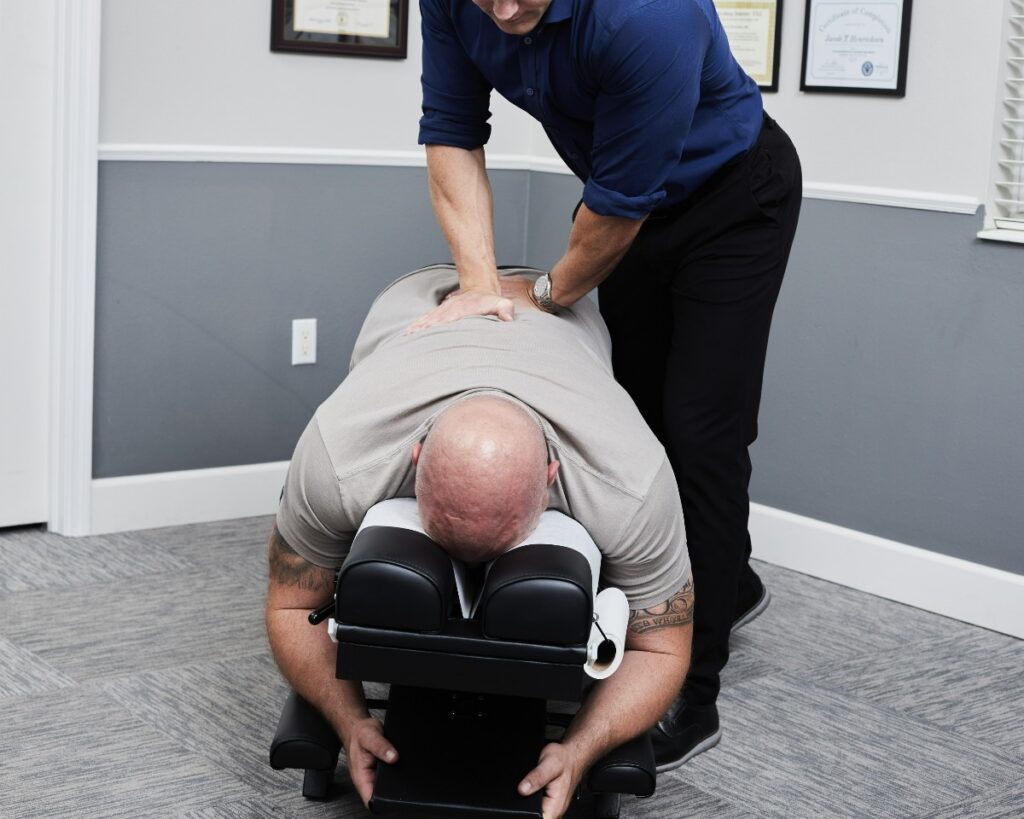
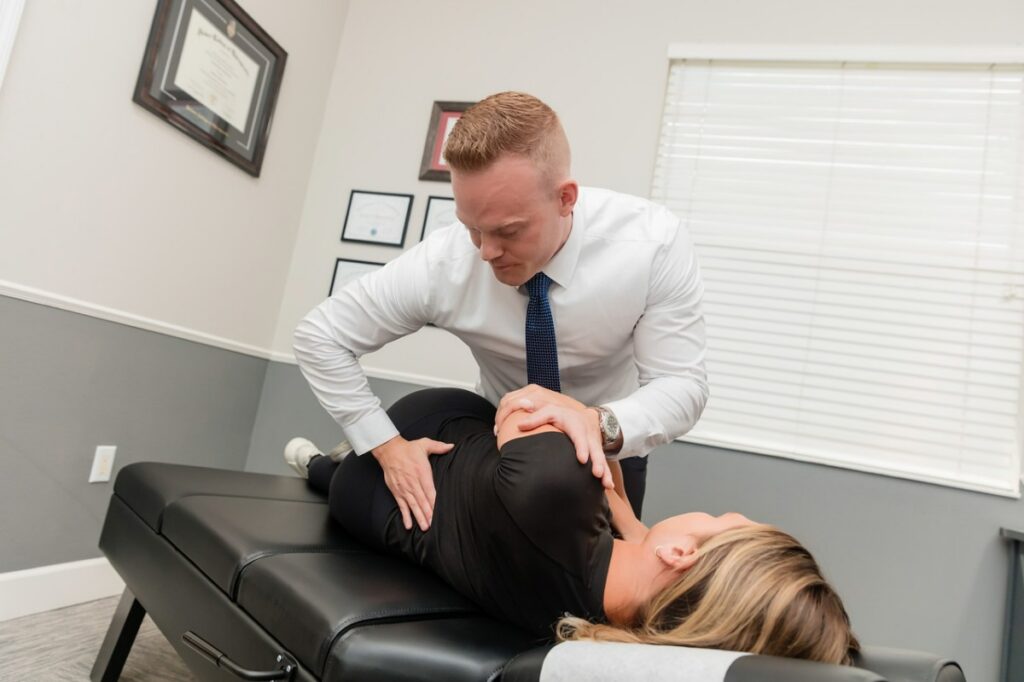
Consider consulting a professional, like a physical therapist or a trained instructor. They can provide insights into your specific limitations and help you design a stretching regimen tailored to your needs.
Remember, flexibility isn't just about achieving a perfect split or touching your toes; it's about enhancing your overall mobility and reducing the risk of injury.
As you work on understanding your body's limits, keep in mind that patience is key. Flexibility takes time to develop, so stay consistent and celebrate the small victories along the way. Your body will thank you for it!
Incorporate Dynamic Stretching
Incorporating dynamic stretching into your routine can greatly enhance your flexibility and overall mobility. Unlike static stretches, dynamic stretching involves movement and helps prepare your body for activity.
It increases blood flow to your muscles and improves your range of motion, making it an ideal addition to your warm-up before workouts or sports.
Here are four effective dynamic stretches you can start with:
- Leg Swings: Stand next to a wall or support. Swing one leg forward and backward while keeping your upper body stable. Switch legs after 10-15 swings.
- Arm Circles: Extend your arms out to the sides and make small circles, gradually increasing the size. Do this for about 20-30 seconds, then switch directions.
- Walking Lunges: Step forward with one leg into a lunge position, ensuring your knee doesn't extend past your toes. Alternate legs as you walk forward, performing 10 lunges on each side.
- Torso Twists: Stand with your feet shoulder-width apart, arms bent at your elbows. Rotate your torso side to side, allowing your arms to follow the movement. Aim for 10-15 twists in each direction.
Practice Static Stretching
Practicing static stretching can greatly boost your flexibility and help maintain your range of motion. This form of stretching involves holding a muscle in an elongated position for a period, typically between 15 to 60 seconds. It's a simple yet effective way to improve flexibility, especially when incorporated into your routine after workouts or physical activities.
To get started, identify the muscle groups you want to target. Common areas include the hamstrings, quadriceps, hip flexors, and shoulders. When you engage in static stretching, make certain to breathe deeply and relax into each stretch. This not only enhances the effectiveness of the stretch but also helps prevent any potential injuries.
Aim to hold each stretch for at least 30 seconds. You might feel some tension, but it shouldn't be painful. If you feel pain, ease out of the stretch slightly until you find a comfortable position. Don't rush through your stretches; take your time to guarantee you're feeling the benefits.
It's best to practice static stretching when your muscles are warm, so incorporate it into your cool-down routine after exercise. This allows your muscles to relax and adapt, enhancing flexibility over time.
Consistency is key, so try to stretch at least three to four times a week. In no time, you'll notice improved flexibility, which can enhance your overall performance in various physical activities.
Utilize Foam Rolling
Foam rolling can considerably enhance your flexibility by releasing muscle tension and improving blood flow.
You'll want to learn the best techniques to maximize these benefits for your body.
Let's explore how to incorporate foam rolling effectively into your routine.
Benefits of Foam Rolling
Releasing your body's potential for flexibility can be greatly enhanced by foam rolling. This simple practice helps to alleviate muscle tightness and improve your overall range of motion.
By incorporating foam rolling into your routine, you'll experience several benefits that can considerably impact your flexibility journey.
- Increased Circulation: Foam rolling stimulates blood flow to your muscles, promoting better oxygen delivery and nutrient absorption, which aids in recovery.
- Reduced Muscle Soreness: Regular use of a foam roller can help decrease delayed onset muscle soreness (DOMS), making it easier to stay consistent with your flexibility training.
- Improved Muscle Elasticity: By breaking down adhesions and knots in your muscles, foam rolling enhances their elasticity, allowing for greater flexibility during stretches and movements.
- Enhanced Recovery: Foam rolling can speed up your recovery time after workouts, letting you bounce back quicker and prepare for your next flexibility session.
Incorporating foam rolling into your routine not only makes you more flexible but also promotes overall muscle health.
Best Techniques to Use
After experiencing the benefits of foam rolling, it's time to harness specific techniques that maximize its effectiveness. First, focus on the muscle groups that feel tight or sore. Spend about 30 seconds to a minute on each area, applying steady pressure while rolling slowly. Use your body weight to adjust the intensity; apply more pressure on stubborn knots.
Next, incorporate dynamic movements while foam rolling. For instance, if you're targeting your quads, try bending and straightening your knees as you roll. This technique helps increase blood flow and enhances muscle release.
Don't forget to breathe. Inhale deeply and exhale as you roll over particularly tight spots. This can help you relax and ease into the discomfort.
Additionally, combine foam rolling with stretching. Roll out a muscle group, then follow up with static stretches to improve flexibility even further. For best results, foam roll before and after workouts to prepare your muscles and aid recovery.
Finally, listen to your body. If you feel sharp pain, ease off. Consistency is key, so aim to roll for at least 10-15 minutes a few times a week. Your flexibility will thank you!
Embrace Yoga Practices
To truly enhance your flexibility, embracing yoga practices can be a game changer.
Yoga not only promotes flexibility but also helps you cultivate mindfulness and body awareness. By incorporating various poses into your routine, you can gradually improve your range of motion and reduce muscle tension.
Here are four essential yoga practices to reflect upon:
- Sun Salutations (Surya Namaskar): This dynamic sequence warms up your entire body, stretching your spine and legs while promoting blood flow. It's a great way to start any yoga session.
- Downward Dog (Adho Mukha Svanasana): This foundational pose stretches your hamstrings, calves, and shoulders. It also strengthens your arms and legs, making it an effective posture for overall flexibility.
- Pigeon Pose (Eka Pada Rajakapotasana): This pose targets the hips, allowing for deep stretching and release of tension. It's particularly beneficial if you spend long hours sitting.
- Seated Forward Bend (Paschimottanasana): This pose stretches the spine, hamstrings, and calves. It encourages relaxation and can help alleviate stress while enhancing flexibility.
As you practice these poses, listen to your body. Don't push yourself too hard; focus on gradual improvements.
Consistency is key, so aim to incorporate yoga into your weekly routine. With time, you'll notice significant gains in your flexibility, along with overall well-being.
Embrace the journey and enjoy the benefits!
Stay Hydrated
Staying hydrated is essential for your flexibility.
Water helps maintain muscle elasticity, allowing your body to stretch and move more freely.
Importance of Water Intake
Water is essential for maintaining flexibility and overall physical health. Staying properly hydrated helps your muscles function at their best, which is vital for improving your range of motion. When you're dehydrated, your muscles can become stiff and more prone to injury.
To guarantee you're drinking enough water, consider these key points:
- Boosts Circulation: Water improves blood flow, delivering essential nutrients to your muscles, which aids recovery and promotes flexibility.
- Regulates Temperature: Staying hydrated helps regulate your body temperature during workouts, allowing you to perform better and stretch more effectively.
- Prevents Cramping: Adequate water intake can help prevent muscle cramping, which can limit your ability to stretch and move freely.
- Supports Joint Lubrication: Water is vital for maintaining synovial fluid in your joints, providing lubrication that encourages smooth movement.
Make it a habit to drink water before, during, and after your workouts.
By prioritizing hydration, you'll not only enhance your flexibility but also support your overall physical performance.
Hydration and Muscle Elasticity
Hydration plays an important role in maintaining muscle elasticity, which is essential for peak performance and flexibility. When you're well-hydrated, your muscles can stretch and contract more efficiently, allowing for better movement and reduced risk of injury.
Dehydration, on the other hand, can lead to stiffness and decreased range of motion, making it harder to achieve those deep stretches you're aiming for.
To stay hydrated, aim to drink water consistently throughout the day, not just when you feel thirsty. Incorporating hydrating foods, like fruits and vegetables, can also boost your fluid intake.
If you're engaging in physical activity, make sure to replenish lost fluids before, during, and after your workouts. This will help maintain optimal muscle function and enhance your overall flexibility.
Warm Up Effectively
Warming up effectively is crucial for enhancing your flexibility and preventing injuries. A proper warm-up prepares your muscles and joints for the demands of stretching and movement. It increases blood flow, elevates your heart rate, and gradually loosens your body, making it more responsive.
Here are four key steps to warm up effectively:
- Start with Light Cardio: Begin with 5-10 minutes of light cardio, like jogging in place or jumping jacks. This raises your body temperature and gets your heart pumping.
- Dynamic Stretching: After cardio, incorporate dynamic stretches that mimic the movements you'll be doing. Think leg swings, arm circles, or torso twists. These movements help activate your muscles and joints.
- Focus on Major Muscle Groups: Target the major muscle groups you plan to stretch. For instance, if you're working on your hamstrings, incorporate exercises like walking lunges or high knees. This guarantees those muscles are adequately warmed up.
- Gradually Increase Intensity: As you progress through your warm-up, gradually increase the intensity of your movements. This prepares your body for more demanding stretches and exercises, reducing the risk of strain.
Focus on Breathing Techniques
To enhance your flexibility, focusing on your breathing techniques is essential.
Try the diaphragmatic breathing method to maximize oxygen flow and support your movements.
As you stretch, synchronize your breath with each motion to create a smoother and more effective practice.
Diaphragmatic Breathing Method
Enhancing your flexibility starts with mastering the diaphragmatic breathing method, a technique that can greatly improve your overall performance.
This method allows you to take deeper breaths, utilizing your diaphragm effectively, which can lead to increased oxygen flow and better muscle relaxation.
To practice diaphragmatic breathing, follow these steps:
- Find a Comfortable Position: Sit or lie down in a quiet place where you can focus without distractions.
- Place Your Hands: Rest one hand on your chest and the other on your abdomen. This helps you feel the movement of your diaphragm.
- Inhale Deeply: Breathe in slowly through your nose, allowing your abdomen to rise while keeping your chest relatively still. Aim to fill your lungs completely.
- Exhale Slowly: Release the breath through your mouth, feeling your abdomen fall. Focus on making the exhalation longer than the inhalation.
Breath Synchronization With Movement
Mastering diaphragmatic breathing sets the stage for the next step: breath synchronization with movement. This technique enhances your flexibility and overall performance in any physical activity.
To start, focus on aligning your breath with your movements. As you begin an exercise or stretch, inhale deeply through your nose, letting your diaphragm expand fully. This fills your lungs with air and prepares your body for movement.
Now, as you move, exhale slowly through your mouth. Timing your breath with each action creates a rhythm that helps maintain your focus and encourages deeper stretches. For instance, when you reach upward during a stretch, inhale to expand your chest, and as you lower your arms, exhale, releasing tension.
Practicing this synchronization helps you relax, making it easier to stretch further. It also increases oxygen flow to your muscles, enhancing their performance and recovery.
Remember, the key is to remain mindful of your breath. The more you practice this technique, the more natural it'll feel, and you'll notice significant improvements in your flexibility over time.
Maintain Consistency
Consistency is key when it comes to improving your flexibility; practicing regularly can lead to noticeable progress over time.
By committing to a consistent routine, you'll not only enhance your flexibility but also build strength and prevent injuries.
Here are some tips to help you maintain that consistency:
- Set specific goals: Define what you want to achieve with your flexibility training. Whether it's touching your toes or mastering a split, having clear goals keeps you motivated.
- Create a schedule: Dedicate specific days and times for your flexibility workouts. Treat these sessions as appointments you can't miss. This structure helps you establish a habit over time.
- Incorporate variety: Keep things interesting by mixing up your routines. Try different stretching techniques, yoga classes, or dance styles. Variety not only prevents boredom but also works different muscle groups, enhancing your overall flexibility.
- Track your progress: Keep a journal or use an app to record your sessions and monitor improvements. Seeing how far you've come can be a powerful motivator and encourages you to stay committed to your goals.
Listen to Your Body
While sticking to a routine is important, it's equally essential to listen to your body during flexibility training. Your body gives you signals, and tuning into these can make a significant difference in your progress. If you feel pain, discomfort, or excessive tightness, don't push through it. Instead, take a step back and assess what you're experiencing. Remember, flexibility training should enhance your range of motion, not cause injury.
You might notice that some days you feel more limber than others. That's perfectly normal! On days when you feel tight, consider adjusting your routine. Instead of forcing a deep stretch, opt for gentler movements or focus on areas that feel less restricted. This approach not only promotes safety but also helps prevent burnout and keeps you motivated.
If you notice a consistent tightness in a specific area, it could indicate an underlying issue that needs addressing. Perhaps you need to incorporate strength training or different stretches into your routine to create balance. Don't hesitate to consult a fitness professional or physical therapist if you're unsure.
Lastly, hydration and nutrition play roles in how your body feels. Staying well-hydrated and properly nourished can enhance your flexibility and recovery.
Ultimately, listening to your body means respecting its limits while gradually pushing those boundaries. Embrace the journey and remember that improvement takes time, so be patient with yourself. Your body knows best—trust it!
Conclusion
By following these ten secrets, you can greatly improve your flexibility and enhance your overall movement. Remember to understand your body's limits and incorporate both dynamic and static stretching into your routine. Stay consistent, listen to your body, and embrace practices like yoga and foam rolling. With dedication and the right techniques, you'll notice greater ease in your movements and a deeper connection to your body. Start today, and enjoy the journey to better flexibility!