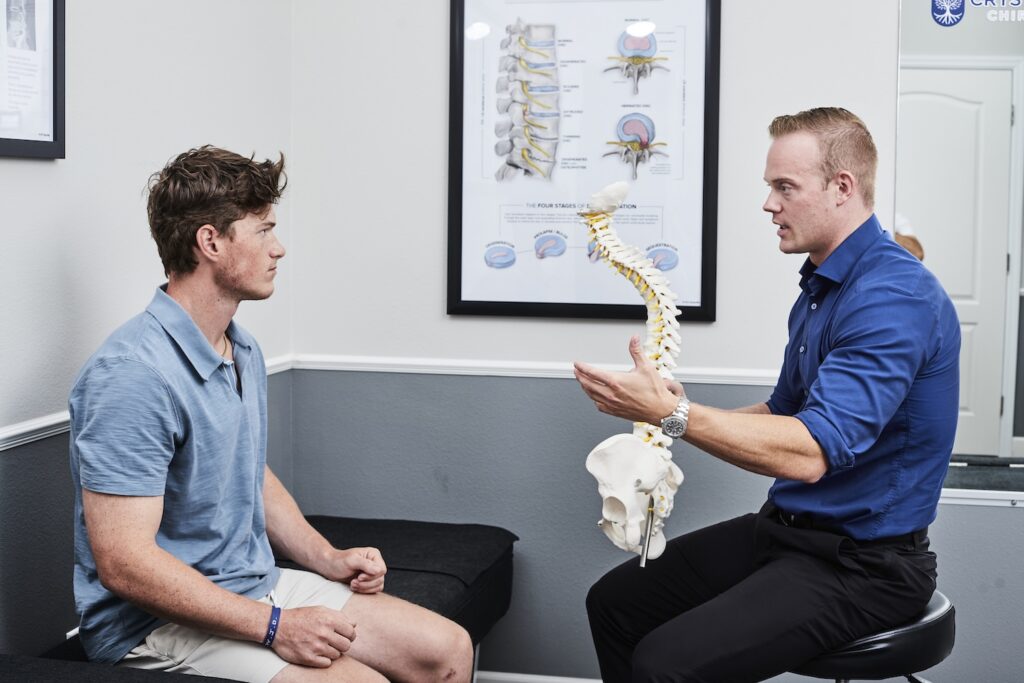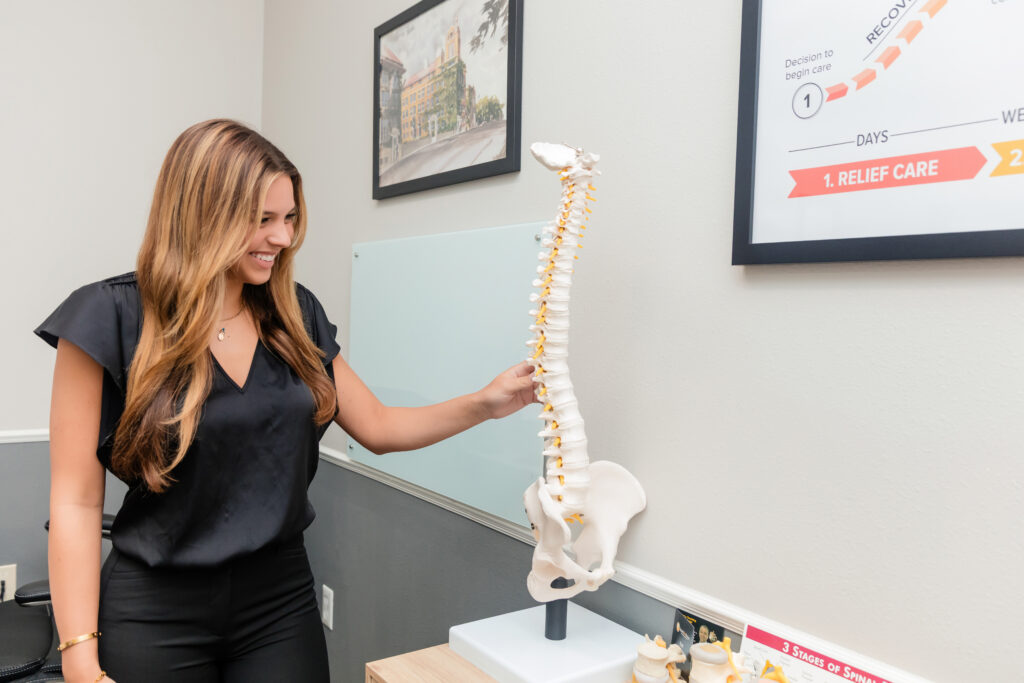

As a local chiropractor, I often see athletes who struggle with sports-related back pain, and I understand how debilitating it can be—not just for your performance but also for your everyday activities. Many of you may have tried various remedies, but it's crucial to recognize the best treatments that are specifically designed for your condition.
Chiropractic care offers a range of natural healing options that can significantly alleviate your pain and aid in recovery. From gentle adjustments to improve spinal alignment, to targeted exercises that strengthen the muscles supporting your back, each method plays a vital role in your healing journey.
Rest and recovery are essential, but combining them with chiropractic techniques can enhance your overall wellbeing. So, what are the most effective approaches to consider? Let's dive into the top treatments that can help you regain your strength and get back to doing what you love.
Rest and Recovery
When it comes to dealing with sports-related back pain, one of the most important steps you can take is to prioritize rest and recovery. I understand that it can be tempting to ignore that discomfort or push through it, but doing so can lead to more serious issues in the future. Your body needs time to heal, and it's crucial to listen to those signals it's sending you.
Begin by stepping back from your usual activities, particularly those that worsen your pain. This doesn't mean you should be completely inactive; gentle movements or low-impact exercises can actually help maintain your flexibility and prevent stiffness during your recovery.
Creating a comfortable environment is key while you're healing. Invest in a supportive mattress and the right pillows to promote proper spinal alignment. When resting, experiment with different positions to see what eases your pain. If lying flat feels uncomfortable, try propping yourself up with pillows or resting on your side with a cushion between your knees for added support.
Incorporating light stretching or yoga into your routine can also be beneficial, as these practices promote relaxation and improve blood flow to the affected areas. However, it's essential to steer clear of intense workouts or heavy lifting until you feel confident that your back is on the mend. Rushing back into activity before you're ready can significantly increase your risk of re-injury.
Lastly, keep a close eye on your pain levels and note any movements that trigger discomfort. This information can be incredibly useful during your visits to a chiropractor or healthcare professional.
Prioritizing rest and recovery now will lay the groundwork for a stronger return to your sports activities. Remember, natural healing takes time, and we're here to support you on your journey to wellness.
Ice and Heat Therapy
As a local chiropractor, I want to help you understand how to effectively alleviate sports-related back pain through natural healing methods, specifically ice and heat therapy.
These two techniques can significantly ease your discomfort and support your recovery process, each offering unique benefits depending on your needs.
1. Ice Therapy: I recommend using ice packs during the first 48 hours following your injury. Ice is excellent for reducing inflammation and numbing the affected area, providing immediate pain relief.
Just remember to wrap the ice pack in a towel to protect your skin from frostbite.
2. Heat Therapy: Once the initial swelling has subsided, it's time to transition to heat therapy. Applying a heating pad or a warm towel can enhance blood flow to the area, helping to relax tight muscles and alleviate stiffness.
This method is particularly beneficial for those dealing with chronic pain.
3. Timing: You can alternate between ice and heat as needed. Start by applying ice for 15-20 minutes, then switch to heat for another 15-20 minutes.
It's important to pay attention to your body's response and adjust the timing as necessary.
4. Frequency: Feel free to repeat this process several times a day, but be sure to give your skin a break between applications to prevent irritation.
Incorporating ice and heat therapy into your recovery routine can significantly relieve sports-related back pain.
Always listen to your body, and if your pain persists or worsens, I encourage you to consult with a healthcare professional for further guidance.
Stretching Exercises
As a local chiropractor, I want to emphasize the importance of stretching exercises in your journey towards better health, especially when it comes to flexibility and back pain relief.
Many people aren't aware that incorporating targeted stretches into your daily routine can significantly improve your mobility and provide much-needed support to your spine during physical activities.
By focusing on specific muscle groups, these stretching exercises can't only help in preventing sports-related back pain but also alleviate discomfort you may already be experiencing.
It's essential to make these stretches a regular part of your lifestyle to maintain a healthy spine and enhance your overall well-being.
Importance of Flexibility
As a local chiropractor dedicated to your overall health and well-being, I want to emphasize the crucial role that flexibility plays in preventing and alleviating sports-related back pain.
When your muscles and joints are flexible, they can move more freely, which helps to reduce the strain on your back. This not only enhances your performance in sports but also significantly lowers your risk of injury.
Let me share four key benefits of incorporating flexibility exercises into your routine:
- Improved Range of Motion: By increasing your flexibility, your body can move more freely and efficiently. This is particularly beneficial in various sports, allowing you to perform at your best.
- Reduced Muscle Tension: Regular stretching can help relax tight muscles, which in turn leads to less discomfort and pain in your back. This is especially important for athletes who may push their bodies to the limit.
- Enhanced Blood Circulation: Engaging in stretching exercises increases blood flow to your muscles. This improved circulation promotes recovery and reduces the likelihood of injuries, keeping you active and healthy.
- Better Posture: Flexible muscles play a vital role in supporting proper alignment. Good posture is essential for maintaining a healthy back, especially during physical activities. It can help you avoid chronic pain and enhance your overall performance.
Incorporating flexibility exercises into your daily routine can be a game changer for your back health.
If you have any questions or would like guidance on how to integrate these exercises effectively, please feel free to reach out. Your well-being is my priority!
Targeted Muscle Groups
As a local chiropractor, I want to emphasize the importance of incorporating targeted stretching exercises into your daily routine to enhance flexibility and promote optimal back health. Many people may not realize that focusing on specific muscle groups can significantly alleviate tension and improve your overall range of motion—key factors for anyone, especially those who lead an active lifestyle.
Let's start with the hamstrings. Tightness in these muscles can pull on your pelvis and contribute to back pain. I recommend practicing both standing and seated stretches to gently loosen up your hamstrings.
Next, don't overlook your hip flexors. These muscles can become tight from prolonged sitting or engaging in certain sports activities. A simple lunge stretch can be incredibly beneficial in releasing that tension.
In addition, be sure to incorporate stretches for your lower back. Poses like the child's pose or the knee-to-chest stretch can help release built-up tension in that area.
It's also vital to target your quadriceps, as tight quads can negatively impact your posture and lead to discomfort in your lower back.
Lastly, include torso twists in your routine to enhance spinal mobility and relieve stiffness. I encourage you to hold each stretch for at least 20-30 seconds while breathing deeply, allowing your muscles to relax fully.
By focusing on these targeted muscle groups, you can significantly reduce your risk of sports-related back pain and improve your overall performance.
Make stretching a regular habit, and your back will thank you for it! Remember, chiropractic care is here to support you in achieving a healthier, pain-free lifestyle.
Strengthening Workouts
As a local chiropractor, I want to emphasize the importance of strengthening workouts in preventing and managing sports-related back pain. Many people may not realize that focusing on core stability exercises and integrating flexibility training can significantly enhance the strength of the muscles that support your spine.
By building this strong foundation, you not only improve your overall performance but also reduce the risk of injury.
It's crucial to understand that a strong, stable core can help alleviate stress on your spine and prevent discomfort during physical activities. I encourage my patients to incorporate these types of workouts into their routine, as they play a vital role in maintaining a healthy back and promoting natural healing.
Let's work together to explore effective exercises that can benefit your body and keep you active and pain-free.
Core Stability Exercises
As a local chiropractor dedicated to your overall health and well-being, I want to share the importance of building core stability in preventing and alleviating sports-related back pain.
A strong core not only supports your spine but also enhances your posture and athletic performance. By incorporating core stability exercises into your regular routine, you can greatly improve how your back feels during and after physical activity.
Here are four effective exercises that I recommend:
- Planks: Begin by holding a plank position with your elbows bent and your body in a straight line. Start with a goal of holding this position for 30 seconds. As your strength increases, aim to extend your time. This exercise is fantastic for strengthening your core muscles.
- Bird-Dog: Get on all fours and extend one arm forward while stretching the opposite leg back. Hold this position for a few seconds, then switch sides. The Bird-Dog exercise is excellent for enhancing your balance and coordination, which are vital for maintaining a healthy spine.
- Dead Bugs: Lie flat on your back with your arms pointing toward the ceiling and your knees bent at a 90-degree angle. Lower one arm and the opposite leg down toward the floor simultaneously, then return to the starting position. Make sure to engage your core throughout the movement. Repeat on the other side. This exercise helps promote stability and control in your core area.
- Russian Twists: Sit on the floor with your knees bent and lean back slightly. With a weight or medicine ball in hand, twist your torso side to side. This exercise specifically targets your obliques and improves your rotational strength, which is crucial for many sports and activities.
By incorporating these exercises into your routine consistently, you'll be taking proactive steps toward better back health.
Flexibility Training Techniques
As a chiropractor, I often emphasize the importance of flexibility training for enhancing your athletic performance and overall well-being. Many people may not realize that flexibility is crucial for preventing injuries, improving your range of motion, and aiding in muscle recovery. By integrating flexibility exercises into your routine, you're essentially preparing your body to meet the demands of your chosen sport, allowing for more efficient and effective movement.
I recommend starting with dynamic stretches before your workouts. Simple movements such as leg swings, arm circles, and torso twists are great for warming up your muscles and joints. These activities increase blood flow and help reduce the risk of strains and injuries.
After your workout, it's beneficial to engage in static stretches, like those targeting your hamstrings, quadriceps, and spine. These stretches can help lengthen your muscles, promote recovery, and reduce post-exercise soreness.
Additionally, incorporating practices like yoga or Pilates can significantly enhance your flexibility. These disciplines focus on body awareness and controlled movements, which not only strengthen your core but also improve your flexibility. For optimal results, I suggest aiming for at least two to three sessions per week, ensuring you dedicate time to stretching both your upper and lower body.
Understanding the role of flexibility in your health and athletic performance can lead to better outcomes and a more active lifestyle. If you have any questions about how flexibility training can benefit you personally, feel free to reach out!
Physical Therapy
Chiropractic care plays a crucial role in managing sports-related back pain, focusing on natural healing and restoring your body's optimal function. As a local chiropractor, I want to help you understand how our approach can effectively alleviate discomfort and enhance your athletic performance.
We'll work together to create a personalized treatment plan that meets your unique needs.
Here are four essential aspects of chiropractic care that can assist you in addressing sports-related back pain:
- Comprehensive Assessment and Diagnosis: During your initial visit, I'll conduct a thorough evaluation of your posture, movement mechanics, and overall physical condition. This assessment helps pinpoint any underlying issues that may be contributing to your back pain, allowing us to target the root cause directly.
- Strengthening and Stabilization: I'll guide you through specific exercises designed to strengthen your core, back, and leg muscles. By fortifying these areas, we can provide enhanced support for your spine, which not only helps reduce pain but also boosts your athletic capabilities.
- Enhancing Flexibility: Incorporating stretching techniques into your routine is vital for improving flexibility, which plays a significant role in injury prevention. A well-stretched body can better absorb the demands placed on it during sports activities, reducing the risk of strains and sprains.
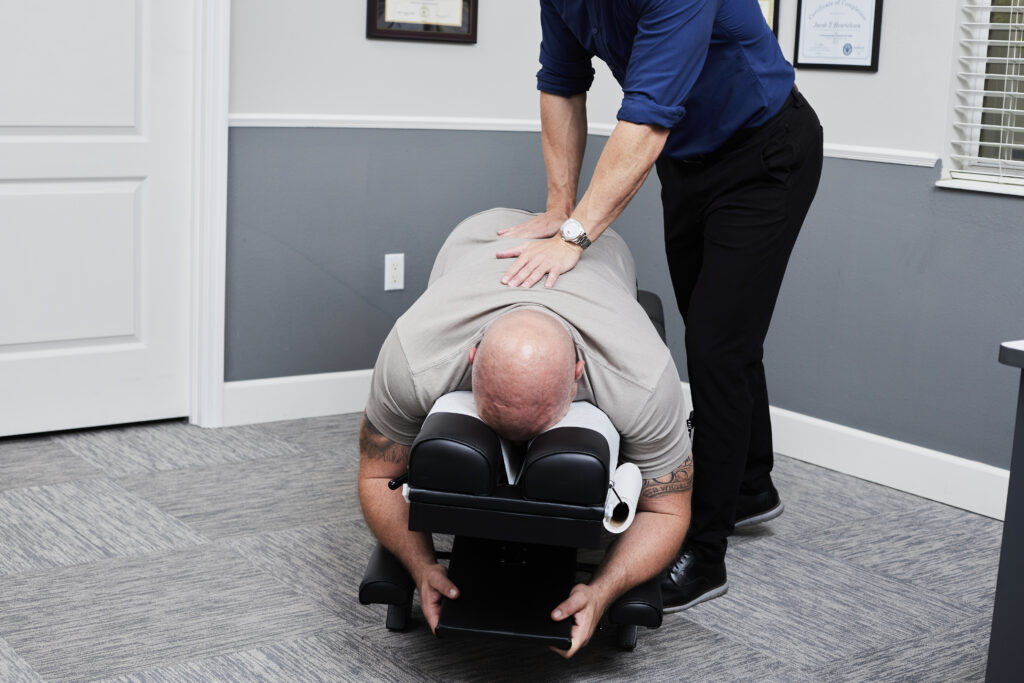
- Chiropractic Adjustments and Manual Therapy: Utilizing gentle adjustments and manual therapy techniques, such as soft tissue work, I can help relieve muscle tension and enhance blood circulation. This hands-on approach is effective in decreasing pain and facilitating the body's natural healing processes.
By understanding and embracing chiropractic care, you can take proactive steps toward managing your sports-related back pain and achieving peak performance.
Let's work together to unlock your body's potential!
Chiropractic Adjustments
As a local chiropractor, I want to share how chiropractic adjustments can significantly alleviate your sports-related back pain.
These adjustments utilize various techniques designed to target specific issues in your body, helping to realign your spine and enhance your overall mobility.
It's important to understand the frequency of these treatments, as it can greatly impact your recovery process.
By incorporating chiropractic care into your routine, you may experience improved function and a reduction in pain, allowing you to enjoy your favorite activities more fully.
If you're curious about how chiropractic care can benefit you, I'm here to guide you every step of the way.
Benefits of Chiropractic Care
As a local chiropractor, I want to take a moment to share the numerous benefits of chiropractic care, especially when it comes to alleviating sports-related back pain. Many athletes and active individuals may not be fully aware of how chiropractic adjustments can enhance both their well-being and performance.
Here are four key advantages that you can experience through chiropractic care:
- Effective Pain Relief: Chiropractic adjustments focus on correcting misalignments in the spine. By addressing these issues, we help relieve pressure on your nerves, leading to a significant reduction in pain. Many of my patients report feeling immediate relief after just one session.
- Enhanced Mobility: Regular chiropractic adjustments can greatly improve your range of motion and flexibility—two crucial components for athletes who depend on agility and quick movements. With better mobility, you'll find it easier to perform at your best in your sport.
- Preventive Care: It's important to understand that chiropractic care goes beyond just treating injuries; it's also about preventing them. By keeping your spine properly aligned, we can help minimize the risk of future injuries, ensuring your body remains in optimal condition for your activities.
- Holistic Approach: At our practice, we take a comprehensive view of your health. We consider your lifestyle, nutrition, and exercise habits to provide well-rounded care that addresses the root causes of your back pain, rather than just treating the symptoms.
By incorporating chiropractic care into your routine, you can experience a remarkable improvement in how you feel and perform in your sport.
I invite you to explore the benefits of this natural healing approach and see how it can enhance your overall health and athletic performance.
Techniques Used in Adjustments
As your local chiropractor, I want to help you understand the various techniques we use in adjustments to promote proper alignment and function of your spine and joints. Our goal is to restore your body's natural movement through hands-on methods that gently manipulate your vertebrae and surrounding tissues.
One of the most common techniques we utilize is spinal manipulation. This involves applying controlled force to specific joints, which may result in an audible "pop" as the joint releases and realigns. This process is designed to relieve pressure and restore mobility, helping you feel more comfortable and agile.
In addition to spinal manipulation, we also use soft tissue therapy to address the muscles and ligaments around your joints. Techniques such as myofascial release can significantly reduce tension and enhance flexibility, which can alleviate pain in the process.
For those who may be sensitive or experiencing acute pain, we offer instrument-assisted adjustments. These specialized tools allow us to make precise adjustments without the more forceful thrusts often associated with manual techniques. This approach can provide a gentler alternative while still achieving effective results.
Moreover, we incorporate stretching and mobilization techniques to help improve your overall range of motion. This holistic approach ensures that we tailor our treatments to meet your specific needs, ultimately guiding you toward optimal recovery and performance, especially if you're active in sports or other physical activities.
I'm here to educate and support you on your journey to natural healing, so don't hesitate to ask any questions about how chiropractic care can benefit you!
Frequency of Treatments Needed
As your local chiropractor, I want to help you understand how often you might need chiropractic adjustments based on your individual circumstances. The frequency of your visits can vary depending on several key factors like the intensity of your back pain, your overall health, and how active you're in your daily life.
If you lead an athletic lifestyle or engage in regular physical activities, you may find that your body benefits from more frequent visits to support optimal function and minimize the risk of injuries.
Here are some helpful guidelines to consider when evaluating your treatment frequency:
- Acute Pain: If you're experiencing sudden and severe back pain, it may be necessary to schedule adjustments 2-3 times a week at the start. This can help alleviate your discomfort and restore your mobility more quickly.
- Chronic Pain: For those dealing with ongoing back issues, adjustments once a week or every other week might be adequate, depending on how stable your condition is and how well you respond to treatment.
- Maintenance: Once you've reached a level of improvement, a maintenance plan—typically consisting of visits once a month—can be very effective in keeping your spine aligned and helping to prevent future problems.
- Personal Goals: Your personal fitness aspirations and activity levels will also play a role in how often you should come in for adjustments. Athletes, for instance, often see great benefits from more frequent adjustments to support their rigorous training regimens.
I encourage you to consult with me so we can create a personalized treatment plan that aligns with your unique needs and goals.
Together, we can work towards enhancing your overall health and well-being through chiropractic care and natural healing.
Massage Therapy
As a local chiropractor, I want to share the benefits of massage therapy, particularly for athletes dealing with sports-related back pain. If you're experiencing tight muscles or ongoing discomfort, a trained massage therapist can help target those specific areas, alleviating pain and enhancing your overall mobility.
By gently manipulating soft tissues, massage stimulates blood circulation, which promotes healing and helps reduce inflammation.
During a massage session, you may encounter various techniques such as deep tissue, trigger point, or sports massage. Each of these methods is tailored to relieve tension and optimize performance.
Deep tissue massage focuses on the deeper layers of muscle and connective tissue, effectively breaking up knots and adhesions. On the other hand, trigger point therapy hones in on particular tight spots, providing relief from referred pain that might manifest elsewhere in your body.
Incorporating regular massage therapy into your routine can significantly boost your athletic performance by improving flexibility and range of motion. You'll likely find that consistent sessions not only help prevent future injuries but also maintain your muscles in peak condition.
Additionally, the relaxation gained from massage can lower stress levels, allowing you to concentrate better on your training and competitions.
When you consider massage therapy, it's important to communicate your specific needs and pain points with your therapist. This open dialogue ensures that the treatment is tailored to address your unique situation effectively.
Embracing massage as part of your holistic approach to wellness can truly transform your athletic journey, offering not just relief from discomfort but also a pathway to improved health and performance.
Over-the-Counter Pain Relief
As a local chiropractor, I often see athletes struggling with sports-related back pain. While many may reach for over-the-counter pain relief options, it's important to understand how these medications work and their role in your recovery.
Here's a quick overview of some common options you might consider, along with some insights on how chiropractic care can complement them:
1. Ibuprofen: This nonsteroidal anti-inflammatory drug (NSAID) is commonly used to help reduce pain and swelling. It can be beneficial for acute back pain, allowing you to participate in your activities with less discomfort.
However, remember that while it helps with symptoms, it doesn't address the underlying causes of your pain.
2. Acetaminophen: If you're seeking a pain reliever that doesn't tackle inflammation, acetaminophen might be your choice. It's effective for mild to moderate pain and is gentler on your stomach compared to NSAIDs.
Just like ibuprofen, it's important to understand that this medication can help manage pain but doesn't replace the need for proper alignment and care.
3. Naproxen: Similar to ibuprofen, naproxen is another NSAID that offers a longer duration of action, so you may not need to take it as frequently. It can be effective for ongoing pain, but, like all medications, it should be used with caution.
Remember, while these medications can aid in pain relief, they don't address the root cause of your discomfort.
4. Topical analgesics: Creams and ointments with ingredients like menthol or capsaicin can provide localized relief and are easy to apply. They can be a good alternative if you prefer to avoid oral medications.
However, I encourage you to consider how chiropractic adjustments can help enhance this localized relief by promoting overall spinal health and function.
Incorporating chiropractic care into your routine can't only help alleviate pain but also improve your overall well-being.
By addressing the underlying issues contributing to your back pain, we can work together to help you get back to your game stronger and healthier.
Acupuncture
As a local chiropractor, I want to share how acupuncture can be an excellent complementary treatment for athletes dealing with sports-related back pain. This ancient healing technique involves the insertion of thin needles into specific points on the body, which can help stimulate your body's natural healing processes and alleviate pain.
One of the standout benefits of acupuncture is its ability to directly target pain areas. By working on the energy pathways, known as meridians, acupuncture can help restore balance within your body and enhance your overall well-being. Many of my patients have found that acupuncture sessions not only relieve their back pain but also promote relaxation and improve their overall health.
Athletes often report experiencing significant reductions in pain and stiffness after just a few acupuncture sessions. This treatment can also enhance flexibility and range of motion, vital components for optimal performance in any sport. Additionally, acupuncture is known to reduce inflammation, which can accelerate recovery from injuries.
If you're considering this approach, I highly recommend consulting with a licensed acupuncturist who specializes in sports injuries. They can assess your individual needs and develop a personalized treatment plan tailored to your specific pain patterns.
So, if you're battling back pain from your athletic activities, acupuncture may provide the relief you've been looking for, allowing you to return to the sports you love without the burden of discomfort.
Ergonomic Adjustments
As a local chiropractor, I want to emphasize the importance of making ergonomic adjustments to help alleviate sports-related back pain, particularly for athletes who dedicate long hours to their training and competition.
When your body is aligned properly and you utilize the right equipment, you can significantly reduce strain on your back and improve your overall performance. Here are some essential adjustments to consider:
1. Proper Footwear: Choosing the right shoes is crucial. Look for footwear that offers sufficient support and cushioning. Good shoes not only help maintain your posture but also minimize stress on your back, allowing you to perform at your best.
2. Adjust Your Workspace: If you're training indoors or spending time at a desk, it's vital to set up your workspace to encourage good posture. Ensure your chair is at the correct height and that your computer screen is at eye level. This will help prevent slouching and promote spinal health.
3. Stretch and Strengthen: Regularly incorporating stretching and strengthening exercises into your routine can be incredibly beneficial. Focus on building core stability and flexibility, which are essential for supporting your spine during physical activities.
This can make a noticeable difference in your comfort and performance.
4. Use Supportive Equipment: When you train, opt for equipment designed to promote good posture. Whether it's a supportive backpack or a well-designed bike seat, having the right gear can significantly impact your overall experience and help protect your back.
By making these ergonomic adjustments, you can take proactive steps toward reducing back pain and enhancing your athletic performance.
If you have any questions or need further assistance, feel free to reach out. Your spinal health is important, and I'm here to help you achieve optimal wellness naturally.
Conclusion
As a local chiropractor, I want to emphasize the importance of managing sports-related back pain through a holistic approach that focuses on your individual needs. It's crucial to take a balanced approach that combines rest and recovery with natural therapies like ice and heat application, physical therapy, and targeted strengthening exercises. These methods can help reduce pain and promote healing in a safe manner.
In addition to these treatments, incorporating regular stretching, massage techniques, and ergonomic adjustments into your routine can significantly support your spine health. Chiropractic care, in particular, can play a vital role in correcting misalignments and improving overall function, which is essential for anyone looking to return to their favorite activities.
By prioritizing your spine health and embracing these natural healing methods, you can not only alleviate your current discomfort but also build resilience for the future. Remember, with the right approach, you can enjoy a pain-free lifestyle and get back to doing what you love!