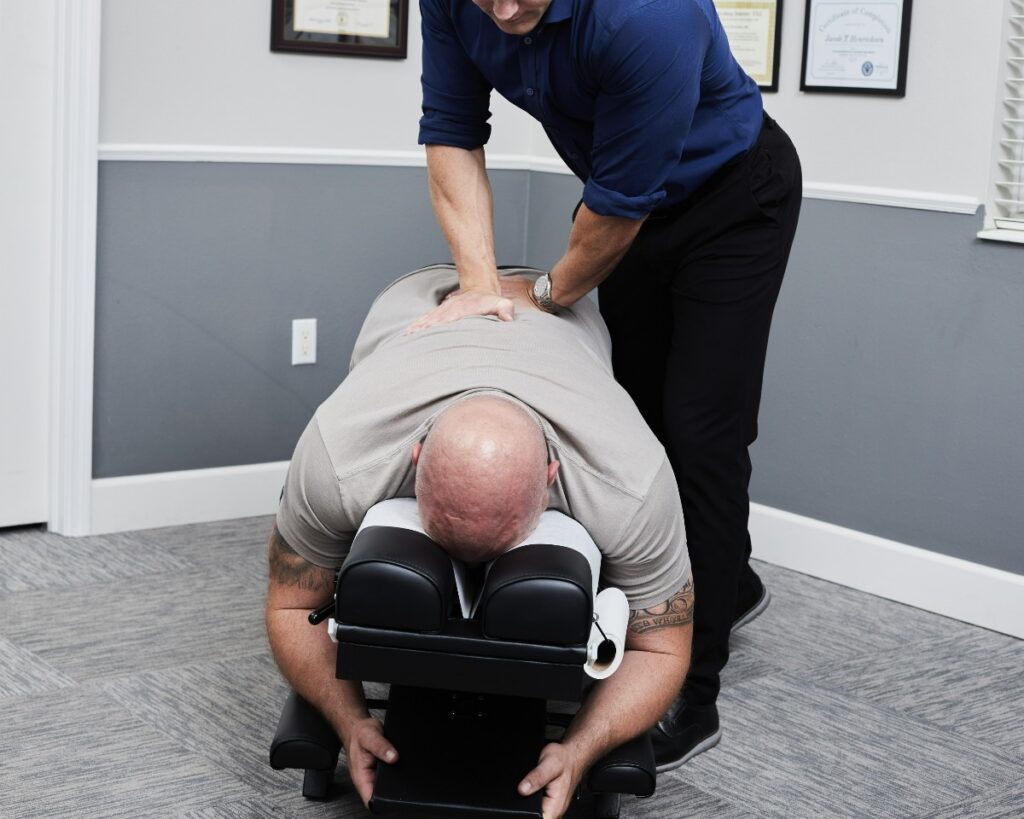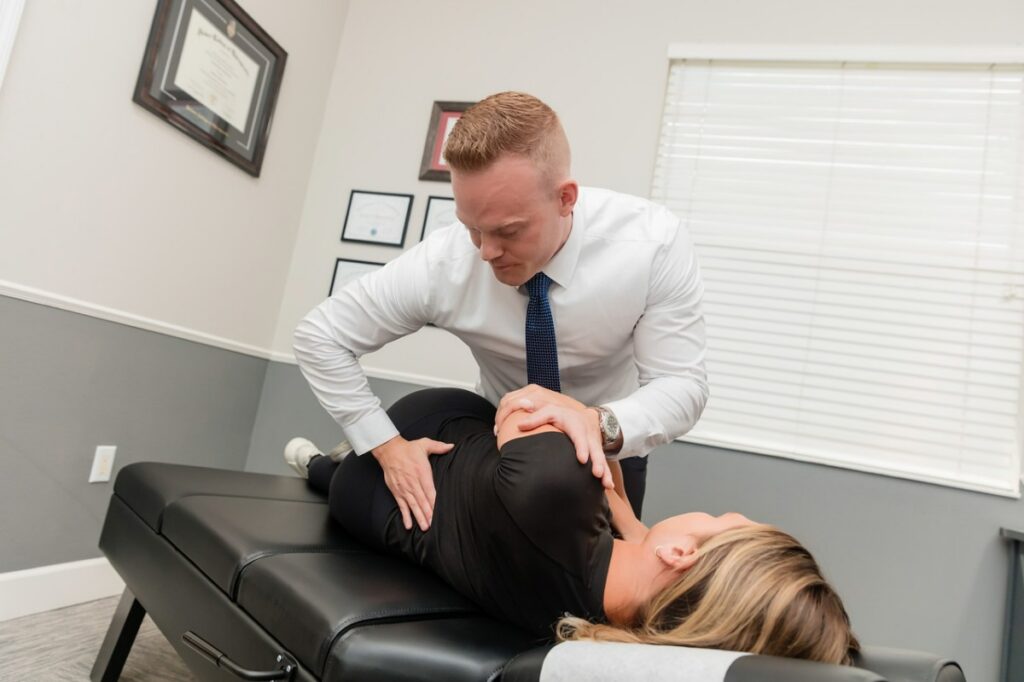

As a local chiropractor, I understand that dealing with a sports injury can be overwhelming. Many people often believe that simply resting is the best course of action, but there are numerous effective techniques that can enhance your recovery and get you back in the game quicker. Beyond just rest, proper hydration, targeted chiropractic adjustments, and specialized physical therapy can significantly contribute to your healing process.
If you're curious about how these natural healing methods can work together to improve your recovery, I'm here to guide you. Let's delve into the top ten techniques that can transform your experience and help you return to peak performance with confidence and strength.
Rest and Recovery
As a local chiropractor, I'm here to emphasize the importance of rest and recovery when dealing with sports injuries. It's crucial to understand that prioritizing these aspects is key to a successful comeback. Your body requires time to heal, and pushing through discomfort can lead to more serious complications later on. Allow yourself the grace to take a break—this isn't a sign of weakness; rather, it's an essential part of the healing journey.
During this recovery phase, it's vital to tune into your body's signals. Experiencing pain is your body's way of telling you to take it easy. Focus on getting enough restorative sleep, as this is when your body engages in significant repair work. Aim for seven to nine hours of sleep each night, and don't hesitate to take short naps if you're feeling worn out.
In addition to rest, pay close attention to your nutrition. A balanced diet packed with vitamins and minerals plays a crucial role in supporting your recovery process. Make sure to include lean proteins, healthy fats, and an abundance of fruits and vegetables in your meals. Staying well-hydrated is equally vital; water is essential for transporting nutrients and facilitating healing.
While you're resting, consider gentle activities that promote mobility without aggravating your injury. Light stretching or walking can help maintain blood flow and keep some level of fitness.
Remember, mental recovery is just as important as physical healing. Engage in uplifting activities like reading or spending time with loved ones to keep your spirits high.
Ice and Compression
As your local chiropractor, I want to share some important techniques that can significantly enhance your recovery following a sports injury: ice and compression. These methods aren't only effective but also align with natural healing principles that we often discuss in our office.
Immediately after an injury, using ice can be incredibly beneficial. Ice is excellent for reducing swelling and numbing pain, which is crucial for your comfort. By applying ice, you're helping to limit inflammation, which is essential for healing.
Compression, on the other hand, provides support to the injured area, further assisting in the reduction of swelling.
To begin, you can use a cold pack or a simple bag of ice wrapped in a thin towel. Apply this to the injured area for about 15 to 20 minutes. It's important to allow your skin some time to recover between ice applications to prevent frostbite. If you don't have a commercial ice pack handy, a bag of frozen peas is a great alternative as it conforms nicely to the injury. Just remember to keep the ice insulated from your skin to avoid direct contact.
Once you've applied ice, it's time to incorporate compression. Utilizing an elastic bandage or a compression wrap can be very effective. When wrapping, start from the farthest point from your heart and gradually work your way up towards it. This technique not only supports the injured area but also promotes better blood flow, which is vital for reducing swelling.
Be careful not to wrap too tightly; you should still be able to move your fingers or toes comfortably. If you experience any increased pain, numbness, or tingling, be sure to loosen the bandage right away.
I can't stress enough the importance of combining ice and compression in the first 48 hours following your injury. This powerful duo helps alleviate pain and minimizes tissue damage, laying a solid foundation for a quicker and more effective recovery.
Elevation Techniques
As a local chiropractor dedicated to your healing journey, I want to emphasize the importance of proper elevation when recovering from a sports injury. Many patients may not realize how crucial this simple technique can be for reducing swelling and promoting faster healing.
It's essential to understand the best positions for elevating your injury and how frequently to do it to achieve optimal results. Elevation helps enhance circulation and reduces inflammation, which can significantly aid in your recovery process.
I encourage you to explore these key guidelines for effective elevation techniques, as they can make a notable difference in your healing experience.
Together, we can foster a natural healing environment that supports your body's innate ability to recover.
Proper Positioning for Elevation
As a local chiropractor, I want to emphasize the importance of proper positioning for elevation when recovering from sports injuries. Elevating your injured limb is a simple yet effective way to reduce swelling and enhance blood circulation, which is crucial for healing.
To begin, find a comfortable position, whether lying down or sitting. Use pillows or cushions to elevate the injured area above heart level. This position allows gravity to assist in draining excess fluid from the injury site, aiding in your recovery.
It's essential to ensure that your limb is fully supported. For example, if you've injured your ankle, avoid letting it hang or rest on a hard surface. Instead, place a soft pillow underneath it for comfort and stability.
Additionally, keeping your knee slightly bent can help relieve strain on the surrounding muscles and joints, promoting a more effective healing environment.
While elevating your limb, try to maintain a relaxed posture. Tension can restrict blood flow, which may slow down your recovery process. If you have a larger injury, consider using a foam roller or a rolled towel for extra support.
Remember to check your circulation periodically; your toes or fingers should feel warm and look pink.
Following these elevation tips won't only enhance your recovery process but also help you return to your favorite sports activities more quickly and safely. As your chiropractor, I'm here to guide you on your journey to natural healing and optimal health.
Duration and Frequency Guidelines
As a local chiropractor dedicated to helping you recover from injuries using natural healing methods, I want to emphasize the importance of elevation in your recovery process. Elevating your injured limb above the level of your heart is crucial—it significantly aids in reducing swelling and enhancing circulation.
I recommend that you elevate your limb for at least 30 minutes at a time, multiple times throughout the day, especially during the early stages of your recovery. It's best to start this practice as soon as possible after your injury occurs.
If you notice substantial swelling, aim to elevate your injury every one to two hours for the first 48 hours. As your body begins to heal, you can gradually reduce this to every three to four hours, adjusting based on how your injury responds.
Consistency is vital in this process, so try to integrate elevation into your daily routine. Make sure you're comfortable when elevating your injury—using pillows or cushions can help maintain the appropriate position.
Keep a close eye on your symptoms; if swelling returns after you've been active, that's your body signaling it's time to elevate again.
Remember, if swelling persists or worsens, don't hesitate to reach out to me or another healthcare professional for further advice.
Physical Therapy
When you're on the mend from a sports injury, incorporating chiropractic care into your recovery can be a game changer.
Chiropractic adjustments are designed to realign the spine and joints, which can alleviate pain and enhance overall mobility. In addition to these adjustments, we focus on rehabilitation exercises that promote strength and flexibility, allowing your body to heal more effectively.
Importance of Rehabilitation Exercises
As a local chiropractor, I want to emphasize the vital role rehabilitation exercises play in your recovery from sports injuries. These exercises are tailored to your specific needs, aiding in the restoration of strength, flexibility, and mobility after an injury. They focus on the affected area, promoting healing and reducing the likelihood of future injuries, which is crucial for anyone looking to return to their sport safely.
When you integrate rehabilitation exercises into your daily routine, you enhance blood circulation, which significantly accelerates the healing process. You'll also notice an improvement in your range of motion, helping to alleviate any stiffness or discomfort that often accompanies injuries.
Furthermore, these exercises work to strengthen the muscles surrounding your joints, providing additional support and minimizing the risk of re-injury.
It's essential to maintain consistency with your rehabilitation program. Sticking to the prescribed regimen is crucial, as skipping sessions can impede your recovery progress.
Listen to your body throughout this process; if you experience any pain, don't hesitate to reach out to me or your physical therapist to make necessary adjustments to your program.
Ultimately, by committing to rehabilitation exercises, you take an active role in your recovery journey. This commitment not only accelerates your healing but also enhances your overall athletic performance when you're ready to get back on the field or court.
Role of Manual Therapy
As a local chiropractor, I want to share how manual therapy, which includes techniques like soft tissue mobilization and joint manipulation, can significantly aid in your recovery from sports injuries.
If you're unfamiliar with chiropractic care, you mightn't realize how these hands-on methods can alleviate pain, reduce swelling, and enhance your range of motion during your healing process.
By focusing on specific areas of discomfort, manual therapy promotes better blood circulation and accelerates the healing of injured tissues. This approach is particularly effective in addressing muscle tightness and joint restrictions that often arise from injuries, allowing you to engage in rehabilitation exercises with greater ease and less discomfort.
It's essential to work with a knowledgeable chiropractor who understands your individual needs and can customize your treatment plan accordingly. This personalized attention ensures that your recovery is both effective and comfortable.
Moreover, manual therapy can play a crucial role in helping you regain your confidence in movement. By restoring your function and mobility, you'll feel more ready to return to the sports you love.
Strengthening Exercises
As a local chiropractor, I want to emphasize the significant role that strengthening exercises play in your recovery from sports injuries. These exercises are crucial for rebuilding muscle strength and stability, which are vital components of the healing process. By integrating them into your rehabilitation routine, you not only support your body's natural healing but also help prevent future injuries.
Focusing on specific muscle groups can help you regain strength and enhance your overall athletic performance. Here are some effective strengthening exercises that I recommend:
- Resistance Bands: These are fantastic tools that provide variable resistance, making them perfect for progressive strengthening as you recover.
- Bodyweight Exercises: Movements such as squats and push-ups allow you to rebuild strength without the need for additional weights, making them accessible for everyone.
- Isometric Exercises: These involve muscle contractions without joint movement, which can be particularly beneficial in the early stages of your recovery.
- Weighted Exercises: As you progress and feel stronger, incorporating weights can further enhance your muscle strength.
It's essential to start with low resistance and gradually increase the intensity as your strength improves. Always listen to your body during this journey. If you encounter pain, it might be a signal to modify your approach or consult with a healthcare professional, like myself.
Consistency is vital—aim to perform these exercises multiple times a week, targeting different muscle groups to ensure balanced strength development.
Incorporating these strengthening exercises into your recovery plan not only aids in healing but also prepares you to return to your sport with even greater strength. Investing time in your rehabilitation now will pay off when you get back in the game.
Nutrition and Hydration
As a local chiropractor, I want to emphasize the importance of proper nutrition and hydration in your recovery journey from sports injuries. Many people are unaware that when you sustain an injury, your body requires specific nutrients to heal effectively. A balanced diet plays a critical role in this process, and I'm here to guide you through it.
First and foremost, proteins are essential for repairing tissues. Incorporate lean meats, fish, eggs, legumes, and dairy into your meals to support your healing.
Carbohydrates are also vital, as they provide the energy necessary for your daily activities and help replenish glycogen stores. Whole grains, fruits, and vegetables should be staples in your diet for optimal recovery.
Don't overlook the significance of healthy fats. Sources like avocados, nuts, and olive oil not only promote overall health but also help reduce inflammation, which is crucial during your healing process.
Aim to include a variety of colorful fruits and vegetables in your diet; they're packed with essential vitamins and minerals that aid in healing and bolster your immune system.
Hydration is equally important. Water plays a key role in transporting nutrients throughout your body and supports the recovery process. I recommend aiming for at least eight glasses of water a day, but remember to adjust this based on your activity level and the climate.
If you find yourself sweating more than usual, consider replenishing electrolytes with drinks that contain sodium and potassium.
It's also crucial to avoid processed foods that are high in sugar and unhealthy fats—these can lead to increased inflammation and impede your recovery.
Instead, focus on whole foods that nourish your body and support your healing journey.
By prioritizing proper nutrition and hydration, you'll be giving yourself the best chance at a swift and effective recovery from your sports injury.
As your chiropractor, I'm here to support you every step of the way on your path to healing.
Massage Therapy
As a local chiropractor, I want to highlight the significant role that massage therapy can play in your recovery from sports injuries, alongside proper nutrition and hydration.
It's much more than just a way to relax; massage therapy is a powerful tool that can alleviate pain, enhance flexibility, and facilitate quicker healing. Following a sports injury, your muscles and tissues may become tight, leading to stiffness and discomfort.
Incorporating massage therapy can effectively address these concerns and improve your overall recovery journey.
Here are some essential benefits of adding massage therapy to your recovery plan:
- Reduces Muscle Tension: Massage therapy is excellent for relieving tight muscles, helping you regain mobility and function.
- Improves Circulation: Increased blood flow from massage nourishes injured tissues, promoting faster healing.
- Decreases Pain: Specific massage techniques can significantly lessen your pain, making the recovery process much more manageable.
- Promotes Relaxation: The soothing effects of massage can help alleviate stress, which often accompanies the recovery from an injury.
I encourage you to consider regular sessions with a qualified massage therapist who's experience treating sports injuries.
They can customize your treatment to meet your unique needs and focus on the areas that need the most attention. It's important to openly communicate your pain levels and any particular concerns during your sessions.
By integrating massage therapy into your recovery plan, you're taking a proactive step toward feeling better and getting back to your best performance.
Heat Therapy
As your local chiropractor, I want to share with you the incredible benefits of heat therapy in your recovery from sports injuries.
Heat therapy is an effective and natural approach to healing that can enhance blood circulation, relax tight muscles, and alleviate pain. However, it's essential to apply it correctly to ensure safety and maximize its benefits.
Let's delve into how heat therapy works, the various techniques you can use, and the important precautions to consider during your treatment.
Understanding these aspects will empower you to incorporate heat therapy into your recovery plan effectively and safely. Together, we can help you on your journey to better health and well-being!
Benefits of Heat Therapy
As a local chiropractor, I want to share how heat therapy can significantly enhance your recovery from sports injuries, especially if you're new to chiropractic care and natural healing.
Heat therapy is a beneficial approach that can alleviate pain, improve flexibility, and accelerate the healing process.
When heat is applied to an injured area, it stimulates increased blood flow, which is crucial for delivering essential nutrients and oxygen to the affected tissues. This boost in circulation not only helps reduce muscle tightness but also promotes relaxation, making it easier for you to regain mobility after an injury.
Let's explore some of the key benefits of heat therapy that I often discuss with my patients:
- Pain Relief: Applying heat can effectively soothe and diminish pain in muscles and joints, providing you with much-needed comfort.
- Increased Blood Flow: Enhanced circulation means that healing properties are delivered more quickly to the injured area, which can speed up recovery time.
- Improved Flexibility: Warm muscles are more pliable, allowing you to enjoy a better range of motion, which is essential for returning to your favorite activities.
- Stress Reduction: The comforting effects of heat can help alleviate stress and promote relaxation, contributing to your overall well-being.
Incorporating heat therapy into your recovery routine can be a game changer for your healing journey.
It's important to use it correctly, so I encourage you to reach out to me if you have any questions or need guidance on how to best integrate this therapy into your recovery plan.
Together, we can work towards a more comfortable and effective healing experience!
Application Techniques and Tips
As a local chiropractor dedicated to helping you understand natural healing methods, I'd like to emphasize the significant benefits of heat therapy in your recovery process.
It's essential to choose the right heat source that suits your needs—options include heating pads, hot water bottles, or even a warm towel. Always ensure that whatever you choose is comfortable and not too hot to prevent any risk of burns.
Before applying heat, it's important to consider the stage of your injury. If you're in the initial phases of healing, it's best to wait until any swelling has subsided, as heat can sometimes worsen inflammation.
Once you're ready, aim to apply heat for approximately 15-20 minutes at a time. This practice promotes increased blood flow, helps relax your muscles, and reduces stiffness.
While engaging in heat therapy, remember to place a barrier, such as a cloth, between your skin and the heat source. This precaution is crucial for avoiding burns from direct contact.
You can repeat this application several times throughout the day, but be sure to give your skin a break in between sessions to prevent irritation.
To further enhance the effectiveness of heat therapy, consider incorporating gentle stretches or mobility exercises following your heat application. This combination can significantly support your recovery efforts.
Always listen to your body—if you feel any discomfort, it's wise to stop and consult with a healthcare professional, such as myself, to ensure you're on the right track.
Your well-being is our priority, and we're here to guide you through your healing journey.
Precautions and Limitations
As a local chiropractor, I want to help you understand the role of heat therapy in your injury recovery process. While heat can be a wonderful tool for relieving sore muscles and enhancing blood circulation, it's important to recognize its limitations and use it safely.
Here are some key points to keep in mind:
- Timing is crucial: You should avoid applying heat immediately after an injury, as it can lead to increased swelling and inflammation. Instead, consider waiting for a period of time before introducing heat therapy into your routine.
- Limit your sessions: It's best to restrict your heat application to 15-20 minutes at a time. This will help prevent potential burns or skin damage and ensure that you get the benefits without any adverse effects.
- Health considerations: If you have underlying health conditions such as diabetes or cardiovascular issues, it's essential to be cautious with heat therapy. Heat can influence blood flow, so make sure to discuss this with me or another healthcare professional.
- Test the temperature: Always check the temperature of heat pads or wraps before applying them to your skin. This small step can help you avoid discomfort or burns.
Listening to your body is vital. If you experience increased pain or discomfort while using heat therapy, stop immediately and reassess.
I encourage you to reach out to me or another qualified professional if you have any uncertainties about how to safely incorporate heat into your recovery plan.
Mindfulness and Relaxation
As a local chiropractor, I often see how incorporating mindfulness and relaxation techniques into your recovery routines can significantly support your healing process. These practices are essential for managing stress, reducing anxiety, and fostering a positive mindset, all of which play a crucial role in recovering from injuries.
One effective starting point is focusing on your breath. By taking slow, deep breaths, you can center your mind and help relax your body. I recommend setting aside a few minutes each day to practice this technique. As you inhale deeply through your nose and exhale through your mouth, visualize each breath as a source of healing energy that helps release tension from your body.
Meditation is another valuable tool I encourage. It promotes awareness and acceptance of your current situation, which can be incredibly beneficial during recovery. Even a brief daily meditation session can enhance your mental clarity and emotional resilience, allowing you to approach challenges with a calmer and more focused mindset. There are many guided meditation apps and videos available that specifically target healing and recovery.
Progressive muscle relaxation is also an effective method to consider. This technique involves systematically tensing and then relaxing different muscle groups, which can help alleviate physical tension and induce relaxation. It also allows you to become more attuned to your body, making it easier to identify areas that may require additional care.
Lastly, I advise integrating mindfulness into your everyday activities—whether you're in a physical therapy session, going for a walk, or even enjoying a meal. This practice keeps you grounded and focused, further supporting your recovery.
Professional Guidance
As a local chiropractor, I want to emphasize the importance of seeking professional guidance when it comes to recovering from sports injuries. Whether you're dealing with a sprain, strain, or more complex injury, partnering with experts in chiropractic care can significantly enhance your healing journey.
We focus not only on recovery but also on preventing future injuries through holistic and natural methods.
Here are some key aspects to consider when exploring chiropractic care for your injury:
- Chiropractic Adjustments: We use gentle spinal adjustments to restore proper alignment and function to your musculoskeletal system, which can accelerate healing and reduce discomfort.
- Personalized Rehabilitation: We create tailored rehabilitation programs that address your specific injury and overall health needs, focusing on restoring mobility and strength.
- Injury Management Techniques: Chiropractors can provide immediate care and ongoing support, employing techniques such as soft tissue therapy and rehabilitative exercises to ensure you're making progress throughout your recovery.
- Nutrition and Wellness Guidance: Proper nutrition is vital for recovery. As chiropractors, we often collaborate with nutritionists to help you choose healing foods that support your body and enhance your overall wellness.
Working with us not only promotes a faster recovery but also equips you with the tools to strengthen your body and improve your athletic performance.
We closely monitor your progress and adapt your recovery plan as necessary to keep you on the right track.
It's essential to remember that rushing back into your sport without professional guidance can lead to setbacks, which is why I encourage you to reach out for help.
Your body deserves the best care possible, and investing in chiropractic guidance is a valuable step towards a successful recovery.
Conclusion
As a local chiropractor dedicated to your well-being, I want to share how incorporating these 10 techniques into your recovery routine can significantly enhance your healing process after a sports injury. First and foremost, rest is essential; your body needs time to heal. Staying hydrated and maintaining a balanced diet will also provide the necessary nutrients to support your recovery.
Don't overlook the benefits of chiropractic care in your recovery journey. Our techniques can help restore proper alignment, reduce pain, and improve mobility, all of which are crucial for getting back into your game. Additionally, incorporating mindfulness practices can strengthen your mental resilience, allowing you to approach recovery with a positive mindset.
By working with a professional like myself, you can ensure you're on a safe and effective path to recovery, minimizing the risk of re-injury along the way. Remember, healing is a journey, and with the right support, you can bounce back stronger than ever. You've got this!