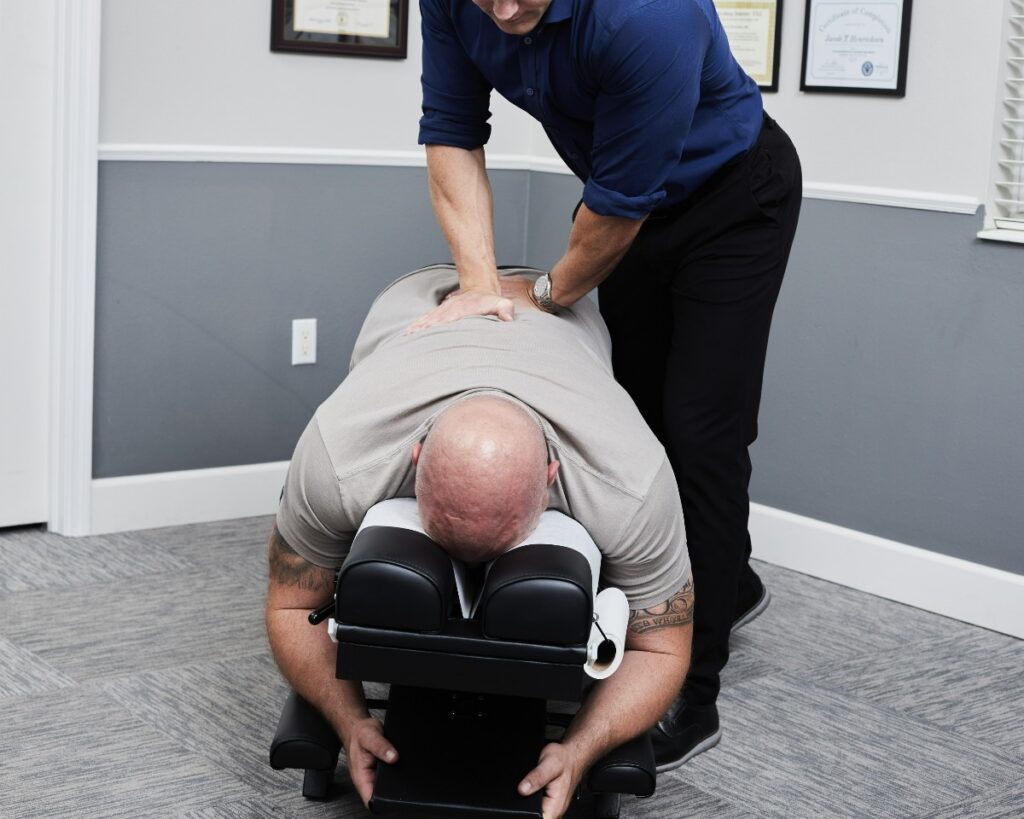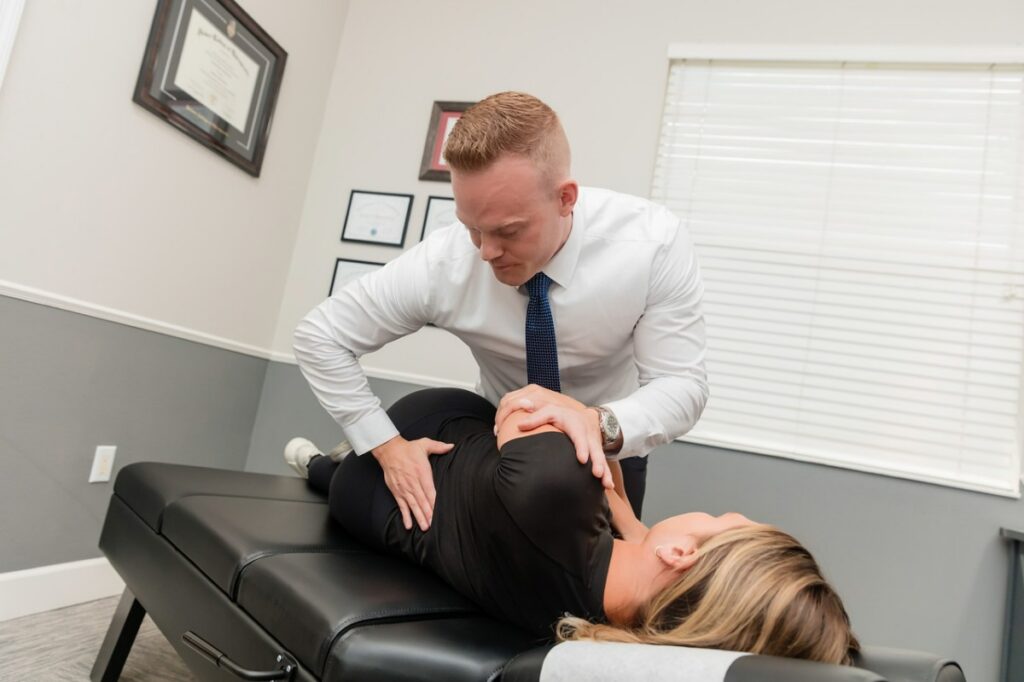

When stress starts to weigh you down, it's crucial to explore non-invasive ways to find relief. You might be surprised at how simple techniques, like deep breathing or mindfulness meditation, can transform your day. Engaging in physical exercise or taking nature walks not only boosts your mood but also enhances your mental clarity. And let's not forget the power of creative hobbies and social connections in easing tension. Curious about how these methods can fit into your life? The next few insights could change your approach to stress management.
Deep Breathing Techniques
When stress hits, deep breathing techniques can be your best ally. These simple yet powerful exercises can ground you, helping to calm your mind and body when life feels overwhelming. By focusing on your breath, you shift your attention away from stressors, creating a moment of tranquility.
To start, find a comfortable position, whether sitting or standing. Close your eyes and take a slow, deep breath in through your nose, letting your abdomen expand. Hold that breath for a few seconds, allowing your body to absorb the oxygen. Then, exhale slowly through your mouth, feeling any tension release as you do.
Repeat this process several times, aiming for a count of four on your inhale and six on your exhale. Adjust the counts as needed to suit your comfort.
You can also try the 4-7-8 technique, where you inhale for four counts, hold your breath for seven counts, and exhale for eight counts. This method not only calms your nervous system but also promotes relaxation and sleep.
Incorporate deep breathing into your daily routine—whether during a break at work or before bed—to cultivate a sense of peace.
Whenever you feel stress creeping in, remember that you hold the power to regain control with your breath. By practicing these techniques regularly, you'll build resilience and enhance your overall well-being, making it easier to navigate life's challenges.
Mindfulness Meditation
Mindfulness meditation offers you a powerful way to reduce stress and improve your overall well-being.
By practicing simple techniques, you can experience the benefits of being present and aware in the moment.
Let's explore how you can easily incorporate mindfulness into your daily routine.
Benefits of Mindfulness
In today's fast-paced world, practicing mindfulness meditation can offer a sanctuary from stress. By focusing your attention on the present moment, you'll find it easier to distance yourself from the worries that often cloud your mind. This practice helps ground you, allowing you to observe your thoughts and feelings without judgment.
One of the greatest benefits of mindfulness is its ability to enhance your emotional resilience. When you learn to recognize your thoughts, you can respond to them more effectively rather than react impulsively. This awareness can lead to reduced anxiety and improved mood.
Additionally, mindfulness meditation promotes better concentration and cognitive flexibility. You might notice that tasks become less overwhelming, as you're able to tackle them one step at a time.
Moreover, engaging in mindfulness can enhance your relationships. As you become more present, you'll likely communicate more effectively and listen more attentively, strengthening your connections with others.
Ultimately, incorporating mindfulness into your daily routine can lead to a deeper sense of peace and well-being, helping you navigate life's challenges with greater ease and clarity.
Simple Meditation Techniques
To kickstart your mindfulness meditation practice, find a quiet space where you can sit comfortably without distractions.
Once you're settled, close your eyes or lower your gaze to eliminate visual stimuli. Take a deep breath, inhaling through your nose and exhaling through your mouth. Focus on your breath, noticing how it feels as it enters and leaves your body.
When thoughts pop up, and they will, gently acknowledge them without judgment. Picture them as clouds floating by, then bring your focus back to your breath. Start with just five minutes a day, gradually increasing the duration as you become more comfortable.
You can also try a body scan technique. Begin at your toes and slowly move your attention up through your body, noticing any sensations or tension.
This practice helps you connect with your physical self, grounding you in the present moment.
Physical Exercise
Engaging in physical exercise is one of the most effective ways to relieve stress. When you get your body moving, you trigger the release of endorphins—those feel-good hormones that naturally boost your mood.
Whether it's a brisk walk, a vigorous workout, or a calming yoga session, any form of exercise can help you unwind and clear your mind.
You don't need to spend hours at the gym to reap the benefits. Even short bursts of physical activity can make a significant difference.
Try incorporating exercise into your daily routine, like taking the stairs instead of the elevator or doing a quick set of push-ups during breaks. These small changes can elevate your heart rate and shift your focus away from stressors.
Finding an activity you enjoy makes it easier to stick with it. You might prefer dancing, swimming, or even joining a local sports team.
Engaging in something that excites you creates a sense of accomplishment and distracts you from daily pressures.
Additionally, exercising in a group can provide social support and accountability, making it more enjoyable.
You'll find that connecting with others while being active can enhance your mood even further.
Nature Walks
Nature walks offer a rejuvenating escape from daily stressors and an opportunity to reconnect with yourself. Stepping outside into a natural setting can instantly lift your mood and clear your mind. Whether you're walking through a park, a forest, or along a beach, the sights, sounds, and smells of nature have a profound calming effect.
As you walk, pay attention to your surroundings. Notice the vibrant colors of the leaves, the gentle rustle of the wind, and the melody of birds singing. Allow yourself to be fully present in the moment. This mindfulness can help you let go of worries and distractions, grounding you in the here and now.
You don't need to walk for miles to reap the benefits. Even a short stroll can reduce anxiety and elevate your spirits. Try to incorporate these walks into your routine, making them a regular part of your self-care. Consider setting aside time each week specifically for this purpose.
Walking in nature also encourages physical activity, which releases endorphins—your body's natural stress relievers. Combine the movement with the soothing environment, and you create a powerful antidote to stress.
Aromatherapy
Aromatherapy uses essential oils to promote relaxation and reduce stress effectively.
You can explore various application techniques, from diffusing oils to adding them to baths.
Popular scents like lavender and eucalyptus can transform your space and elevate your mood.
Essential Oil Benefits
When you breathe in the soothing scents of essential oils, you're tapping into a powerful tool for stress relief. These natural extracts can help elevate your mood and promote a sense of calm.
Different essential oils offer various benefits; for instance, lavender is known for its relaxing properties, while citrus oils like lemon and orange can energize and uplift you.
Using essential oils can also enhance your focus and mental clarity. Oils like peppermint and rosemary stimulate the senses, making it easier to concentrate during stressful times. You might find that inhaling these scents helps clear your mind and improve your productivity.
Moreover, essential oils can promote better sleep, a vital element in stress management. Oils such as chamomile and bergamot can create a peaceful atmosphere, allowing you to unwind and drift off more easily.
Incorporating essential oils into your daily routine can be a simple yet effective way to combat stress. Whether you're looking to relax, energize, or enhance your focus, there's an essential oil tailored to meet your needs.
Just a few deep breaths can set the tone for a more balanced and peaceful day.
Application Techniques
There are several effective application techniques for using essential oils in aromatherapy to relieve stress. One popular method is inhalation. You can simply add a few drops of your chosen essential oil to a diffuser, allowing the soothing scent to fill your space. Alternatively, you can place a drop or two on a cotton ball and inhale it directly for immediate relief.
Another technique is topical application. Dilute essential oils with a carrier oil, like jojoba or coconut oil, before applying them to your skin. You might consider massaging the mixture onto pulse points, such as your wrists or neck, where the fragrance can be easily inhaled.
You can also create a calming bath by adding essential oils to your bathwater. Just mix a few drops with a carrier oil before adding it to the water to guarantee even distribution. This technique not only soothes your mind but also relaxes your body.
Lastly, you can make aromatic sprays by mixing essential oils with water in a spray bottle. This allows you to refresh your space anytime you feel stressed.
Whichever method you choose, these techniques can enhance your relaxation and overall well-being.
Popular Aromatherapy Scents
Choosing the right scents can greatly enhance your stress relief experience. Aromatherapy offers a variety of essential oils that can calm your mind and uplift your spirit. Here are some popular scents you should consider incorporating into your routine:
- Lavender: Known for its calming properties, lavender helps reduce anxiety and promote better sleep.
- Peppermint: This invigorating scent can boost your energy levels and improve mental clarity, perfect for when you need a pick-me-up.
- Citrus: Scents like lemon or orange can enhance your mood and reduce feelings of stress, making your space feel brighter.
- Sandalwood: Renowned for its grounding qualities, sandalwood can help you feel more centered and relaxed.
- Bergamot: This citrusy scent is known for its soothing effects, often used to alleviate feelings of tension and promote relaxation.
Experimenting with these scents can make a significant difference in how you handle stress.
Whether you use them in a diffuser, candles, or bath products, the right aroma can create a calming atmosphere, helping you unwind and recharge.
Journaling
Amid the chaos of daily life, journaling offers a powerful outlet for managing stress. When you put pen to paper, you create a space to process your thoughts and emotions. This simple act can help you gain clarity, allowing you to navigate your feelings more effectively.
You don't need to worry about grammar or structure; just let your thoughts flow freely. Writing down what's bothering you can help you externalize those worries, making them feel less overwhelming. In fact, many find that journaling helps them identify triggers and patterns in their stress, giving them insights into how to cope better.
Consider setting aside a few minutes each day to reflect on your experiences. You might write about your day's events, your emotions, or even things you're grateful for. This practice not only fosters mindfulness but also encourages positive thinking.
When you focus on gratitude, you shift your perspective, which can greatly reduce stress.
If you're unsure where to start, try prompts like "What made me smile today?" or "What challenges did I face, and how did I overcome them?" These questions can guide your writing and make it easier to engage.
Progressive Muscle Relaxation
You mightn't realize how much tension your muscles hold until you try to relax them.
Progressive Muscle Relaxation is a simple, step-by-step technique that helps you release that tension and improve your overall well-being.
Understanding Muscle Tension
Many people experience muscle tension as a physical manifestation of stress, often leading to discomfort and fatigue. You might notice tightness in your shoulders, neck, or back during stressful situations.
This tension can build up over time, causing both physical and emotional strain. Understanding muscle tension is essential for managing stress effectively.
Here are some key points to reflect upon about muscle tension:
- Physical Symptoms: Muscle tension can manifest as soreness, stiffness, or headaches.
- Emotional Connection: Stress and anxiety can trigger your body's fight-or-flight response, leading to tightened muscles.
- Awareness: Recognizing when you're holding tension is the first step toward relaxation.
- Impact on Daily Life: Chronic muscle tension can affect your productivity and overall well-being.
- Non-invasive Solutions: You can address muscle tension through various relaxation techniques, like deep breathing or gentle stretching.
Step-by-Step Technique
To effectively combat muscle tension and promote relaxation, Progressive Muscle Relaxation (PMR) offers a structured approach.
Begin by finding a quiet, comfortable space where you won't be disturbed. Sit or lie down, closing your eyes if you feel comfortable. Take a deep breath in and exhale slowly, allowing your body to start to relax.
Next, focus on your feet. Tense the muscles in your feet tightly for five seconds, then release and notice the relaxation. Move up to your calves, repeating the tension and release process.
Continue this pattern, working your way through each muscle group: thighs, abdomen, chest, arms, shoulders, neck, and face.
When you reach your face, scrunch your facial muscles tight and hold for five seconds before letting go. After finishing with your head, take a moment to breathe deeply and observe the overall sensation of relaxation throughout your body.
Finally, gradually bring your awareness back to the room, and when you're ready, open your eyes. You'll find that this simple technique can greatly reduce tension and promote a sense of calm.
Practice PMR regularly for the best results.
Benefits of Relaxation
How can Progressive Muscle Relaxation (PMR) enhance your well-being? By systematically tensing and then relaxing your muscles, PMR helps you to release physical tension and stress. This technique not only calms your mind but also promotes overall relaxation, leading to a multitude of benefits.
Here are some key advantages of incorporating PMR into your routine:
- Reduces Anxiety: PMR can greatly lower feelings of anxiety and stress.
- Improves Sleep Quality: Regular practice can lead to better sleep patterns and deeper rest.
- Enhances Focus: By clearing your mind, you can improve concentration and productivity.
- Relieves Physical Pain: Tension relief can alleviate headaches, back pain, and other discomforts.
- Boosts Emotional Well-being: A relaxed state can enhance mood and foster a sense of peace.
Incorporating PMR into your daily life can be a game-changer. Just a few minutes of practice can lead to lasting effects, making it an invaluable tool for managing stress and improving your overall quality of life.
Take the time to invest in your well-being; you'll be glad you did!
Warm Baths
When you slip into a warm bath, the soothing heat envelops your body, helping to melt away stress and tension. The water's warmth relaxes your muscles, promoting better blood circulation and easing physical discomfort.
In this tranquil space, you can let go of the day's worries, allowing your mind to enter a calm state.
To enhance your experience, consider adding bath salts or essential oils. Epsom salt can help reduce muscle soreness while lavender oil promotes relaxation and sleep.
You might also light some candles or play soft music to create a serene atmosphere that further enhances your sense of peace.
Taking a warm bath isn't just about the physical benefits; it's a moment for self-care. You deserve this time to unwind and recharge.
Make sure you set aside at least 20 minutes of uninterrupted time, allowing yourself to fully embrace this calming ritual.
As you soak, focus on your breathing. Inhale deeply, filling your lungs with air, then exhale slowly, releasing any lingering tension.
This mindfulness practice can deepen your relaxation and help you reconnect with your body and mind.
Creative Hobbies
Engaging in creative hobbies can be an effective way to relieve stress and boost your mood. When you immerse yourself in activities that tap into your imagination, you give your mind a break from daily worries. Creative hobbies allow you to express yourself while also providing a sense of accomplishment.
Here are some great options to explore:
- Painting or Drawing: Whether you're using watercolors or sketching with pencils, visual art can be a fantastic outlet for emotions.
- Writing: Journaling, poetry, or storytelling can help you articulate feelings and process experiences, making it a therapeutic practice.
- Crafting: Knitting, sewing, or building models can keep your hands busy while your mind relaxes. This repetitive motion often feels meditative.
- Photography: Capturing the beauty around you not only encourages you to explore but also helps you focus on the present moment.
- Music: Playing an instrument or even singing along to your favorite songs can elevate your spirits and serve as a wonderful form of self-expression.
No matter which creative hobby you choose, the key is to enjoy the process without worrying about the outcome. Allow yourself to play and experiment, and you may find that creativity becomes a powerful tool for managing stress.
Social Connections
Creative hobbies can be a great way to express yourself, but connecting with others can amplify those benefits. When you engage in activities with friends or family, you not only enhance your enjoyment but also create a support system that helps relieve stress. Sharing your passions fosters deeper relationships, making you feel valued and understood.
Consider joining a local club or group that aligns with your interests. Whether it's a book club, a painting class, or a gardening group, these settings allow you to meet like-minded people. Engaging in conversations about your hobbies can lead to new friendships and boost your mood, as you're surrounded by individuals who share your enthusiasm.
Don't underestimate the power of simple social interactions. Just chatting with a friend over coffee or video calling a family member can provide a significant lift. These moments of connection can release oxytocin, the "feel-good" hormone, which helps reduce stress and anxiety.
Even online communities can offer support. Platforms like forums or social media groups provide a space to share your creative endeavors and receive encouragement from others. Participating in these dialogues can help you feel more connected, even from a distance.
Incorporating social connections into your life doesn't have to be complicated. Just remember that the relationships you build can be a powerful antidote to stress, enhancing both your creative expression and overall well-being.
Conclusion
Incorporating these ten non-invasive stress relief methods into your daily routine can make a significant difference in your well-being. By practicing deep breathing, exploring mindfulness, or enjoying a nature walk, you'll find yourself more relaxed and centered. Don't underestimate the power of creative hobbies or social connections—they enhance your emotional health. Remember, taking time for yourself isn't selfish; it's essential. Start today, and discover which techniques resonate with you for a more peaceful life.