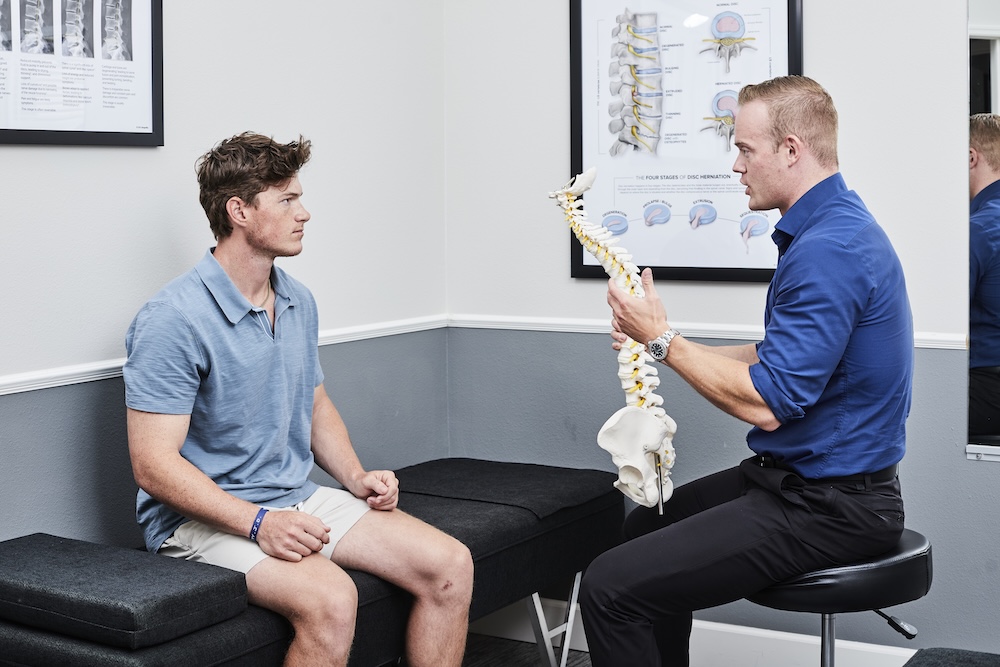

Neck pain can often feel like a persistent burden, but it doesn’t have to be part of your daily life. As a chiropractor, I believe that by understanding the common causes of neck pain and making simple adjustments to your daily routine, you can significantly reduce discomfort and improve your overall neck health.
Poor posture, stress, and lack of movement are frequent culprits that lead to neck strain. The good news is that there are effective, natural ways to address these issues without the need for invasive treatments or medications. Chiropractic care is a powerful approach to achieving optimal health and relieving neck pain.
Here are some tips to help you take control of your neck health:
- Maintain Good Posture: Whether you’re sitting at a desk or using your phone, be mindful of your posture. Keep your head aligned over your shoulders and avoid hunching forward. Remember to take breaks and stretch your neck and shoulders.
- Stay Active: Regular movement is essential for spinal health. Incorporate gentle stretching and exercises into your daily routine to promote flexibility and strength in your neck muscles.
- Manage Stress: High levels of stress can contribute to muscle tension in your neck. Engage in relaxation techniques such as deep breathing, yoga, or meditation to help alleviate stress and promote a sense of calm.
- Seek Chiropractic Care: Regular chiropractic adjustments can help realign your spine, reduce tension, and improve mobility in your neck. A chiropractor can assess your specific needs and provide personalized care to help you feel your best.
- Use Supportive Pillows: Ensure your pillow supports your neck properly while you sleep. Choose a pillow that keeps your head and spine aligned to help reduce strain on your neck.
By incorporating these simple strategies into your life and seeking chiropractic care, you can minimize neck pain and enhance your overall well-being. Remember, you have the power to take charge of your health and enjoy a pain-free life. Don’t let neck pain hold you back—embrace a healthier, happier you!
Key Takeaways
Neck pain is often caused by everyday issues like poor posture and muscle strain. Fortunately, these problems can be easily managed through simple adjustments and exercises. By focusing on proper ergonomics and incorporating gentle stretching into your routine, you can significantly reduce tension and improve mobility in your neck.
Regular movement and effective exercises are key to enhancing neck health. Not only do they help relieve pain, but they also promote a greater range of motion. This makes it clear that suffering from neck pain doesn’t have to be a part of your life.
Chiropractic care is an excellent option for addressing neck pain naturally. By realigning the spine and alleviating muscle tension, chiropractic adjustments can provide relief that lasts. Additionally, complementary therapies like massage and acupuncture can also enhance your healing process and contribute to overall well-being.
To further support your neck health, consider making ergonomic adjustments to your workspace. Simple changes like adjusting your chair height or using a supportive pillow can prevent strain and promote a healthier posture. This proactive approach can significantly lower your chances of experiencing neck pain in the future.
If you find yourself dealing with persistent discomfort, seeking chiropractic care early on can prevent the development of chronic neck pain. By prioritizing your spinal health, you’re taking an important step towards improving your overall well-being. Remember, chiropractic care is not just about pain relief; it’s about achieving optimal health and living your best life.
Understanding the Common Causes of Neck Pain
Understanding the Common Causes of Neck Pain
Neck pain can arise from various sources, and grasping these common causes is key to finding relief. One major contributor is muscle strain, which often occurs from overexertion or sleeping in awkward positions. If you’ve ever woken up with a sore neck, you know what I mean! Injuries, such as whiplash from car accidents or falls, can also lead to significant discomfort.
Another frequent cause is degenerative disc disease. Over time, the cushioning between your vertebrae can wear down, which may result in pain. Additionally, medical conditions like arthritis can contribute to neck pain as well. Stress is another culprit; tension can tighten your neck muscles, leading to chronic discomfort. If you find yourself hunched over a computer or phone for long periods, you might notice that your neck pain increases.
So, what can you do about it? Here are some helpful tips:
- Practice Good Posture: Make sure your workspace is ergonomically friendly. Keep your computer screen at eye level and your chair adjusted properly to support your back.
- Take Breaks: If you’re sitting for long periods, make sure to take regular breaks to stretch and move around. This can help alleviate tension in your neck.
- Sleep Smart: Choose a supportive pillow that keeps your neck aligned while you sleep. Avoid sleeping on your stomach, as it can strain your neck.
- Stay Active: Regular exercise can help strengthen your neck and shoulder muscles, providing better support and reducing pain.
- Consider Chiropractic Care: Chiropractic adjustments can help realign your spine and relieve tension in your neck. Our goal is to help you achieve optimal health through natural healing methods.
By identifying these sources of discomfort and integrating these simple strategies into your daily life, you can take actionable steps toward relief.
The Impact of Poor Posture on Neck Health
Poor posture can significantly impact your neck health, and as a chiropractor, I see this issue frequently in my practice. When you slouch or hunch over your devices, it places unnecessary strain on your neck muscles and spine, which can lead to discomfort and long-term problems if not addressed.
Let’s explore three ways poor posture affects your neck and how chiropractic care can help:
- Increased Muscle Tension: When your head is held forward, it puts a strain on the neck muscles, leading to tightness and discomfort. Regular chiropractic adjustments can help restore proper alignment and relieve tension in these muscles, promoting relaxation and comfort.
- Misalignment of the Spine: Poor posture can contribute to misalignment of the spine, which can result in chronic pain and decreased mobility. Chiropractic care focuses on realigning the spine, improving your overall posture, and helping to alleviate pain. A well-aligned spine supports better function and mobility.
- Reduced Blood Flow: Slouching can restrict blood circulation to the neck area, leading to fatigue and stiffness. Chiropractic adjustments enhance blood flow and promote healing, ensuring your body receives the nutrients and oxygen it needs to function optimally.
Tips for Better Neck Health:
- Be mindful of your posture, especially when using devices. Try to keep your head aligned with your spine.
- Take regular breaks to stretch and move around, allowing your neck and back muscles to relax.
- Consider incorporating exercises that strengthen your neck and upper back, as a strong support system can improve your posture over time.
Remember, chiropractic care is a natural and effective way to achieve optimal neck health. If you’re experiencing discomfort or would like to improve your posture, don’t hesitate to reach out for a consultation.
Together, we can work towards a healthier, pain-free life!
Stress and Its Role in Neck Discomfort
Stress can lead to physical tension in your neck, often resulting in discomfort that you may not even realize is linked to your mental state. When you find yourself feeling overwhelmed, your posture tends to suffer, which can put extra strain on your neck muscles.
Understanding this connection is crucial for finding effective relief and enhancing your overall wellness.
Chiropractic care is an excellent way to address neck discomfort caused by stress. By focusing on spinal alignment and muscle relaxation, chiropractic adjustments can help alleviate tension, improve posture, and promote a sense of well-being.
Regular visits to your chiropractor can provide long-lasting benefits, allowing your body to function optimally.
In addition to chiropractic care, there are several tips you can incorporate into your daily routine to help manage stress and reduce neck discomfort. Here are a few:
- Practice Good Posture: Be mindful of your posture while sitting, standing, or working at a desk. Keeping your shoulders back and your head aligned over your spine can reduce strain.
- Take Breaks: If you find yourself sitting for long periods, take regular breaks to stretch and move around. Simple neck stretches can help relieve tension.
- Stay Hydrated: Drinking plenty of water can help keep your muscles hydrated and functioning properly.
- Incorporate Relaxation Techniques: Practices such as deep breathing, yoga, or meditation can help reduce stress levels and promote relaxation.
- Get Regular Chiropractic Adjustments: Regular visits to your chiropractor can help maintain optimal spinal health and prevent tension from building up.
By taking these steps and considering chiropractic care, you can effectively manage neck discomfort related to stress and enhance your overall health and wellness.
Physical Tension and Stress
When you experience physical tension, particularly tightness in your neck, it often stems from stress. This tension can’t only be uncomfortable but can significantly affect your daily activities.
As a local chiropractor, I want to share some effective strategies to help you manage this tension naturally and promote overall wellness. Chiropractic care is a fantastic option for addressing these issues and achieving optimal health.
1. Deep Breathing: Take a few moments to focus on your breath. Inhale deeply through your nose, hold for a few seconds, and exhale slowly through your mouth. This practice not only calms your mind but also helps relax your muscles.
Incorporating deep breathing into your day can enhance your overall well-being.
2. Regular Stretching: Gentle neck stretches can be incredibly beneficial. Simple movements, like tilting your head side to side or gently rolling your shoulders, can relieve tightness and improve flexibility.
Remember, a well-aligned spine supports your neck, so regular chiropractic adjustments can further enhance your range of motion and reduce tension.
3. Mindfulness Practices: Engaging in mindfulness techniques such as meditation or yoga can be incredibly effective. These practices help reduce stress, promote relaxation, and alleviate neck tension.
Additionally, chiropractic care can complement these activities by ensuring your spine is properly aligned, allowing your body to function at its best.
By incorporating these strategies into your routine and considering regular chiropractic care, you can effectively manage physical tension and stress.
Embrace a healthier lifestyle and take charge of your well-being naturally!
Posture and Mental Strain
Your posture is crucial for your overall well-being, especially when it comes to neck discomfort, which is often linked to mental strain. When you find yourself slouching or hunching over, it not only adds stress to your neck but can also heighten feelings of anxiety and tension. This creates a cycle that can worsen your discomfort, making it essential to focus on maintaining a healthy posture.
Let’s explore how mental strain can affect your neck and what you can do to alleviate the pain:
| Aspect | Impact on Neck Pain |
|---|---|
| Slouching | Increases muscle tension |
| Stress | Causes tightening of muscles |
| Prolonged sitting | Leads to stiffness |
| Poor ergonomics | Worsens alignment |
| Lack of breaks | Increases fatigue |
To combat these issues and promote natural healing, consider these simple tips:
- Sit Up Straight: Ensure that your back is straight and shoulders are relaxed when sitting. This will help reduce strain on your neck.
- Take Frequent Breaks: If you sit for long periods, get up every 30 minutes to stretch and move around. This will help reduce stiffness and refresh your muscles.
- Create a Ergonomic Workspace: Set up your desk so that your computer screen is at eye level, and your chair supports your lower back. This will improve your posture and alignment.
- Practice Relaxation Techniques: Incorporate deep breathing, meditation, or gentle stretches into your daily routine to help relieve mental strain and tension in your neck.
- Consult a Chiropractor: Regular chiropractic adjustments can help maintain proper spinal alignment, relieve tension, and improve your overall health. Chiropractic care is a natural and effective way to address neck pain without resorting to medications or invasive procedures.
Effective Exercises to Alleviate Neck Tension
Neck tension can arise from a variety of everyday activities, but incorporating effective exercises into your routine can significantly alleviate discomfort and enhance your overall well-being.
By dedicating just a few minutes each day to these simple movements, you’ll not only reduce tension but also improve your neck’s mobility, which is essential for optimal health.
Here are three easy exercises to consider:
- Neck Stretch: Find a comfortable sitting or standing position. Slowly tilt your head to one side, bringing your ear toward your shoulder. Hold this position for 15-30 seconds, then gently switch to the other side. This stretch helps release tight muscles and promotes relaxation.
- Chin Tucks: While either sitting or standing, gently tuck your chin towards your chest while keeping your back straight. Hold this position for about 5 seconds before releasing. Aim to repeat this exercise 10 times. Chin tucks help strengthen the muscles that support your spine, which is vital for maintaining good posture and reducing neck strain.
- Shoulder Shrugs: Raise your shoulders towards your ears, hold for a brief moment, and then let them drop. Repeat this 10 times. Shoulder shrugs are an excellent way to relieve tension in both your upper back and neck, offering immediate relief.
Incorporating these exercises into your daily routine can make a significant difference in maintaining a relaxed and pain-free neck.
Remember, while these exercises are beneficial, they work best alongside regular chiropractic care, which addresses the root causes of neck discomfort and promotes overall spinal health.
Chiropractic adjustments can help realign your spine, improve circulation, and enhance your body’s natural ability to heal, all of which contribute to long-lasting relief from neck tension.
Take charge of your health today by combining these exercises with professional chiropractic care for optimal wellness!
Ergonomic Adjustments for a Pain-Free Workspace
To create a pain-free workspace, it’s essential to make ergonomic adjustments tailored to your body, which can significantly enhance your overall well-being.
Start by adjusting your desk height so that your elbows are at a comfortable 90-degree angle when typing. Position your monitor at eye level to prevent straining your neck, and ensure your chair supports your lower back, promoting proper spinal alignment. These simple changes can help alleviate neck and back pain during your workday.
In addition to these adjustments, consider incorporating regular breaks into your routine. Standing up, stretching, and moving around every hour can help maintain healthy circulation and reduce tension in your muscles.
Remember, proper posture is key—keep your feet flat on the ground, with your knees slightly lower than your hips.
As a chiropractor, I encourage you to prioritize your spinal health by being mindful of your workspace setup. Chiropractic care can help address any existing discomfort and provide guidance on maintaining a healthy posture.
Desk Height Optimization
Proper desk height is crucial for maintaining a pain-free workspace, as it significantly influences your posture and overall comfort. When your desk is set at the optimal height, you can work efficiently without straining your neck or back, which is essential for your spinal health.
Here are three simple tips to help you optimize your desk height for better wellness:
- Elbow Position: Make sure your elbows are at a 90-degree angle while typing, with your forearms parallel to the ground. This position helps to keep your spine aligned and can prevent discomfort.
- Feet Placement: Keep your feet flat on the floor or on a footrest. This supports your lower back and helps maintain proper posture, reducing the risk of pain and tension that can arise from poor alignment.
- Wrist Alignment: Ensure your wrists are straight and not bent while using your keyboard. This alignment minimizes tension in your neck and shoulders, contributing to a healthier workspace.
Remember, chiropractic care is an excellent choice for achieving optimal health and addressing any discomfort that may arise from poor desk ergonomics.
Monitor Placement Guidelines
Adjusting your monitor placement is essential for maintaining a healthy spine and overall well-being in your workspace. As a chiropractor, I can’t stress enough how important it’s to position your monitor at eye level. This prevents unnecessary strain on your neck, which can lead to discomfort and even chronic pain over time. Aim for the top of your monitor to be at or slightly below eye level, allowing your gaze to naturally fall downward.
To further protect your eyes and neck, keep your monitor about an arm’s length away. This helps reduce eye strain and promotes better posture. Additionally, tilting your screen slightly back can minimize glare and enhance visibility, making it easier to work without forcing your body into awkward positions.
If you use dual monitors, place them close together and at the same height. This helps maintain a neutral neck position and reduces the risk of tension in your upper back. By making these simple adjustments, you can significantly lower your chances of neck pain and improve your overall comfort while working.
Remember, caring for your spine is a vital part of living a healthy life. Regular chiropractic care can help support your body, alleviate pain, and ensure that you can work comfortably for hours on end.
Take these tips to heart, and prioritize your spinal health for a better, pain-free work experience!
Chair Support Features
A well-designed chair can truly transform your workspace, providing vital support to keep you comfortable and pain-free. As a chiropractor, I understand how crucial it’s to prioritize your spinal health, and investing in a chair with ergonomic adjustments can significantly reduce the risk of neck and back pain.
Here are three essential features to look for:
- Adjustable Lumbar Support: This feature is designed to help maintain the natural curve of your spine. Proper lumbar support reduces strain on your neck and shoulders, allowing for better alignment and less discomfort. Remember, a healthy spine is key to overall wellness!
- Height Adjustment: A chair that allows you to adjust the seat height ensures that your feet are flat on the floor. This promotes proper posture, which is essential for spinal health. Keeping your knees at a 90-degree angle can help prevent discomfort and fatigue during long hours of sitting.
- Armrest Adjustability: Look for armrests that can be adjusted to provide support for your arms while typing or using the mouse. Proper arm positioning helps reduce tension in your neck and shoulders, making it easier to maintain a relaxed and comfortable posture.
Incorporating these chair support features into your workspace can greatly enhance your comfort and contribute to better spinal health.
Remember, maintaining a healthy spine is vital for overall well-being, and chiropractic care can be a fantastic resource for achieving optimal health. If you experience any discomfort, consider visiting your local chiropractor for personalized advice and natural healing options.
The Importance of Regular Breaks and Movement
While it may not cross your mind during a hectic day, taking regular breaks and adding movement to your routine can significantly alleviate neck pain. When you sit for extended periods, your neck muscles can become strained, leading to discomfort. Setting a timer to remind yourself to stand, stretch, or take a short walk every hour allows your neck and spine to reset and rejuvenate.
Incorporating simple movements, such as rolling your shoulders or gently tilting your head from side to side, can help relieve tension and improve your overall well-being. These quick breaks not only benefit your neck but also enhance your productivity and focus. Moving around increases blood flow, nourishing your muscles and helping to prevent stiffness.
Never underestimate the power of movement. Even brief, intentional breaks can make a world of difference in how your neck feels. Start incorporating these habits today, and you may find relief from that persistent pain.
As your local chiropractor, I encourage you to explore chiropractic care as a holistic approach to maintaining optimal health. Regular chiropractic adjustments can help align your spine, improve your posture, and reduce pain naturally—without the need for medications or invasive procedures.
Alternative Therapies for Neck Pain Relief
If you’re experiencing neck pain, exploring natural healing options can lead to significant relief. As a chiropractor, I want to share how chiropractic care stands out as an effective solution for alleviating discomfort and promoting overall wellness. Here are three methods to consider, with a special focus on the benefits of chiropractic care:
1. Chiropractic Care: Regular visits to a chiropractor can help realign your spine, which is essential for relieving pressure on nerves and alleviating pain. Through gentle adjustments, we can improve your neck’s mobility and restore proper function.
This not only helps in reducing pain but also enhances your body’s natural ability to heal itself. Remember, a well-aligned spine is key to optimal health!
2. Acupuncture: While I emphasize chiropractic care, acupuncture is another option some people find helpful. It involves inserting thin needles into specific points on the body, which may promote blood flow and trigger the release of endorphins.
However, I recommend considering chiropractic first, as it addresses the root cause of your discomfort directly.
3. Massage Therapy: While massage can be beneficial for releasing tension in tight neck and shoulder muscles, it’s often most effective when combined with chiropractic adjustments.
Together, these methods can improve circulation and enhance your relaxation, leading to longer-lasting relief.
General Tips for Neck Pain Relief:
- Maintain good posture: Be mindful of how you sit and stand throughout the day. Proper alignment can prevent strain on your neck.
- Take breaks: If you’re working at a desk, take regular breaks to stretch and move around. This helps alleviate tension.
- Stay hydrated: Drinking plenty of water supports your overall health and helps maintain the elasticity of your muscles and tissues.
Integrating chiropractic care into your wellness routine may provide the lasting relief you’ve been looking for.
If you’re ready to take a step towards a pain-free life, consider scheduling a chiropractic consultation today!
When to Seek Professional Help for Neck Issues
Neck pain is something many of us deal with, but there are times when it’s crucial to reach out for professional help, especially through chiropractic care. While self-care and home remedies can be effective, certain symptoms signal the need for a skilled chiropractor. If you notice any of the following issues, it’s important to take action:
| Symptom | Duration | Recommended Action |
|---|---|---|
| Severe pain | Lasting more than 24 hours | Schedule a visit with your chiropractor |
| Numbness or tingling | Persistent | Seek a chiropractic evaluation right away |
| Loss of strength | Sudden onset | Contact your chiropractor immediately |
| Pain after an injury | Any time after trauma | Visit your chiropractor as soon as possible |
| Frequent headaches with neck pain | Ongoing occurrences | Get a thorough assessment from your chiropractor |
Don’t overlook these signs. Ignoring them could lead to more significant issues down the line. By visiting a chiropractor, you’re taking a proactive step towards natural relief and recovery.
Here are some general tips to keep your neck healthy and pain-free:
- Maintain Good Posture: Whether you’re sitting at a desk or standing, keeping your spine aligned can help prevent neck strain.
- Take Breaks: If you’re on the computer or doing any repetitive tasks, remember to take short breaks to stretch and move around.
- Stay Hydrated: Drinking enough water can help keep your spinal discs well-hydrated and functioning properly.
- Sleep Smart: Use pillows that support your neck and keep your spine aligned while you sleep.
- Gentle Stretching: Incorporate simple neck stretches into your daily routine to enhance flexibility and reduce tension.
Chiropractic care focuses on the root cause of your discomfort and helps promote overall wellness through natural methods. Don’t hesitate to reach out if you’re experiencing any of the symptoms listed above—your path to a healthier, pain-free life could begin with a visit to your chiropractor.
Conclusion
You don’t have to live with neck pain any longer. Understanding what causes neck discomfort and making a few simple lifestyle changes can transform your well-being. One of the most effective ways to alleviate neck pain is by focusing on your posture—whether you’re sitting at a desk or using your phone, maintaining a proper alignment can make a significant difference.
Regular exercise plays a crucial role in strengthening the muscles that support your neck. Incorporate gentle stretches and movements into your daily routine to enhance flexibility and reduce tension. Additionally, creating an ergonomic workspace is essential. Ensure your computer monitor is at eye level, and your chair supports your lower back to promote good posture.
Taking periodic breaks throughout your day can also help relieve tension. Stand up, stretch, and move around every hour to keep your muscles engaged and reduce stiffness.
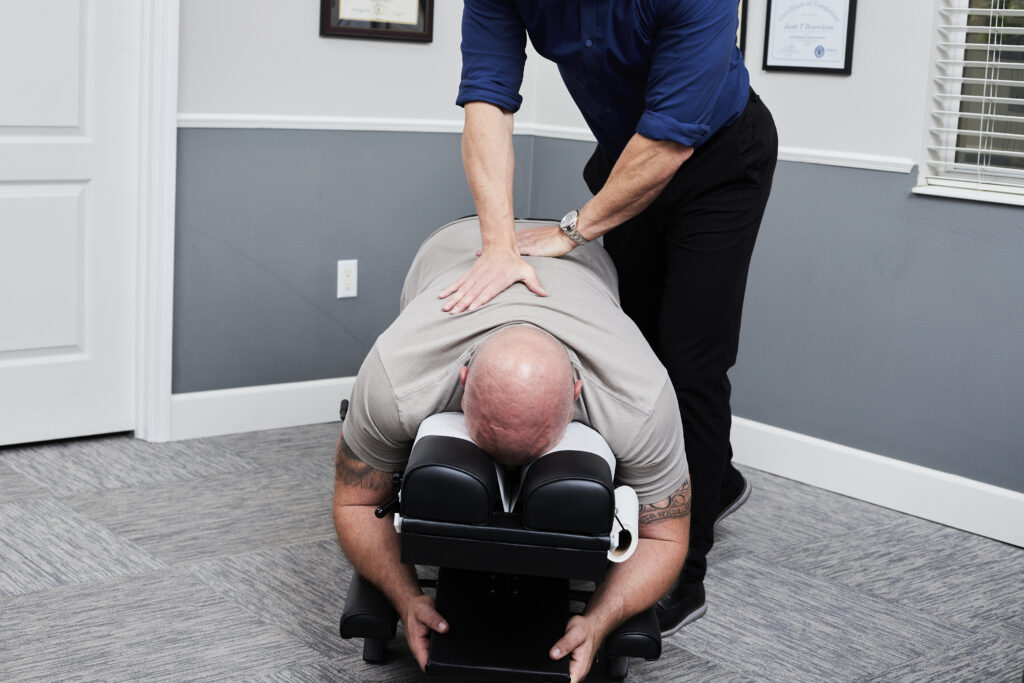
If neck pain persists, chiropractic care can be an excellent option for natural relief. Chiropractors are trained to identify misalignments in the spine that can contribute to neck discomfort. By using hands-on adjustments, we can help restore proper alignment, allowing your body to heal naturally.
Remember, taking proactive steps today—like adjusting your posture, exercising regularly, and considering chiropractic care—can lead to a pain-free tomorrow. Enjoy your daily activities without the burden of neck strain, and embrace a healthier, more active lifestyle!