
Understanding Sciatica: Symptoms, Causes, and Chiropractic Care in Lutz
If you’ve ever felt a sharp, shooting pain that runs from your lower back down the back of your leg, you’re not alone. Here in Lutz, many people come to Crystal Grove Chiropractic worried they have sciatica—and they want to know what it is, why it happens, and how to get real relief. My goal with this article is to explain sciatica in simple terms, reduce the fear around it, and walk you through how chiropractic care provides a frontline, conservative solution that helps many patients feel and function better.
What is sciatica? Sciatica is a pattern of pain, tingling, numbness, or weakness caused by irritation of the sciatic nerve. It most often starts in the lower back or buttock and can travel into the leg and foot. The pain can be mild and achy or sharp and electric.
Table of Contents
- Sciatica, Simply Explained
- Signs and Symptoms
- Common Causes and Triggers
- How We Diagnose Sciatica at Crystal Grove Chiropractic
- Chiropractic Care for Sciatica: Our Frontline Approach
- Practical Self-Care Tips You Can Start Today
- When to See a Chiropractor in Lutz
- When We Refer or Co-Manage
- Myths and Facts About Sciatica and Chiropractic
- A Local Note from Crystal Grove Chiropractic
- FAQs
- TL;DR
Sciatica, Simply Explained
The sciatic nerve is the largest nerve in your body. It forms from several nerve roots in your lower spine and travels through the buttock and down the back of each leg. When tissue near that nerve becomes inflamed, tight, or compressed—such as a joint, disc, or muscle—you can feel pain that “radiates” along the nerve’s path. That’s why sciatica can be felt far from where the irritation actually starts.
It’s helpful to remember: sciatica is a description of a nerve pain pattern, not a single diagnosis. Our job is to find the specific source of your irritation and address it directly, so you can move with confidence again.
Signs and Symptoms
Patients often describe sciatica as a sharp, shooting, or burning pain that starts in the lower back or buttock and travels into the thigh, calf, or foot. It may feel worse with coughing, sneezing, sitting too long, or bending forward. Some people notice tingling, “pins and needles,” numbness, or leg weakness. Others feel a deep ache that comes and goes.
Symptoms can be mild to severe, constant or intermittent. Just because the pain runs down the leg doesn’t mean the problem is severe—many cases are very manageable with a targeted, conservative plan. A thorough examination helps us determine how irritated the nerve is and what type of care will help most.
Common Causes and Triggers
There are several reasons the sciatic nerve can become irritated. Below are common sources we evaluate in our clinic and how they may affect the nerve.
| Common Cause or Trigger | How It Can Affect the Sciatic Nerve |
|---|---|
| Lumbar disc irritation or herniation | Bulging or herniated disc material can inflame or press near the nerve root where the sciatic nerve begins. |
| Spinal joint dysfunction | Restricted or irritated facet joints in the lower spine can create local inflammation and referred pain patterns. |
| Degenerative changes | Age-related changes may narrow spaces where nerves travel (stenosis), increasing irritation with standing or walking. |
| Muscle spasm or piriformis irritation | Spasm in deep hip muscles can compress or irritate the nerve as it passes through the buttock. |
| Prolonged sitting or poor ergonomics | Static postures and slumped sitting increase load on discs and tension on the nerve. |
| Repetitive bending or lifting with poor mechanics | Overloads spinal structures and may sensitize nearby nerve tissue. |
| Pregnancy-related changes | Postural shifts and ligament changes can irritate lower back structures and nearby nerves. |
In real life, there’s often a combination at play: a stiff lower back, deconditioned core, and a few long days at a desk can be enough to flare symptoms. The good news is that most of these drivers respond well to precise, hands-on chiropractic care and smart movement strategies.
How We Diagnose Sciatica at Crystal Grove Chiropractic
Accurate diagnosis is the foundation of effective care. At your first visit, we take the time to understand your story—how the pain started, what makes it better or worse, and how it’s affecting work, sleep, or activities here in Lutz.
We then perform a focused physical and neurological exam. This can include checking posture, spinal motion, muscle tone, reflexes, sensation, and strength. Gentle nerve tension tests help us determine whether a disc, joint, or muscle is most involved. We also assess how your hips, pelvis, and core are supporting your lower back.
Imaging isn’t always necessary. Many cases can be confidently managed based on history and exam. If we suspect a condition that requires more information—like a significant disc herniation or spinal stenosis—we will order or refer for appropriate imaging (such as MRI) and coordinate with other healthcare providers when needed.
Chiropractic Care for Sciatica: Our Frontline Approach
Chiropractic care is a primary, non-invasive solution for many people with sciatica. At Crystal Grove Chiropractic, we build a plan around you—your body, your job demands, your family life, and your goals. The aim is to calm irritation, restore healthy motion, and help you return to normal activity with confidence.
What to expect from care
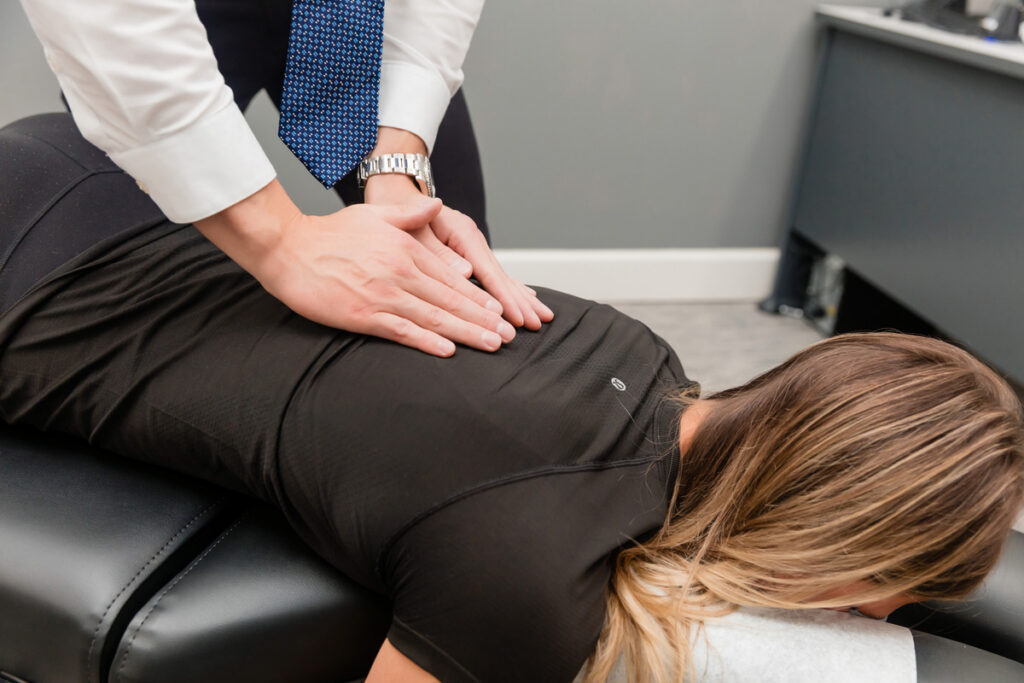
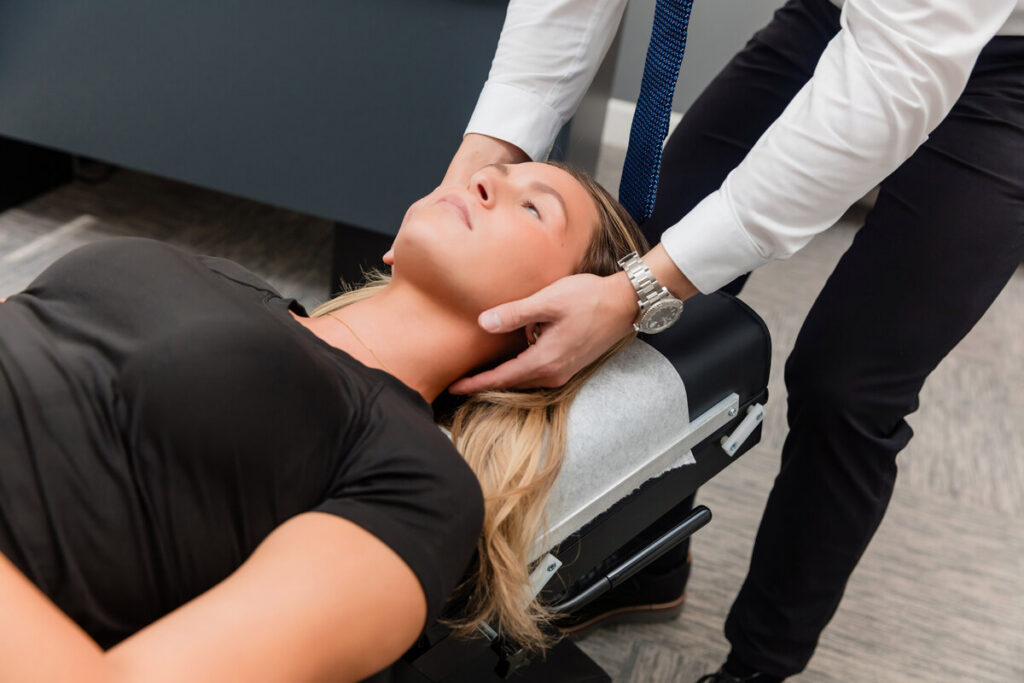
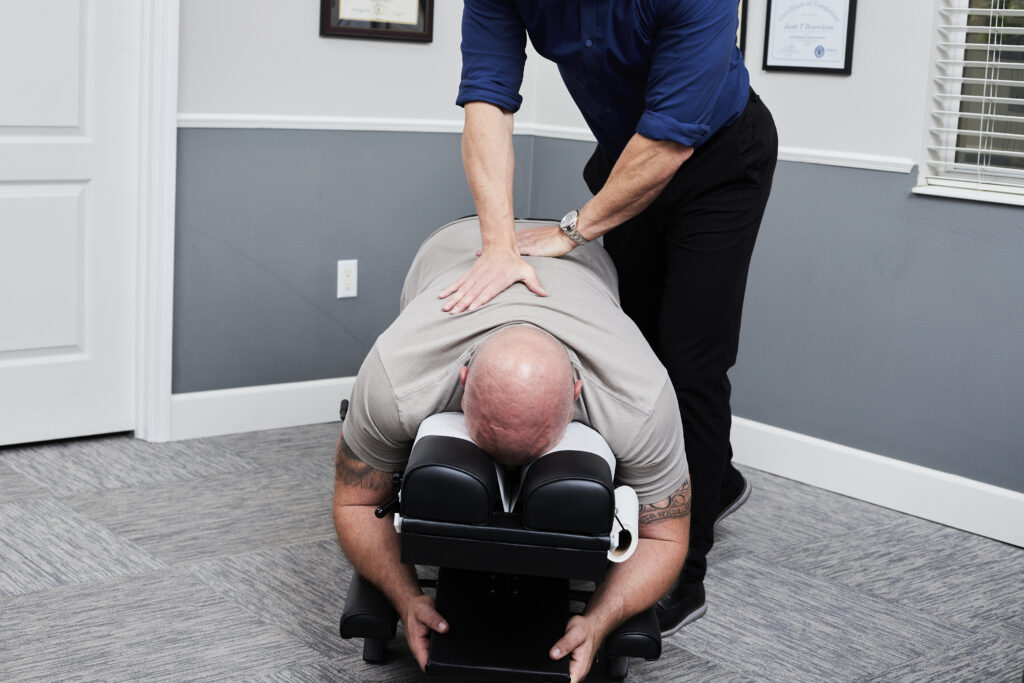
Spinal adjustments are at the heart of what we do. When joints in the lower back and pelvis aren’t moving well, surrounding tissues can become inflamed and sensitive. Safe, precise adjustments help restore motion and reduce mechanical stress. As that improves, nerve irritation often settles and pain eases.
We may also use gentle, targeted techniques for the hips and soft tissues to reduce spasm and improve flexibility. For some patients, nerve mobility work is introduced carefully as symptoms allow. Each plan progresses step-by-step, matching your tolerance and goals.
Why adjustments help
Think of your spine like a series of links. When a few links stiffen, the links above and below take on extra load. Over time, that extra load sensitizes tissues, especially near nerve roots. By improving how those links move together, chiropractic adjustments can reduce irritation in the neighborhood of the sciatic nerve and support healthier movement patterns.
Evidence and safety notes
Research supports non-pharmacologic, conservative care for low back-related pain symptoms, including spinal manipulation, as a first-line option in many cases. Guidance from organizations such as the American College of Physicians and NICE (UK) includes manual therapy/spinal manipulation within recommended conservative approaches for low back pain and sciatica symptoms. As with any healthcare, individual responses vary, and your plan will be tailored to your presentation and goals.
References for further reading: American College of Physicians guideline (2017); NICE Guideline NG59: Low back pain and sciatica; NCCIH – Spinal Manipulation.
How long until I feel better?
Many patients notice improvement within the first few visits. Others, especially those with longer-standing symptoms, may take a few weeks to progress. Healing is rarely linear—you might have better and worse days on the way to steady improvement. We monitor changes closely and keep you moving forward at a sustainable pace.
Practical Self-Care Tips You Can Start Today
Small daily habits make a big difference. These tips are safe and simple ways to support your recovery between visits.
- Keep moving in gentle ways. Short, frequent walks and breaks from sitting reduce stiffness. Aim to stand, change positions, or walk for a couple of minutes every 30–45 minutes.
- Find your neutral. When sitting, keep feet flat, hips slightly higher than knees, and a small curve in your lower back with a cushion or rolled towel.
- Sleep smart. Side-lying with a pillow between your knees or on your back with a pillow under your knees can reduce strain.
- Warm up, then lift. Before yard work or gym time, do a few minutes of easy movement. When lifting, keep the load close, hinge at the hips, and avoid twisting while bent forward.
- Use heat or cold based on comfort. If you’re tight and achy, gentle heat can soothe. If you feel sharp, inflamed pain after activity, try a brief cold pack. Choose what helps you the most.
When to See a Chiropractor in Lutz
If your leg pain is new, recurring, or getting in the way of work, exercise, or sleep, it’s reasonable to schedule an evaluation. Early attention often means faster relief and fewer flare-ups.
Specific signs you’ll benefit from a chiropractic exam include pain that travels below the buttock, symptoms that worsen with sitting or bending, stiffness after long drives on U.S. 41 or the Suncoast, or “electric” sensations when you cough or sneeze. We routinely help people from Lutz, Land O’ Lakes, Odessa, and North Tampa navigate these issues safely.
When We Refer or Co-Manage
Your safety always comes first. While chiropractic care addresses most routine sciatica cases, there are times we collaborate or refer. Seek urgent medical attention if you experience new loss of bowel or bladder control, groin numbness, progressive leg weakness, fever with back pain, or a history of major trauma. These are uncommon, but they need prompt medical evaluation.
When symptoms don’t improve as expected, or if your exam suggests a more complex cause, we’ll discuss next steps, which may include imaging or consultation with another provider. Clear communication keeps your care efficient and focused on results.
Myths and Facts About Sciatica and Chiropractic
Myth: “If I have sciatica, a disc must be ‘out.’”
Fact: Discs don’t “slip out.” They can bulge or herniate, but plenty of sciatica stems from joint irritation, muscle spasm, or nerve sensitivity without a large disc problem. A careful exam helps pinpoint your true driver.
Myth: “I should rest until it goes away.”
Fact: Too much bed rest often slows recovery. Guided movement, posture changes, and targeted chiropractic care usually help you improve faster.
Myth: “If the pain goes to my foot, I must need surgery.”
Fact: Radiating pain can sound scary, but many cases resolve with conservative care. Surgery is reserved for specific situations. We help determine what’s appropriate based on your evaluation and response to care.
Myth: “Adjustments are one-size-fits-all.”
Fact: Adjustments are tailored to your condition, anatomy, and comfort level. We choose techniques that match your needs and adjust the plan as you progress.
A Local Note from Crystal Grove Chiropractic
Life in Lutz moves fast—from early commutes to family weekends at Lake Park—and sciatica can take the joy out of those routines. If you’re dealing with nerve pain, you don’t have to navigate it alone. At Crystal Grove Chiropractic, we combine precise spinal care with practical, day-to-day strategies so you can get back to what matters most.
If you have questions or want a personalized plan, we’re here to help.
FAQs
What causes sciatica?
Common causes include lumbar disc irritation, joint dysfunction, degenerative changes, muscle spasm (including the piriformis), and posture or lifting strain. An exam helps identify your main driver so treatment can be targeted.
How do chiropractors treat sciatica?
We use precise spinal and pelvic adjustments to restore motion and reduce irritation near the nerve. Care may include soft-tissue work and graded movement strategies. Plans are individualized and progress as your symptoms change.
Is chiropractic care safe for sciatica?
For most people, yes. We screen for red flags and tailor techniques to your condition. If something isn’t appropriate for you, we modify or co-manage your care as needed.
Do I need an MRI before starting care?
Not usually. Many cases can be safely managed based on history and exam. If your findings suggest the need, we’ll discuss imaging and help coordinate it.
How long does sciatica take to improve?
It varies. Some feel better within a few visits; long-standing cases may take weeks. Consistency with care and daily habits often shortens the timeline.
Can sciatica go away on its own?
Sometimes, but lingering irritation often returns if the underlying mechanics aren’t addressed. Frontline chiropractic care focuses on both relief and prevention.
TL;DR
- Sciatica is nerve-related leg pain, often starting in the lower back or buttock and traveling down the leg.
- The most common drivers are disc and joint irritation, muscle spasm, and posture or lifting strain.
- Chiropractic care is a frontline, non-invasive way to calm irritation, restore motion, and improve function.
- Gentle movement, smart ergonomics, and good sleep positions help you recover faster.
- Seek prompt medical help for red flags like new bowel/bladder changes, severe weakness, or trauma.