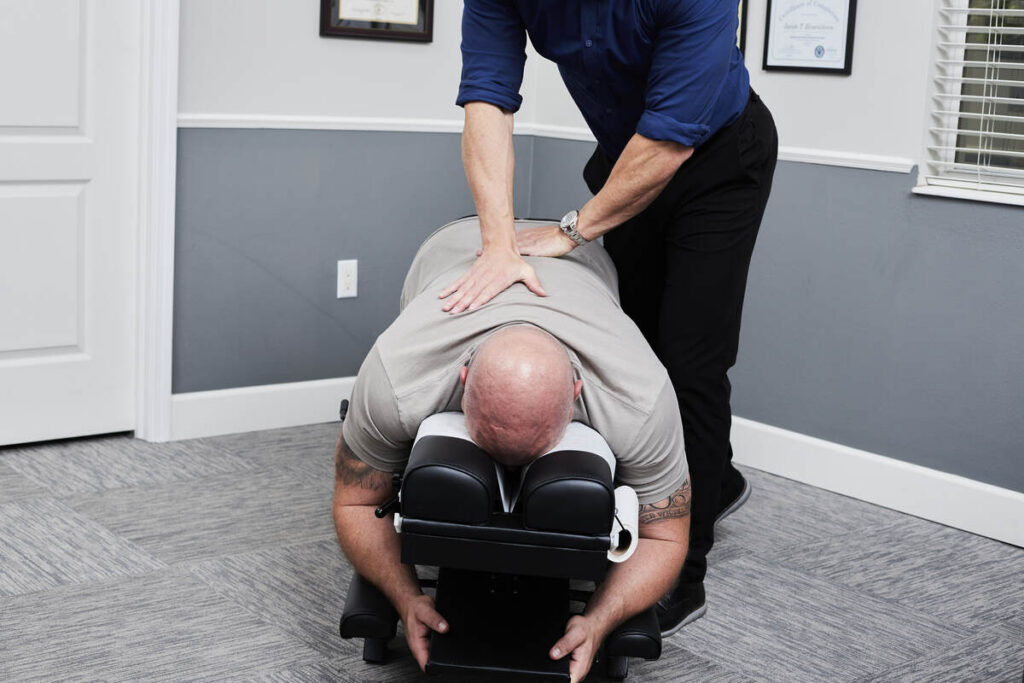
You might not realize how much your posture affects your daily life, but the truth is, it plays an essential role in your overall health. Poor posture can lead to discomfort, reduced mobility, and even chronic pain if left unaddressed. By choosing professional care, you not only tackle these immediate issues but also lay the groundwork for long-term wellness. So, what exactly does effective posture correction entail, and how can it transform your health and daily experiences?
Understanding Poor Posture
Understanding poor posture is essential, especially since it can lead to a range of physical problems. When you slouch or hunch over, you're not just affecting how you look; you're also impacting your body's alignment and function. Poor posture puts unnecessary strain on your muscles and ligaments, leading to discomfort and pain over time. You might notice that your back aches or your neck feels stiff after long hours at your desk.
Moreover, the way you sit or stand can influence your breathing and digestion. For instance, when you slouch, your lungs can't expand fully, reducing your oxygen intake. This can make you feel fatigued and less alert. Similarly, poor posture can compress your internal organs, affecting how well your body processes food.
It's easy to overlook these issues, especially in a fast-paced world where you might prioritize productivity over your physical well-being. However, recognizing the signs of poor posture is the first step towards improvement.
You may find yourself frequently adjusting your position, feeling discomfort during daily activities, or even noticing a decrease in your overall energy levels.
Benefits of Posture Correction
Correcting your posture brings a multitude of benefits that can greatly enhance your overall well-being.
First and foremost, good posture helps alleviate pain. When you sit or stand correctly, you reduce strain on your muscles and joints, which can lead to less discomfort in your back, neck, and shoulders. This means you can go about your daily activities without the nagging aches that come from slouching or hunching over.
Additionally, proper posture can improve your breathing. When you're slouched, your lungs can't expand fully, limiting the oxygen your body receives. Standing tall opens up your chest, allowing for deeper, more efficient breaths. This not only boosts your energy levels but also enhances your focus and concentration.
Another significant advantage is that good posture can boost your confidence. When you stand or sit up straight, you project an image of self-assurance and poise. This can positively influence how others perceive you and can even impact your own self-esteem.
Moreover, posture correction may aid in digestion. Sitting or standing with a straight spine encourages better alignment of your internal organs, which can promote ideal digestive function.
Lastly, maintaining good posture can lead to long-term health benefits. By establishing healthy habits now, you can prevent future complications, such as chronic pain or spinal issues.
Embracing better posture today can pave the way for a healthier, more active life, so why not start making those changes now?
Chiropractic care plays an essential role in improving and maintaining good posture. As you go through your daily activities, the alignment of your spine affects not only your posture but also your overall health.
With regular chiropractic adjustments, you can enhance your body's natural ability to maintain proper alignment, reducing tension and discomfort.
Here are four key ways chiropractic care can support your posture:
Spinal Alignment: Chiropractors focus on realigning your spine, which helps relieve pressure on nerves and muscles. This can lead to improved posture and a reduction in pain.
Muscle Balance: Through targeted adjustments and techniques, chiropractors can help balance the muscles around your spine. This balance is essential for maintaining an upright posture and preventing slouching.
Increased Mobility: Regular chiropractic care improves your joint mobility, making it easier for you to move freely. Enhanced mobility can help you engage in activities that promote good posture, such as stretching or exercising.
Education and Awareness: Chiropractors educate you on the importance of maintaining good posture in your daily life. They provide tips on how to adjust your workspace, perform exercises, and be mindful of your body mechanics.
Impact of Physical Therapy
While chiropractic care focuses on spinal alignment and adjustments, physical therapy also plays a significant role in improving posture. You might be surprised to learn how effective physical therapy can be in addressing postural issues. It's not just about fixing what's wrong; it's about building a stronger, more balanced body.
When you engage with a physical therapist, they'll assess your posture and identify the specific muscles that need strengthening or stretching. Through targeted exercises, you'll work to correct muscle imbalances that contribute to poor posture. For instance, if your shoulders are slumped forward, your therapist may guide you through exercises that strengthen your upper back and stretch your chest muscles, helping you achieve a more upright position.
Physical therapy also emphasizes body awareness. You'll learn how to recognize the way you hold yourself throughout daily activities, whether sitting at a desk or lifting heavy objects. By becoming more mindful of your movements, you can start to make conscious adjustments that promote better posture.
Additionally, physical therapy often includes education about proper body mechanics. You'll gain insights into the right techniques for lifting, bending, and sitting, reducing the risk of injury and improving your overall posture.
Incorporating physical therapy into your posture improvement plan can lead to lasting changes. With dedication and guidance, you'll not only feel better but also stand taller and more confidently in your everyday life.
Importance of Ergonomics
When it comes to maintaining good posture, ergonomics plays an essential role in your daily environment.
It's not just about sitting up straight; it's about creating a workspace that supports your body's natural alignment. By optimizing your surroundings, you can considerably reduce discomfort and promote better posture throughout the day.
Here are four key aspects of ergonomics you should consider:
Chair Height: Your chair should allow your feet to rest flat on the ground, with your knees at a right angle. This positioning helps maintain proper spinal alignment.
Desk Setup: Confirm your desk height is appropriate so your elbows remain at a 90-degree angle when typing. This minimizes strain on your shoulders and neck.
Monitor Position: Your computer monitor should be at eye level, about an arm's length away. This prevents you from leaning forward or straining your neck.
Keyboard and Mouse Placement: Keep your keyboard and mouse close enough to avoid reaching. Your wrists should be straight and your forearms parallel to the floor to prevent tension and discomfort.
Wellness Coaching for Posture
Wellness coaching for posture focuses on empowering you to take charge of your body's alignment and overall well-being. By working with a wellness coach, you'll gain valuable insights into how your posture impacts your health and daily life. The coach will assess your current posture habits, identifying areas that need improvement and guiding you through effective strategies.
One of the primary benefits of wellness coaching is the personalized approach. Your coach will tailor recommendations based on your unique body mechanics and lifestyle. They'll teach you techniques to strengthen your core muscles, which play a vital role in maintaining good posture.
You'll also learn stretches and exercises designed to relieve tension and encourage proper alignment. In addition to physical exercises, your wellness coach will help you develop mindfulness techniques. Awareness of your body's positioning throughout the day is essential.
By incorporating mindfulness practices, you'll become more conscious of how you sit, stand, and move, making it easier to maintain good posture habitually. Moreover, your coach can provide valuable resources, such as ergonomic advice for your workspace and tips for incorporating better posture into your daily routine.
They'll motivate you to stay committed to your posture goals, ensuring you remain on track. With the right guidance and support, you can greatly improve your posture, enhance your energy levels, and reduce discomfort. Investing in wellness coaching may just be the key to revealing a healthier, more aligned you.
Lifestyle Changes for Better Posture
Improving your posture often involves more than just exercise; it requires adopting lifestyle changes that support better alignment throughout your daily activities.
By making these adjustments, you can create an environment that promotes a healthier posture, reducing strain on your muscles and joints.
Here are four essential lifestyle changes to take into account:
Ergonomic Workspace: Adjust your desk, chair, and computer screen to guarantee that you're sitting comfortably. Your screen should be at eye level, and your chair should provide proper support to your lower back.
Mindful Sitting: When you sit, keep your feet flat on the floor, and avoid crossing your legs. This position helps maintain spinal alignment and reduces tension in your hips.
Regular Breaks: Set a timer to remind yourself to stand up and move every 30 minutes. This simple action can counteract the negative effects of prolonged sitting and encourage better posture.
Strength and Flexibility: Incorporate activities like yoga or Pilates into your routine. These practices not only strengthen your core but also enhance flexibility, making it easier to maintain good posture throughout the day.
Long-Term Health Outcomes
Adopting better posture habits can pay off in the long run, considerably impacting your overall health. When you maintain proper alignment, you reduce the strain on your muscles and joints, leading to a decreased risk of chronic pain conditions. These benefits go beyond just feeling good in the moment; they can help you avoid serious issues like herniated discs and arthritis as you age.
Good posture also supports your respiratory system. When you sit or stand up straight, your lungs can expand fully, allowing for better oxygen intake. This improved oxygen flow can enhance your energy levels, boost your mood, and even improve your cognitive function. You'll notice that with better posture, you feel more alert and focused throughout the day.
Additionally, proper alignment can positively affect your digestive health. Slouching compresses your organs, making it harder for your body to process food efficiently. By practicing good posture, you can help your digestive system work more effectively, reducing issues like bloating and discomfort.
Moreover, working on your posture can improve your confidence. When you stand tall and present yourself well, you'll likely feel more self-assured and assertive. This increased confidence can influence both your personal and professional relationships, leading to better opportunities.
Ultimately, investing time in improving your posture pays dividends for your long-term health, enhancing your physical well-being and quality of life.
Conclusion
Improving your posture isn't just about looking good; it's about feeling great too. By choosing care like chiropractic treatment, physical therapy, and wellness coaching, you can address the root causes of poor posture and enjoy lasting benefits. Remember, small lifestyle changes can lead to significant improvements in your health and well-being. Investing in your posture today can enhance your confidence, boost your energy, and pave the way for a healthier, happier future.
Back pain disrupting your life? Dr. Henricksen at Crystal Grove Chiropractic in Lutz, FL explains common causes and how chiropractic care brings lasting relief.
Untreated whiplash can lead to chronic pain, headaches, and lasting limitations. Learn why early care matters and how chiropractic treatment in Lutz, FL can help.
Both my husband and I have nothing but a positive review for Crystal Grove. Dr. Jacob is very personable, caring, and truly loves getting to the root cause of our problems and creating a plan to make us feel better. We don't feel like just another number or chart in his file. Savannah is a gem too!
I have had a wonderful experience with Dr. Hendrickson and his staff. He has very informative information on his tv set up.
The Dr. explains exactly what is causing you pain and goes over your x-rays with you.
I highly recommend him as a professional.
Love this place. Compassionate, friendly staff and Dr. Hendricksen is just the best. I've been a patient of his for about 3 + months and my back and posture is so much better. Would recommend Dr. Hendricksen to anyone that wants to feel better about themselves.
5* Highly Recommend Crystal Grove Chiropractic
I don't usually write reviews, but Crystal Grove Chiropractic deserves every bit of this 5-star rating.
I'll admit, I'm naturally skeptical when it comes to medical treatments and procedures. In fact, I'm one of those people who avoids going to the doctor whenever possible. After years of sports-related injuries, combined with the wear and tear of everyday projects around the house, I developed severe lower back pain. The pain became so intense that I experienced muscle spasms that made it difficult to walk, sit comfortably, or even drive.
Initially, I followed my family doctor's advice and hoped the pain would go away with aspirin and time. Unfortunately, it didn't. After stubbornly suffering for more than a week, I heard an ad for Crystal Grove Chiropractic and decided to give it a try.
I can't say enough good things about the team. Dr. Jacob is knowledgeable, professional, and genuinely cares about his patients. Savannah at the front desk is always welcoming, friendly, and helpful. Most importantly, they encouraged me to trust the process.
The results didn't happen overnight, but after a few sessions, I noticed a significant improvement and the pain gradually disappeared. Today, I continue going for maintenance and stretching, and I feel better than I have in a long time.
Thank you, Dr. Jacob, Savannah, and the entire team at Crystal Grove Chiropractic. You've turned a lifelong skeptic into a believer. I highly recommend them to anyone dealing with back pain or looking for quality chiropractic care.
Trust the process. It works!
I genuinely don't have the words to express how life-changing this experience has been. Walking into this office felt like carrying the weight of the world on my shoulders. Walking out felt like I had been completely reborn. The level of professionalism, expertise, and genuine care is beyond anything I've ever experienced in healthcare.
The doctor’s assistant is so lovely that I’d almost consider throwing my back out again just to come back and visit.
The attention to detail was exceptional. Every question was answered with care, every concern was addressed patiently, and each visit left me feeling better than the last. It’s rare to find someone who combines such skill with genuine compassion.
If this place was a person, I’d be asking them to be my emergency contact. Five stars is simply not enough. I’d give 52 stars, a standing ovation, and the keys to my house if that were an accepted review format.
Do yourself a favor: BOOK THE APPOINTMENT!!!Worst case, your spine gets an upgrade. Best case, you’ll start recommending this place to complete strangers in the grocery store like I apparently do now.
I have had chronic neck pain for over a decade. I came to Crystal Grove after a neck injury with 10/10 pain. I couldn't move my neck at all pretty much. After just one session, I had significant relief. Now after a few months, I don't have pain in my neck, just stiffness from holding my stress there if anything. To be able to move without significant pain is liberating. Dr. Henricksen never forces anything and makes sure you feel comfortable with the adjustments before administering them. I recommend for anyone to come here who is experiencing any type of spinal discomfort.
I can’t recommend Dr. Jacob at Crystal Grove Chiropractic enough! From the very first visit, I felt welcomed and genuinely cared for. Dr. Jacob is knowledgeable, attentive, and takes the time to make sure you understand your treatment. I always leave feeling so much better than when I arrived. If you’re looking for a chiropractor who truly cares about helping you feel your best, Dr. Jacob is the one to see!
After seeing different chiropractors for the past five years, I can honestly say Crystal Grove Chiropractic has given me the most relief I’ve experienced. I’ve been a patient here for about three months, and the difference has been incredible. Dr. Jacob Henrickson truly listens and tailors my treatment plan to my specific needs instead of taking a one size fits all approach, I always feel like my care is personalized. The decompression table has been a game changer. It has made such a noticeable difference in my pain and overall comfort, and it’s something I look forward to during my visits. If you’re looking for a chiropractor who takes the time to understand your needs and provides compassionate, effective care, I highly recommend Crystal Grove Chiropractic. I’m so grateful I found them!
Dr H has been absolutely phenomenal. Everything from the first day i met him and where were at in care he has been very professional and straightforward. If you’re looking for a chiropractor who goes above and beyond this is your guy !
Very thorough and solid attention to detail. Your concerns will be addressed. Issues will be worked through. Awesome friendly office and very open and honest. You will not be disappointed in the level of service.
I was referred to Dr Henricksen by my former chiropractor, for sciatic and lower back pain. He came up with a treatment plan that has been very successful. He and his staff have been great, friendly and accommodating to my schedule. Highly recommended!
My to go place to feel my best. I can go there daily. I feel so good after each session. Dr Jacob Henricksen explained the plan of action to follow, we did x rays to see what was bothering my back. Very professional and courteous. The whole overall experience is just so good. The office is clean and cool, the stretching beds are the best, most of the time I end up napping. Staff is so friendly, accommodating and prompt. I found them on social media and they were less than 10 minutes from my house and I’m so glad I did.
I honestly don’t even know where to start. I came in feeling like a “project from head to toe,” dealing with a lot of ongoing issues, and I wasn’t sure what to expect. From the very first visit, Dr. Henricksen at Crystal Grove Chiropractic has been the most gentle, kind chiropractor I’ve ever been to.<br>For the first time in a long time, I genuinely feel like there is light at the end of the tunnel with my health and body concerns.<br>Dr. Henricksen is not only professional and knowledgeable, but also incredibly patient and understanding. He truly takes his time, listens carefully, and explains exactly what needs to be done for real, sustainable healing.<br>I’m so grateful I found this practice. It’s rare to feel this heard and cared for in a medical setting, and I can honestly say I look forward to continuing my care here.
I came in with some pretty bad migraines and a lot of neck tension, and Dr. Henricksen really took care of it. He got right to the point, knew what he was doing, and after a few visits the headaches were gone completely. Haven’t had them since. Now I just go in every other week for regular adjustments to keep everything feeling good. Solid chiropractor, I’d definitely recommend him to anyone that gets migraines or headaches often.
5 stars all the way for Dr. Henricksen! Super knowledgeable, straight to the point, and actually fixes the problem and not just temporary relief. I walked in, in pain and left feeling instantly better. You can tell he really knows what he’s doing and cares about results. Easily the best chiropractor I’ve ever been to.
I've been going to Crystal Grove for about 2 months, i must say dr.H is awesome! Hes very professional, and listens. My neck and back are improving so much already! Inviting, modern, clean office.
First class business from the moment you are greeted at the door. For me it’s small things like there appointment notifications. They send you a reminder the day before and agai. 2 hrs prior. If something comes up you just send a text and they are so flexible and understanding. Then you have the actual appointment which was a great experience and I’ve been to a few chiropractors previously and this is the first one where he actually cares about getting you better. Just a great experience from top to bottom.
"I can’t recommend Dr Hendricksen and Staff over at Crystal Grove Chiropractic enough. After being in a car accident, I was struggling with neck and back pain that made daily life uncomfortable and difficult. From the very first appointment, they took the time to listen, explain the treatment plan, and provide adjustments that actually made a difference. Thanks to their expertise and care, I’m getting back on track. If you’re looking for someone who truly cares about your recovery, this is the place to go."
Dr. Henricksen is the best chiropractor I've ever been to, thorough, knowledgeable and clearly breaks down what is causing your symptoms and his recommendations for follow up care are excellent. Dasha at the front desk is very kind and accommodating. I highly recommend coming here if you are having any issues.
I came in with a very painful back and Dr. Jacob Henricksen fix me right up ever since my first initial visit i have been coming back to having my back healed again.
I had an excellent experience thanks to the chiropractic assistant at this office. From the moment I walked in, she was professional, organized, and incredibly attentive. She made sure I felt comfortable before, during, and after my treatment. Her knowledge and confidence in explaining the process helped ease my concerns and made everything run smoothly
Dr.Henrickson is great in listening to your problems and providing the right treatment plan. Very simplified process to get in and treated. Very reasonably priced as well. Our entire family is getting treated here.
I’ve seen firsthand the professionalism and great care Dr. Henricksen provides his patients. The office is always clean, welcoming, and well-run. His dedication truly stands out. Highly recommend!
Dr. Henrickson Is fantastic! The office is beautiful, conveniently located with plenty of parking, and the care for each patient is exceptional. Dr. Henrickson is so knowledgeable and professional and makes everyone feel like family.
Dr.Jacob is great, he’s been a crucial part of my recovery. I’ve torn my lcl, meniscus, labrum, and fractured multiple bones over the years. So I’m continuously working on myself and the amount of relief he provides is next to none. Highly recommend.
Crystal Grove Chiropractic is amazing!<br>I can’t say enough great things about Dr. Jacob at Crystal Grove Chiropractic. From the moment you walk in, you’re greeted with kindness and genuine care. The office is clean, welcoming, and runs on time — which I really appreciate.<br><br>After just a few visits, I noticed a huge improvement in my pain, mobility, and overall energy. Dr. Jacob takes the time to explain everything clearly and creates a treatment plan that actually works. You can tell he truly cares about helping patients feel their best, not just getting them in and out quickly.<br><br>If you’re looking for a chiropractor who is knowledgeable, compassionate, and results-driven, I highly recommend Crystal Grove Chiropractic. They’ve made such a positive difference in my health and well-being!
Dr. Jacob is amazing! He really takes the time to listen and make sure you’re comfortable, and his adjustments actually make a difference. I always leave feeling so much better, and he gives great advice for keeping your body feeling good in between visits. Super knowledgeable, professional, and just genuinely cares about his patients. Highly recommend!
Crystal Grove Chiropractic is amazing! Dr. Henrickson is incredibly thorough and takes the time to really listen and understand what’s going on. After just a few visits, my neck and back pain improved so much. The office runs smoothly—I’m always in and out but I never feel rushed. I leave every visit feeling better and well cared for. If you’re searching for an excellent chiropractic clinic, Crystal Grove Chiropractic is the place to go, and Dr. Henrickson is the one to see! Highly recommend!
I’ve never had a Doctor call me personally after a visit to see how I was feeling after he did some minor adjustments! Not only is he professional but made me feel at home and like I was in good hands! His practice looks amazing too! Down to earth but yet very knowledgeable! I highly recommend Dr. Henricksen!
Amazing, Amazing, Amazing!! Dr. Jacob truly cares about his patients and gets phenomenal results. This is the go to place in Lutz for neck pain, back pain, and headaches! I’ve sent practically my whole family in. Looking forward to continued care!
Dr. Henricksen is exceptional, and compassionate, reflecting both his skill and his patient-focused care.<br>He's very kind and professional.<br>I'm feeling so much better since my treatment and will continue with my future chiropractic maintenance with Dr.Henricksen.
Dr Henrikson is amazing,<br><br>I found Dr Jacob on his Facebook videos. I was in bad pain for about two and a half years with severe sciatic pain running down my right buttock and down my right leg. At times excruciating pain!!! I’m an avid golfer, I like to jog and also workout at the gym. Unfortunately I was in so much pain I had stopped jogging and working out and could barely swing a golf club.<br><br>After seeing Dr Jacob on Facebook I decided to set up a visit to see him. His video was very professional and he was very professional in his video on how he treats his patients. After my first visit I had NOTICEABLE relief from my sciatica. I had some residual soreness but not in pain with every step. I told my wife Linda how much better I was feeling after one visit and I wanted her to go visit Dr. Jacob for her back pain. And get treatment,<br><br>I scheduled a visit for both me and my wife. As this was my second appointment with Dr Henrikson (and Linda’s first), he again worked on my sciatic pain and after leaving his office for my second visit my sciatic pain is gone. I have not had any sciatic pain since that second visit!!!<br><br>My wife Linda LOVED her first visit and we signed up for a package of continued treatments.<br><br>Also I want to make a Note about Dr Jacob working with us on scheduling our appointments with him. My wife and I had to return to our home in California for 5 months for personal reasons and Dr. Henriekson is completely understanding and has worked with us on scheduling our future visits and when we return back to our New Port Richey Florida home so that we can resume our treatments. He’s the best!!!!<br><br>If you are in pain You need to go visit Dr Jacob Henriekson. He will walk you through how to get you healthy and feeling normal again and develop a plan that will work for you. He explains EVERY detail of what he is doing, and answers any questions you have.<br><br>MOST IMPORTANT - I feel like I made a friend in Dr Henriekson. And this is because I felt he genuinely cared about my wife Linda and Me. He even told us about a GREAT place to get breakfast near his office when we were finished with our treatments<br><br>This is the Best treatment I’ve ever had and Dr Henrikson REALLY CARES!!<br><br>Mitch Yanoska
Leaving this behalf of my wife Elizabeth, who has nothing but good things to say regarding her experience. The Doctor is pleasant and explains what's going on and is gentle in his treatment of her. She has felt relief from the tingling in her legs due to compression in her lower back discs and her issues with sciatica. She would recommend Dr. Hendrickson wholeheartedly.
Easy-going, fair, simple pricing, nice clean professional office. Bonus is separated, private treatment rooms compared to other chiropractors, so you don’t have to get adjusted or discuss your health concerns out in the open in front of everybody like other places.. New up-to-date equipment, with optional traction equipment treatment rooms Available also. Highly recommend. Easy to reach location off of Highway 41.
I have been to several other chiropractors but never one with a decompression table like at Crystal Grove Chiropractic. It has helped me tremendously in a short time. If you are looking for great service in helping you feel better, this is the place!
Absolutely impressed!!! Jason is so knowledgeable about our spines...learned a lot on my first visit. He went over my xrays, explained all, gave me advice on a plan to work on the problem areas to keep them in check...gave me options on pricing...overall it was a great experience....his technique is very gentle.....and my appts are quick and easy, basically no waiting!! If you want to see what is going on with your aches and pains, definitely recommend going to see him!!!!
I will start this review with two quick comments that will add context to my subsequent words.<br>1. I rarely take the time to write reviews. I believe that my words are my super power! My integrity is sacred and once lost, it’s almost impossible to get it back.<br>2. I have spent a good part of my career in the clinical setting and have had a healthy skepticism of chiropractic therapy in general.<br><br>That being said, I have been struggling with lower back pain and sciatica for many years. I have exhausted all other forms of treatment until my trainer at The Lutz Fit Body Boot Camp, Kristy Hess, recommended I consult with Dr. Jacob Henricksen, Chiropractor and owner of Crystal Grove Chiropractic.<br><br>I realized right at the beginning of our initial consultation that I was NOT speaking with the type of “traditional” chiropractor that left me skeptical when I was younger.<br>Dr. Henricksen is a consummate professional and outstanding clinician. He listened intently to my symptoms and past treatments, he gave me a thorough examination, he studied previous X-ray, MRI and CT reports. Dr. Henricksen also took his own X-rays of my lumbar spine so he could compare them to older images.<br><br>Dr. Henricksen began a treatment plan with me two months ago. Within the first two visits I have seen significant improvement in my pain as well as my range of motion and overall mobility. I highly recommend Dr. Henricksen to anyone who suffers from pain, stiffness, loss of mobility or has had to stop doing physical activity due to any of the aforementioned issues.<br><br>-John Ottinger-Lupis
I've had a fantastic experience with Dr. Jacob Henricksen at Crystal Grove Chiropractic. From the moment I walked in, I was welcomed with warmth and professionalism. Dr. Henricksen takes the time to listen carefully, explain treatments clearly, and genuinely cares about his patients' long-term wellness—not just quick fixes.<br><br>His approach is thoughtful, effective, and tailored to individual needs. After just a few visits, I noticed a significant improvement in both pain relief and mobility. The office is clean, calming, and well-organized, and he is consistently friendly and helpful.<br><br>If you're looking for a chiropractor who combines expertise, compassion, and a true dedication to patient care, I highly recommend Dr. Henricksen at Crystal Grove Chiropractic.
My first ever experience with chiropractic was with Dr. Henricksen last week and to say he's excellent is an understatement. You'll be hard pressed to find a nicer professional or office anywhere. He provided me a very comprehensive new patient consultation and explained everything to me in terms I could understand. I noticed he's also a graduate of one of the best chiropractic schools in the country and his midwestern roots make the friendliness of the practice even more exceptional. Definitely recommend.
Dr. Jacob is a fantastic chiropractor, but also a genuinely kind and honest person. You always feel welcomed and cared for from the moment you walk in. The office itself is absolutely beautiful—clean, calming, and thoughtfully designed, which makes every visit feel relaxing. If you’re looking for someone who truly listens and is committed to your well-being, this is the place to go. Highly recommend!
I search for a new Chiropractor near Wesley Chapel for quite a while. I came across Dr. Henricksen at Crystal Grove Chiropractic and found he had Graduated from Palmer Collage in Davenport Iowa. Davenport is across the Mississippi River from my hometown of Rock Island, Illinois. They are part of the Quad cities. Palmer has the best school for Chiropractic Education as Daniel David Palmer, the Great Great Grandfather of CEO Vicky Palmer invented it.<br>Dr, Henricksen is the most skilled, by far of all the different Chiropractors that I have gone to. Since I was 17 and now being 69, I have been treated by 7 different Dr's.<br>He handles all the paperwork for insurance, takes the x-rays and explains all the procedures I am going thru. What a wonderful experience I have, and I can't wait to continue my treatment to the road to recovery.
Dr. Jacob Henricksen has helped me through issues that all previous medical professionals were no help with. He took his time to listen to me and really understand what I was going through, and through that was able to diagnose and treat what was really going on with me. In a matter of months I went from daily migraines and nausea to NO SYMPTOMS. My biggest regret is not having gone to see him sooner. His professionalism and education has truly been a turning point in my life. He has helped me learn about my body and feel empowered about my health. Could not recommend enough!
Dr. Henricksen is the absolute best at what he does. His attentiveness and thoroughness are second to none. The office is very inviting and the service is top notch. Look no further for all of your chiropractic needs. 10/10 I cannot recommend this place enough!
I can’t say enough good things about Dr. Henricksen! The office is clean, calm, and professional, and he took the time to listen to my concerns and explain everything in a way I could easily understand. He genuinely wants to help you feel your best long-term and I highly recommend him!
I've been seeing Jacob at Crystal Grove Chiropractors for back pain and posture correction, and it's been an awesome experience so far. From the very first visit, Jacob was professional, knowledgeable, and made me feel comfortable. He took the time to explain everything clearly, and I’ve already started noticing real improvements in both my posture and daily pain levels.<br><br>I definitely recommend Jacob to anyone dealing with back issues or just looking to improve their overall spinal health. His approach is both thorough and tailored to your needs, and you can tell he genuinely cares about his patients’ well-being.<br><br>Five stars from me!