
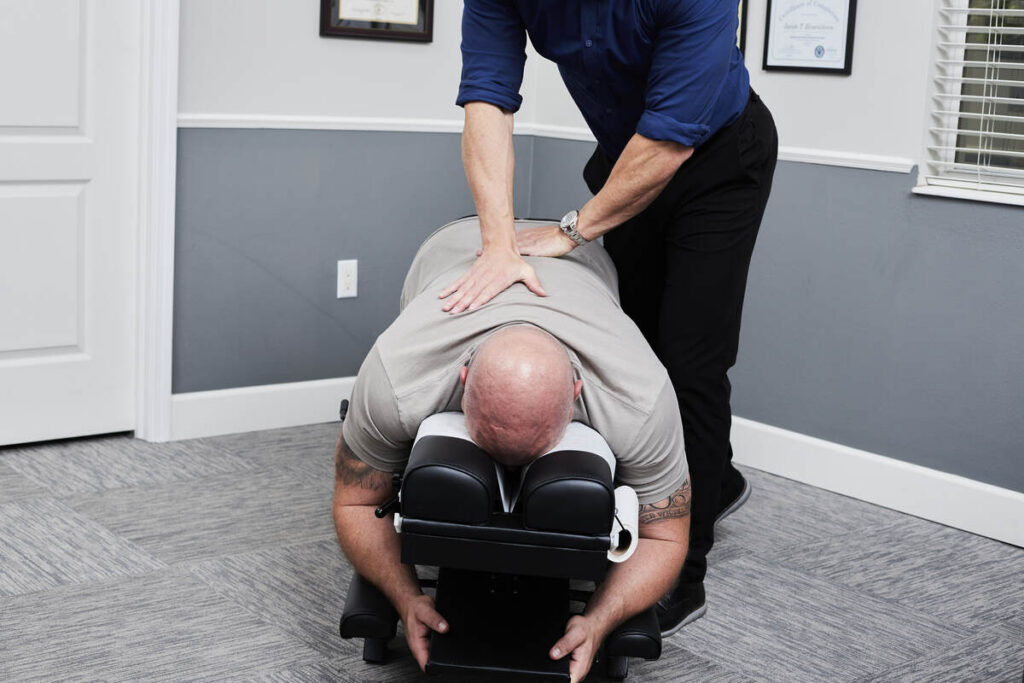

Back pain is one of the most common reasons people seek medical attention — and if you’re dealing with it right now, you’re far from alone. Whether it’s a dull ache that won’t quit or a sharp, sudden flare-up that stops you in your tracks, back pain can seriously disrupt your daily life. Here in Lutz, FL, Dr. Jacob Henricksen and the team at Crystal Grove Chiropractic work with patients every day who are searching for real answers and lasting relief. The good news? Understanding what’s actually causing your back pain is the first and most important step toward feeling better.
What Is Back Pain, Exactly?
Back pain refers to discomfort anywhere along the spine — from the base of the skull down to the tailbone. It can range from mild stiffness to debilitating pain and may be short-term (acute) or long-lasting (chronic). While it’s extremely common, back pain is not something you should simply “push through” without understanding what’s driving it.
Common Causes of Back Pain
Back pain rarely has just one cause. In most cases, it’s the result of several compounding factors — posture habits, movement patterns, structural issues, and lifestyle choices that build up over time. Understanding the most common causes can help you make sense of what your body is telling you.
Spinal Misalignment (Subluxation)
One of the primary causes Dr. Jacob Henricksen evaluates in patients at Crystal Grove Chiropractic is spinal misalignment, often called a subluxation. When the vertebrae in your spine shift out of their optimal position, they can place pressure on surrounding nerves, reduce joint mobility, and alter how your entire musculoskeletal system functions. This can happen gradually from poor posture or suddenly from an injury — and it often causes pain, stiffness, and even radiating discomfort into the hips or legs.
Herniated or Bulging Discs
Between each vertebra in your spine sits a cushioning disc that absorbs shock and keeps the bones from grinding together. When one of those discs is compressed, worn down, or shifts out of place, it can press on nearby nerves. This is what’s commonly called a herniated or bulging disc. People with this issue often describe sharp, burning pain that travels down one leg — a symptom frequently associated with sciatica. In Lutz, FL, this is one of the more common presentations Dr. Jacob Henricksen sees in the clinic.
Poor Posture and Prolonged Sitting
We live in a world where most people spend a significant portion of their day seated — at a desk, in a car, or on the couch. Prolonged sitting, especially with poor posture, places enormous strain on the lumbar (lower) spine. Over time, this uneven load distribution can lead to muscle imbalances, joint irritation, and persistent back pain. Florida’s workforce is no exception — many residents here in Lutz spend long hours at computers or commuting, and their spines feel the consequences.
Degenerative Disc Disease
As we age, the discs in our spine naturally lose some of their hydration and height. This gradual process is known as degenerative disc disease. While it sounds alarming, it’s actually a very common part of aging — but it can lead to stiffness, reduced range of motion, and chronic back discomfort if not properly managed. Chiropractic care has been shown to help support spinal mobility and reduce discomfort associated with this condition.
Muscle Deconditioning and Weakness
The muscles surrounding your spine play a crucial role in supporting it. When those muscles are weak or deconditioned — often from inactivity or sedentary habits — the spine bears more load than it’s designed to handle. This sets the stage for strain, joint irritation, and recurring back pain. Many patients at Crystal Grove Chiropractic are surprised to learn that strengthening the core and back muscles is a foundational part of a comprehensive care plan.
Injuries and Accidents
Acute injuries — like those from a car accident, a fall, or improper lifting — can cause immediate structural damage to the spine. Whiplash, compression fractures, and joint sprains are all common results of trauma. Even if the initial pain seems manageable, untreated spinal injuries can develop into chronic problems down the road if the underlying structural issue is left unaddressed.
How the Spine Works and Why It Matters
Your spine is an engineering marvel. It’s made up of 33 vertebrae stacked on top of one another, cushioned by discs and stabilized by an intricate network of joints, ligaments, and muscles. It protects your spinal cord — the information highway connecting your brain to the rest of your body — while also allowing you to bend, twist, and move freely.
Because every part of the spine is interconnected, a problem in one area can create a ripple effect throughout the whole structure. An issue in the lower back, for example, can alter your gait, which then places abnormal stress on your hips and knees. This is why Dr. Jacob Henricksen takes a whole-body approach when evaluating patients at Crystal Grove Chiropractic — because addressing the root cause, not just the symptom, is what leads to lasting improvement.
The nervous system also plays a central role here. The spinal cord and nerve roots that branch out from the spine control sensation, movement, and organ function throughout the body. When spinal structures interfere with nerve communication — through misalignment, disc problems, or inflammation — the effects can extend well beyond just back pain.
Signs and Symptoms to Pay Attention To
Back pain isn’t always straightforward. It can present in many different ways depending on the underlying cause, and some symptoms deserve more attention than others. Here are some patterns worth noting:
Localized pain — a dull, constant ache in one area of the back — is often related to joint dysfunction or postural strain. It tends to worsen with certain movements or after prolonged sitting or standing. This type of pain is very commonly seen at Crystal Grove Chiropractic and generally responds well to conservative chiropractic care.
Radiating pain — when discomfort travels down the buttocks, thigh, or into the leg — may indicate nerve involvement, such as sciatica. This type of pain often comes with tingling, numbness, or a burning sensation along the nerve’s path. While it can be quite intense, it is often highly manageable with the right conservative approach.
Pain that is worse in the morning and gradually improves with movement may point toward joint stiffness or degenerative changes. Conversely, pain that worsens with activity and improves with rest may suggest disc involvement. These patterns are important clues that help guide a proper evaluation.
How Chiropractic Care Fits In
Chiropractic care is a non-invasive, drug-free approach to addressing the structural causes of back pain. Rather than masking symptoms, chiropractic focuses on restoring proper alignment, joint function, and nervous system communication so that your body can work the way it’s designed to.
At Crystal Grove Chiropractic in Lutz, FL, Dr. Jacob Henricksen begins with a thorough evaluation — including a health history, postural assessment, and orthopedic and neurological testing — to identify the root cause of each patient’s back pain. No two spines are the same, which is why care plans are always individualized.
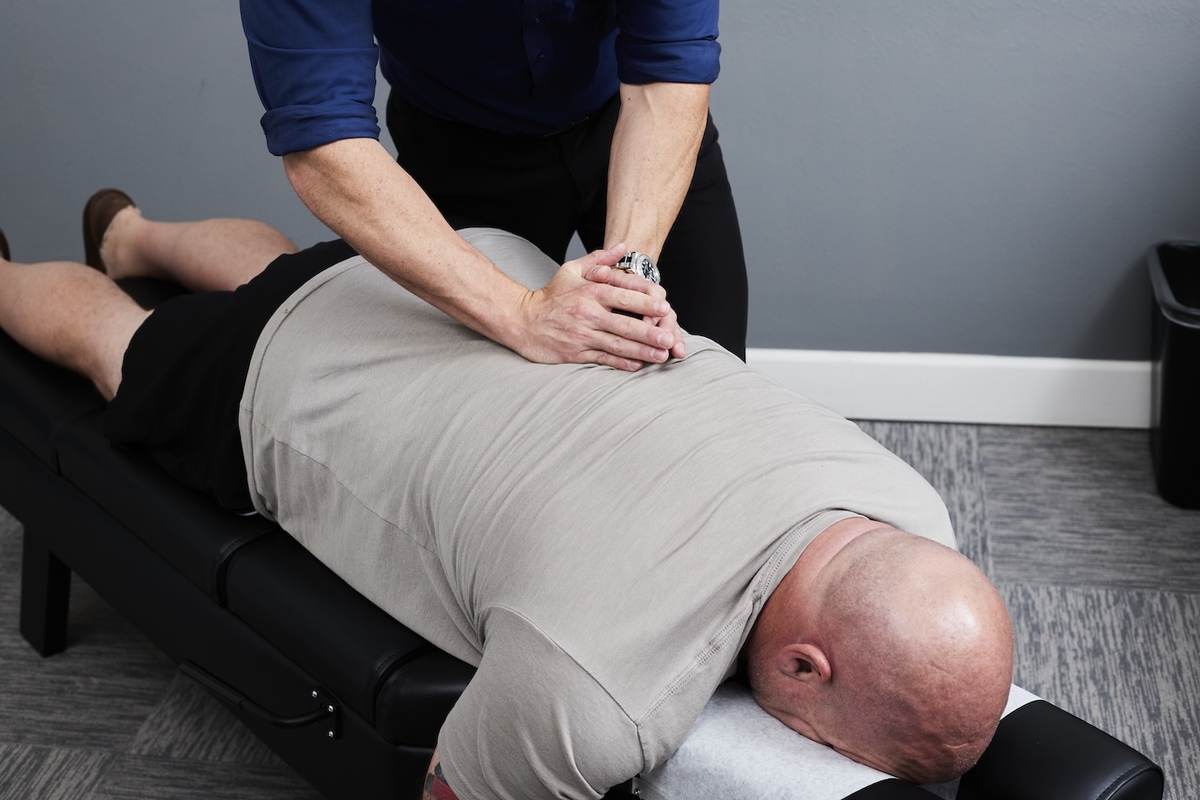
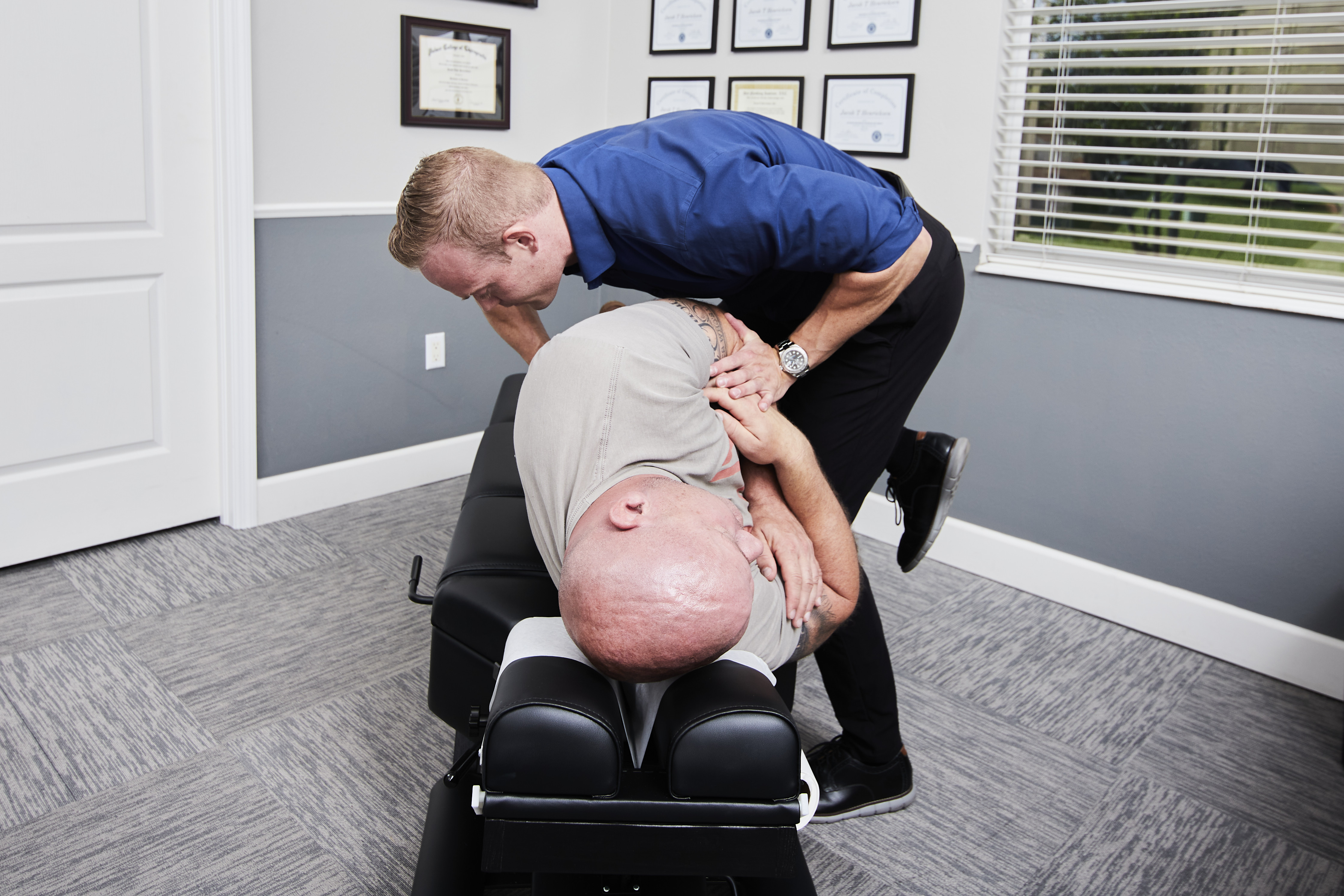
Spinal adjustments are the cornerstone of chiropractic care. Using precise, controlled force, an adjustment restores motion to restricted joints and reduces nerve irritation. Evidence from organizations like the American College of Physicians and the National Institutes of Health indicates that spinal manipulation is an effective first-line treatment for acute and chronic low back pain. Patients often report reduced pain, improved mobility, and a greater sense of physical ease following regular care.
In addition to adjustments, Dr. Jacob Henricksen may incorporate recommendations for therapeutic exercises, ergonomic modifications, and postural retraining to support long-term spinal health. The goal is never just short-term pain relief — it’s building a healthier, more resilient spine for the long haul.
Practical Tips for a Healthier Back
While chiropractic care addresses the structural side of back pain, there are everyday habits that can significantly support your spinal health between visits. These aren’t complicated changes — but they do require consistency.
Pay close attention to how you sit. If you work at a desk, make sure your monitor is at eye level, your feet are flat on the floor, and your lower back has some support. Avoid crossing your legs for extended periods, as this creates pelvic imbalance and uneven spinal loading. Taking a brief standing or walking break every 30 to 45 minutes can make a real difference in how your back feels by the end of the day.
Be mindful of how you lift objects — even light ones. Always bend from the knees rather than the waist, keep the object close to your body, and avoid twisting while lifting. This simple technique protects your lumbar discs and joints from unnecessary strain.
Sleep position matters more than most people realize. Sleeping on your back with a pillow under your knees, or on your side with a pillow between your knees, helps maintain the spine’s natural curves. Sleeping on your stomach is generally the most stressful position for your neck and lower back.
Staying well-hydrated is also important for spinal disc health. The discs in your spine are largely made of water, and they rely on adequate hydration to maintain their height and shock-absorbing ability. Especially here in Florida’s heat, staying hydrated throughout the day is something everyone in the Lutz community should prioritize.
When to See a Chiropractor
Not every backache requires immediate professional attention — but many do. As a general guideline, if your back pain has lasted more than a few days without improvement, is interfering with your sleep or daily activities, or followed a specific injury or accident, it’s time to get evaluated.
Other signs that a chiropractic assessment is appropriate include recurring pain that keeps coming back, stiffness that limits your range of motion, or discomfort that seems to be slowly getting worse over time. Many patients at Crystal Grove Chiropractic come in saying they “waited too long” — and the sooner a structural issue is identified, the easier it is to address.
There are also certain red-flag symptoms that require immediate medical attention rather than chiropractic care alone. These include loss of bowel or bladder control, severe pain following a major trauma, unexplained weight loss accompanying back pain, or numbness in the groin or inner thighs. Dr. Jacob Henricksen is trained to identify these red flags and will refer patients to the appropriate medical provider when needed.
Back Pain: Common Causes vs. Chiropractic Approach
Cause of Back Pain |
What’s Happening |
How Chiropractic May Help |
|---|---|---|
|
Spinal Misalignment |
Vertebrae shift out of position, irritating nerves and joints |
Spinal adjustments restore alignment and reduce nerve pressure |
|
Disc shifts and compresses nearby nerve roots |
Decompression-focused techniques reduce disc pressure and improve mobility |
|
|
Poor Posture |
Uneven spinal loading leads to joint irritation and muscle imbalance |
Postural correction, adjustments, and ergonomic coaching |
|
Degenerative Disc Disease |
Disc height and hydration decrease with age, reducing cushioning |
Gentle mobilization maintains range of motion and reduces stiffness |
|
Muscle Deconditioning |
Weak spinal support muscles lead to joint overload |
Exercise guidance and spinal rehabilitation support long-term stability |
|
Acute Injury |
Trauma disrupts spinal structure and joint alignment |
Early evaluation and care help prevent acute issues from becoming chronic |
Myths vs. Facts About Back Pain
Myth: Back pain always means something is seriously wrong.
Fact: Most cases of back pain are musculoskeletal in nature and are not caused by a serious underlying disease. While it’s always important to get evaluated, the vast majority of back pain responds well to conservative, non-invasive care like chiropractic. Panic rarely helps — but professional evaluation does.
Myth: Rest is the best treatment for a bad back.
Fact: Extended bed rest can actually make back pain worse. Current evidence — including guidelines from the American College of Physicians — supports staying as active as comfortably possible and pursuing conservative care rather than prolonged rest. Movement, when done correctly, promotes healing and prevents further deconditioning.
Myth: Chiropractic adjustments are dangerous.
Fact: Spinal manipulation performed by a licensed chiropractor is considered a safe and effective approach for most types of back pain. Serious adverse events are rare. Dr. Jacob Henricksen always conducts a thorough evaluation before any treatment to ensure chiropractic care is appropriate for each individual patient.
Myth: If the pain goes away on its own, the problem is resolved.
Fact: Pain relief doesn’t always mean the underlying structural issue has been corrected. Many patients experience cycles of back pain that come and go — a pattern that often indicates an unresolved problem. Addressing the root cause, not just the symptom, is what prevents the cycle from continuing.
Myth: Chiropractic care is only for severe back problems.
Fact: Chiropractic care is appropriate for a wide range of presentations — from mild stiffness and postural strain to more complex spinal conditions. In fact, many people benefit most from chiropractic care when they begin addressing concerns early, before they become more serious.
Final Thoughts
Back pain is incredibly common, but it doesn’t have to be your new normal. Understanding what’s causing your discomfort — whether it’s a structural misalignment, a disc issue, postural habits, or the cumulative effects of daily life — is the foundation for getting better. And the great news is that for most people, effective help is available without surgery or medication.
Here in Lutz, FL, Crystal Grove Chiropractic is proud to serve the local community with compassionate, individualized care. Dr. Jacob Henricksen takes the time to truly understand each patient’s situation and builds care plans that are grounded in the latest evidence and tailored to real, everyday needs. Whether you’ve been dealing with back pain for years or are just beginning to notice warning signs, the team at Crystal Grove Chiropractic is here to help you move forward with confidence.
You deserve a back that supports you — not one that holds you back. If you’re in the Lutz area and looking for a trusted, experienced chiropractor near you, we’d love to be part of your wellness journey.
Frequently Asked Questions
How long does it take for chiropractic care to help with back pain?
The timeline varies depending on how long the issue has been present and what’s causing it. Some patients notice improvement after just a few visits, while others with chronic conditions may benefit from a longer care plan. Dr. Jacob Henricksen will provide a realistic assessment during your initial evaluation.
Is chiropractic care safe for older adults with back pain?
Yes, chiropractic care can be adapted for patients of all ages, including older adults dealing with degenerative changes or age-related stiffness. Techniques are modified to be gentle and appropriate for each individual’s health status and comfort level.
Can chiropractic help with sciatica?
Sciatica — pain that radiates along the sciatic nerve from the lower back into the leg — is often related to disc or joint issues that chiropractic care can address. Evidence suggests spinal manipulation and related approaches may help reduce sciatic pain and improve function. A proper evaluation is the first step to confirm the cause.
Do I need a referral to see a chiropractor in Florida?
In Florida, you do not need a physician’s referral to see a licensed chiropractor. You can contact Crystal Grove Chiropractic in Lutz directly to schedule your first appointment and begin your evaluation.
What should I expect on my first visit to Crystal Grove Chiropractic?
Your first visit will typically include a comprehensive health history review, a physical and postural examination, and possibly orthopedic or neurological testing. Dr. Jacob Henricksen will take the time to discuss his findings and explain your care options before any treatment begins.
Can back pain come back after chiropractic treatment?
Back pain can recur, especially if the underlying habits or lifestyle factors contributing to it aren’t addressed. That’s why Crystal Grove Chiropractic emphasizes education, exercise guidance, and ergonomic coaching alongside spinal care — to help patients build long-term resilience, not just short-term relief.
TL;DR Summary
-
Back pain is most commonly caused by spinal misalignment, disc issues, poor posture, degenerative changes, muscle weakness, or injury — and often a combination of these.
-
The spine’s interconnected structure means that a problem in one area can create issues elsewhere, making a root-cause approach essential.
-
Chiropractic care offers a non-invasive, drug-free path to addressing the structural causes of back pain, supported by evidence from leading health organizations.
-
Everyday habits — like how you sit, lift, sleep, and hydrate — play a meaningful role in spinal health and can support your chiropractic care between visits.
-
Dr. Jacob Henricksen and the team at Crystal Grove Chiropractic in Lutz, FL are here to help you understand your back pain and take meaningful steps toward lasting relief.