
As a local chiropractor, I often see patients who are puzzled by their persistent back pain, despite having tried a variety of treatments. It’s important to understand that there could be several underlying factors contributing to this issue. Misdiagnoses can happen, and sometimes hidden conditions may be affecting your spine and overall health.
Additionally, psychological stress can play a significant role in amplifying physical discomfort. If your mind is under stress, your body may respond in ways that increase your pain levels. It’s also possible that the physical therapy you’ve received isn’t specifically tailored to your individual needs, which can hinder your recovery.
Your lifestyle choices, such as sedentary habits or poor posture, and a reliance on pain medications can further complicate your situation. It’s crucial to recognize how these elements can impact your healing journey.
At our chiropractic practice, we focus on a holistic approach to health and wellness. By understanding these various factors, we can work together to develop a personalized treatment plan that aims for lasting relief. Remember, the solution may be more intricate than you initially thought, but with the right care, you can find a path to recovery.
Misdiagnosis and Underlying Conditions
As a local chiropractor, I want to emphasize the importance of understanding back pain and the potential for misdiagnosis or underlying conditions. Many individuals often believe their discomfort is simply due to muscle strain or poor posture, but it could signal a more serious problem.
Issues such as herniated discs, spinal stenosis, or even infections can present symptoms that mimic typical back pain.
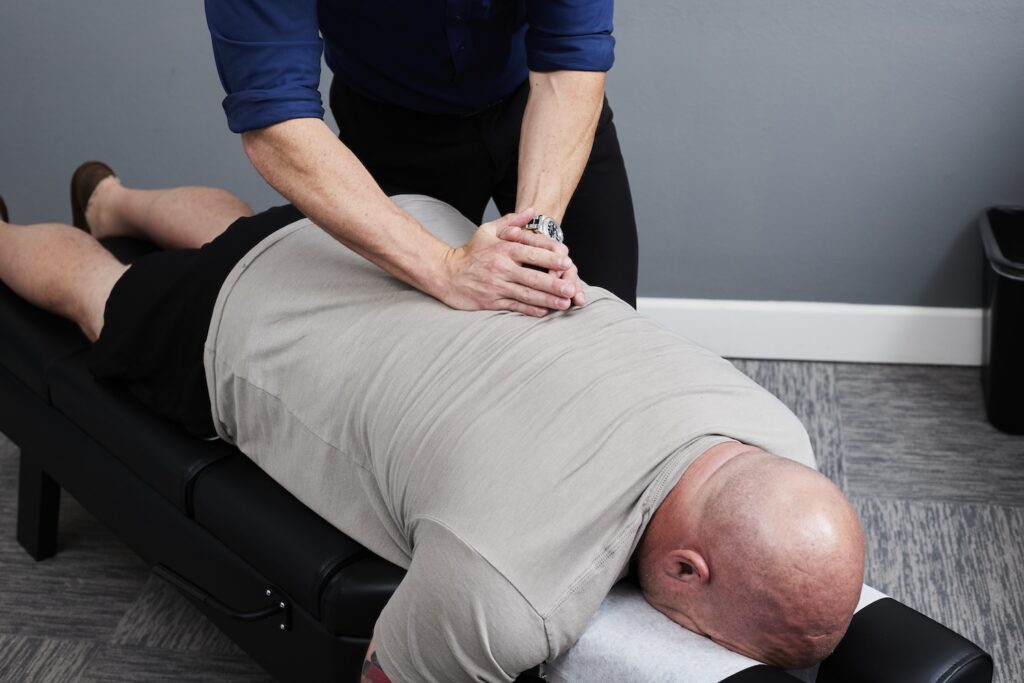
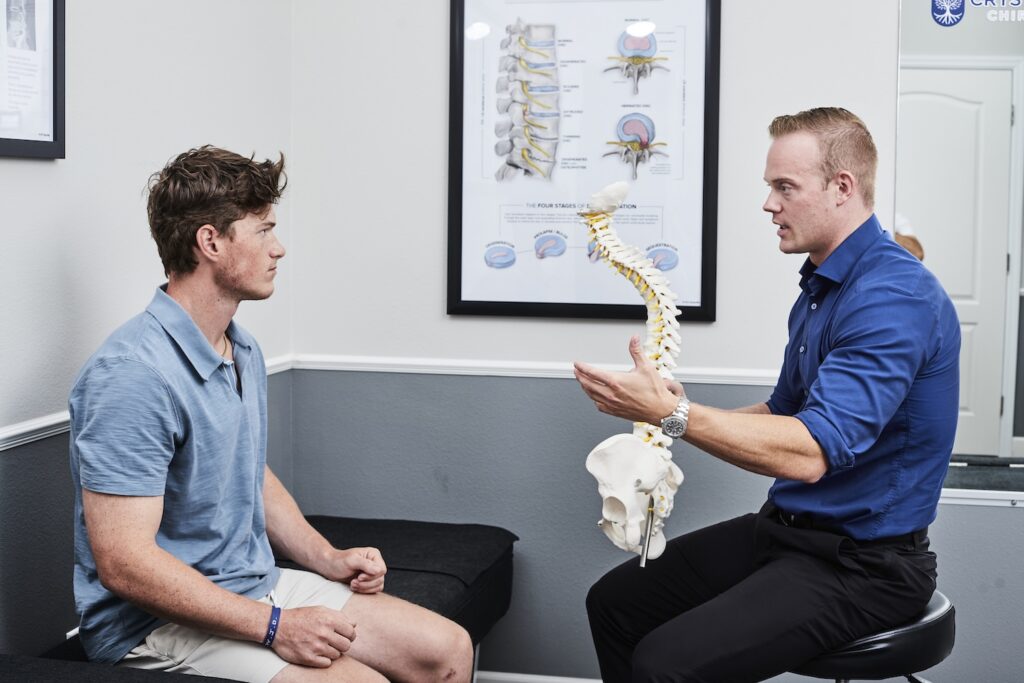
If standard treatments haven’t been helping, it’s crucial to take a closer look. Consulting with a chiropractor who specializes in back pain can offer you valuable insights. We often use a holistic approach, which may include recommending imaging tests or further evaluations to identify the root cause of your pain.
If your discomfort continues, don’t hesitate to seek a second opinion. Sometimes, a fresh perspective can highlight something that may have been overlooked.
The Role of Psychological Factors
As a local chiropractor, I want to help you understand that back pain isn’t solely a physical issue; psychological factors play a crucial role in how you experience and manage your pain. Your emotions, beliefs, and overall mental state can significantly influence your perception of discomfort. Recognizing these elements can be key to effectively addressing your pain.
Let’s explore some important psychological factors that may affect your experience:
- Stress: Increased stress levels can make your pain feel more intense and harder to manage.
- Anxiety: If you’re worried about your condition, it can heighten your sensitivity to pain, making it feel worse than it might actually be.
- Depression: Emotional challenges can amplify your perception of pain, causing you to feel it more acutely.
- Catastrophizing: When you focus excessively on your pain, it can create a cycle that increases your discomfort.
- Fear-avoidance: If you’re avoiding certain activities because of fear of pain, this can lead to physical deconditioning, which often worsens your pain.
By addressing both the physical and psychological aspects of back pain, we can work together towards a more holistic approach to your recovery and well-being.
Inadequate Physical Therapy Approaches
As a local chiropractor, I want to shed some light on the importance of tailored treatment for back pain.
Many traditional physical therapy programs offer generic exercise routines that may not take into account your individual needs and circumstances. If you’re simply following a one-size-fits-all approach, you mightn’t be addressing the specific factors that are contributing to your pain. This can lead to frustration and a lack of relief.
At our chiropractic practice, we focus on understanding your unique situation and developing a personalized plan that goes beyond just exercises.
By examining your spine, posture, and overall health, we can target the root causes of your discomfort and provide you with natural healing methods that promote long-term wellness.
Don’t settle for a cookie-cutter solution—let’s work together to find the right approach for you!
Generic Exercise Regimens
As a local chiropractor, I often see patients who are struggling with back pain, only to discover they’ve been trying generic exercise regimens that aren’t effective for their specific needs.
These one-size-fits-all approaches can be frustrating and may leave you feeling hopeless about finding relief. Rather than addressing the root causes of your pain, they typically recommend standard exercises that may not be appropriate for your condition.
Here are some key issues with these generic regimens that I want you to be aware of:
- They fail to consider your individual pain levels, which can vary greatly from person to person.
- They overlook specific muscle imbalances that might be contributing to your discomfort.
- They don’t take into account your unique injury history, which is vital for crafting an effective treatment plan.
- They can lead to improper form, potentially causing further injury rather than healing.
- They often lack options for progression or modification, which are crucial to accommodate your recovery journey.
To truly experience the benefits of chiropractic care and achieve long-lasting relief from pain, it’s essential to have a customized plan that’s tailored specifically to your body and your pain.
Instead of relying on cookie-cutter solutions, I encourage you to explore a personalized approach that considers your unique situation. Together, we can work towards restoring your health and improving your quality of life.
Lack of Personalized Treatment
As a local chiropractor, I want to emphasize the importance of personalized treatment when it comes to overcoming back pain. While physical therapy has made significant strides, a one-size-fits-all approach often falls short in providing the effective relief you deserve. Many patients come to me frustrated because their generic treatment plans don’t take into account their unique needs, leading to ongoing discomfort and limited progress.
Each person’s body is distinct, and what may work wonders for one individual mightn’t have the same effect on you. This is where chiropractic care shines. I strive to understand your specific condition, lifestyle, and goals so that we can create a customized treatment plan that addresses your particular symptoms.
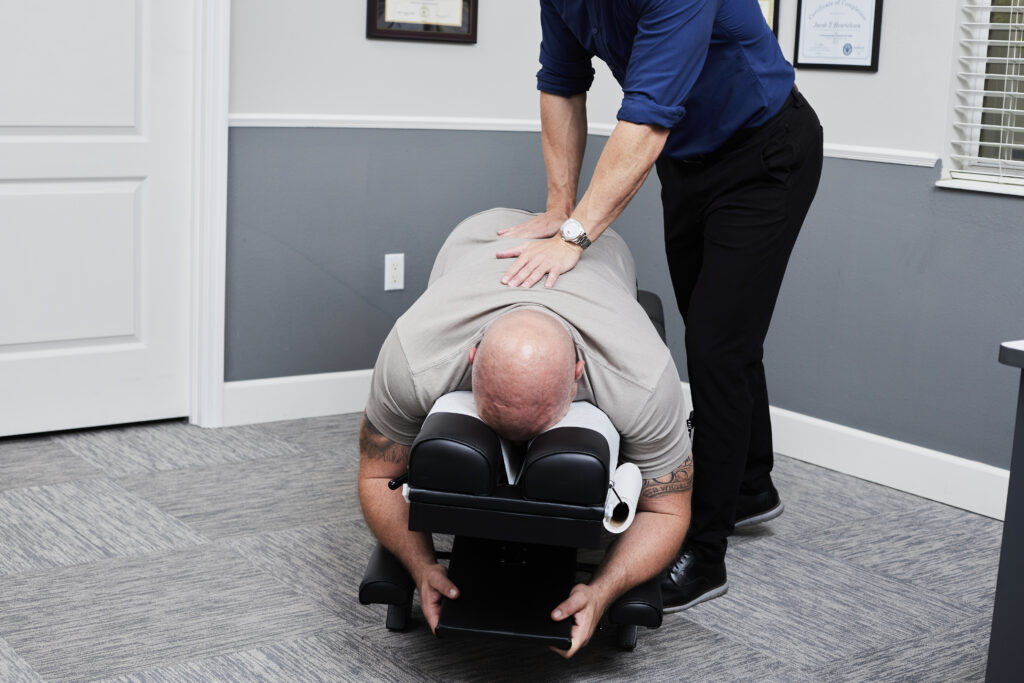
By tailoring our approach to include not just adjustments but also specific exercises, stretching routines, and strength training that align with your individual situation, we can significantly enhance your recovery process.
You deserve a comprehensive strategy that considers all aspects of your health and well-being. By advocating for a personalized chiropractic approach, you can set yourself on the path to a more effective and sustainable recovery from back pain.
Let’s work together to find the best solutions for your journey to wellness.
The Impact of Sedentary Lifestyles
As a local chiropractor, I want to take a moment to discuss the impact that a sedentary lifestyle can have on your overall health. Many of you may not realize how spending long hours sitting can affect your body. Prolonged periods of sitting often lead to poor posture, which can result in significant back pain and discomfort.
It’s important to recognize these consequences, as they can affect not only your physical well-being but also your quality of life. By understanding how your daily habits contribute to these issues, you can take proactive steps toward better health.
Chiropractic care offers effective treatments that focus on natural healing, helping to restore your posture and alleviate pain. I encourage you to consider these lifestyle changes and explore how chiropractic care can support you in achieving a healthier, more active life.
Prolonged Sitting Effects
As a local chiropractor, I want to take a moment to address an issue that many of my patients experience: the effects of prolonged sitting on your back health.
Whether you’re at a desk for work or lounging on the couch, sitting for extended periods can have a significant impact on your spine. Here are some common issues that can arise:
- Decreased Blood Circulation: When you sit for too long, blood flow to your back muscles diminishes, which can lead to discomfort.
- Increased Pressure on Spinal Discs: Prolonged sitting puts extra stress on the discs in your spine, potentially leading to pain and other complications.
- Weakening of Core Muscles: Inactivity can cause your core muscles to weaken, which are essential for supporting your spine and maintaining good posture.
- Reduced Flexibility in Hip Joints: Sitting for extended periods can limit the flexibility of your hip joints, contributing to overall stiffness and discomfort.
- Heightened Tension in the Lower Back: All of these factors can culminate in increased tension and pain in the lower back.
To help alleviate the discomfort associated with these issues, I recommend incorporating regular breaks into your day.
Stand up, stretch, and move around to promote better circulation and muscle engagement. Additionally, consider using standing desks or ergonomic chairs to support your spine and encourage better posture.
By making these small adjustments to your routine, you can significantly improve your back health and reduce pain.
Poor Posture Consequences
As a local chiropractor, I want to take a moment to discuss a common issue that many of my patients face: the effects of prolonged sitting on your posture and overall back health.
When we sit for long periods, especially without proper support, it can disrupt our body’s natural alignment. Slouching or hunching over can place undue strain on your spine, muscles, and ligaments, leading to discomfort and chronic pain.
You may find that your neck and shoulders feel tense, or that even simple movements become more difficult over time. This isn’t just a temporary inconvenience; poor posture can lead to more serious degenerative conditions down the line if left unaddressed.
To help combat these issues, I encourage you to take regular breaks from sitting, incorporate stretching into your daily routine, and consider creating an ergonomic workspace that supports your posture.
By being mindful of how you sit and move throughout the day, you can significantly reduce your risk of back pain and enhance your overall well-being.
Overreliance on Pain Medications
As a local chiropractor, I often see patients who are managing back pain and find themselves turning to pain medications for relief. While these medications can provide temporary comfort, relying too heavily on them can lead to a range of complications that may hinder your overall healing process.
It’s important to understand that while medications might mask your pain, they often fail to address the root cause of the issue. Here are some potential downsides to an overreliance on pain medications:
- You might experience unpleasant side effects, such as nausea or dizziness, which can affect your daily activities.
- Prolonged use can lead to tolerance, meaning you may need to take higher doses to achieve the same level of relief.
- Pain medications don’t facilitate healing or enhance your physical function; they simply dull the sensation of pain.
- When you depend on medications, you may overlook other vital treatments, like chiropractic adjustments or physical therapy, which can promote genuine recovery.
- Excessive use of pain medications can lead to addiction or withdrawal symptoms, complicating your path to wellness.
At our chiropractic clinic, we focus on natural healing methods that not only alleviate pain but also help restore your body’s balance and function.
If you’re struggling with back pain, consider exploring holistic approaches that address the underlying issues and support your overall health.
Insufficient Focus on Core Strength and Flexibility
As a local chiropractor, I want to emphasize how crucial core strength and flexibility are in preventing and managing back pain. Many individuals may not realize that your core muscles—comprising your abdominals, back, and pelvic floor—play a vital role in supporting your spine and maintaining proper posture.
When these muscles are weak, you increase your risk of straining your back during everyday activities, which can lead to ongoing discomfort.
Flexibility is equally important. When your muscles are tight, they can pull your spine out of alignment, resulting in pain and discomfort. By incorporating stretches and strengthening exercises into your daily routine, you can significantly enhance your overall mobility and stability, which is essential for a healthy back.
It’s important to understand that relying solely on traditional treatments like medication or rest may not provide the long-lasting relief you seek. Instead, I encourage you to adopt a balanced approach that includes core strengthening and flexibility exercises.
This proactive strategy can empower you to manage back pain more effectively and reduce the risk of future injuries.
By prioritizing these key elements of your health, you can experience significant improvements in your overall back health, allowing you to live a more active and pain-free life.
If you have any questions or need guidance on exercises tailored to your needs, feel free to reach out!
The Importance of Comprehensive Treatment Plans
As a local chiropractor, I want to share how a holistic approach to managing back pain can truly make a difference in your life.
It’s important to understand that effective treatment goes beyond just building core strength or improving flexibility; there are many factors that contribute to your discomfort. A well-rounded treatment plan should address your physical, emotional, and lifestyle needs, as these are often overlooked.
Here’s what I recommend including in your comprehensive treatment plan:
- Physical Therapy: Engaging in targeted exercises can’t only strengthen your muscles but also enhance your posture, which is crucial for alleviating back pain.
- Pain Management Techniques: Consider exploring various natural therapies such as acupuncture, massage, or chiropractic adjustments. These methods can effectively relieve pain and promote healing.
- Lifestyle Changes: Small adjustments to your daily environment, like setting up an ergonomic workspace, can significantly reduce strain on your back and prevent future injuries.
- Mental Health Support: It’s essential to recognize that stress and anxiety can worsen physical pain. Seeking therapy or counseling can be beneficial for managing these emotional factors.
- Nutrition: Adopting a balanced diet is key to supporting your overall health. Certain foods can help reduce inflammation, which in turn may lessen your back pain.
By taking a comprehensive approach, we can work together to create a personalized treatment plan that addresses all aspects of your well-being.
Conclusion
As a local chiropractor, I want to help you understand why back pain can persist even when you’ve tried common treatments. Many times, the root cause of your discomfort is misdiagnosed, and factors like stress or anxiety can exacerbate the pain. Additionally, traditional physical therapy may not always address the specific issues that you face.
Your daily habits, such as sitting for long periods, can significantly contribute to back pain. Relying solely on pain medications can also mask the problem rather than solve it. To effectively manage your back pain, it’s crucial to focus on strengthening your core, improving your flexibility, and creating a personalized treatment plan that considers your individual needs.
By incorporating chiropractic care and natural healing methods, we can take a comprehensive approach to your back pain. Together, we can work towards finding relief and enhancing your overall well-being. Remember, it’s about more than just alleviating pain; it’s about fostering a healthier, more balanced lifestyle.