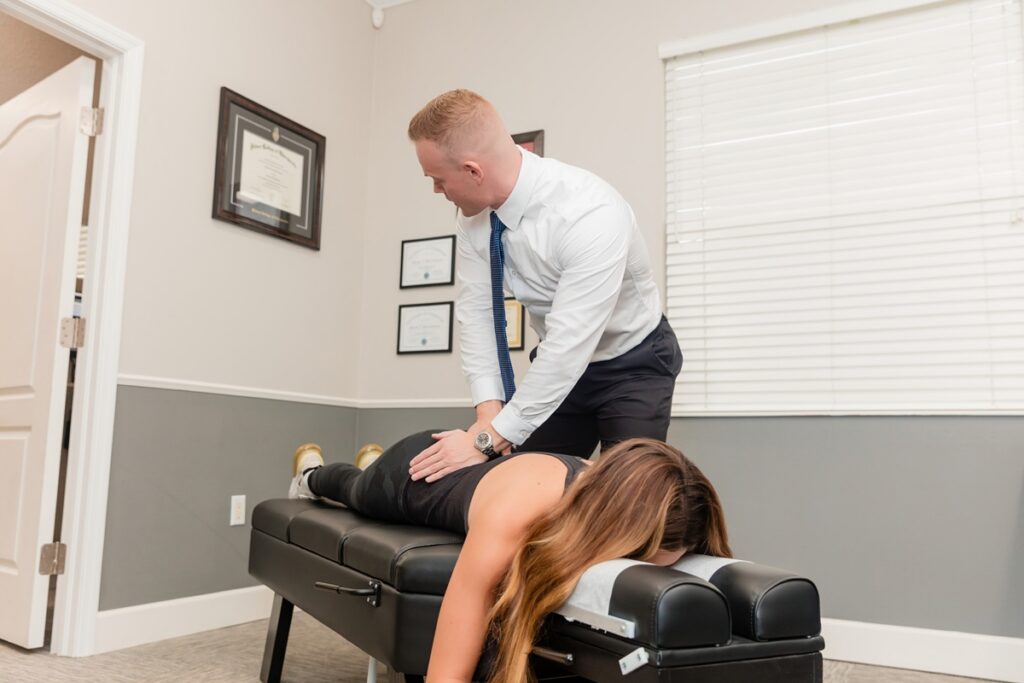

You might find it surprising how often athletes overlook essential recovery support, driven by a culture that celebrates constant hustle over rest. Many equate taking time off with weakness, ignoring the profound impact recovery has on performance. Financial constraints and the influence of coaches can create a perfect storm where self-care is sidelined. As you consider this, think about what happens when the body's signals of fatigue are ignored—what consequences could arise not just for performance, but for overall well-being?
Misplaced Priorities in Training
Misplacing priorities in training can hinder your recovery and overall performance. You might be focusing too much on high-intensity workouts while neglecting essential recovery practices. It's easy to get caught up in the grind, believing that pushing harder will yield better results. However, this mindset can lead to burnout and injury, ultimately derailing your progress.
You should consider how you allocate your time and energy. Are you prioritizing skills and strength over recovery techniques like stretching, foam rolling, or proper nutrition? These elements are vital for maintaining your body's resilience. When you skip recovery, your muscles don't repair properly, and your performance will suffer.
Take a moment to evaluate your training schedule. Are you giving equal weight to both performance and recovery? You need to include rest days and low-intensity sessions to allow your body to recuperate. This approach not only enhances your athletic performance but also supports long-term sustainability in your training regimen.
Don't underestimate the importance of sleep, hydration, and nutrition either. These factors play a significant role in your recovery process. If you're ignoring them, you're likely setting yourself up for failure.
Lack of Education on Recovery
Many athletes overlook the importance of recovery, often due to a lack of education on its benefits.
You might underestimate how proper recovery methods can enhance your performance and prevent injuries.
Without understanding these key concepts, you're missing out on essential support for your athletic journey.
Ignorance of Recovery Benefits
A staggering number of athletes overlook the critical importance of recovery in their training regimens. You might think that pushing harder and training longer will lead to better performance, but that mindset can actually hinder your progress. Without proper recovery, your body can't repair itself, leading to diminished strength, increased fatigue, and a higher risk of injury.
You may underestimate just how beneficial recovery can be for your overall performance. Recovery isn't just about rest; it's an active process that includes nutrition, hydration, and sleep. When you prioritize recovery, you give your muscles the chance to rebuild and adapt, ultimately enhancing your strength and endurance.
Moreover, understanding the psychological benefits of recovery can't be overlooked either. Taking time to rest can improve your mental clarity, focus, and motivation. When you ignore these aspects, you not only compromise your physical health but also your mental well-being.
Education is key. By learning more about the recovery process and its benefits, you'll be better equipped to integrate effective recovery strategies into your routine, allowing you to reach your peak performance while minimizing the risk of burnout and injury.
Misunderstanding Recovery Methods
Understanding recovery methods is fundamental for maximizing your athletic potential, yet many athletes often confuse effective strategies with outdated myths. You might believe that simply resting is enough or that ice baths are the ultimate solution for soreness. In reality, recovery is multifaceted and requires a more nuanced approach.
Many athletes overlook the importance of active recovery, which involves low-intensity exercise to promote blood flow and reduce muscle stiffness. You might also underestimate the role of nutrition, hydration, and sleep in your recovery routine. Proper post-workout nutrition not only replenishes energy but also aids in muscle repair. If you're not fueling your body correctly, you're missing a significant aspect of recovery.
Additionally, some athletes shy away from mobility work and stretching, thinking they're not as beneficial as they actually are. Incorporating these elements can enhance flexibility and prevent injuries, making them essential components of your recovery plan.
Educating yourself about evidence-based recovery methods will empower you to make informed choices. By dispelling myths and embracing effective practices, you'll reveal your full potential and enhance your performance.
Time Constraints and Scheduling
As an athlete, you often juggle multiple commitments, making it tough to prioritize recovery.
With limited timeframes and rushed training schedules, you might feel pressured to skip essential rest.
Understanding how to efficiently manage your time can help you maintain a balanced approach to training and recovery.
Competing Priorities and Commitments
Athletes often find themselves juggling numerous commitments, from rigorous training schedules to academic responsibilities and personal relationships. With so much on your plate, it's easy to overlook the importance of recovery support. You might prioritize your next competition or a vital exam, pushing recovery to the back burner. This can lead to burnout, injuries, or decreased performance.
As you balance training, schoolwork, and social life, you may feel pressured to skip recovery sessions or neglect proper nutrition. You might think that every minute spent on recovery is a minute taken away from training or studying. However, this mindset can be detrimental. Recovery isn't just downtime; it's an integral part of your training regimen.
When you're caught up in the rush of daily life, consider scheduling recovery just like you'd any other commitment. Block out specific times for rest, stretching, or mental relaxation.
Communicate with coaches, teammates, or family to guarantee they understand the importance of this time. By recognizing and valuing recovery, you can enhance your overall performance and well-being, making you a stronger athlete in the long run.
Limited Recovery Timeframes
Finding the right moments for recovery can feel like a juggling act amidst your busy schedule. You've got training sessions, competitions, and personal commitments pulling you in different directions.
As your days fill up, it's easy to overlook the time needed for recovery, even though it's vital for your performance and well-being. When you're racing against the clock, you might prioritize immediate tasks over fundamental recovery practices.
You may think, "I'll just skip that stretching session" or "I don't have time for a massage today." However, neglecting recovery only sets you up for burnout or injury down the road. Limited recovery timeframes can lead to chronic fatigue, decreased performance, and a higher risk of setbacks.
You need to carve out dedicated time for recovery just as you do for training. Consider scheduling shorter, focused recovery sessions into your routine. Whether it's ten minutes of foam rolling or a quick meditation session, even small efforts can make a significant difference.
Rushed Training Schedules
A rushed training schedule can leave you feeling overwhelmed and pressed for time, making it difficult to focus on the quality of your workouts. When you're constantly juggling commitments, you might prioritize quantity over quality, pushing through your sessions without proper attention to technique or recovery. This hurried approach not only hampers your performance but also increases your risk of injury.
You might find yourself skipping vital warm-ups or cooldowns because you're crunched for time. This neglect can lead to muscle tightness and fatigue, ultimately affecting your long-term progress. In addition, a lack of adequate recovery means your body doesn't have the chance to rebuild and strengthen.
To combat this, consider reassessing your training schedule. Are there activities or commitments you can cut back on? Focus on the essential aspects of your training, ensuring you allocate enough time for recovery.
You don't need to sacrifice intensity for time; instead, aim for efficient workouts that include rest and recovery. By prioritizing quality over quantity, you'll not only perform better but also enjoy a healthier training experience.
Cultural Stigma Around Rest
In the world of sports, taking time off for rest often feels like a taboo, with many athletes grappling with the cultural stigma surrounding recovery. You might feel that resting equates to weakness, or that skipping practice to recuperate will label you as less committed. This mindset can lead to burnout, injuries, and ultimately, diminished performance.
You're not alone in this struggle. Many athletes internalize the belief that constant training is the only path to success, fearing that taking a break could jeopardize their competitive edge. This pressure, often fueled by glorified narratives of relentless dedication, makes it challenging to prioritize rest. You might notice how your peers boast about pushing through fatigue or ignoring pain, creating an environment where rest becomes synonymous with failure.
It's vital to recognize that your body needs recovery just as much as it needs training. Ignoring this necessity can lead to long-term setbacks, both physically and mentally. You might even find that the most successful athletes understand the importance of balance, emphasizing recovery as a key component of their regimen.
Shifting this cultural perspective starts with you. By openly discussing the benefits of rest and modeling healthy recovery habits, you can challenge the stigma. Remember, taking time to recharge isn't just about avoiding injury; it's about enhancing your overall performance and longevity in the sport.
Embrace rest as an essential part of your journey, not a hurdle to overcome.
Influence of Coaches and Peers
Coaches and peers play a significant role in shaping your attitudes toward recovery in sports. When you look to your coach for guidance, their perspective on rest and recovery can greatly influence your own mindset. If your coach prioritizes relentless training and dismisses rest as a sign of weakness, you might internalize this belief and push yourself too hard, risking burnout or injury. You want to impress them, and that desire can overshadow your need for recovery.
Similarly, your teammates can impact how you view recovery. If everyone is constantly pushing through pain or fatigue, you might feel pressured to do the same, believing that taking time off could set you apart or make you seem less dedicated. You may find yourself in a culture that glorifies toughness, where skipping recovery days becomes a badge of honor.
On the flip side, a supportive coach who emphasizes the importance of recovery can create an environment where you feel comfortable prioritizing your health. When your peers acknowledge the value of rest, it fosters a culture of understanding where everyone recognizes that recovery is essential for peak performance.
Ultimately, it's vital to surround yourself with individuals who advocate for balanced training and recovery. By engaging in open conversations about recovery with your coach and teammates, you can help cultivate a healthier approach to sports, allowing yourself the time and space needed to recharge and perform at your best.
Overemphasis on Physical Performance
The relentless pursuit of physical performance can overshadow the essential need for recovery in athletic training. You push yourself to lift heavier, run faster, and train longer, often at the expense of your well-being. This focus on maximizing output creates a culture where resting and recovery are seen as signs of weakness or lack of dedication. You might find yourself caught in the cycle of intense workouts, believing that any time spent not training is a missed opportunity to improve.
However, when you prioritize performance over recovery, you risk diminishing returns. Your muscles need time to repair and adapt, and without adequate rest, you're likely to face burnout and injury. Yet, you may feel pressured to keep pushing, driven by the desire to meet the expectations set by coaches, peers, or even your own ambitions.
You might ignore the signs your body gives you, dismissing fatigue and discomfort as just part of the game. The irony is that real progress often comes from allowing your body to heal and recover. By undervaluing this aspect of training, you could be hindering your overall performance rather than enhancing it.
Ultimately, it's vital to shift your mindset. Embrace recovery as an integral part of your training regimen. A balanced approach that includes rest will enable you to perform at your best, ensuring that your hard work translates into tangible results.
Prioritize recovery, and you'll find that your physical performance can reach new heights.
Ignoring Signs of Fatigue
Pushing through fatigue often feels like a badge of honor in the world of athletics. You might believe that ignoring those signals from your body shows dedication and resilience.
But in reality, this mindset can lead to serious physical and mental consequences. Ignoring signs of fatigue isn't just reckless; it can undermine your performance and health.
When you push past your limits, you risk:
- Increased Injury Risk: Fatigue affects your coordination and reaction time, making you more susceptible to injuries. Small missteps can lead to significant setbacks.
- Decreased Performance: Your body needs rest to recover and build strength. Ignoring fatigue often results in a decline in overall performance, leaving you feeling frustrated and defeated.
- Mental Burnout: Constantly pushing through exhaustion can lead to mental fatigue, reducing your motivation and focus. This can create a vicious cycle where you feel less inclined to train effectively.
Recognizing and addressing fatigue isn't a sign of weakness; it's a smart strategy for long-term success.
By listening to your body, you can enhance your performance and maintain your passion for the sport. Remember, recovery isn't just about taking a break; it's about respecting your body's signals.
Prioritizing recovery will ultimately help you achieve your athletic goals and sustain your health. Don't overlook the signs—embrace them and perform at your best!
Misunderstanding Recovery Techniques
Recovery techniques are often surrounded by misconceptions that can hinder your progress as an athlete. You might believe that simply resting is enough, but effective recovery goes beyond just taking a break. It's essential to understand that active recovery, like light exercise or stretching, can actually enhance your muscle repair and reduce soreness.
Another common misconception is that all recovery methods are one-size-fits-all. You may think that what works for a fellow athlete will work for you, but individual needs vary. Factors such as your sport, training intensity, and personal physiology play a significant role in determining the best recovery techniques for you.
Many athletes also underestimate the importance of nutrition in recovery. You might focus solely on training, but neglecting your diet can stall your progress. Consuming the right balance of protein, carbohydrates, and healthy fats post-workout is important for muscle repair and energy replenishment.
Hydration is another key aspect that's often overlooked. You might assume that you're drinking enough water, but dehydration can severely impact your recovery. Monitoring your fluid intake can make a significant difference in how your body bounces back after training.
Lastly, don't discount the mental aspect of recovery. Techniques like mindfulness and visualization can help you relax and enhance your focus.
Embracing a holistic approach by understanding these misconceptions can pave the way for improved performance and a faster recovery.
Financial Barriers to Support
When you seek professional recovery services, the costs can quickly add up, making it tough to access the care you need.
Insurance limitations can further complicate your situation, often leaving you with unexpected out-of-pocket expenses.
Understanding these financial barriers is essential for maneuvering your recovery journey effectively.
Cost of Professional Services
In today's competitive sports environment, the cost of professional recovery services can pose significant financial barriers for many athletes. You might find yourself torn between investing in essential recovery support and managing your day-to-day expenses. This dilemma can prevent you from accessing the care you need to perform at your best.
Consider these factors that contribute to the high costs associated with professional recovery services:
- Specialized Equipment: High-quality tools, like cryotherapy machines or advanced massage devices, can be expensive to purchase or rent.
- Expertise of Professionals: Hiring skilled physiotherapists or trainers often comes with a hefty price tag, reflecting their specialized training and experience.
- Frequency of Sessions: Regular recovery sessions can add up quickly, making it challenging to maintain a consistent routine without breaking the bank.
These financial barriers can keep you from prioritizing your recovery, ultimately affecting your performance and longevity in your sport.
It's vital to explore affordable alternatives or seek support options that can help alleviate these costs while ensuring you stay on track to achieve your athletic goals.
Insurance Limitations and Restrictions
Many athletes face significant hurdles due to insurance limitations and restrictions that can hinder access to essential recovery services. You might find that your insurance plan doesn't cover certain therapies or treatments essential for your recovery, leaving you to shoulder the costs on your own. This can be frustrating, especially when you know how important these services are for your performance and overall well-being.
Additionally, some plans have strict requirements for referrals or pre-approvals, which can delay your access to necessary care. You may end up waiting for weeks or even months to get the services you need, potentially prolonging your recovery time and putting your athletic career at risk.
Navigating these insurance policies can feel overwhelming, and you might find that the financial burden is too much to bear. Even if you're committed to your recovery, these barriers can limit your options and make it harder to prioritize your health.
Understanding your coverage and exploring alternative funding options can be essential steps in overcoming these challenges and ensuring you get the support you need to succeed.
Psychological Pressure to Perform
Athletes often face immense psychological pressure to perform at their best, which can feel like a heavy weight on their shoulders. This pressure comes from various sources, including expectations from coaches, fans, and even themselves.
When you're constantly aiming for perfection, it can be easy to overlook the vital aspects of recovery and mental health. The psychological toll can lead to burnout, anxiety, and decreased performance.
To navigate this pressure, it's important to recognize the key factors contributing to these feelings. Here are three vital aspects to keep in mind:
- Expectations: You might feel an overwhelming obligation to meet or exceed the standards set by others. This can create a cycle of anxiety that distracts from your performance.
- Fear of Failure: The fear of disappointing yourself or others can paralyze you, making it difficult to focus on your training and recovery. This fear often leads to overtraining, neglecting rest, and ultimately increasing the risk of injury.
- Comparison: In the age of social media, it's easy to compare your journey with those of your peers. This constant comparison can magnify feelings of inadequacy, making it harder to appreciate your own progress.
To counteract these pressures, you must prioritize mental health just as much as physical training. Incorporating recovery strategies, like mindfulness or therapy, can help you regain control and perform at your best.
Conclusion
In today's competitive sports environment, it's essential to prioritize recovery just as much as training. Ignoring rest can lead to burnout and injuries, ultimately hindering your performance. By understanding the importance of recovery, overcoming cultural stigmas, and breaking free from psychological pressures, you can enhance your athletic journey. Remember, investing time and resources in recovery isn't a sign of weakness—it's a necessary step towards achieving your peak potential. So, embrace recovery and watch your performance soar!