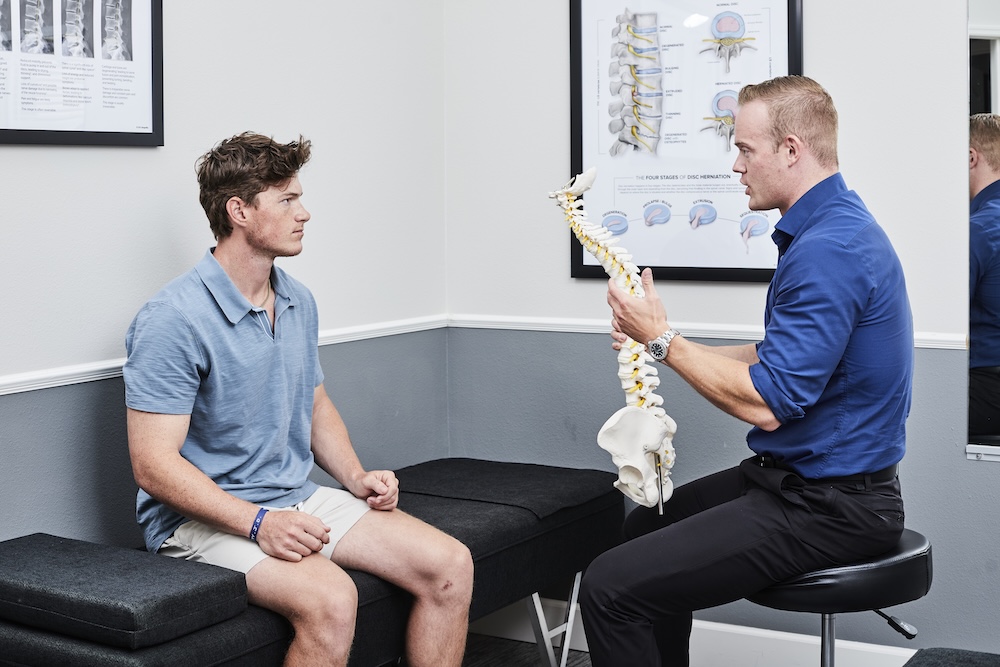
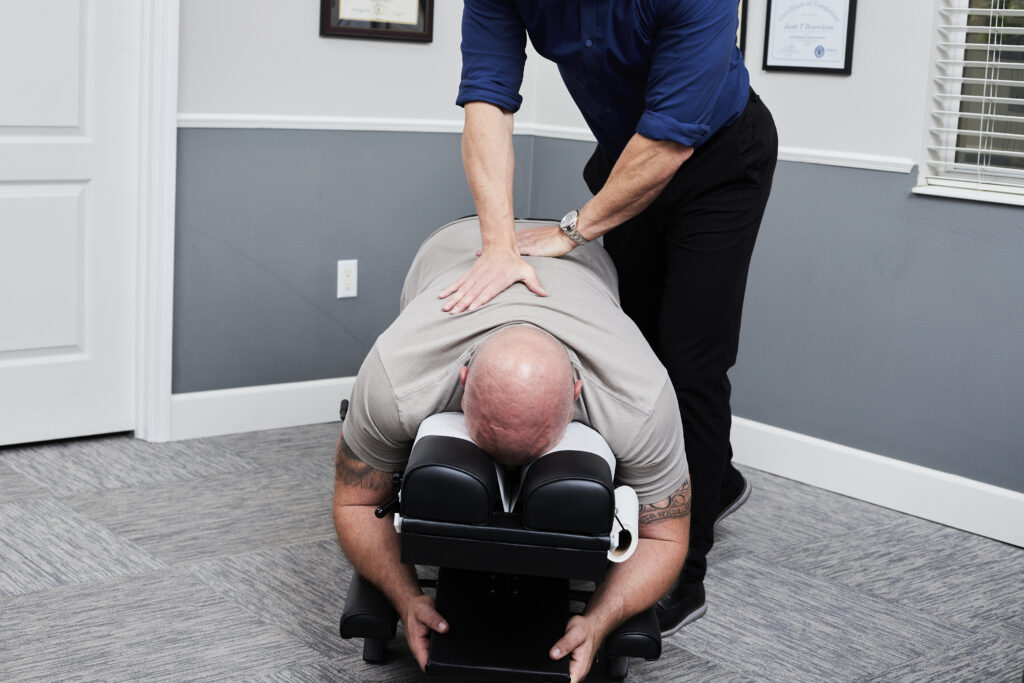
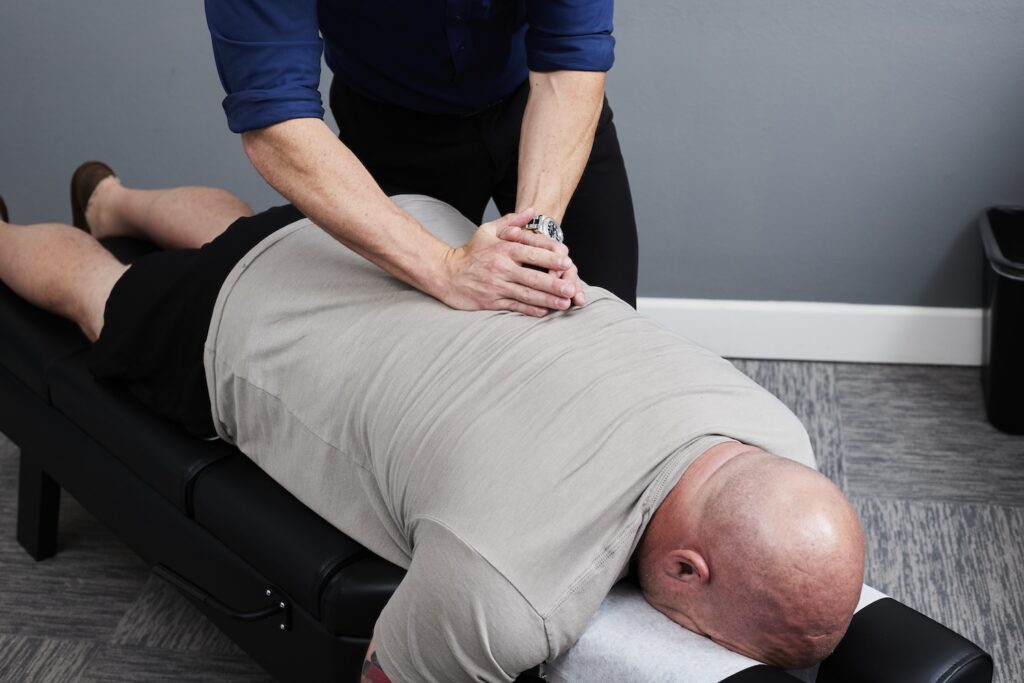
As your local chiropractor, I want to share some valuable insights about preventing back pain through simple lifestyle changes. Many patients don’t realize how much their posture, daily activities, and sleep habits can impact their comfort. By paying attention to areas like ergonomics and regular exercise, you can significantly enhance your spinal health and overall well-being.
If you’re curious about how to make specific adjustments in your daily routine, I’m here to guide you through effective strategies that can help keep your back pain-free. Understanding these changes can empower you to take charge of your health and maintain a pain-free lifestyle. Let’s work together to explore ways to support your spine and promote natural healing.
Improve Your Posture
As a local chiropractor, I want to emphasize the importance of good posture in maintaining overall health and reducing the risk of back pain. It’s essential to understand how your body aligns itself, whether you’re sitting or standing. I recommend keeping your shoulders back and your spine in a neutral position. Make sure your feet are flat on the floor and avoid crossing your legs, as this can lead to misalignment over time.
If you find yourself sitting for extended periods, it’s crucial to adjust your chair so that your knees are at the same level as your hips. Consider using a cushion or a lumbar roll to help support the natural curve of your lower back. This small adjustment can make a significant difference in your comfort and spinal health.
When it comes to walking, remember to engage your core muscles and keep your head up, looking straight ahead. This not only supports better posture but also instills a sense of confidence in your demeanor.
Lastly, when lifting heavy objects, always bend your knees and keep the weight close to your body. This technique helps minimize the strain on your back and prevents injuries.
Stay Active With Regular Exercise
As a local chiropractor, I want to emphasize the importance of staying active through regular exercise to help manage and prevent back pain.
Engaging in exercises that strengthen your core muscles, improve your flexibility, and enhance your balance can significantly impact your overall back health. These elements are crucial for maintaining a strong support system for your spine, which can lead to reduced discomfort and better mobility.
Let’s take a closer look at how each of these components contributes to a healthier back and how chiropractic care can further support your journey to wellness.
Strengthen Core Muscles
As a local chiropractor, I want to emphasize the importance of strengthening your core muscles for overall spinal health and to prevent back pain. Many people aren’t aware that your core consists of various muscles located in your abdomen, back, and pelvis, all working together to support your spine.
Regular exercise is a vital component in enhancing the strength of these muscles. Incorporating specific exercises into your routine can significantly benefit your core strength. Activities like planks, bridges, and abdominal crunches are excellent choices.
I recommend aiming for at least two to three sessions per week, focusing on maintaining proper form and controlled movements to maximize effectiveness and minimize the risk of injury.
Consistency is crucial, so it’s important to find exercises that you enjoy and can stick with over time. As your core strength improves, you’ll likely experience enhanced stability and reduced strain on your back, which can contribute to a more pain-free lifestyle.
Improve Flexibility and Balance
As your local chiropractor, I want to emphasize the importance of flexibility and balance in maintaining a healthy spine and preventing back pain.
While many people focus primarily on building strength, it’s crucial to incorporate stretching and balance exercises into your routine as well. Activities like yoga and Pilates are excellent options, as they not only promote flexibility but also enhance core stability, which is vital for spinal health.
Incorporating simple stretches targeting your back, hamstrings, and hips can significantly alleviate tension and increase your range of motion.
Additionally, practicing balance exercises, such as standing on one leg or using a stability ball, can greatly improve your posture and coordination, further supporting your spine.
I recommend aiming for at least 30 minutes of these activities several times a week.
By prioritizing flexibility and balance in your lifestyle, you can reduce the risk of back pain and improve your overall quality of life.
Incorporate Stretching and Flexibility Routines
As your local chiropractor, I want to emphasize the importance of incorporating stretching and flexibility routines into your daily life for better back health.
Many people may not realize that simple daily stretching habits, along with practices like yoga, can significantly relieve tension in your muscles and enhance your overall flexibility.
By making a commitment to these routines, you aren’t only promoting a stronger back but also paving the way for a pain-free lifestyle.
It’s essential to understand that these natural approaches can play a crucial role in your overall wellness and recovery.
Let’s work together to integrate these valuable practices into your daily routine for improved spinal health.
Daily Stretching Habits
As your local chiropractor, I want to emphasize the importance of incorporating daily stretching into your routine to help alleviate back pain and improve your overall health. Stretching can be a powerful tool in enhancing your flexibility and well-being.
Begin with gentle stretches, such as the cat-cow or child’s pose, to warm up your spine. These movements are fantastic for easing tension and preparing your body for deeper stretches.
Additionally, incorporating hamstring and hip flexor stretches can significantly relieve pressure in your lower back, which is often a common source of discomfort.
I recommend dedicating at least 10 to 15 minutes each day to these stretches, focusing on slow and controlled movements. Remember to breathe deeply while you stretch; deep breathing not only helps to release stress but also increases blood flow to your muscles, promoting healing and relaxation.
To make this a consistent part of your daily routine, consider setting reminders on your phone or integrating stretching into your morning or evening rituals.
By committing to these daily stretching habits, you can help reduce back pain, promote better posture, and enhance your mobility. Embracing these practices is a natural way to support your body and complement the chiropractic care you receive.
Together, we can work towards achieving a pain-free and healthier you!
Yoga and Back Health
As a local chiropractor, I want to share how yoga can be a transformative practice for your back health. It offers a wonderful combination of stretching and flexibility exercises that specifically target important muscle groups in your back. By incorporating yoga into your routine, you can enhance your posture, fortify your core, and increase your overall flexibility—all of which can significantly help in alleviating back pain.
Certain poses, such as Downward Dog and Child’s Pose, are particularly effective in stretching the spine, while Cat-Cow can help mobilize your back and release built-up tension.
Additionally, yoga encourages mindfulness through breath awareness, which can lower stress levels and promote a sense of relaxation throughout your body.
Don’t be intimidated by the idea of starting yoga; even dedicating just a few minutes each day can lead to meaningful improvements in your back health.
Optimize Your Workspace Ergonomics
As a local chiropractor, I want to share with you how the setup of your workspace can have a significant impact on your back health. Many people don’t realize that small adjustments can lead to big improvements in how we feel.
First, let’s talk about your chair. It’s essential to adjust it so that it supports your lower back properly. Your feet should rest flat on the floor, with your knees at or slightly below hip level. This positioning helps maintain a neutral spine, which is vital for reducing strain on your back.
Next, consider your computer monitor. Position it at eye level to prevent straining your neck. This simple adjustment can help you maintain proper posture while you work and minimize discomfort.
When it comes to your keyboard and mouse, make sure they’re easily accessible and at elbow height. This will reduce tension in your shoulders and help you avoid the common aches and pains associated with prolonged sitting.
If you find yourself sitting for long stretches, I encourage you to take regular breaks. Stand up, stretch, and move around to keep your body active. A standing desk might also be a great option for you, as it allows you to alternate between sitting and standing throughout your day.
Maintain a Healthy Weight
As a local chiropractor dedicated to your health and well-being, I want to emphasize the importance of maintaining a healthy weight, especially in relation to your spine and overall musculoskeletal health. Carrying excess weight can put significant strain on your spine and surrounding muscles, often leading to poor posture and increased pressure on your lower back.
Here are some effective strategies I recommend to help you achieve and maintain a healthy weight, which can ultimately support your chiropractic care and promote better health:
- Eat a Balanced Diet: Focus on nourishing your body with whole foods. Incorporate plenty of fruits, vegetables, lean proteins, and whole grains into your meals. It’s wise to limit processed foods and added sugars, as they can contribute to weight gain and inflammation.
- Stay Active: Regular physical activity is essential for maintaining a healthy weight. Aim for at least 150 minutes of moderate exercise each week. Activities like walking, swimming, or yoga not only help with weight management but also promote flexibility and strength, which are crucial for spinal health.
- Hydrate: Water is vital for your body’s functions. Staying well-hydrated can help reduce cravings and support your overall health. Proper hydration is also important for keeping your joints lubricated and your muscles functioning well.
- Monitor Portion Sizes: Being mindful of your portion sizes is key to avoiding overeating. Using smaller plates can help you control your portions without feeling deprived, making it easier to maintain a healthy weight.
Remember, achieving and maintaining a healthy weight isn’t just about looking good; it’s about feeling good and supporting your spine and overall health.
If you have any questions about how chiropractic care can complement your weight management efforts, please feel free to reach out. Your health journey is important to me, and I’m here to help!
Invest in Quality Sleep and Mattress Support
As a local chiropractor, I want to emphasize the importance of quality sleep for your overall well-being and its significant impact on your back health. A supportive mattress plays a crucial role in maintaining proper spinal alignment while you sleep.
If your mattress is too soft or worn out, it can lead to discomfort and may worsen any existing back pain you have. I recommend considering a medium-firm mattress that aligns with your preferred sleeping position.
For instance, if you’re a side sleeper, you might find a slightly softer mattress more comfortable, while back and stomach sleepers generally benefit from a firmer support. Don’t overlook the importance of your pillows either; they should adequately support your neck and head to maintain alignment.
Creating a sleep-friendly environment is also essential. Make sure your bedroom is dark, quiet, and cool to promote better rest.
Establishing a consistent sleep schedule can further enhance your sleep quality. By prioritizing rest and investing in the right sleep setup, you can’t only improve your back health but also elevate your mood and energy levels.
Conclusion
As a local chiropractor, I want to share some valuable lifestyle changes that can significantly reduce your risk of experiencing back pain. One of the first steps is to focus on improving your posture, both while sitting and standing. Good posture helps maintain the natural alignment of your spine, reducing strain on your back muscles.
Staying active is also crucial. Regular physical activity strengthens the muscles that support your spine and enhances flexibility, which can help prevent injuries. Incorporating stretching into your daily routine is equally important, as it keeps your muscles limber and can alleviate tension.
Ergonomics play a vital role in your workspace. Ensuring that your desk and chair are set up correctly can help prevent unnecessary strain on your back. Additionally, maintaining a healthy weight is beneficial, as excess weight can place extra pressure on your spine.
Lastly, don’t underestimate the power of quality sleep. Investing in a good mattress and pillow can support your spine while you rest. By making these simple yet effective adjustments, you can alleviate any existing discomfort and foster a healthier back for the future. Start implementing these changes today, and your back will surely thank you!