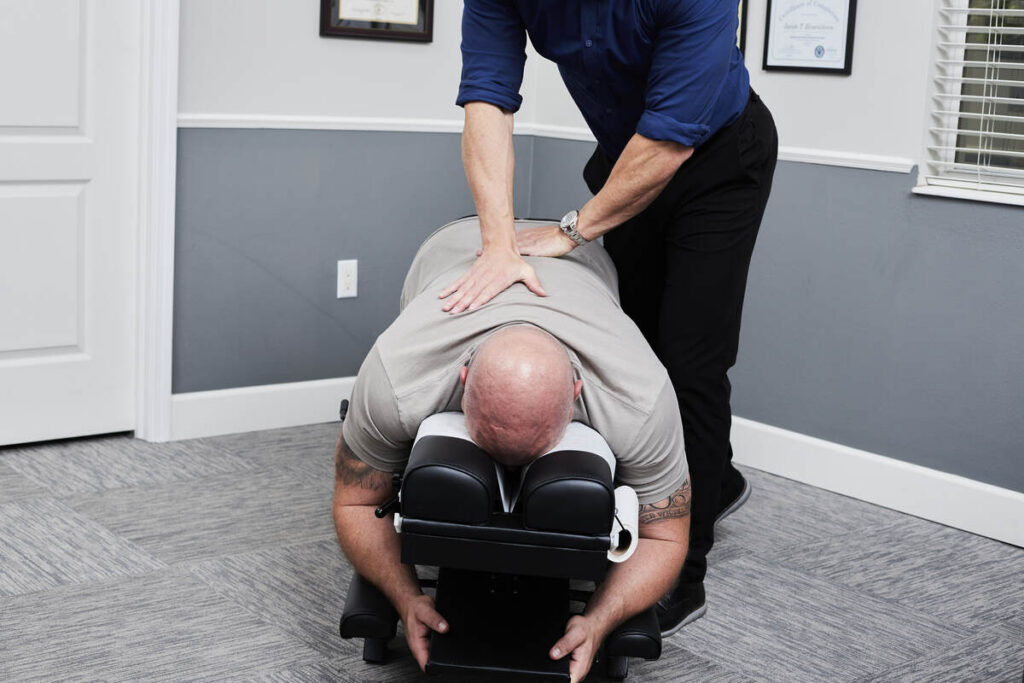
As a local chiropractor dedicated to helping you understand how to prevent back pain, I want to emphasize the importance of incorporating the right exercises into your routine. Strengthening your core muscles, enhancing your flexibility, and maintaining proper posture are essential elements in safeguarding your back health. Additionally, aerobic activities and stretching techniques are vital in promoting overall well-being.
If you’re wondering which specific exercises can help you achieve a pain-free back, let’s delve into some effective strategies together. By focusing on these exercises, you can take proactive steps to support your spine and enhance your quality of life. Remember, your journey to a healthier back begins with understanding the exercises that work best for you!
Strengthening Core Muscles
As a local chiropractor, I want to share some valuable insights on how to effectively prevent back pain through the strengthening of your core muscles. Your core is vital for supporting your spine and maintaining overall body stability. A strong core helps distribute weight evenly, which significantly reduces the strain on your back.
I recommend incorporating exercises such as planks, bridges, and bicycle crunches into your routine. These exercises not only target your abdominal muscles but also engage your obliques and lower back, creating a balanced strength foundation. Aim for three sets of 10 to 15 repetitions for each exercise, and as you progress, gradually increase the intensity to continue challenging your body.
It’s crucial to maintain proper form while performing these exercises to avoid injury. Always engage your core and remember to breathe evenly throughout each movement.
To keep your workouts fresh and stimulating, consider using stability balls or resistance bands for added variety and to further challenge your muscles.
By committing to a consistent core-strengthening routine, you’ll not only decrease your risk of back pain but also enhance your overall posture and athletic performance.
Improving Flexibility
As a chiropractor, I want to emphasize the importance of not only strengthening your core but also improving your flexibility to prevent back pain. Many people may not realize that tight muscles can exert undue pressure on your spine, leading to discomfort and misalignment. That’s why incorporating regular stretching into your routine is crucial.
Focus on key areas such as your hamstrings, hip flexors, and lower back. Simple stretches like forward bends or seated twists can significantly enhance your flexibility and help alleviate tension in your body.
I also recommend considering practices like yoga or Pilates as part of your weekly exercise routine. Both of these modalities prioritize stretching and mobility, which can greatly improve your overall range of motion and flexibility. Additionally, they promote relaxation, further reducing stress on your back.
It’s essential to listen to your body throughout this process. Gradually increasing your flexibility is the best approach to maintaining a healthy spine and preventing future pain.
Promoting Better Posture
As a local chiropractor, I want to share with you how good posture can greatly enhance your overall back health. When you maintain proper alignment while sitting, standing, or walking, you significantly reduce the strain on your spine and surrounding muscles. It’s essential to be conscious of your posture throughout your daily activities.
When you’re sitting, aim to keep your feet flat on the ground, your shoulders relaxed, and your back straight. Utilizing a chair that supports your lower back can be incredibly beneficial, and it’s important to resist the urge to slump.
While standing, make sure to distribute your weight evenly across both feet and keep your head in line with your spine. This alignment helps maintain balance and prevents discomfort.
To further support your posture, consider incorporating core-strengthening exercises like planks and bridges into your routine. A strong core plays a vital role in sustaining good posture.
Additionally, practices such as yoga or tai chi can be excellent for enhancing body awareness and alignment. These activities not only help in improving your posture but also promote overall wellness.
As you consider these changes, remember that chiropractic care can also assist in correcting postural issues and improving your spinal health. Let’s work together to achieve a healthier, pain-free lifestyle!
Engaging in Aerobic Activities
As a local chiropractor, I want to emphasize the vital role that engaging in aerobic activities can play in maintaining your overall back health.
These exercises aren’t just about staying fit; they significantly enhance circulation, strengthen your muscles, and improve flexibility—all essential factors in preventing back pain.
To help you maximize these benefits, it’s important to know which aerobic activities are most effective and how frequently you should incorporate them into your routine.
Benefits of Aerobic Exercise
As a local chiropractor, I want to share with you the incredible benefits of aerobic exercise, which can play a significant role in your overall health and well-being. Many people think of aerobic activities simply as a way to boost cardiovascular fitness, but the advantages go much deeper than that.
Engaging in regular aerobic exercise can greatly enhance your endurance and energy levels, making daily tasks feel much more manageable. This is especially important for maintaining a healthy spine and preventing back pain, which we often see in our practice.
When you elevate your heart rate through activities like walking, swimming, or cycling, your body releases endorphins—natural mood lifters that can help reduce stress and anxiety. This not only improves your mental state but can also lead to better focus and productivity in your everyday life.
Moreover, aerobic exercise is beneficial for strengthening muscles, including those that support your back. A strong back is essential for preventing pain and injury, and by incorporating regular aerobic activities into your routine, you can maintain a healthy weight, which further alleviates strain on your spine.
Incorporating aerobic exercise into your daily life is a natural and effective way to support your overall well-being and promote spinal health. As your chiropractor, I encourage you to explore various aerobic activities that you enjoy, and make them a consistent part of your lifestyle.
Your body—and your back—will thank you!
Recommended Aerobic Activities
As a local chiropractor, I want to emphasize the importance of finding enjoyable ways to stay active for your overall health, especially when it comes to your back. Engaging in aerobic activities such as walking, swimming, or cycling can significantly enhance your cardiovascular fitness while also strengthening the muscles that support your spine.
Walking is an excellent starting point because it’s accessible and low-impact, making it suitable for almost everyone, regardless of fitness level. Swimming is another fantastic option; the buoyancy of the water reduces strain on your back while providing a comprehensive workout for your entire body.
Cycling, whether on a stationary bike or outdoors, is great for improving endurance and flexibility. Additionally, activities like dancing or joining group fitness classes can make exercising more enjoyable and engaging.
Incorporating these aerobic activities into your routine not only helps in maintaining a healthy weight but also alleviates stress on your back, which is crucial for your spinal health. So, I encourage you to explore different activities and find what you love—your back will thank you for it!
Frequency and Duration Guidelines
As your local chiropractor, I want to emphasize the importance of maintaining a healthy back and overall fitness through regular aerobic activities.
It’s essential to establish a routine that works for you. I recommend aiming for at least 150 minutes of moderate aerobic exercise each week. This can easily be broken down into manageable 30-minute sessions, spread over five days. If you enjoy more vigorous activities, just 75 minutes weekly can suffice.
Consistency is vital for your health. Try not to go more than two days without engaging in some form of exercise. Incorporating activities like walking, cycling, or swimming can significantly strengthen your back while also enhancing your overall endurance.
It’s important to listen to your body. If you begin to feel discomfort or strain, consider adjusting the intensity or duration of your workouts. Gradually increasing your activity level will help ensure you reap lasting benefits.
Practicing Yoga and Pilates
As a local chiropractor, I often find that many individuals view yoga and Pilates primarily as relaxation techniques. However, these practices can serve as powerful allies in preventing and alleviating back pain.
Both yoga and Pilates emphasize core strength, enhance flexibility, and promote proper alignment—all of which are crucial for maintaining a healthy spine.
Incorporating these disciplines into your routine can lead to significant improvements in your back health:
- Enhances flexibility: Regular practice can increase flexibility in the spine and surrounding muscles, which is essential for mobility and injury prevention.
- Strengthens the core: A strong core provides better support for your back, reducing the risk of strain and injury.
- Promotes proper posture: By focusing on alignment, both yoga and Pilates help you develop better posture, which can alleviate unnecessary strain on your back.
- Encourages mindfulness: These practices foster a greater awareness of your body mechanics, helping you recognize and correct poor movement patterns that may contribute to pain.
- Reduces stress: Stress can lead to muscle tension; practicing yoga and Pilates can help relieve that tension, contributing to overall comfort and well-being.
I encourage you to consider adding yoga and Pilates to your wellness routine as a proactive way to build a strong foundation for a pain-free back.
Whether you choose to join a class or follow online tutorials, taking these steps can greatly enhance your journey toward better back health.
If you have any questions or need guidance on integrating these practices with chiropractic care, feel free to reach out.
Incorporating Resistance Training
As a local chiropractor, I want to emphasize the importance of incorporating resistance training into your fitness routine for optimal back health. Building strength and stability in the muscles that support your spine is crucial, and resistance training can play a significant role in this process.
I recommend focusing on exercises that specifically target your core, glutes, and back muscles. Movements such as deadlifts, squats, and bent-over rows aren’t only effective for engaging multiple muscle groups but also promote proper posture, which is vital for preventing back pain.
When starting, it’s essential to use lighter weights to ensure you maintain good form. As your confidence and strength grow, you can gradually increase the resistance. I suggest aiming for two to three training sessions each week, allowing adequate recovery time for your muscles between workouts.
Additionally, consider incorporating variations that challenge your balance, such as single-leg deadlifts. These exercises not only strengthen your back but also improve your overall stability, which is important for daily activities.
Remember, consistency is key! By integrating resistance training into your routine, you can significantly reduce your risk of back pain while enhancing your overall fitness and performance.
If you have any questions or need guidance on how to safely start a resistance training program, feel free to reach out. Your journey to better back health and wellness is important, and I’m here to help!
Utilizing Stretching Techniques
As a local chiropractor, I want to emphasize the importance of stretching for maintaining a healthy back. Stretching plays a vital role in enhancing flexibility and reducing muscle tension, which are key factors in preventing discomfort and promoting overall mobility.
By incorporating specific stretching techniques into your daily routine, you can significantly reduce your risk of back pain and improve your quality of life.
Let’s take a moment to explore the numerous benefits of stretching and some effective stretches that can help keep your back pain-free. These simple yet powerful techniques can be easily integrated into your lifestyle, allowing you to support your body’s natural healing processes and enhance your overall well-being.
Benefits of Stretching
As a local chiropractor, I want to emphasize the importance of incorporating stretching into your daily routine for maintaining a healthy spine and overall well-being. Many of my patients who experience back pain often find that regular stretching significantly reduces their discomfort.
When you stretch, you enhance your flexibility, which not only improves your range of motion but also helps prevent injuries that can arise from tight muscles.
One of the key benefits of stretching is its ability to promote better blood circulation. This improved circulation plays a crucial role in muscle recovery and helps reduce stiffness, making it easier for you to move comfortably throughout the day.
Furthermore, stretching is vital for relieving tension in the muscles that support your spine, ultimately providing better support and alignment for your back.
Here’s a quick overview of the benefits of stretching that I often share with my patients:
- Increases flexibility: Greater flexibility allows for improved movement and reduces the risk of injuries.
- Improves posture: Proper stretching encourages better alignment of the spine and overall body posture.
- Enhances circulation: Improved blood flow aids in faster recovery and reduces muscle tightness.
- Reduces muscle tension: Stretching helps to relax tight muscles, alleviating discomfort and promoting relaxation.
- Supports overall spine health: A flexible and well-aligned spine is essential for long-term health and wellness.
I encourage everyone to integrate stretching into their daily activities, as it can have profound benefits for your back health and overall quality of life.
If you have any questions or need guidance on effective stretching techniques, feel free to reach out!
Key Stretching Techniques
As a local chiropractor, I want to share some effective stretching techniques that can help prevent back pain by targeting the muscles that support your spine.
One of the first stretches I recommend is the cat-cow stretch. This involves alternating between arching and rounding your back, which can enhance your flexibility and mobility.
Another beneficial stretch is the child’s pose. This gentle position helps to elongate your spine and allows your back muscles to relax, providing relief from tension.
Don’t forget to include the seated forward fold in your routine; this stretch effectively targets your hamstrings and lower back at the same time.
Additionally, I encourage you to try the standing quadriceps stretch. This stretch focuses on loosening your hip flexors, which can sometimes contribute to back pain if they become tight.
As you incorporate these stretches into your daily routine, remember to hold each position for at least 20-30 seconds while taking deep breaths.
By consistently practicing these stretches, you can help maintain a healthy back and significantly reduce your risk of experiencing pain.
If you have any questions or would like personalized guidance, feel free to reach out!
Maintaining Regular Movement and Activity
As a local chiropractor, I want to emphasize the importance of maintaining regular movement and activity for your overall health, particularly in preventing back pain. Many people don’t realize that a sedentary lifestyle can lead to weakened muscles and increased discomfort.
By incorporating physical activity into your daily routine, you can strengthen your back and core muscles, which enhances stability and support for your spine.
Here are some effective strategies to help you stay active:
- Take short breaks to stretch or walk during long periods of sitting. This helps to relieve tension and keeps your muscles engaged.
- Consider walking or cycling as part of your daily commute. Not only does this increase your activity level, but it can also be a refreshing way to start or end your day.
- Engage in low-impact exercises such as swimming or yoga. These activities are gentle on your joints while still providing significant benefits to your back and overall health.
- Set reminders to move every hour, even if it’s just for a few minutes. Small, consistent movements can make a big difference over time.
- Joining a group or class can be a great way to stay motivated and accountable. Plus, it’s an excellent opportunity to meet others who are also focused on their health.
By making movement a regular part of your life, you can help prevent back pain and support your body’s natural healing processes.
Conclusion
As a local chiropractor, I want to share some valuable insights on how to prevent back pain naturally through exercise. Keeping back pain at bay starts with strengthening your core and improving your flexibility. Regular exercise is essential, so I recommend incorporating activities that get your heart rate up, such as walking, swimming, or cycling, along with resistance training to enhance your overall health.
Practicing good posture is equally important. Additionally, modalities like yoga and Pilates can be incredibly beneficial; they not only improve your balance and flexibility but also promote a mind-body connection that supports spinal health. Stretching techniques are also vital for relieving tension in your muscles and promoting a more relaxed state.
I encourage you to stay active and make movement a part of your daily routine. By prioritizing these exercises and practices, you’ll not only support your back but also embrace a healthier, pain-free lifestyle. Remember, chiropractic care can also complement these efforts by helping to align your spine and improve your overall well-being.