
As a local chiropractor, I want to help you understand how to effectively manage lower back pain and explore treatments that can truly make a difference in your life. Many patients find that a combination of chiropractic care, medications, and alternative therapies can provide the best relief from discomfort.
Chiropractic care focuses on spinal adjustments and realigning your body, which can significantly alleviate pain and improve function. Additionally, I encourage lifestyle changes such as exercise, proper posture, and ergonomic adjustments to your daily routine, as these can have a profound impact on your recovery and overall well-being.
If you're unsure which method is right for you, I'm here to guide you through the process. By understanding the benefits of chiropractic care and how it works in conjunction with other treatments, you can take an informed step towards finding the comfort and relief you deserve. Remember, every person's experience with back pain is unique, and together we can discover the approach that works best for your individual needs.
Understanding Lower Back Pain
As a local chiropractor, I want to share some insights about lower back pain, which affects millions of individuals annually and is one of the most prevalent health concerns we encounter.
It may surprise you to learn that various factors contribute to this discomfort, and understanding these causes is essential for effective treatment.
Muscle strains are a common culprit, often resulting from improper lifting techniques or sudden movements. If you've recently experienced an injury or pushed your body too hard, that could be the reason behind your pain.
Additionally, poor posture—especially from sitting for extended periods—can create imbalances in your back muscles, leading to discomfort. I encourage you to reflect on your sitting habits, whether at your desk or while using your phone. Simple adjustments can make a remarkable difference in your overall comfort.
Another important factor to consider is age. As we age, our bodies naturally undergo changes that can contribute to lower back issues. Conditions like degenerative disc disease and arthritis can develop over time, resulting in chronic pain.
Being aware of these possibilities is crucial, as they may require different treatment approaches compared to acute muscle strains.
Lastly, I want to emphasize the connection between your emotional well-being and physical health. Stress and anxiety can manifest as physical pain, including in your lower back.
Prioritizing your mental health can significantly alleviate discomfort. By understanding these factors, you empower yourself to address your lower back pain more effectively—and that's where chiropractic care can play a vital role in your healing journey.
Together, we can explore natural healing methods to restore balance and wellness in your body.
Physical Therapy Options
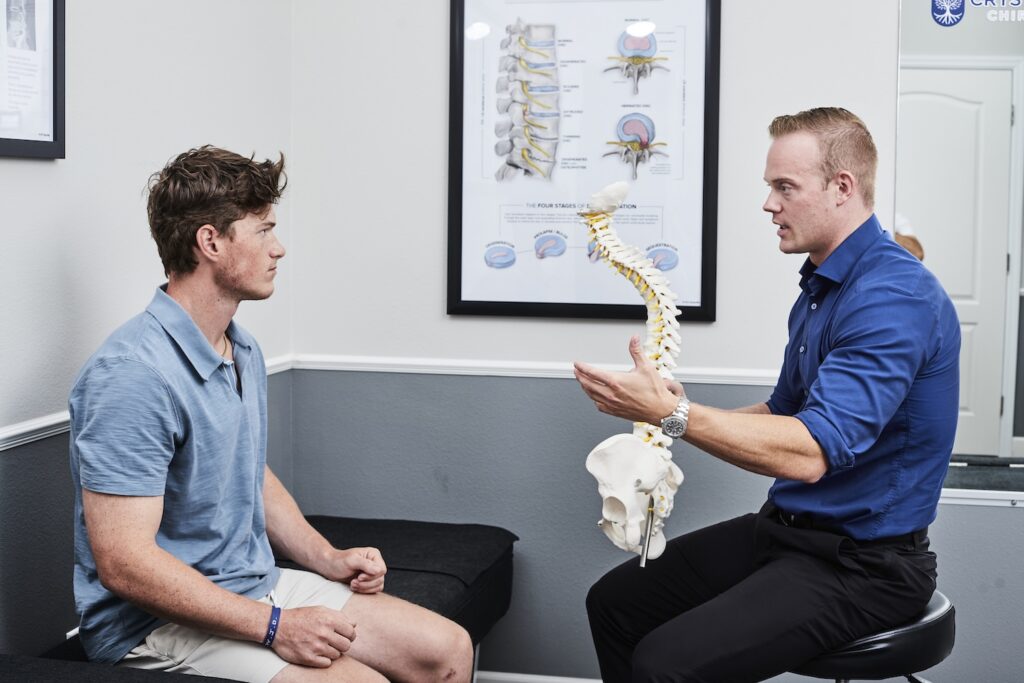
When it comes to managing lower back pain, chiropractic care offers a variety of effective natural healing options tailored specifically to your needs. By consulting with a qualified chiropractor, you can develop a personalized plan that addresses your unique condition and goals.
Here are some common chiropractic approaches you might encounter:
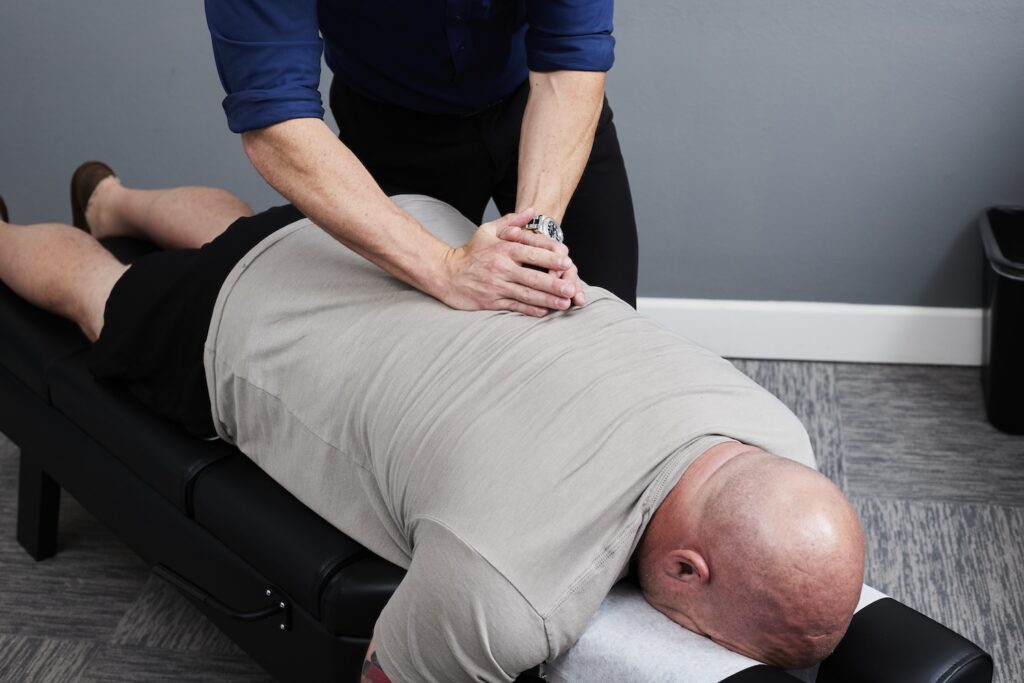
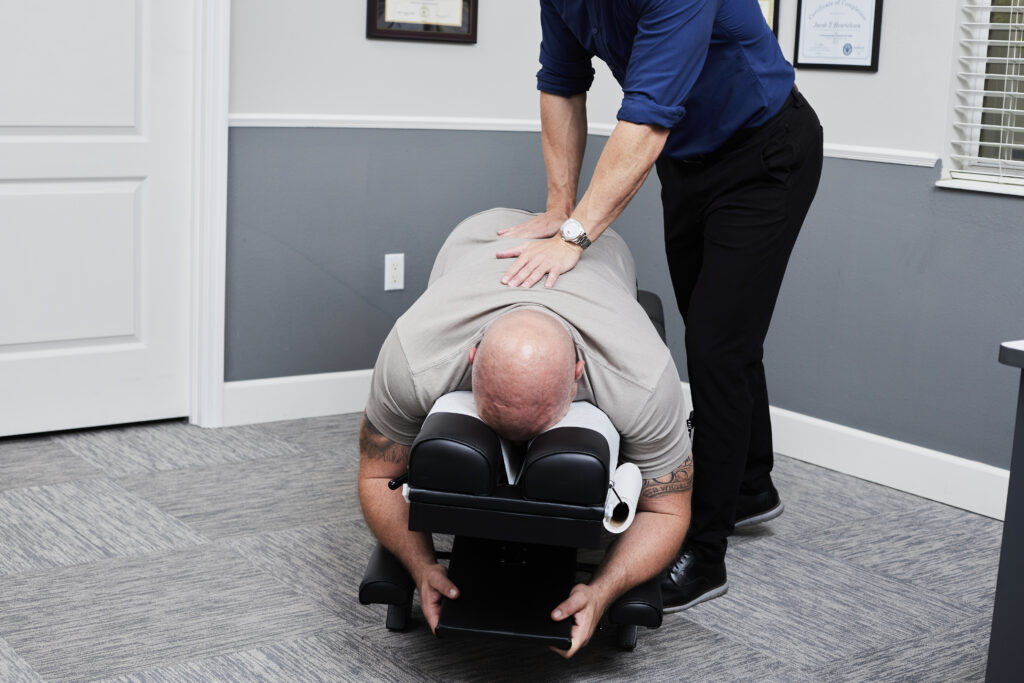
- Spinal Manipulation: This technique involves gentle adjustments to the spine to improve alignment and restore proper function. By realigning the vertebrae, we can alleviate pressure on nerves and reduce pain.
- Therapeutic Exercises: We often recommend specific exercises designed to strengthen the muscles supporting your spine. A strong core can significantly relieve pressure and discomfort in your lower back.
- Soft Tissue Therapy: This hands-on approach includes techniques such as massage and myofascial release, which can help relax tight muscles and improve circulation, facilitating your body's natural healing processes.
- Postural Education: Understanding how to maintain proper posture during your daily activities is crucial for your back health. As your chiropractor, I'll provide guidance on how to sit, stand, and move more effectively, helping you avoid further strain.
By integrating these chiropractic techniques, you can experience improved mobility, reduced pain, and a greater overall sense of well-being.
Let's work together to help you achieve optimal spinal health!
Medications and Pain Relief
As a local chiropractor, I want to emphasize the vital role chiropractic care plays in managing lower back pain. However, I understand that sometimes additional support is helpful on your journey to recovery. Medications can be an option to provide that extra relief you may need to carry on with your daily activities.
Over-the-counter medications, particularly nonsteroidal anti-inflammatory drugs (NSAIDs) like ibuprofen or naproxen, can be effective in alleviating pain and reducing inflammation. These are often the first step many people take when confronted with lower back discomfort.
If you find that over-the-counter solutions aren't sufficient, it's essential to have a conversation with your healthcare provider about potentially stronger medications. For instance, if your pain stems from muscle spasms, muscle relaxants may be beneficial. These can help ease muscle tension and improve your mobility.
In instances of severe pain, your doctor might consider opioids; however, these are typically reserved for short-term use due to their risk of addiction.
Additionally, topical treatments such as creams or patches containing pain relievers can provide localized relief. Applying these directly to the affected area allows for targeted comfort without the systemic effects associated with oral medications.
While medications can play a role in managing your lower back pain, it's crucial to use them responsibly. Always discuss your options with your healthcare provider to determine the best approach for your individual needs, especially if you're dealing with chronic pain.
Alternative Treatments
As a local chiropractor, I often see patients who are on a journey to find relief from back pain. While many are familiar with traditional methods like medication and physical therapy, I want to share how exploring alternative treatments can significantly enhance your healing process.
Here are some popular options that I encourage you to consider:
- Acupuncture: This ancient technique involves the insertion of thin needles into specific points on the body. Many of my patients have reported experiencing reduced pain and increased mobility after just a few sessions. It's a great complementary treatment that works well alongside chiropractic care.
- Chiropractic Care: Our primary focus is on spinal alignment and manipulation. By adjusting the spine, we can relieve pain and restore function to your body. Many of my patients find that regular adjustments not only help alleviate lower back pain but also enhance their overall well-being.
- Massage Therapy: Therapeutic massage is another effective alternative that targets tight muscles and promotes relaxation. I often recommend it to my patients, as regular sessions can relieve tension in the back and improve blood circulation, making the adjustments we perform even more effective.
- Yoga: Incorporating yoga into your daily routine can be incredibly beneficial. It enhances flexibility and strengthens core muscles, which are essential for back health. Many of my patients find that specific poses help alleviate their back pain and improve their posture, complementing the work we do in the clinic.
As you consider these alternative treatments, I encourage you to consult with a healthcare professional to find the best approach for your unique situation.
Everyone's experience with back pain is different, and it may take some time to discover what works best for you. By embracing these alternative therapies alongside chiropractic care, you can take a proactive stance in managing your back pain and improving your overall quality of life.
I'm here to support you on that journey!
Lifestyle Changes for Prevention
As a local chiropractor, I want to share how simple lifestyle changes can significantly help prevent lower back pain. By making a few mindful adjustments, you can strengthen your back, enhance your posture, and reduce the risk of injury.
First and foremost, incorporating regular exercise into your daily routine is crucial. Activities such as walking, swimming, or practicing yoga can greatly improve your flexibility and build muscle strength, which are both essential for maintaining a healthy spine.
It's also important to pay attention to your posture, especially if you spend long hours sitting or standing. Ensure your workstation is ergonomically designed to support your back. Choose a chair that offers good lumbar support, and keep your feet flat on the ground.
If you work at a desk, I recommend taking breaks to stretch and move around every hour to keep your muscles engaged.
Another significant factor to consider is maintaining a healthy weight. Carrying excess weight can put additional strain on your back. A balanced diet rich in fruits, vegetables, lean proteins, and whole grains won't only support your overall health but also help you maintain a healthy weight.
When it comes to lifting heavy objects, practicing proper techniques is key. Always bend your knees and keep the object close to your body. This approach minimizes strain on your back and helps you lift safely.
Lastly, don't underestimate the importance of quality sleep and stress management. Aim for restorative sleep to allow your body to recover effectively.
Additionally, consider incorporating stress-relief techniques, such as meditation or deep-breathing exercises, into your routine to prevent tension from affecting your back.
Conclusion
As your local chiropractor, I want to help you understand how to effectively manage lower back pain. It's important to know that finding relief often involves a combination of treatments specifically designed to meet your individual needs. Chiropractic care is a key component of this approach, as it focuses on aligning your spine and improving your overall mobility.
In addition to chiropractic adjustments, appropriate medications can play a role in alleviating pain. However, I also encourage exploring alternative therapies that may complement your treatment plan, such as massage or acupuncture.
Equally crucial is making lifestyle changes that can prevent future pain episodes. Incorporating regular exercise into your routine and maintaining good posture can significantly impact your back health.
Take control of your well-being by considering these options. I'm here to guide you on your journey to relief and help you discover the best approach for your back health. Your path to feeling better starts today!