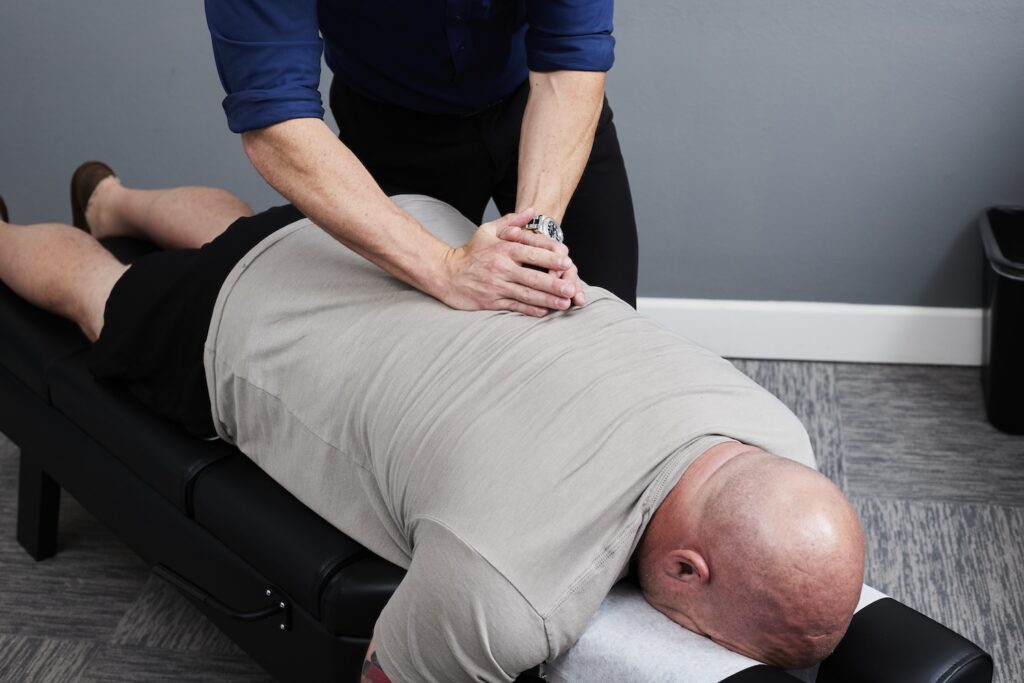
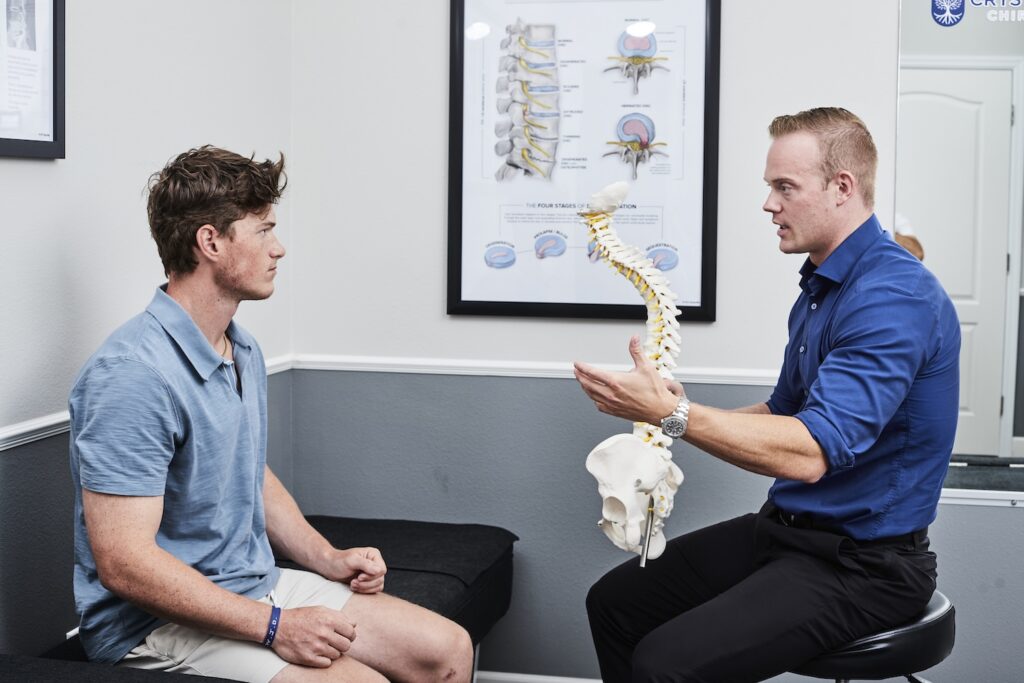
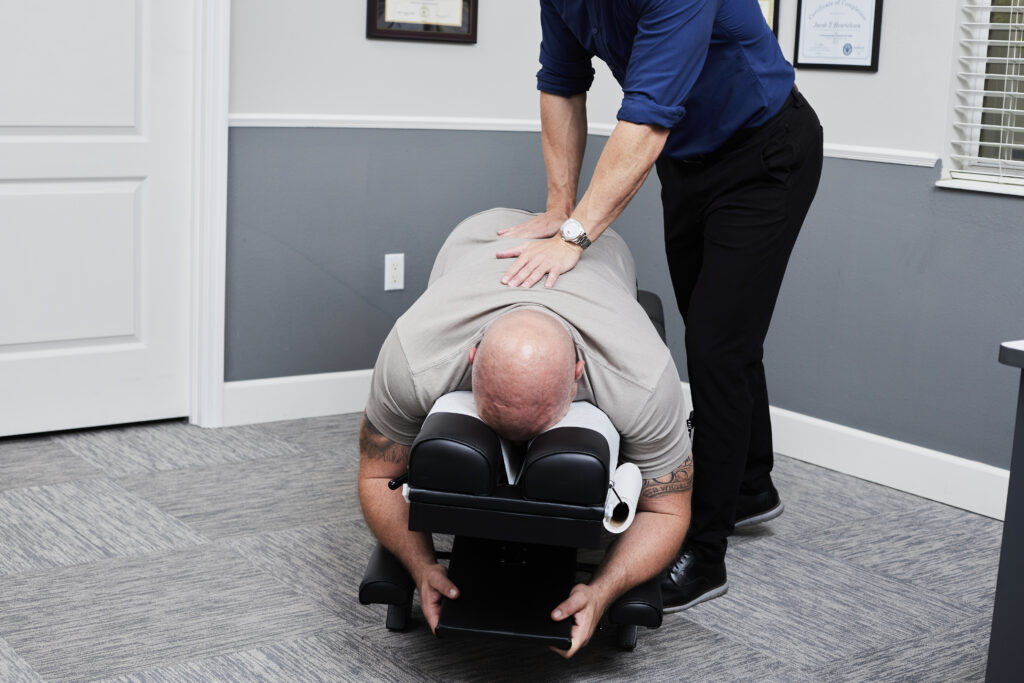
As a local chiropractor, I often encounter patients dealing with neck injuries who are looking for effective ways to manage pain and promote healing. One approach I highly recommend is the use of soft techniques. These gentle methods are designed to alleviate discomfort without resorting to invasive treatments, making them a safe and effective option for many individuals.
Soft techniques focus not only on pain relief but also on enhancing overall neck health. For instance, massage therapy can be incredibly beneficial, helping to relax tight muscles and improve circulation in the affected area. Additionally, mindful stretching plays a crucial role in maintaining flexibility and preventing future injuries.
As you explore these soft techniques, you may be surprised by how impactful they can be for your neck's well-being. Incorporating these methods into your recovery plan can significantly enhance your healing journey, allowing you to return to your daily activities with greater comfort and ease. If you have any questions or would like to learn more about these approaches, feel free to reach out—I'm here to help you on your path to recovery!
Definition of Soft Techniques
As a local chiropractor, I want to introduce you to the concept of soft techniques, which encompass a variety of gentle treatment methods aimed at alleviating pain and promoting healing, particularly for neck injuries. These techniques prioritize non-invasive approaches to manage discomfort and restore function, avoiding the need for more aggressive interventions.
One of the most common soft techniques is massage therapy. This involves applying pressure to the soft tissues in your neck, helping to release tension and enhance blood circulation. Many of my patients find that this method effectively reduces muscle tightness and fosters a sense of relaxation.
Another valuable technique is myofascial release, which focuses on the fascia—the connective tissue that surrounds your muscles. By gently manipulating this tissue, I can help improve your movement and significantly reduce pain. It's a subtle yet powerful way to address the underlying issues contributing to your discomfort.
Incorporating gentle stretching exercises is also essential in our approach to healing. By integrating specific stretches into your daily routine, you can enhance flexibility and increase your neck's range of motion. These exercises emphasize gradual movements to ensure we don't aggravate any existing injuries.
Additionally, I can't stress enough the importance of posture and ergonomics in your recovery journey. Maintaining proper alignment is crucial, as it can further support your healing process.
Together, these soft techniques create a holistic approach to addressing neck injuries. They emphasize a gentle touch and honor your body's natural healing capabilities. By exploring these methods, you can find relief from pain and take significant steps towards restoring your neck's function, paving the way for a healthier future.
If you're curious about how these techniques can benefit you, I invite you to come in for a consultation.
Benefits of Soft Techniques
As a local chiropractor, I want to introduce you to the benefits of soft techniques for neck injuries.
These gentle methods can provide effective pain relief, allowing you to experience significant improvements in your discomfort. Not only do these techniques help alleviate pain, but they also promote better mobility in your neck.
By embracing these natural healing approaches, you can regain control over your neck's function, enhancing your overall well-being.
It's all about empowering you to live a healthier, more comfortable life!
Pain Relief Methods
As a local chiropractor, I understand that neck injuries can be incredibly challenging to deal with. However, I want to share with you some effective pain relief methods that focus on gentle, non-invasive techniques to help alleviate your discomfort and promote healing.
One approach I often recommend is myofascial release. This technique specifically targets the fascia and muscle knots in your neck, working to reduce tension and pain. A skilled therapist can apply targeted pressure and stretching to ease your symptoms and help you feel more comfortable.
Incorporating gentle stretching or yoga into your routine can also be highly beneficial. These practices improve blood flow, relieve stiffness, and promote overall relaxation. They allow you to tune into your body and gradually work through any discomfort you may be experiencing.
Massage therapy is another excellent option for immediate relief. It helps to loosen tight muscles and improve circulation, providing you with much-needed comfort.
Heat therapy is also an effective method to consider. Applying a warm compress to your neck can soothe aching muscles and enhance relaxation. For an added calming effect, I suggest using essential oils like lavender or eucalyptus in combination with gentle massage.
Ultimately, these soft techniques not only work to alleviate pain but also help you develop a deeper connection with your body. By exploring these natural healing methods, you can take proactive steps toward recovery and regain control over your neck health.
As your chiropractor, I'm here to guide you through this journey and support your healing process.
Improved Mobility Techniques
As a local chiropractor, I want to emphasize just how crucial mobility is in your healing journey, particularly after experiencing a neck injury. Many individuals overlook the importance of maintaining and improving mobility, but it plays a vital role in restoring your range of motion and preventing stiffness.
Incorporating gentle techniques like soft stretches can significantly aid your recovery. These movements encourage blood circulation and alleviate tension in the muscles surrounding your neck, which not only helps ease discomfort but also promotes the healing process.
By practicing these mobility techniques regularly, you can gradually enhance your neck's flexibility. Simple actions, such as tilting your head side to side or gently rotating it, can have a remarkable impact. These exercises help your body reconnect with its natural movement patterns, allowing you to regain confidence in how your neck functions.
Furthermore, improving your mobility can greatly enhance your overall quality of life. You'll find that daily activities, such as turning your head while driving or simply looking up, become much easier.
It's essential to remember that consistency is key. By integrating these gentle techniques into your daily routine, you'll likely experience a significant improvement in both your neck's mobility and your overall comfort.
Embracing these natural healing approaches can truly be a game-changer in your recovery. As your chiropractor, I'm here to support you every step of the way in achieving better health and mobility.
Common Soft Techniques
As your local chiropractor, I want to share some gentle and effective techniques for managing neck injuries that can help you find relief and support your recovery. Many people may not be familiar with these natural healing methods, but they can be incredibly beneficial.
First, let's talk about gentle mobilization techniques. These involve slow and controlled movements that help improve the flexibility and range of motion in your neck. By incorporating these techniques, we can help alleviate stiffness and discomfort.
Next, we've myofascial release methods. This technique focuses on releasing tension in the fascia, the connective tissue surrounding your muscles. By applying gentle pressure, we can help reduce tightness and improve blood flow, which is essential for healing.
Lastly, stretching and relaxation practices play a critical role in your recovery. Simple stretches can ease tension in the neck muscles, while relaxation techniques can help reduce stress and promote overall well-being.
Together, these common soft techniques can significantly enhance your healing journey and provide much-needed relief from neck pain. I'm here to guide you through each step and ensure you feel comfortable and informed about your care.
Gentle Mobilization Techniques
As a chiropractor, I want to emphasize the importance of gentle mobilization techniques during your recovery from neck injuries. These methods are crucial for restoring movement and alleviating pain, helping you regain flexibility and strength without straining your neck further.
To begin, I recommend starting with simple range-of-motion exercises. Gently tilting your head from side to side and forward to backward can help maintain mobility and reduce stiffness. It's a straightforward way to ease into movement.
Next, gentle neck stretches can be incredibly beneficial. For example, try slowly rotating your head in a circular motion, allowing your neck muscles to gradually loosen up. Hold each stretch for about 15 to 30 seconds, but always be mindful of your body's signals—never push into pain.
Using a warm compress before these techniques can also help relax your muscles, making it easier to move. Remember, the key is to keep your movements slow and controlled to prevent further injury.
As you become more comfortable, you can gradually increase the intensity of your exercises, but always prioritize your comfort and safety.
Incorporating these gentle mobilization techniques into your recovery routine can significantly enhance your healing process and improve your overall neck function.
If you have any questions or need further guidance, don't hesitate to reach out. Your journey to recovery is important, and I'm here to support you every step of the way.
Myofascial Release Methods
As a local chiropractor, I want to share with you some effective myofascial release techniques that can help alleviate tension and pain in your neck, especially if you've experienced any injuries.
These methods focus on the fascia, which is the connective tissue that surrounds your muscles. By using gentle and sustained pressure, we can release tightness, improve blood flow, and promote healing in the affected areas.
To begin, it's important to identify where you feel tightness in your neck and shoulders. You can use your fingers or thumbs to apply gentle pressure to these areas. Hold that pressure for at least 30 seconds while taking deep breaths. This not only encourages relaxation but also enhances the release of tension.
Another effective technique is to incorporate tools like a foam roller or a massage ball. You can place the roller or ball under your neck or between your shoulder blades and gently roll back and forth. This movement helps to mobilize the fascia and alleviate discomfort.
Always remember to listen to your body during these techniques. If you feel any sharp pain, it's crucial to ease off the pressure.
By integrating myofascial release into your routine, you can significantly improve the flexibility of your neck and reduce pain, which leads to more comfortable movement in your everyday life.
If you're interested, I'd be happy to guide you through these techniques during your next visit!
Stretching and Relaxation Practices
As a local chiropractor, I want to emphasize the importance of incorporating stretching and relaxation practices into your daily routine, especially if you're dealing with neck discomfort or recovering from an injury.
These techniques can significantly improve your neck health by alleviating tension, enhancing flexibility, and promoting the healing process.
Let's start with some gentle neck stretches. Begin by slowly tilting your head forward, backward, and side to side, holding each position for 15 to 30 seconds.
This simple practice can help release tightness and improve your range of motion. Additionally, consider rotating your head in a circular motion; this can further enhance flexibility and ease stiffness.
Equally important are relaxation practices, which can be incredibly beneficial for your overall well-being.
I recommend trying deep breathing exercises. Inhale deeply through your nose, hold the breath for a few seconds, and then exhale slowly through your mouth.
This not only calms your mind but also helps reduce muscle tension in your neck.
Incorporating yoga or guided meditation into your routine can also be advantageous. Poses like Child's Pose or Cat-Cow are excellent for gently stretching the neck while promoting relaxation.
I encourage you to set aside time each day for these practices. With consistency, you're likely to notice improvements in your neck comfort and overall quality of life.
Remember, staying committed to your stretching and relaxation routine is essential for achieving the best results.
If you have any questions or need further guidance, don't hesitate to reach out. Your journey to better neck health is important to me!
Gentle Stretching Exercises
As a local chiropractor, I want to share the importance of gentle stretching exercises in alleviating neck pain and enhancing flexibility. Many of my patients discover that by integrating these stretches into their daily routine, they can significantly relieve tension and improve their range of motion.
It's essential to approach these exercises mindfully and at a pace that feels comfortable for you. Here are four effective gentle stretching exercises specifically for your neck:
- Neck Tilt: Find a comfortable seated or standing position with your back straight. Gently tilt your head to one side, bringing your ear toward your shoulder. Hold this stretch for 15 to 30 seconds, feeling the release along the opposite side of your neck. Afterward, switch to the other side and repeat.
- Chin Tuck: While sitting or standing, carefully tuck your chin down toward your chest. Aim to create a double chin effect while keeping your shoulders relaxed and still. Hold this position for 5 seconds, then release. Doing this 5 to 10 times can help strengthen your neck muscles and improve posture.
- Neck Rotation: Sit or stand tall and slowly turn your head to one side, ensuring your chin remains parallel to the ground. Hold this position for 15 to 30 seconds before returning to the center and repeating on the opposite side. This movement helps enhance mobility in your neck.
- Shoulder Shrugs: Whether you're sitting or standing, lift your shoulders toward your ears in a shrugging motion. Hold for a few seconds, then relax your shoulders back down. This simple exercise can be repeated 10 times to help release built-up tension in your upper neck.
I encourage you to incorporate these gentle stretches into your daily routine. They can play a significant role in supporting your neck recovery and enhancing your overall comfort.
If you have any questions about these exercises or how they relate to your chiropractic care, feel free to ask during your next visit!
Massage Therapy Techniques
When it comes to managing neck injuries, chiropractic care can offer powerful benefits in promoting healing and relieving discomfort. One key aspect of our approach involves understanding how massage therapy techniques complement our treatments. By utilizing targeted pressure and movement, massage helps to improve circulation, reduce muscle tension, and enhance overall mobility in the neck area.
A widely recognized method is Swedish massage, which employs long, flowing strokes. This technique promotes relaxation and increases blood flow, helping to loosen tight muscles and alleviate pain.
However, if you're experiencing specific knots or tension, deep tissue massage may be a more effective option. This technique focuses on the deeper layers of muscle and connective tissue, applying firmer pressure to break up adhesions and relieve chronic pain.
Trigger point therapy is another valuable approach we often recommend. It targets specific points of tension within the muscles, and by applying direct pressure to these trigger points, we can help release pain and improve mobility in your neck.
Additionally, myofascial release is a technique that focuses on the connective tissue surrounding muscles. By stretching and softening the fascia, this method promotes greater flexibility and reduces discomfort.
As your chiropractor, I encourage open communication about your pain levels and preferences during your treatment sessions. This allows us to tailor the care to meet your individual needs.
Regular sessions that combine chiropractic adjustments with massage therapy can significantly aid your recovery process, helping you regain strength and function while alleviating the discomfort associated with neck injuries. Embracing these natural healing methods can lead to lasting improvements in your overall health and well-being.
Heat and Cold Therapy
As a local chiropractor, I want to share some valuable insights about managing neck injuries through heat and cold therapy. These natural methods can significantly help in alleviating pain, improving flexibility, and promoting healing, especially if you're new to chiropractic care.
Understanding when to use heat or cold is essential, depending on the specifics of your injury and your symptoms.
1. Cold Therapy: In the early stages of an injury, cold therapy is your best friend. Applying an ice pack can effectively reduce inflammation and numb any sharp pain you might be experiencing.
I recommend using cold therapy for 15-20 minutes at a time, always ensuring the ice pack is wrapped in a cloth to protect your skin from frostbite.
2. Heat Therapy: After the initial swelling has gone down, heat therapy can be incredibly beneficial. A warm compress or heating pad can help relax tight muscles and enhance blood circulation to the affected area.
Use heat therapy for about 15-30 minutes, and be sure to check the temperature to avoid any burns.
3. Alternating Treatments: For optimal relief, consider alternating between heat and cold. Start with cold therapy to mitigate swelling, then switch to heat to relieve muscle tension.
This combination can significantly enhance your comfort and speed up your recovery process.
4. Listen to Your Body: Always pay attention to how your body reacts to these therapies. If you experience increased pain or discomfort, it's essential to stop the treatment and reach out to a healthcare professional, like myself, for guidance.
Incorporating heat and cold therapy into your recovery routine can greatly enhance your healing journey.
Remember to use these techniques wisely and adjust them based on how you feel. If you have any questions or need further assistance, don't hesitate to ask during your next visit!
Mindfulness and Relaxation
As a local chiropractor dedicated to helping you on your healing journey, I want to emphasize the importance of incorporating mindfulness and relaxation techniques into your recovery from a neck injury. These practices aren't only beneficial for reducing stress but also vital for enhancing your emotional well-being and fostering a sense of calm, especially when you're experiencing pain or discomfort.
One effective method is mindfulness meditation. I encourage you to find a quiet space where you can sit comfortably. Focus on your breath—inhale deeply through your nose and exhale slowly through your mouth. If your mind drifts, gently redirect your attention back to your breathing. This practice helps you become more attuned to your body and its sensations, enabling you to respond to discomfort in a more positive manner.
Another valuable technique is progressive muscle relaxation. I recommend lying down in a comfortable position and deliberately tensing each muscle group, starting from your toes and moving up to your neck and shoulders. Hold the tension for a few seconds, then let it go. This practice not only alleviates muscle tension but also enhances your awareness of bodily signals, promoting deeper relaxation.
In addition, gentle yoga or stretching exercises can significantly aid your recovery. Focus on slow, mindful movements that increase flexibility and reduce stiffness in your neck.
Importance of Proper Posture
As a local chiropractor, I want to emphasize the importance of proper posture in your recovery from neck injuries.
Maintaining good posture is crucial, as it reduces strain on your neck muscles and promotes overall alignment, significantly accelerating the healing process. Being mindful of your sitting, standing, and movement habits not only benefits your neck but also enhances the health of your entire musculoskeletal system.
Let's explore four key benefits of maintaining proper posture that can aid in your recovery:
- Reduced Muscle Strain: By practicing good posture, you help distribute your body weight evenly. This minimizes the load on your neck muscles, preventing additional strain and discomfort.
- Enhanced Blood Flow: Proper alignment promotes better circulation to the neck area, ensuring that essential nutrients reach the injured tissues, which is vital for healing.
- Improved Breathing: Maintaining good posture opens up your chest and diaphragm, facilitating deeper breathing. This can help alleviate stress and tension in your neck, further supporting your recovery process.
- Increased Energy Levels: With less strain on your body and improved circulation, you'll likely experience a boost in energy. This newfound vitality can encourage you to engage in gentle movements and stretches, which are crucial for your healing journey.
By focusing on your posture, you can take significant steps towards recovery and overall well-being.
If you have any questions about how chiropractic care can support your healing process, don't hesitate to reach out!
When to Seek Professional Help
As a local chiropractor, I want to emphasize how crucial maintaining good posture is for your recovery from neck injuries. However, there are times when professional assistance is necessary to ensure you're on the right path to healing.
If you're experiencing persistent pain, stiffness, or discomfort that doesn't improve with home remedies or self-care techniques, it's important to consult with a healthcare professional like myself. Ignoring these symptoms can lead to more serious complications down the line.
Please pay attention to these warning signs: numbness or tingling in your arms or hands, weakness in your shoulders or arms, or if you're experiencing headaches alongside your neck pain. These symptoms can indicate nerve involvement or more serious underlying issues that may require immediate attention and treatment.
If your neck injury occurred due to an accident, a fall, or a sports-related incident, I urge you not to hesitate in seeking a professional evaluation. Sometimes, injuries can present symptoms later, and early intervention can prevent long-term complications.
Additionally, if you find it difficult to perform everyday activities due to neck pain—such as sleeping, working, or enjoying your hobbies—it's wise to reach out for professional help. Your quality of life is important, and waiting for the situation to worsen isn't the solution.
I'm here to provide you with the natural healing techniques and chiropractic care necessary to support your recovery and help you regain your well-being.
Conclusion
As a local chiropractor, I want to share some valuable insights about soft techniques for neck injuries that can significantly aid your healing journey and overall well-being. Gentle stretching, massage therapy, and mindful relaxation techniques are wonderful ways to alleviate pain and enhance your neck's mobility. It's also crucial to maintain proper posture, as this supports your neck health in the long run. If you find that your symptoms persist or even worsen, I encourage you to reach out for professional guidance. By incorporating these approaches, not only will you assist your recovery, but you'll also empower yourself to regain control over your neck function and enjoy a life free from pain. Remember, natural healing is a journey, and I'm here to support you every step of the way.