
When dealing with a sports injury, understanding the recovery process is crucial. Many people are aware that rest is essential, but there's so much more to consider—like the importance of nutrition and the benefits of innovative recovery tools. As a chiropractor, I want to highlight techniques such as manual therapy and exercise rehabilitation, which can significantly aid in your recovery, yet often go unnoticed by athletes.
Additionally, integrating mental techniques like mindfulness can enhance your resilience during the healing journey. With various strategies available, it's important to explore which combinations will work best for you. Let's delve into these essential components together, and I'll guide you on how chiropractic care and natural healing can play a vital role in your recovery from sports injuries.
Understanding Sports Injuries
As a local chiropractor, it's important for me to share insights about sports injuries and how we can address them through natural healing methods. Sports injuries can happen to anyone, whether you're casually playing on the weekends or competing at a professional level. Understanding the different types of sports injuries is crucial not only for prevention but also for facilitating a smooth recovery.
In general, sports injuries can be divided into two primary categories: acute and chronic. Acute injuries happen suddenly and are often the result of a specific incident, such as twisting an ankle while running or taking a hard tackle during a game. These injuries might manifest as sprains, fractures, or strains, and they typically require immediate care.
Conversely, chronic injuries develop gradually over time, often due to repetitive stress on certain areas of the body. Conditions like tennis elbow or runner's knee are common examples that arise from overuse without allowing adequate time for recovery.
As your chiropractor, I emphasize the importance of recognizing the early signs of both types of injuries to prevent them from worsening. Listen to your body; persistent pain, swelling, or limited mobility are all signals that something may be amiss. It's vital not to overlook these symptoms, as ignoring them could lead to long-term damage.
Early intervention is key; it can significantly shorten your recovery time and help you return to your favorite activities feeling stronger and with a better understanding of how to care for your body.
Chiropractic care can play a significant role in your recovery and prevention strategy. By focusing on natural healing techniques, we can address the underlying issues contributing to your pain and help you achieve optimal function.
Importance of Rest and Recovery
As a local chiropractor, I want to emphasize the critical role that rest and recovery play in your overall health and well-being, especially when it comes to athletic performance and injury prevention.
When you engage in physical activities, you're not just working your muscles and honing your skills; you're also placing demands on your body that require proper recovery. Without sufficient rest, your body struggles to heal, which can lead to fatigue, diminished performance, and an increased risk of injuries.
Consider the benefits of prioritizing rest and recovery:
- Restorative muscles: Think of your muscles as sponges that absorb nutrients and rebuild stronger fibers during recovery. This process is essential for enabling you to tackle your next challenge with confidence.
- Clearer mind: Visualize the mental fog lifting as your mind regains focus and motivation. This clarity allows you to approach your training and daily activities with renewed energy and enthusiasm.
- Improved performance: Picture yourself surpassing your personal bests as your body rebounds from well-deserved periods of rest, ultimately performing at its highest level.
Listening to your body is key to prioritizing rest. If you're feeling fatigued or worn out, it's important to allow yourself the time to recuperate.
Integrating rest days into your training routine is vital. You might also explore methods like active recovery, which involves engaging in light activities that boost blood flow without putting additional strain on your muscles.
Furthermore, don't underestimate the importance of quality sleep; it's during this restorative phase that your body does much of its healing and repair.
As your chiropractor, I encourage you to embrace rest and recovery as vital components of your health journey. Not only will this enhance your physical performance, but it will also contribute to your overall well-being.
Physical Therapy Techniques
As a local chiropractor, I want to emphasize the vital role that physical therapy techniques play in recovering from sports injuries.
Many people may not realize that chiropractic care goes hand in hand with manual therapy approaches, exercise rehabilitation protocols, and various healing modalities.
These methods can significantly accelerate your recovery process, helping you return to your favorite activities faster and stronger.
By understanding these techniques, you can explore how natural healing can support your body's recovery and enhance your overall well-being.
Let's work together to get you back in the game!
Manual Therapy Approaches
As a local chiropractor, I want to share how manual therapy approaches can significantly support your recovery from sports injuries.
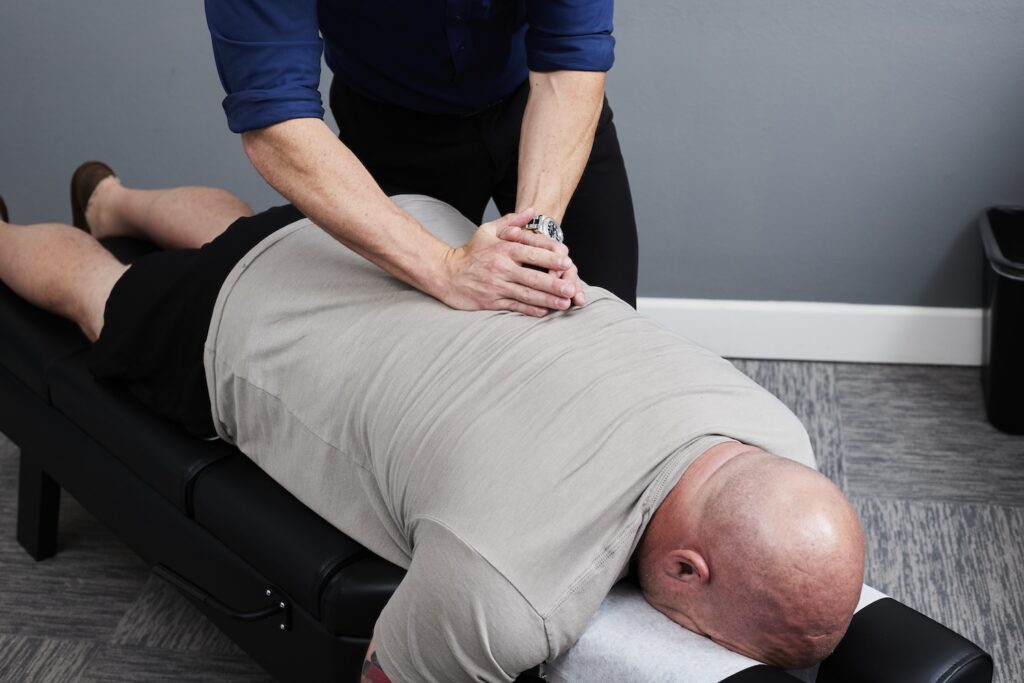
These hands-on techniques are designed to reduce pain, enhance mobility, and promote healing in a natural way. Many of my patients have found that when tailored to their specific injuries, these methods can help them regain strength and function effectively.
Here are some key manual therapy techniques I often recommend:
- Soft Tissue Mobilization: This technique involves applying targeted pressure to your muscles and soft tissues. By doing so, we can reduce tension and improve blood circulation, which is essential for healing.
- Joint Mobilization: Through gentle movements of your joints, we can help restore their natural range of motion. This not only decreases pain but also enhances overall function and mobility.
- Myofascial Release: This method focuses on relieving tightness in the fascia, the connective tissue surrounding your muscles. By addressing these restrictions, we can promote relaxation and improve movement.
Incorporating these manual therapy approaches into your recovery plan can significantly expedite your healing process.
Working with a knowledgeable chiropractor ensures that each technique is applied safely and effectively, tailored to your unique needs.
It's important to remember that by addressing underlying issues, we can help prevent future injuries, making manual therapy an integral part of your rehabilitation journey.
Embrace these techniques, and you'll likely see a positive shift in your recovery!
Exercise Rehabilitation Protocols
As a local chiropractor, I want to highlight the importance of exercise rehabilitation protocols in your recovery from sports injuries. These protocols are designed to help you regain strength, flexibility, and functionality naturally, aligning with our holistic approach to healing. Each program is tailored specifically to your injury, ensuring that we address the root causes while allowing you to progress safely.
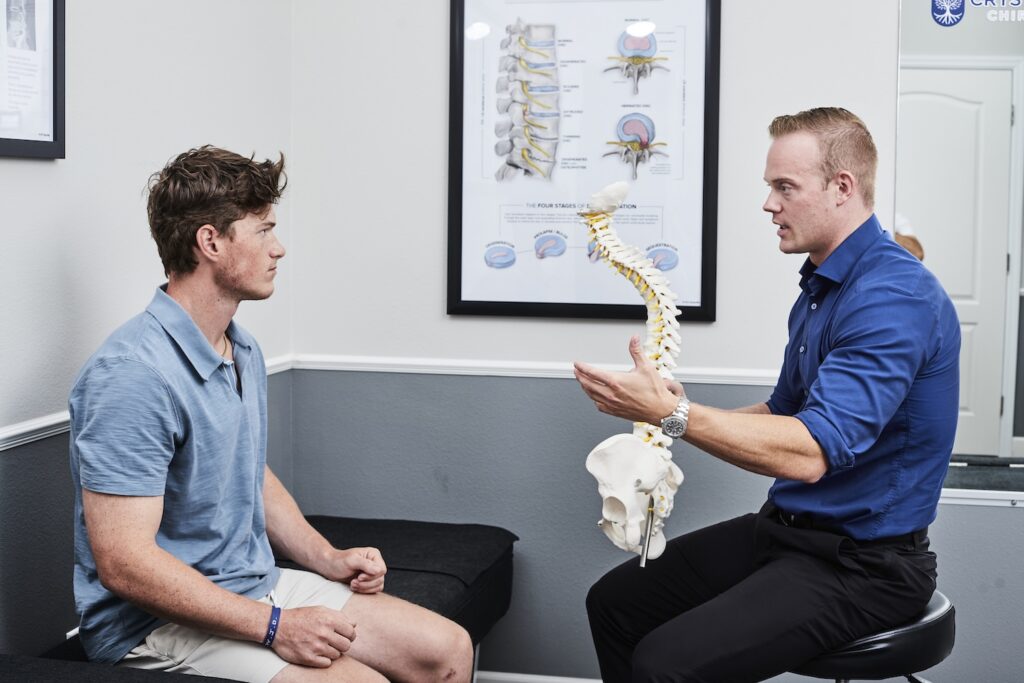
During your initial visit, I'll conduct a thorough assessment of your condition and develop a personalized plan that includes various exercises aimed at restoring your movement. We often begin with range-of-motion exercises to promote flexibility and reduce stiffness, which is crucial in the early stages of recovery.
As you start to heal, we'll gradually introduce strengthening exercises to build muscle around the injured area, providing essential support for stability and helping to prevent future injuries. In addition, we may incorporate balance and proprioception exercises to improve your coordination and body awareness. This is especially vital for athletes who rely on quick movements and agility.
I'll guide you through these exercises, ensuring that you maintain proper form to prevent re-injury and promote effective healing. Finally, your rehabilitation protocol may include sport-specific drills that prepare you to return to your normal activity level with confidence.
Staying committed to these rehabilitation exercises is crucial; they not only lay the foundation for a successful return to your sport but also enhance your overall performance and self-assurance. In our chiropractic practice, we believe in empowering you through natural healing methods, and I'm here to support you every step of the way on your journey to recovery.
Modalities and Techniques
As a local chiropractor, I want to share how integrating various natural healing modalities and techniques can significantly support your recovery from sports injuries. By utilizing specific chiropractic methods, we can help alleviate pain, reduce inflammation, and restore your body's function more effectively.
Here are some effective techniques that you may find beneficial:
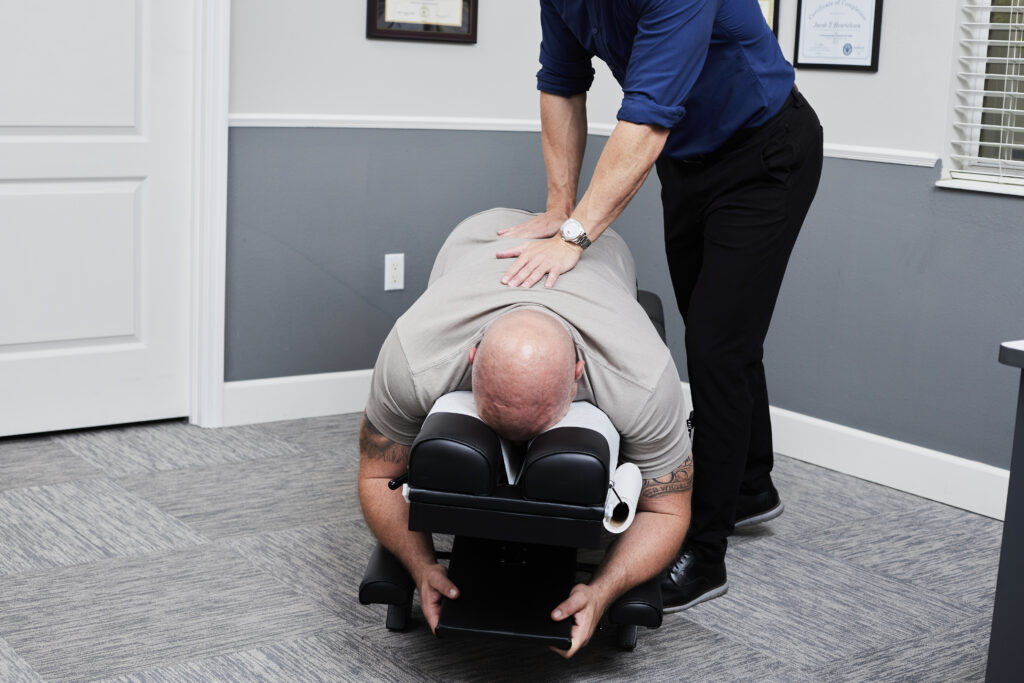
- Chiropractic Adjustments: These hands-on techniques are designed to align the spine and joints, improving circulation and flexibility while reducing muscle tightness and discomfort.
- Soft Tissue Therapy: This involves targeted manipulation of the muscles and fascia, which can help release tension and promote healing in the affected areas.
- Therapeutic Modalities: We may use approaches like electrical stimulation, which delivers small electrical currents to stimulate muscles, aiding in pain relief and muscle re-education.
- Cold and Heat Therapy: Alternating ice and heat applications can be incredibly effective. Ice helps to reduce swelling and numb sharp pain, while heat promotes blood flow and relaxes tight muscles.
By combining these techniques with a personalized rehabilitation program, we can work towards faster recovery times and better long-term outcomes.
I encourage you to consult with me to determine which methods are best suited for your individual injury and healing needs. Taking an active role in your recovery with these natural approaches can make a significant difference, helping you get back to your sport stronger and sooner.
Nutrition for Healing
As a local chiropractor, I want to emphasize the vital role nutrition plays in your recovery from sports injuries. When your body is healing, it's essential to focus on incorporating the right nutrients into your diet and being mindful of when you consume them.
Proper nutrition not only supports your healing process but also enhances the effectiveness of chiropractic care.
Let's discuss how specific nutrients can aid in your recovery and how timing your meals can make a significant difference in your healing journey. By understanding these factors, you can empower your body to recover more efficiently and get back to doing what you love.
Essential Nutrients for Healing
As a local chiropractor, I want to emphasize the vital role that nutrition plays in your healing process, especially when recovering from sports injuries. Many patients may not realize that the right nutrients can significantly speed up recovery and restore strength in your body.
When you experience an injury, your body requires specific vitamins and minerals to effectively repair tissues, reduce inflammation, and support overall healing. By incorporating these essential nutrients into your diet, you can enhance your recovery journey and get back to your favorite activities more quickly.
Here are three key nutrients that I recommend focusing on:
- Protein: This macronutrient is crucial for repairing muscles and tissues. You can find protein in lean meats, fish, beans, and nuts. It's important to consume a variety of protein sources to ensure you receive all the essential amino acids your body needs for optimal healing.
- Omega-3 Fatty Acids: These healthy fats, which are abundant in fatty fish, flaxseeds, and walnuts, are known for their anti-inflammatory properties. Including omega-3s in your diet can support joint health and help reduce swelling, aiding in a faster recovery.
- Vitamin C: This powerful vitamin, found in fruits like oranges, strawberries, and bell peppers, is essential for collagen production. Collagen is necessary for healing wounds and repairing tissues, making vitamin C a critical nutrient in your recovery process.
By focusing on these nutrients, you can greatly enhance your body's healing capabilities.
Timing of Nutrient Intake
As a local chiropractor, I want to emphasize the importance of timing your nutrient intake for optimal recovery from sports injuries. When you experience an injury, your body requires specific nutrients to heal effectively, and the timing of when you consume these nutrients is crucial.
To support your healing process, it's vital to focus on protein. After an injury, aim to have a protein-rich meal or snack within 30 minutes. This quick intake helps repair tissues and jumpstarts your body's natural healing mechanisms.
Carbohydrates also play a significant role, especially following intense workouts or rehabilitation sessions. Consuming carbohydrates within two hours after exercise replenishes glycogen stores, which is essential for fueling your recovery.
Additionally, staying hydrated is key; drinking water and electrolyte-rich fluids right after exercise helps maintain your body's hydration levels, further promoting healing.
In the days following your injury, it's important to maintain a balanced intake of vitamins and minerals, particularly vitamin C and zinc, as they're vital for tissue repair. Regular meals spaced throughout the day can help keep your nutrient levels consistent, supporting your recovery journey.
By being mindful of when and what you eat, you can significantly aid your body's healing processes and potentially shorten your recovery time. Prioritizing your nutrition not only helps you heal faster but also prepares you for a quicker return to your favorite activities.
As your chiropractor, I'm here to support you on this path to recovery through holistic care and guidance.
Mental Strategies for Recovery
As a local chiropractor, I often see patients who may not fully appreciate the impact of mental strategies on their recovery process. While physical rehabilitation is crucial, your mindset is equally important in determining how quickly and effectively you heal.
By incorporating mental techniques into your recovery plan, you can enhance your overall experience and build greater resilience.
Here are some strategies that you might find beneficial:
- Visualization: Imagine yourself moving freely and performing at your best. Take a moment to close your eyes and visualize each movement, the excitement of engaging in your favorite activities, and the satisfaction of reaching your goals. This mental rehearsal can support your physical recovery and keep your motivation high.
- Positive Affirmations: It's essential to replace any negative thoughts with positive affirmations. Remind yourself of your strength and commitment to healing. Simple phrases like "I am healing and getting stronger every day" can create a shift in your mindset and empower you throughout your recovery journey.
- Mindfulness and Meditation: Being present in the moment can significantly benefit your healing process. Engaging in mindful breathing exercises or meditation can help reduce stress and anxiety, which, in turn, allows your body to heal more effectively.
These practices can also help you concentrate on your recovery goals without feeling overwhelmed.
By implementing these mental strategies, you can create a strong foundation for your recovery. They'll help you cultivate a positive outlook, enhance resilience, and maintain a high spirit during challenging times.
Innovative Recovery Tools
In today's fast-paced world, innovative recovery tools are revolutionizing how we approach rehabilitation and healing, especially in chiropractic care. As your local chiropractor, I want to introduce you to some of these technologies that can enhance your recovery and help you return to your daily activities or sports more quickly.
One remarkable tool we often recommend is the percussive therapy device, commonly known as a massage gun. This handheld gadget delivers rapid bursts of pressure to sore muscles, which can greatly promote blood flow and alleviate soreness. Incorporating this into your post-workout routine can significantly speed up your muscle recovery, allowing you to engage in physical activities with greater ease.
Another beneficial method is infrared therapy. This technology uses infrared light to penetrate deep into your tissues, accelerating the healing process and reducing inflammation. You can easily use it at home on specific injury sites or sore areas to experience its therapeutic effects.
Compression therapy has also gained traction among both athletes and non-athletes alike. By applying consistent pressure to your muscles and joints, compression garments and devices enhance circulation and help prevent swelling. Many of my patients find that wearing these during and after their workouts leads to quicker recovery times.
Lastly, I encourage you to consider cryotherapy, which involves exposing the body to extremely cold temperatures for a short duration. This technique is effective for reducing inflammation and pain, making it a popular choice among many elite athletes.
As your chiropractor, I believe in combining these innovative tools with traditional chiropractic methods to create a comprehensive approach to your health and recovery. If you have any questions or would like to learn more about how these tools can benefit you, feel free to reach out!
Conclusion
As a local chiropractor, I want to share how incorporating natural recovery techniques can significantly enhance your healing process from sports injuries. It's essential to prioritize rest, but also to engage in effective physical therapy tailored to your body's needs. Proper nutrition plays a vital role too; fueling your body with the right nutrients can support your recovery.
Additionally, mental strategies, such as visualization and mindfulness, can aid in your overall healing journey. Don't forget to explore innovative chiropractic tools and techniques that can assist in your recovery, such as spinal adjustments and soft tissue therapies. By embracing these practices, you can minimize your downtime and return to your sport not just recovered but stronger and more resilient. Remember, your journey to recovery can start today with the right support and guidance!